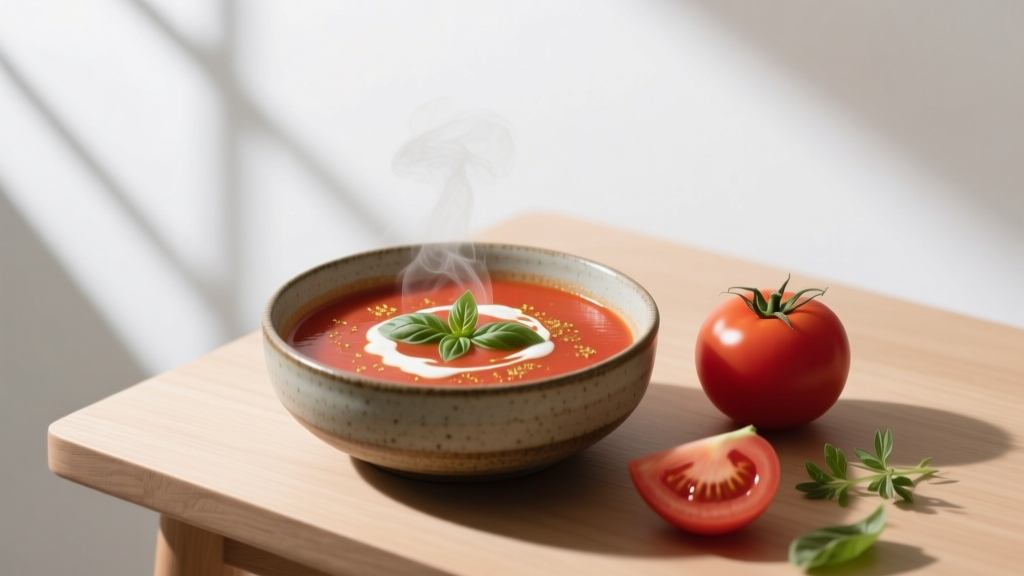
Fresh Tomato Soup: Simple Recipe & Why It Beats Canned
Why Your Canned Tomato Soup Feels "Meh"
Let's be real: that can of tomatoes sitting in your pantry? It's reliable, sure. But it often lacks the bright, complex sweetness fresh tomatoes bring. I've made soup both ways for 20 years, and here's the kicker—even off-season grocery store tomatoes outperform canned when you know how to work them. Why? Canned tomatoes get cooked twice (once for canning, again for soup), muting their flavor. Fresh ones? They retain bright acidity and natural sugars that canned just can't replicate. Honestly, it's not about being a "food snob"; it's physics.
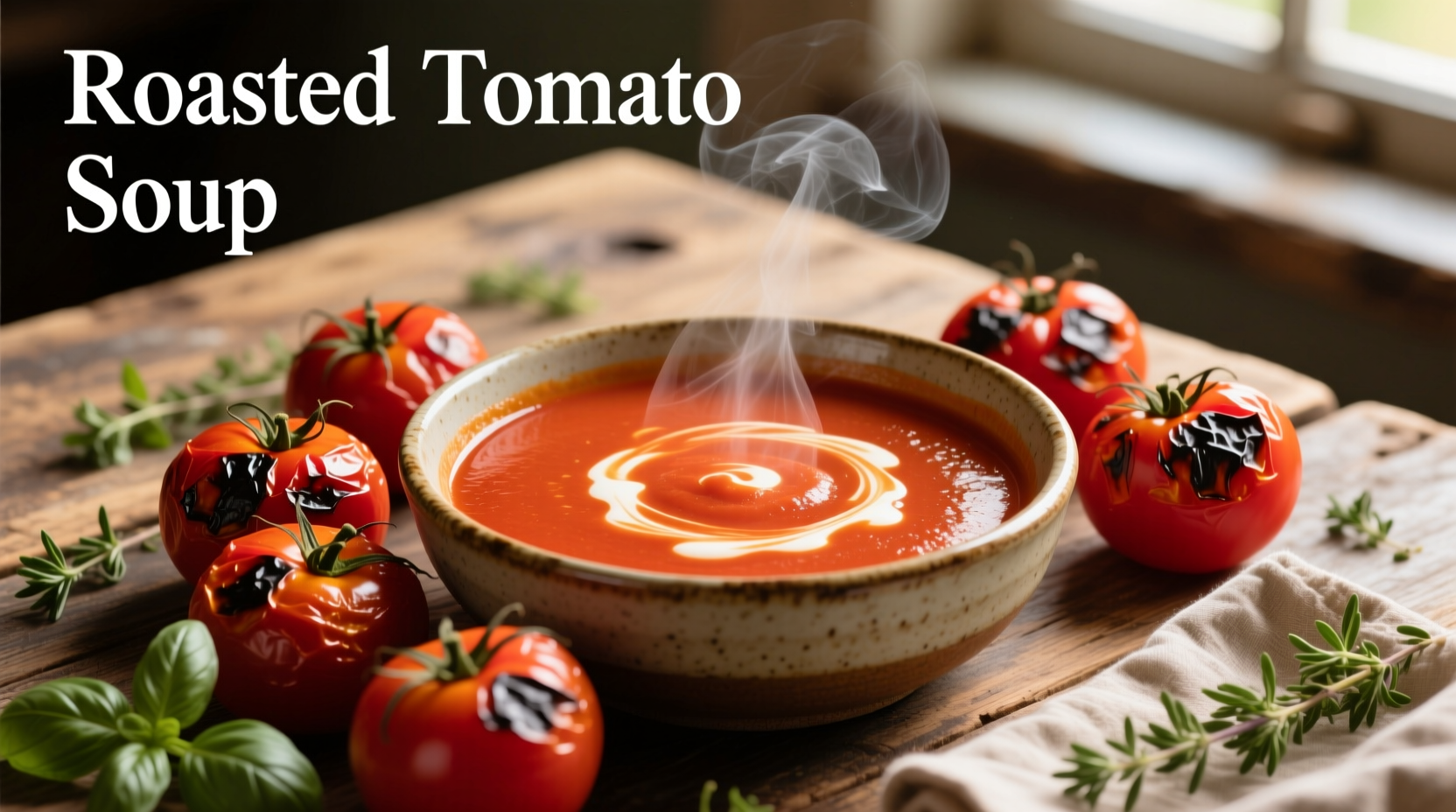
How Fresh Tomatoes Actually Win (No Garden Required)
You don't need heirloom tomatoes from a farmers' market. As Smitten Kitchen proves, even bargain-bin grape tomatoes work because the real magic happens in the pot. Sauté onions in butter until caramelized—they add depth canned tomatoes lack. Then, a splash of sherry or red wine vinegar balances acidity. Indian Healthy Recipes backs this up: fresh tomatoes deliver "a right balance of sour & sweetness" you can't fake with cans.
Here's my go-to method for soup in under 45 minutes:
- Sweat 1 chopped onion in 2 tbsp butter until golden (8 mins).
- Add 2 garlic cloves, pinch of red pepper flakes, and 1 tbsp tomato paste. Cook 2 minutes.
- Toss in 2 lbs cubed tomatoes (cherry or Roma work great), 1 cup broth, and a basil sprig.
- Simmer 20 minutes until tomatoes collapse.
- Blend until smooth. Taste—no sugar needed if tomatoes are ripe.
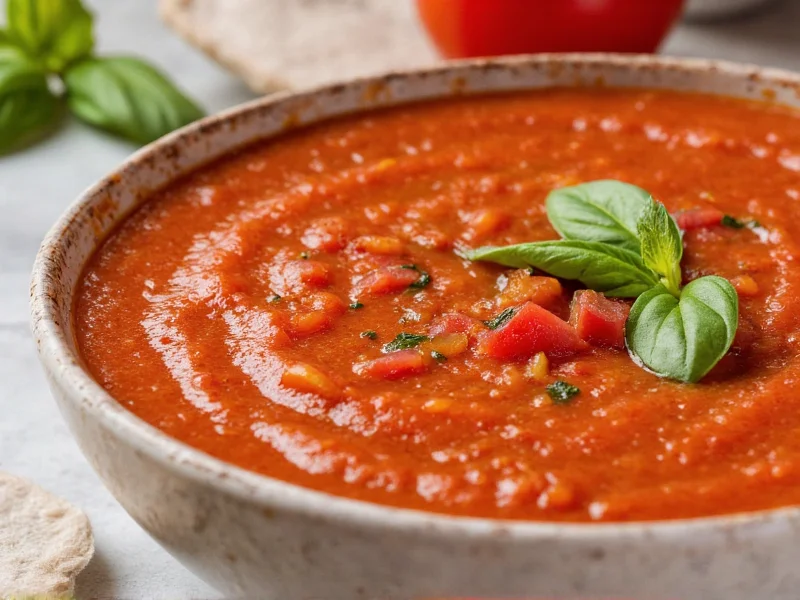
Fresh vs. Canned: When to Choose Which
| Scenario | Use Fresh Tomatoes | Use Canned Tomatoes |
|---|---|---|
| Flavor goal | Bright, complex sweetness | Deep, cooked-down richness |
| Best time of year | Year-round (yes, even winter!) | Off-season when fresh are hard/unripe |
| Time available | 30-45 minutes | Under 20 minutes |
| Texture tip | Blends silky without cream | Often needs cream to soften acidity |
When Fresh Tomatoes Backfire (And What to Do)
Look, I won't sugarcoat it: fresh tomatoes fail if you pick the wrong ones or skip key steps. Here's when to avoid them:
- When tomatoes feel rock-hard: Unripe tomatoes lack sugar, making soup painfully acidic. Solution: Add 1 grated carrot while simmering—it adds natural sweetness without sugar.
- When you're in a rush: If you only have 15 minutes, canned is smarter. Fresh needs time for flavors to meld.
- When tomatoes are chilled: Refrigeration destroys texture. Always store them at room temp—never in the fridge.
Pro tip: Smitten Kitchen nails this—"storebought grape tomatoes provide enough sweetness without [sugar]." I've tested it: winter tomatoes from Trader Joe's work if you boost them with caramelized onions.
Picking Tomatoes That Won't Disappoint
Forget "vine-ripened" labels—they're meaningless. Here's what actually matters:
- Color: Deep, even red (no green patches). Yellow spots = overripe.
- Feel: Slight give when gently squeezed—not mushy, not hard.
- Scent: Sniff the stem end. Faint earthy sweetness = good. No smell? Skip it.
Cherry tomatoes are my winter go-to—they're bred for consistent flavor year-round. Roma tomatoes work great too (less watery). Avoid "on-the-vine" types; they're often picked too early.
Busting 3 Tomato Soup Myths
Myth 1: "You must peel tomatoes." Nope. Blending makes skins undetectable. Peeling wastes time and nutrients. Just blend longer if needed.
Myth 2: "Fresh soup needs cream to be creamy." Wrong. Simmering tomatoes with onions creates natural pectin for silkiness. Cream dulls the bright flavor. Try it plain first!
Myth 3: "Canned is cheaper." Not when you calculate per serving. Two pounds of $2/lb grape tomatoes make 4 servings—same cost as premium canned soup, but fresher.
Final Tip: Make It Your Own
This isn't a rigid recipe—it's a canvas. Stir in cooked lentils for protein (Trader Joe's steamed lentils work perfectly), or wilt spinach at the end. But here's what I've learned after 200+ batches: don't overcomplicate it. Onions, garlic, tomatoes, and time are the holy trinity. Save the fancy add-ins for leftovers.
Everything You Need to Know
Nope—peeling is unnecessary. Modern blenders puree skins completely. Just simmer until tomatoes are fully broken down (about 20 minutes), then blend. Peeling wastes time and removes fiber-rich nutrients. If texture worries you, strain after blending—but honestly, I've never had a guest notice.
Avoid rock-hard tomatoes—they'll make soup painfully acidic. If that's all you have, add 1 grated carrot or 1 tsp honey while simmering to balance pH. But truly unripe tomatoes lack the natural sugars that replace added sugar. Pro tip: Smitten Kitchen notes even "highly mediocre" store-bought grape tomatoes work because onions and broth carry the flavor.
3-4 days in an airtight container. Acidic tomato soup preserves well, but flavors dull after day 2. For best results, undercook slightly (simmer 15 mins instead of 20), then finish heating when reheating. Freezes perfectly for 3 months—skip cream if freezing, as dairy can separate.
Yes—when made without cream or sugar. Fresh tomatoes retain more vitamin C and lycopene (an antioxidant) since they're cooked once, not twice like canned. Canned versions often contain added salt or preservatives. Indian Healthy Recipes confirms fresh soup delivers "flavor-packed" nutrition without compromises. But skip draining tomatoes—you'll lose nutrients in the juice.
Two common fixes: First, simmer longer (up to 30 mins)—cooking breaks down acids. Second, add a natural sweetener like 1 grated carrot or 1 tsp honey. Never add baking soda; it ruins flavor. If tomatoes were unripe, blame the produce, not your method. Next time, choose deeper red tomatoes with a sweet scent at the stem.
More Articles
 Ginger Root Refrigeration: When to Chill and When Not To
 How to Grow Saffron (Kesar): Practical Home Guide
 Spice Rack Organization: 7 Layout Ideas That Keep Your Kitchen Tidy
 Slow Cooker Chili: Real Talk Recipe & Pro Tips
 Chilli Recipe with Beans: Practical Guide No Drama
 Moroccan Lentil Soup: Authentic Recipe & Cultural Insights
 Blend vs. Explained: A Practical, Science-Backed Comparison for Home Cooks and Professional Kitchens
 Greek Chicken Lemon Soup: Authentic Avgolemono Guide
 Grilled Cheese and Soup: Science-Backed Pairing Guide
 Quick Easy Soup: Simple Recipes for Busy Days