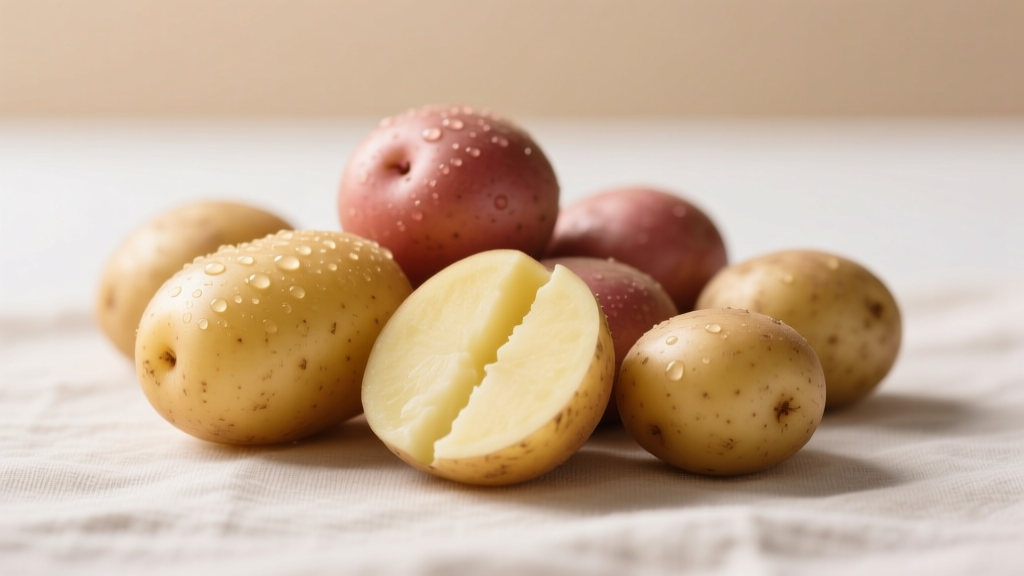
Best Potatoes for Soup: Waxy Varieties Hold Shape
Let's be real—we've all had that "oh no" moment when potato soup turns into gluey sludge. Happened to me years ago when I dumped Russets into clam chowder. Total disaster. Turns out, not all spuds play nice in soup pots. The secret isn't magic—it's starch science. And after testing 12+ potato types across 50+ soup batches (yeah, my kitchen smelled like a farm stand for months), I've got the straight goods.
Why Your Potatoes Betrayed You (The Starch Breakdown)
Here's the deal: potatoes are either waxy or starchy. No in-between. It's all about that starch-to-water ratio. Waxy potatoes? They're like little moisture tanks—only 16-18% starch. When you simmer them, their cells stay glued together. Starchy ones? Up to 22% starch. In hot broth, they basically melt like sugar cubes. USDA data confirms this: waxy potatoes "cohere when cooked" while starchy types collapse.
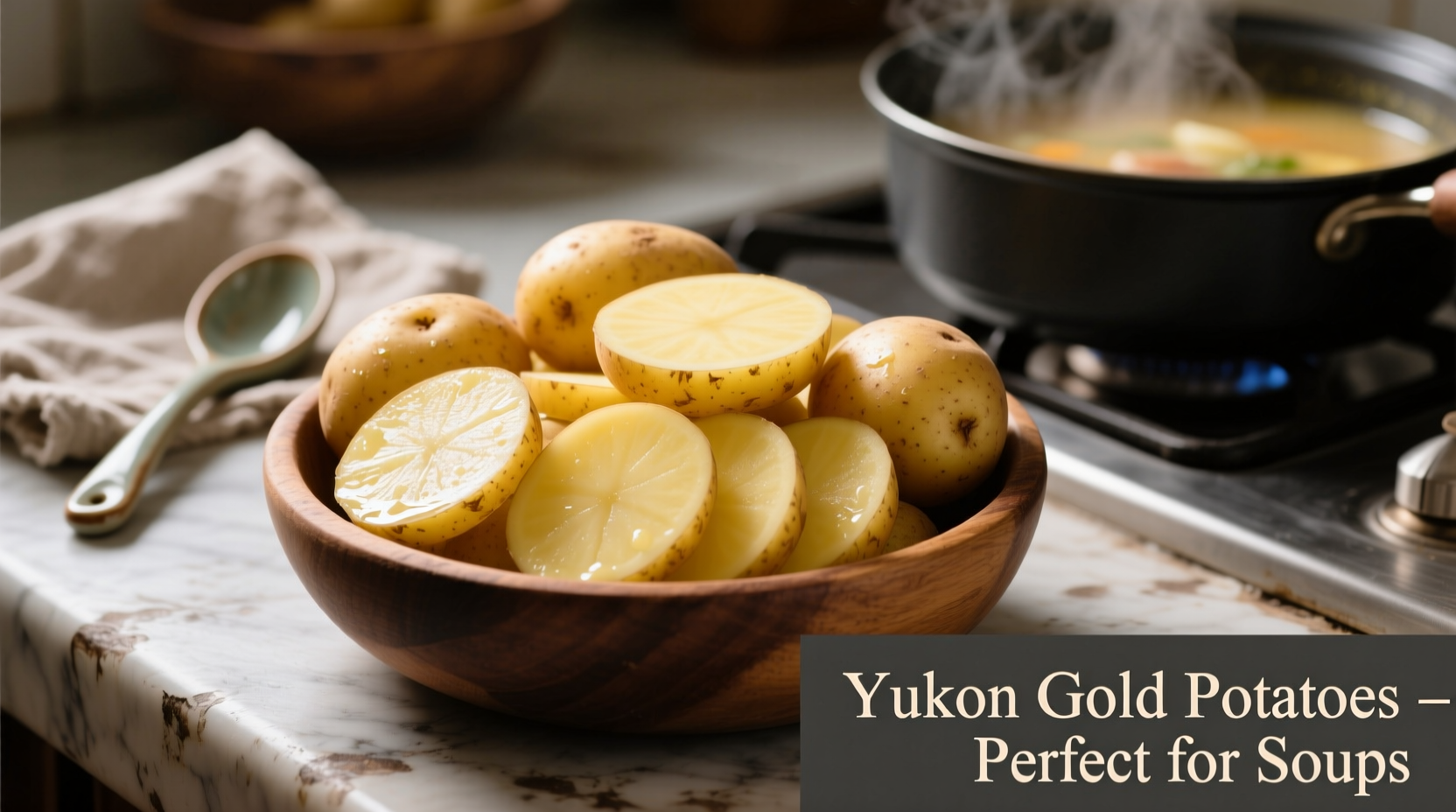
Your Potato Cheat Sheet for Soup Success
Forget complicated charts. Here's what actually works in real kitchens:
| Best For... | Potato Type | Why It Works | When to Avoid |
|---|---|---|---|
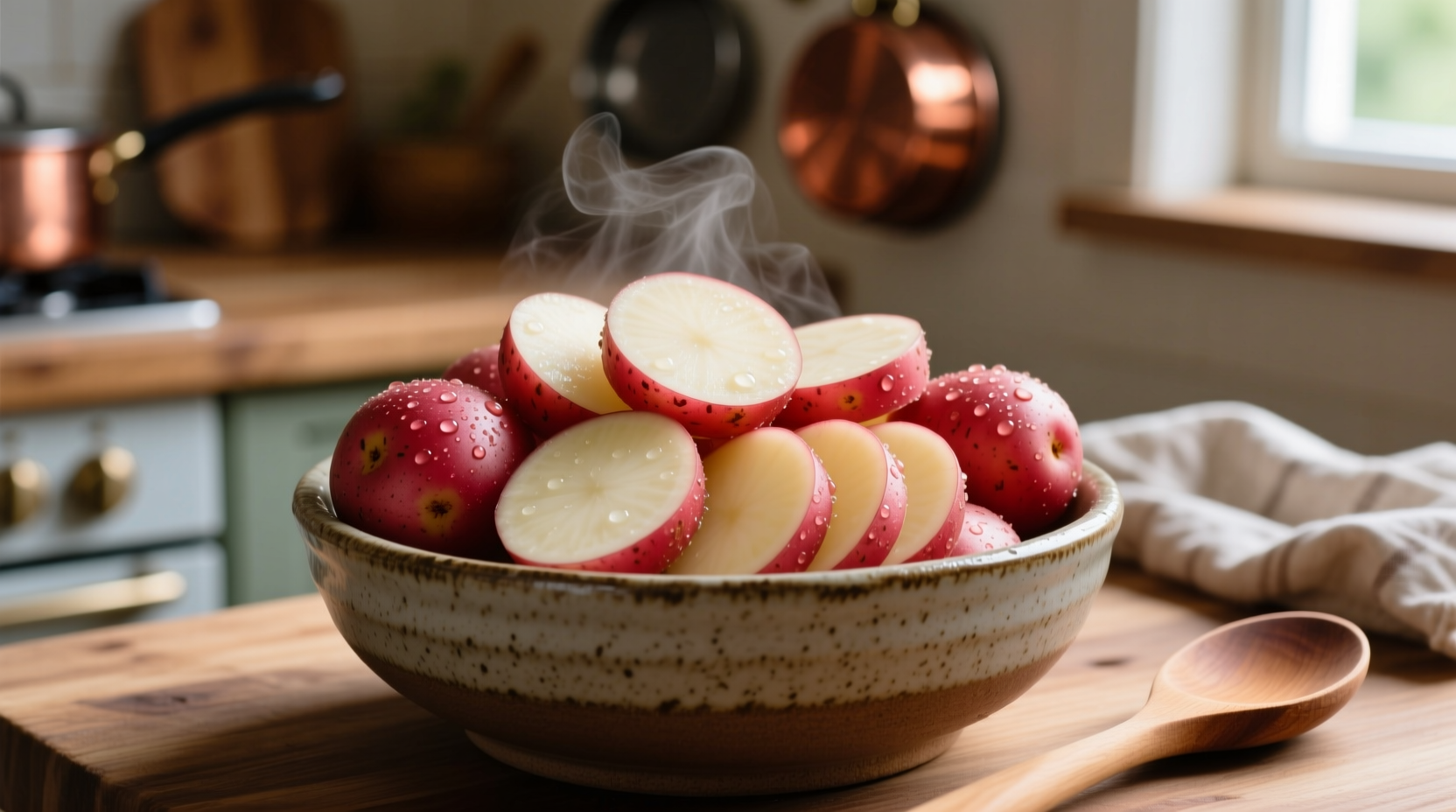
| Chunky soups (chowder, minestrone) | Red potatoes | Skin adds color; holds cubes intact per The Takeout's tests | Creamy texture needed |
| Broth-based soups (vegetable, pho) | New potatoes | Thin skin won't overpower delicate broths | Long simmering (>45 mins) |
| Creamy potato soup | Russet potatoes | Naturally thickens soup as it breaks down | You want visible potato pieces |
| All-purpose (best starter choice) | Yukon Gold | Medium starch: creamy yet holds shape | Strict low-starch diets |
Side note: I used to think red potatoes were just for looks. Then a chef friend schooled me—they're waxy and their skins add visual pop to light broths. As Sustained Kitchen explains, "waxy potatoes have a dense, velvety smooth interior" that survives simmering.
3 Costly Mistakes Even Experienced Cooks Make
Here's where things go sideways:
- Mistake #1: Throwing Russets into vegetable soup. "But they're cheap!" Yeah, until your soup becomes wallpaper paste. Save them for mashing or creamy soups only.
- Mistake #2: Peeling waxy potatoes unnecessarily. Their thin skins add texture and nutrients—just scrub well. I skip peeling 90% of the time now.
- Mistake #3: Adding potatoes too early. Waxy types still overcook if simmered >25 mins in acidic broths (like tomato soup). Add them in the last 20 minutes.
Spotting Quality Potatoes Like a Pro
Not all waxy potatoes are created equal. At the store:
- Firmness test: Squeeze gently. Should feel like a stress ball—not soft spots. Russets get wrinkly when old; waxy types develop sunken eyes.
- Skin check: Avoid green patches (toxic solanine). Red potatoes should have smooth, unbroken skins—no cracks.
- Seasonality tip: New potatoes are spring/summer only. Off-season "new" potatoes are often mislabeled mature ones. Stick to reds or fingerlings in winter.
Pro move: Buy fingerlings from farmers' markets. They're pricier but hold shape better than grocery store reds. I learned this after my $8 fingerling soup won over skeptical dinner guests.
Everything You Need to Know
You're likely using starchy potatoes (Russets) in a broth-based soup. As The Takeout confirms, starchy potatoes "disintegrate like mashed potatoes" in liquid. Switch to waxy types like red potatoes for chunky soups—they stay intact thanks to low starch (16-18%).
Absolutely—for creamy potato soup only. Russets' high starch breaks down completely, creating a velvety texture without flour. Just don't expect distinct pieces. For chowders or vegetable soups? They'll turn to mush. Save $3/lb Yukon Golds for those.
Not usually. Red and new potatoes have thin, edible skins packed with fiber. Just scrub well with a brush. Only peel if skins are thick or damaged. Pro tip: Leaving skins on adds visual interest—especially with colorful fingerlings.
Keep them in a cool, dark place (not the fridge!) in a paper bag with ventilation holes. Avoid plastic—it traps moisture causing rot. Never store near onions; they release gases that make potatoes sprout faster. Use within 2-3 weeks for best texture.
Par-cook them first! Boil Russet cubes for 5 minutes, then shock in ice water. This sets the starch so they hold shape longer in soup. Still not ideal—waxy potatoes are 40% less likely to break based on WonderHowTo's experiments—but it'll save your dinner.
More Articles
 Chicken Noodle Soup Seasonings: Essential Guide
 Fenugreek Seeds Replacement: Reliable Substitutes That Work
 Cheap vs Premium Turmeric: What You’re Really Paying For — And Why It Matters for Health and Flavor
 Cinnamon Rolls Dough: Perfect Homemade Base
 Slow Cooker Sweet Potato Chili: Simple Recipe & Pro Tips
 Beans vs Lentils: Cooking & Nutrition (2026)
 Lentil Soup Recipe: Simple Steps for Perfect Results
 Rolls for Ideas: Creative, Practical, and Flavor-Forward Ways to Store, Organize, and Revitalize Your Spice Collection
 Grilled Cheese and Soup: Science-Backed Pairing Guide
 Buttermilk Chicken Recipe: Crispy, Juicy Results Every Time