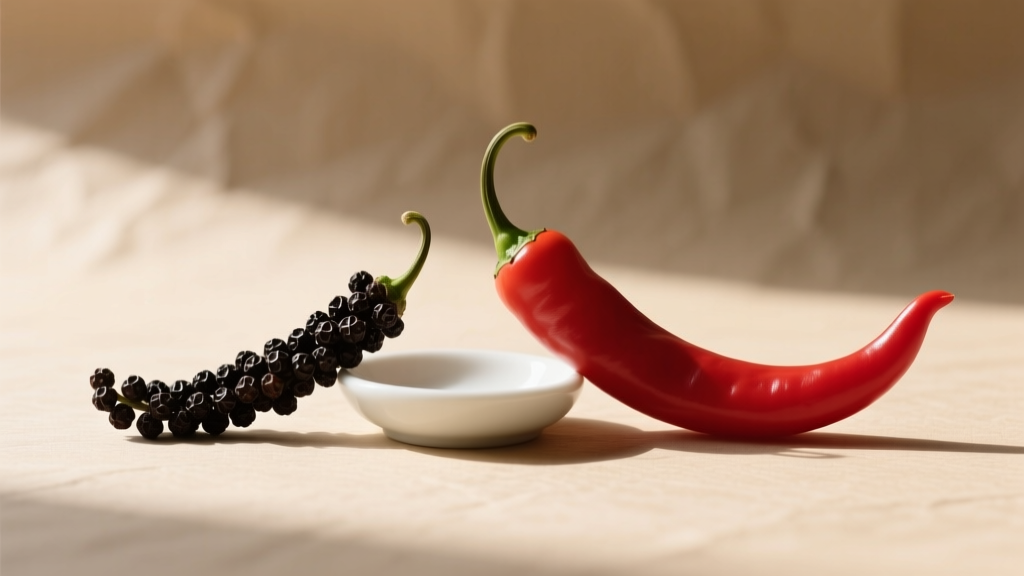
Black Pepper vs Cayenne Pepper: Key Differences Explained
Why Mixing Them Up Ruins Your Cooking
Look, after 20 years in professional kitchens, nothing screams "amateur" like grabbing the wrong pepper jar. Black pepper is the quiet background singer; cayenne is the lead guitarist shredding solos. Get them confused, and your delicate béchamel turns into a fire hazard. Seriously, I once watched a chef ruin a $200 lobster bisque by reaching for cayenne instead of black pepper. Don't be that guy.
Pepper 101: Not What You Think
You know what's wild? Despite the name, cayenne pepper isn't actually "pepper" like black pepper. Black pepper comes from Piper nigrum vines in India—it's a flowering vine, totally unrelated to chili peppers. Cayenne? That's a Capsicum annuum chili, related to jalapeños. The naming confusion dates back to Columbus messing up in the Caribbean, but that's another story. Bottom line: they're as different as apples and oranges.
Head-to-Head: The Real Differences
| Feature | Black Pepper | Cayenne Pepper |
|---|---|---|
| Heat Level (Scoville) | 100-1,000 SHU | 30,000-50,000 SHU |
| Source Plant | Piper nigrum (vine) | Capsicum annuum (chili) |
| Flavor Profile | Earthy, woody, subtle warmth | Bright, fruity, intense burn |
| Nutrition Highlights | High in Vitamin K, 57% less saturated fat | Rich in Vitamins A, C, E; 15x more sugar |
| Best Used In | Sauces, meats, eggs, salads | Gumbo, chili, hot sauces |
Note: Heat levels verified via Bonnie Plants' Scoville scale guide and nutritional data from Soupersage. Cayenne's heat rating is consistent across sources like Wikipedia and Woodland Foods.
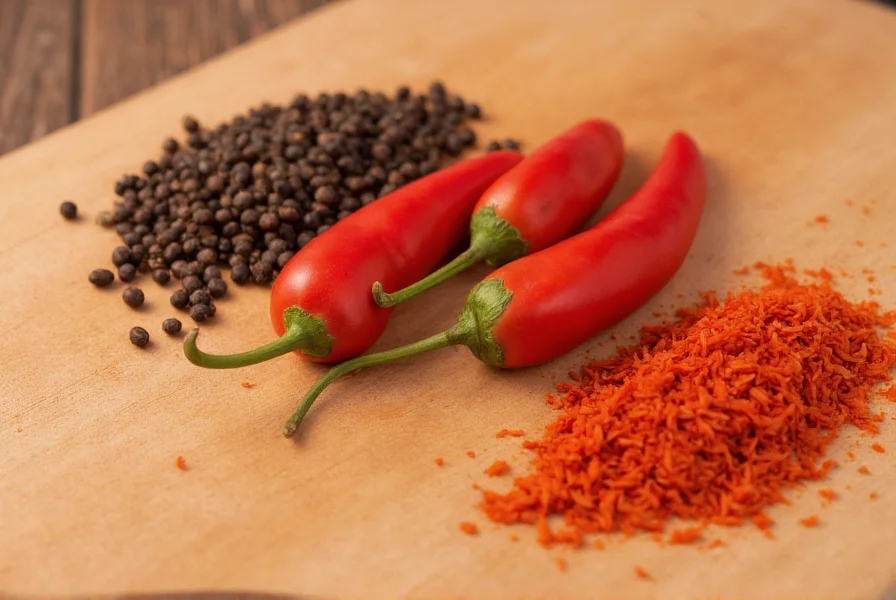
When to Reach for Which Jar
Grab Black Pepper When...
- You're seasoning eggs or roasted veggies (it enhances without dominating)
- Building foundational flavors in creamy sauces (béchamel, alfredo)
- Want subtle warmth in salad dressings or marinades
Reach for Cayenne Only When...
- You're making Creole or Cajun dishes (gumbo, jambalaya per Bonnie Plants)
- Need serious heat in chili or hot sauce (it's the prime ingredient)
- Adding a kick to bold marinades for meats like brisket
Avoid Cayenne In...
- Creamy sauces (it'll separate and burn due to high capsaicin)
- Delicate fish or poultry dishes (overpowers subtle flavors)
- Anything where heat should be background, not front-and-center
Spotting Quality Spices: What Most Guides Miss
Here's the thing nobody tells you: freshness matters way more for cayenne. Black pepper stays decent for 2-3 years, but cayenne loses its punch fast. Check the jar—good cayenne powder should be vibrant red, not dull orange. And smell it! If it doesn't make your nose tingle slightly, it's dead. Pro tip: Buy whole cayenne peppers and grind them yourself for maximum flavor. For black pepper, whole peppercorns beat pre-ground every time—they retain 30% more essential oils according to spice traders I've worked with.
FAQ: Your Burning Questions Answered
Everything You Need to Know
Not without major adjustments. Cayenne is 30-500 times hotter than black pepper. If a recipe calls for 1 tsp black pepper, using even 1/8 tsp cayenne could overwhelm the dish. For mild heat substitution, try white pepper instead—it's closer in intensity.
Both have unique benefits. Black pepper contains piperine, which boosts nutrient absorption. Cayenne is packed with vitamins A, C, and E—just 1 tsp provides 44% of your daily vitamin A needs per Soupersage. But cayenne's heat can irritate sensitive stomachs, so moderation is key.
Keep them cool, dark, and dry. Black pepper lasts 2-3 years in an airtight container away from light. Cayenne degrades faster—use within 6 months for best flavor. Never store near the stove; heat kills potency. And for god's sake, label your jars clearly to avoid mix-ups!
It's about capsaicin distribution. Cayenne's heat hits your tongue faster and lingers longer than milder peppers. While jalapeños (2,500-8,000 SHU) feel hotter initially, cayenne's consistent burn across 30,000-50,000 SHU makes it feel more intense in cooking—especially in slow-cooked dishes where capsaicin releases gradually.
Absolutely—and it's easier than you think. Cayenne plants thrive in containers with 6+ hours of sun. Start seeds indoors 8 weeks before last frost. Harvest when peppers turn bright red and feel firm. Dry them on a rack for 2 weeks, then grind. Just remember: one plant yields 20-30 peppers, so don't overplant unless you love heat!
More Articles
 How to Grow Saffron (Kesar): Practical Home Guide
 Old Fashioned Ham and Bean Soup: Authentic Recipe & Pro Tips
 Orange Cinnamon Rolls: Citrus-Infused Dough Guide
 Healthy Chicken Noodle Soup Recipe: Nutrition-Focused Guide
 Indian Cuisine Recipes: Authentic Home Cooking (2026)
 Why Your Spices Lose Flavor (And How to Fix It Fast)
 Cumin Rice: Foolproof Guide to Perfect Jeera Rice Every Time
 Perfect Tomato Soup Pairings for Grilled Cheese
 Vegetable Soup Recipe: Simple, Nutritious & Foolproof Guide
 Oven Veggies: Roasting Guide for Better Flavor & Nutrition