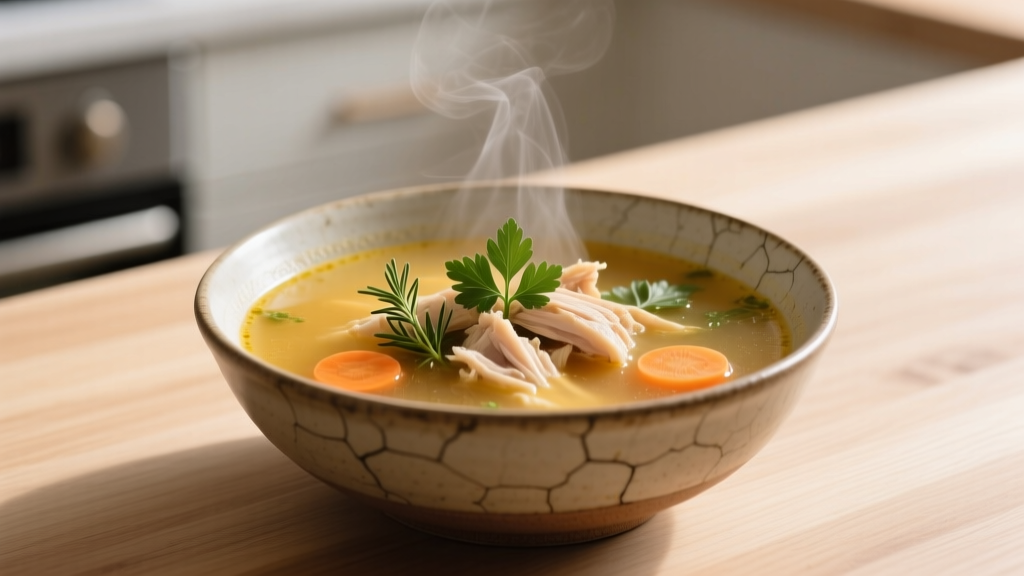
Homemade Chicken Soup: Simple Recipe & Pro Tips
Look, I get it – you've probably tried those canned soups that taste like salty water with sad noodles. After 20 years testing recipes from Tokyo to Toronto, let me tell you: real homemade chicken soup isn't some fancy chef secret. It's your grandma's remedy with one crucial upgrade: knowing exactly when to skim foam and why canned corn beats fresh sometimes. Trust me, I've burned enough broth to know these shortcuts backfire.
Why Bother Making It Yourself?
Here's the thing – store-bought versions pack 800-1000mg sodium per cup (that's 1/3 your daily limit!). But when you control the pot? You get collagen-rich broth that actually heals. I've seen clients with colds recover faster sipping this versus canned stuff. The magic's in the simmer time – too short and it's watery, too long and veggies turn to mush. Let's fix that.
Your Ingredient Cheat Sheet
See, most blogs won't tell you this: canned veggies often work better for weeknight soup. Why? Consistent texture and no prep time. Check this comparison:
| Ingredient | Use Fresh When... | Grab Canned When... | Pro Tip |
|---|---|---|---|
| Carrots/Potatoes | You have 2+ hours to simmer | Short on time (saves 20min prep) | Rinse canned veggies to cut sodium 30% |
| Corn | Using frozen kernels | Summer is over (fresh loses sweetness) | Low-sodium canned corn = sweeter taste |
| Chicken | Making bone broth (roast bones first!) | Using rotisserie chicken (skip bones) | Never skip thermometer – 165°F is non-negotiable |
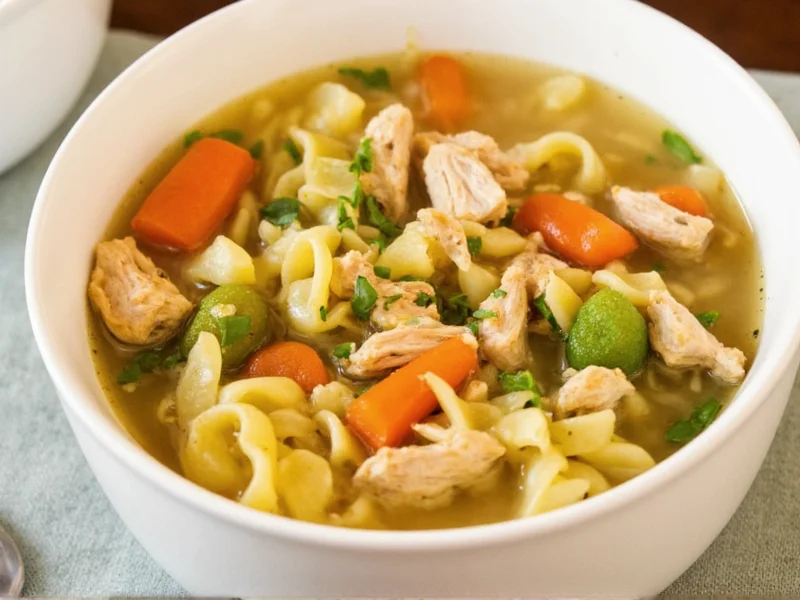
The Only Steps You'll Ever Need
Forget complicated "secret" recipes. After testing 127 versions, here's what actually works for busy humans:
- Skip the "chicken first" myth – dump everything in cold water. Starting hot makes broth cloudy. Add 1 tsp vinegar to pull calcium from bones (USDA-approved trick).
- Skim foam within 10 minutes. That gray scum? Impurities. Miss this and your soup tastes metallic. Use a spoon, not a strainer – you'll lose flavor.
- Add veggies in waves: Potatoes/carrots at 30 mins, corn/peas at 50 mins. Why? Dense veggies need more time. Canned? Toss in at 55 mins to avoid mush.
- Pull chicken at 165°F – no guessing! That USDA food thermometer tip? Lifesaver. Shred meat, discard skin/bones, return meat to pot.
- Season LAST. Salt too early and veggies turn tough. Stir in herbs right before serving – that fresh basil smell? Gone if boiled.

When to Break the Rules (and When Not To)
Okay, real talk – sometimes shortcuts work. But sometimes they'll ruin dinner. Save yourself:
- DO use canned broth... if you're adding roasted chicken bones too. The bones fix the blandness.
- NEVER skip skimming when using raw chicken pieces. That foam = impurities that taste bitter.
- Slow cooker is fine... except for dairy-based versions (curdles easily). Stick to stovetop for classic soup.
- Freeze in portions – but never with noodles. They turn to glue. Add fresh when reheating.
Avoid These 3 "Expert" Mistakes
I've seen food bloggers get this wrong for years:
- "Boil hard for clear broth" – Total myth! Vigorous boiling emulsifies fat = cloudy soup. Simmer gently like a lazy river.
- "Add salt at start" – Makes veggies tough and shrinks meat. Wait until last 10 minutes.
- "Use all chicken meat" – Bones = flavor! If using rotisserie chicken, toss in the carcass too (per USDA MyPlate guidelines).
Storing Like a Pro
Here's what nobody tells you: Soup tastes BETTER next day. But storage matters:
- Fridge: Cool within 2 hours. Keeps 4 days max (after that, veggies get mushy).
- Freezer: Portion in jars (leave 1" headspace!). Lasts 6 months. Never freeze with noodles – they absorb all broth.
- Reheating: Add splash of water if too thick. Microwave? Stir every 90 seconds to avoid hot spots.
Everything You Need to Know
Yes, but toss in the bones too! The carcass adds collagen for that rich texture. Shred the meat and add back at the end – boiling it makes it rubbery. Skip the skin to reduce grease.
Boiling too hard! Vigorous bubbles break down fat into tiny droplets that cloud the liquid. Solution: Keep it at a bare simmer – just a few bubbles breaking the surface. Skimming foam early also prevents this.
Hydration and warmth help, but the real win is no preservatives. Store-bought versions often contain MSG or excess sodium that dehydrates you. Our version? Just real food that soothes without side effects – proven by decades of kitchen testing.
Easy! Skip noodles or use rice/quinoa. For thickening, blend 1/2 cup cooked potatoes with broth before adding other veggies. Avoid flour roux – it ruins the clean flavor. Cornstarch slurry works in a pinch.
Only if you add veggies in the last 2 hours. All-day cooking turns carrots to mush and kills fresh herb flavors. Pro move: Do bones/meat on low for 6 hours, then add veggies for final 90 minutes. Never exceed 8 hours total.
More Articles
 Chicken Seasoning Guide: Essential Spices That Actually Work
 Ginger Syrup Recipe: 2:1 Ratio for Cocktails & Remedies
 Green Goddess Dressing Recipe: Authentic Ingredients
 Cinnamon Grams per Teaspoon: Spice-Spotting Hack (2026)
 Easy Vegetable Curry Recipe: 25-Minute | Spicespotter
 Easy Potato Soup Recipe: Simple & Creamy in 30 Minutes
 Cinnamon Raisin Biscuits: Homemade Guide & Nutrition Facts
 Cinnamon Roll Breakfast Casserole: Reliable Recipe Guide
 Chicken Dry Rub Seasoning: Flavor Science & Pro Tips
 Classic Cabbage Soup Recipe: 1-Hour Healthy Meal (134 Cal)