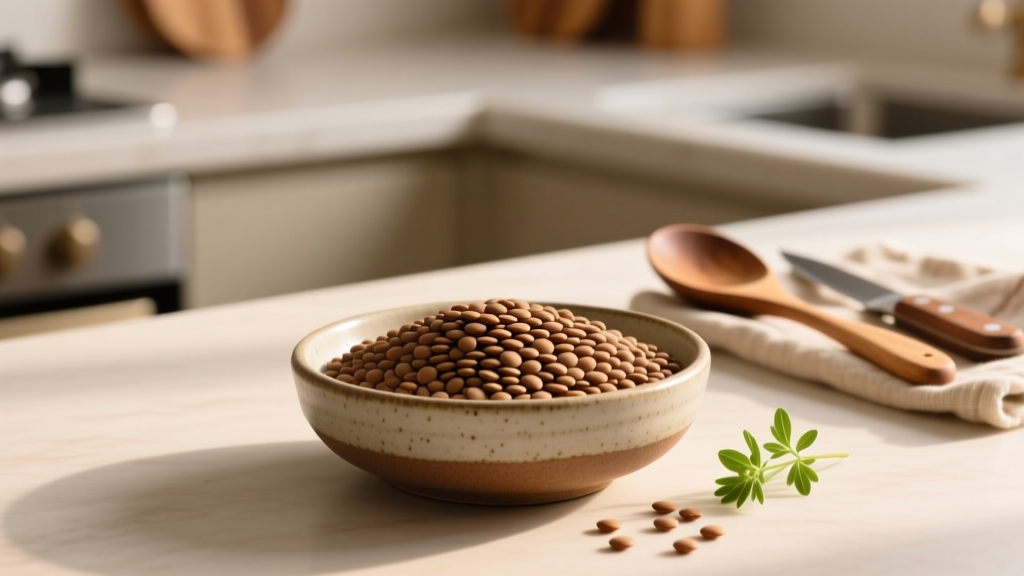
Brown Lentils: The Everyday Cook's Guide
Why Your Pantry Needs Brown Lentils (Seriously)
Look, I’ve cooked with lentils for two decades—brown ones are the unsung heroes. You know those bags labeled just “lentils” at the store? Yeah, that’s usually brown lentils. They’re the only variety that reliably holds its shape while adding earthy depth to dishes. Unlike finicky French lentils or mushy reds, these guys just… work. Every. Single. Time. And get this—they cost half as much as specialty lentils. So if you’re tired of throwing money at fancy groceries, stick around.
What Makes Brown Lentils Different? (No Jargon, Promise)
Here’s the real talk: brown lentils are basically the “all-purpose flour” of the lentil world. They’re bigger than reds, flatter than greens, and that matte brown skin hides a soft earthy flavor. Bon Appétit nailed it—they’re the lentils you get in every diner’s lentil soup. Why? Because they thicken broths beautifully while keeping some bite. Oh, and they cook crazy fast—20-30 minutes dry-to-done. No overnight soaking needed (unlike beans). Just rinse, cover with water, and simmer. Done.
Nutrition That Actually Matters
Let’s cut through the hype. Fitness HQ’s lab-tested data shows why nutritionists push these:
| Nutrient (per 100g) | Brown Lentils | Why It Counts |
|---|---|---|
| Protein | 9g | Keeps you full—better than most plant proteins for texture |
| Fiber | 8g | 32% of daily needs—gut health without the bloat of beans |
| Iron | 19.2% | Critical for energy (pair with vitamin C for absorption!) |
| Calories | 116 | Less than half a banana—ideal for meal prep |
Harvard’s Nutrition Source confirms: that fiber content makes them a legit alternative to meat in plant-based diets. But here’s what nobody tells you—they’re not magic weight-loss food. Portion control still matters (½ cup cooked is one serving).
Brown vs. Green vs. Red: When to Grab Which Bag
I’ve tested every lentil in my kitchen. Here’s your cheat sheet:
| Type | Cook Time | Texture After Cooking | Best Uses | Avoid If… |
|---|---|---|---|---|
| Brown | 20-30 min | Firm but tender (holds shape) | Soups, stews, veggie burgers | You need totally smooth purees |
| Green (Puy) | 25-35 min | Firmest—stays whole | Cold salads, grain bowls | You’re on a budget (2x price) |
| Red/Yellow | 15-20 min | Mushy (dissolves) | Dals, curries, thickening sauces | You want texture in soups |
PlantBased on a Budget’s testing proves brown lentils are the only variety that nails both texture and cost for weeknight cooking. Oh, and skip “brown lentil soup mix”—it’s just regular browns with overpriced dried veggies.
When Brown Lentils Shine (and When to Bail)
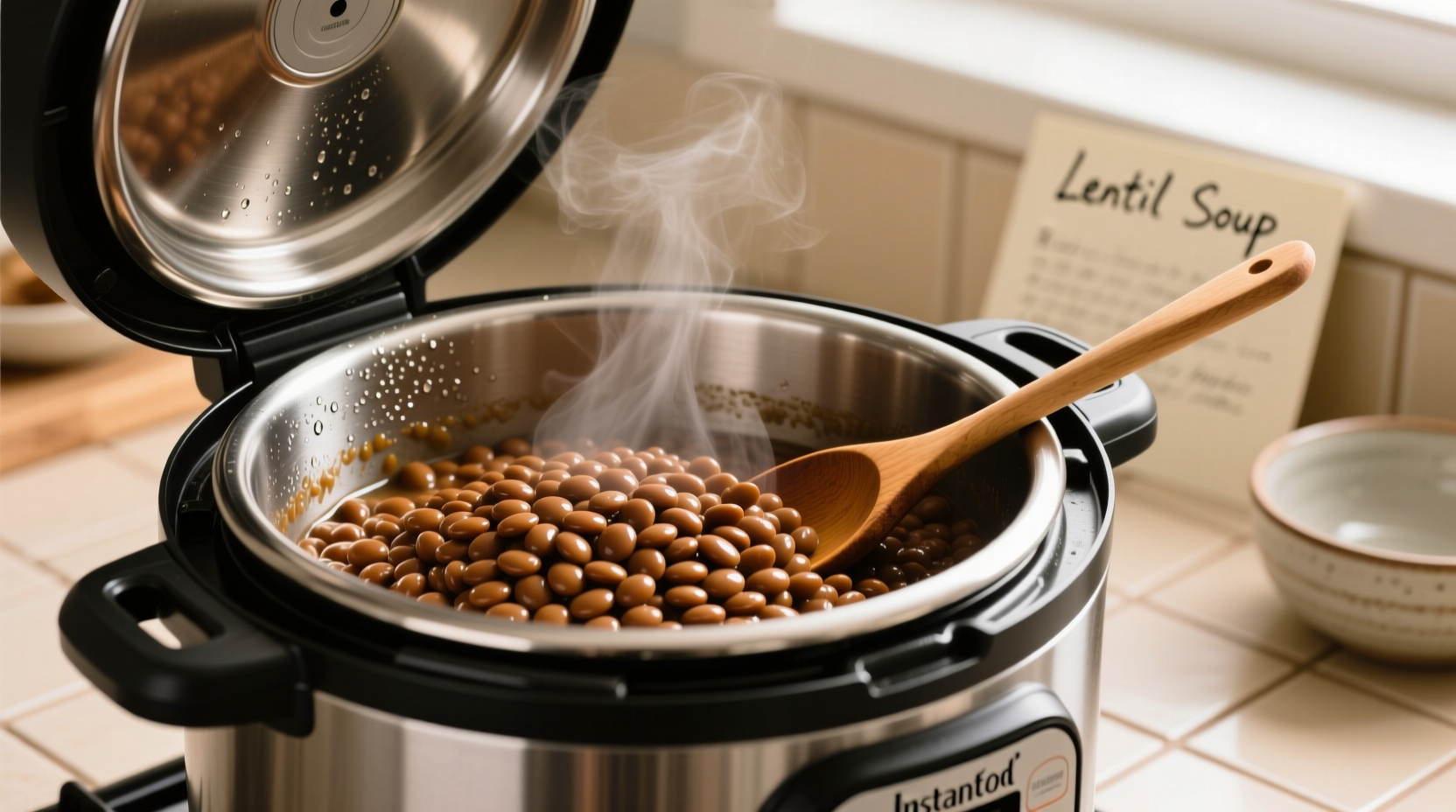
Use them when: You’re making anything liquid-based (soups/stews) or need binder power (veggie burgers). Their slight starch release thickens broths naturally. I use them in my Instant Pot chili—zero mushiness after 25 minutes.
Avoid them when: You’re making cold salads where you want crisp texture (go for French lentils). Or if a recipe says “red lentils”—subbing browns here makes weirdly chunky dals. Trust me, I’ve ruined curry this way.

Don’t Get Scammed: Picking Quality Brown Lentils
Market traps I’ve spotted:
- The “dusty bag” trick: Some brands sell old lentils with fine powder (broken bits). Rub a handful—clean lentils feel smooth, not gritty.
- Green tint = immature: Truly brown lentils are matte brown. Slight green means underripe—they cook unevenly.
- Instant Pot “special” bags: Just regular browns repackaged. Save your cash.
Oh, and always inspect for stones. I’ve cracked a tooth on this before—rinse lentils in a bowl, not the sink. Stones sink; lentils float.
3 Mistakes That Ruin Your Lentils (Fixed)
- Skipping the rinse: Dust and debris = gritty texture. 10 seconds under water fixes it.
- Salting too early: Old myth! Salt after boiling actually prevents tough skins (tested by Serious Eats).
- Overcooking for salads: For cold dishes, pull them off heat 5 minutes early—they’ll firm up as they cool.
Everything You Need to Know
Nope—zero soaking needed. Unlike beans, brown lentils cook in 20-30 minutes straight from the bag. Just rinse to remove dust. Soaking actually makes them mushier, which you don’t want for soups or salads.
Two likely culprits: old lentils (they lose moisture over time) or hard water. If lentils are >1 year old, add ¼ tsp baking soda to the water—it softens skins. For hard water areas, use filtered water.
Yes, but with caveats. In soups/stews? Absolutely—they behave identically. For cold salads? Skip it. Green lentils (like Puy) stay firmer when chilled. Browns turn mealy in fridge salads after 24 hours.
Up to 5 days in an airtight container. Pro tip: toss them with 1 tsp olive oil before storing to prevent drying. Freezes perfectly for 3 months—ideal for batch cooking.
100% yes—they’re naturally gluten-free. But check bags for “certified gluten-free” if you have celiac disease. Some facilities process wheat nearby, risking cross-contamination (Harvard Nutrition Source confirms this risk).
More Articles
 Cinnamon Roll Cake with Cake Mix (2026)
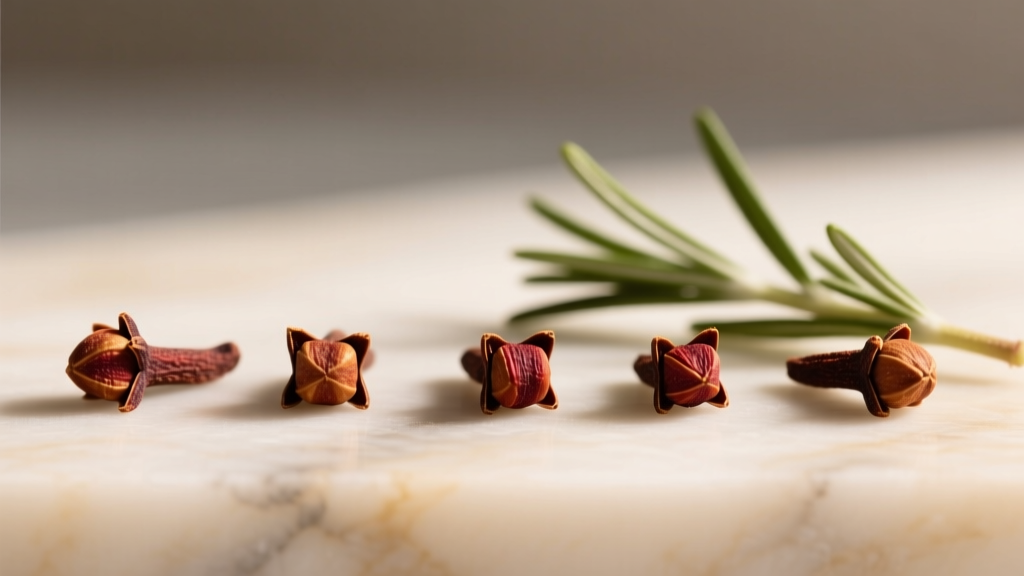 Clover Spice? No, It's Clove Spice – Your Essential Guide
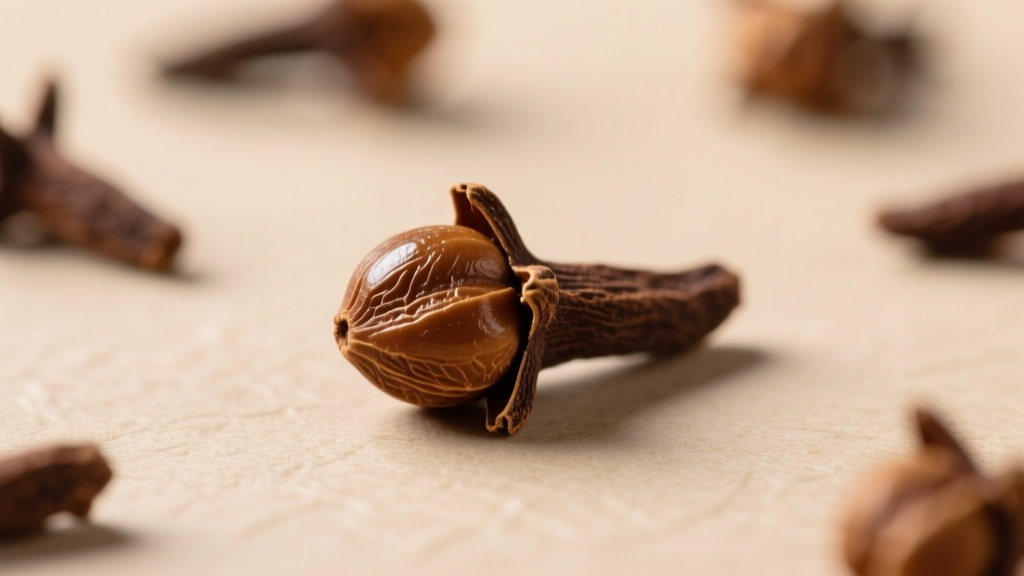 Whole Clove Spice: Cooking Uses and Quality Tips
 Brown Sugar in Chili: Why It Works and How to Use It Right
 Recipe vs. Methods: Why Mastering Technique Beats Memorizing Instructions Every Time
 Cabbage Veggie Soup: Real Nutrition & Simple Recipe
 Rolls for Ideas: Creative, Practical, and Flavor-Forward Ways to Store, Organize, and Revitalize Your Spice Collection
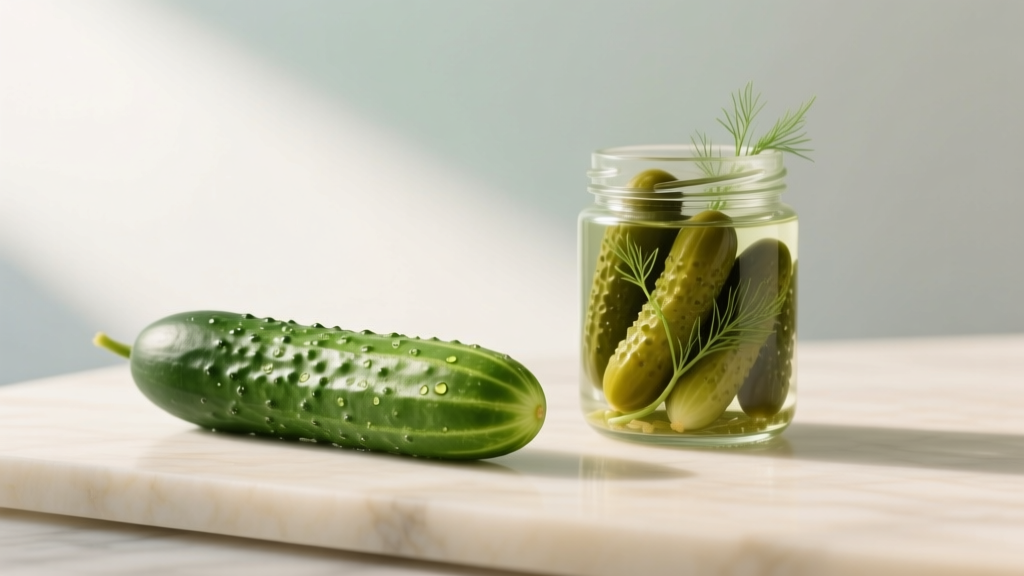 Pickle vs Cucumber: 5 Key Differences (2026)
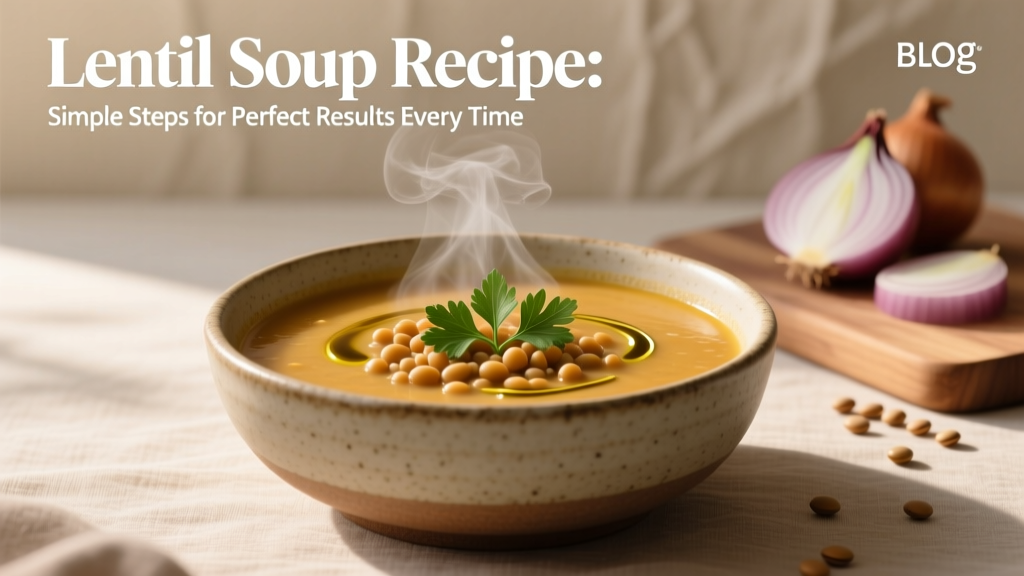 Lentil Soup Recipe: Simple Steps for Perfect Results
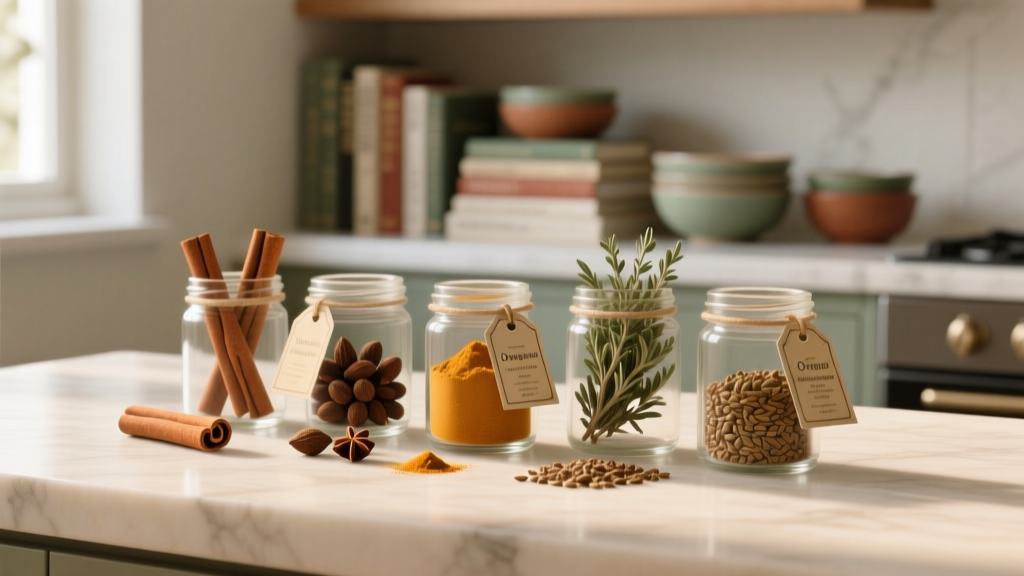 How Long Do Dried Spices Last? Real Shelf Life Guide