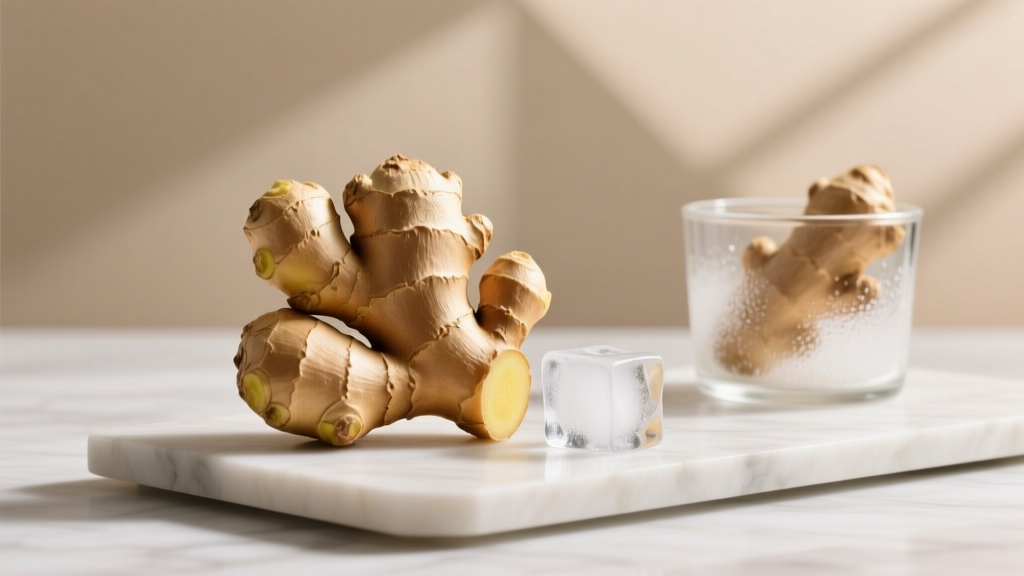
Ginger Root Refrigeration: When to Chill and When Not To
Why We All Get Ginger Storage Wrong
Look, I've wasted more ginger than I care to admit—back in my early chef days, I'd toss moldy knobs weekly. You probably do the same: shoving that gnarly root straight into the fridge 'cause, well, everything goes in there, right? But here's the kicker: ginger's totally fine chilling on your counter like a relaxed herb. Honestly, refrigerating it raw is like forcing a tropical plant into a snowstorm—it freaks out. Let's unpack why.
The Room Temp Reality Check
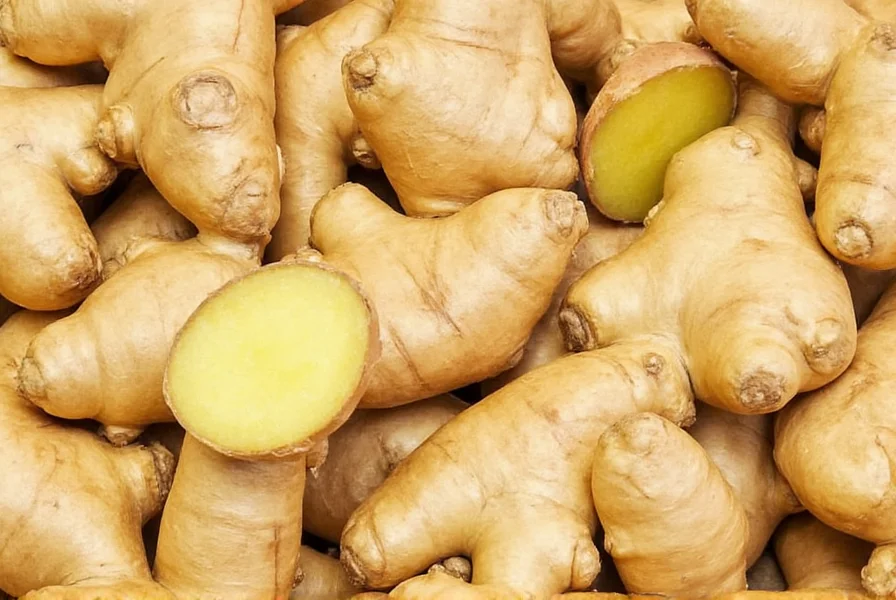
See, ginger's built tough. Its papery skin shields it from drying out, almost like nature's cling wrap. Tasting Table confirms it laughs at room temp for 5-7 days if kept dark and cool (think pantry, not next to your stove). I stash mine in a ceramic bowl—it breathes better than plastic. Pro move? Never peel it early. That skin's flavor armor. Once you nick it, moisture escapes, and boom: sad, shriveled ginger by day three.
| Storage Method | Freshness Window | Texture Risk | When to Use |
|---|---|---|---|
| Room temperature (unpeeled) | 5-7 days | None if stored properly | Daily cooking, using within a week |
| Refrigerator (with paper towel + container) | 2-4 weeks | Mild softening after 3 weeks | Buying in bulk, infrequent use |
| Freezer (whole or grated) | 6+ months | None—stays firm | Long-term stash, smoothie lovers |
| Refrigerator (no moisture control) | 3-5 days | Mushy, mold-prone | Avoid entirely—trust me |
When Fridging Makes Sense (and When It Backfires)
Okay, real talk: refrigeration isn't evil—it's just picky. If you bought a giant ginger root for holiday cooking and won't finish it soon? Yeah, fridge it. But only if you wrap it in a dry paper towel (absorbs humidity) and tuck it into a sealed container. Fully Healthy's tests prove this buys you 3 extra weeks versus leaving it loose. That said, if you cook with ginger daily? Skip the fridge. Room temp keeps it snappier for grating. I learned this the hard way when my 'fridge-fresh' ginger turned soggy mid-stir-fry.
Your Action Plan: Stop Guessing, Start Storing
Here’s my no-BS flowchart after 20 years of testing:
- Using within 7 days? → Counter storage, skin on, dark spot. Done.
- Storing 1-4 weeks? → Wrap in dry paper towel, seal in container, crisper drawer. Check weekly for dampness.
- Long-term hoarding? → Freeze it! Wash, dry, bag whole roots. Grate frozen straight into dishes—Red Fire Farm swears it lasts 6 months without flavor loss.
Oh, and ditch the 'submerged in water' hack. America's Test Kitchen found it turns ginger to mush thanks to enzyme breakdown. Vodka soaking works (alcohol blocks enzymes), but freezing’s simpler.
3 Costly Mistakes Even Foodies Make
Let's clear the air on myths:
- "Refrigerate immediately for max freshness" → Nope. Cold temps accelerate starch conversion, making ginger fibrous. Room temp preserves texture.
- "Peel before storing to save time" → Big mistake. Skin is ginger's moisture barrier. Peel only when cooking.
- "Moldy spots? Just cut them off" → Don't risk it. Mold roots penetrate deep; toss the whole piece.
And heads-up: if your ginger smells sour or feels slimy? That's spoilage. Toss it—no second chances.
Everything You Need to Know
Only if done right—wrap it in a dry paper towel first and use an airtight container. Plain refrigeration traps humidity, causing mold in days. Foodal's research shows unpeeled ginger lasts longer at room temp (1 week) versus poorly stored in the fridge (3-5 days).
Absolutely—and it's my go-to. Wash whole roots, dry thoroughly, and freeze in a bag. Grate straight from frozen into stir-fries or smoothies. Red Fire Farm confirms this preserves flavor for 6+ months with zero texture issues. Way better than fridge storage for long hauls.
Moisture buildup—plain refrigeration creates condensation inside containers. Always add a dry paper towel to absorb excess water, and never store ginger near high-moisture produce like cucumbers. If it's already slimy? Toss it; that's bacterial growth you can't salvage.
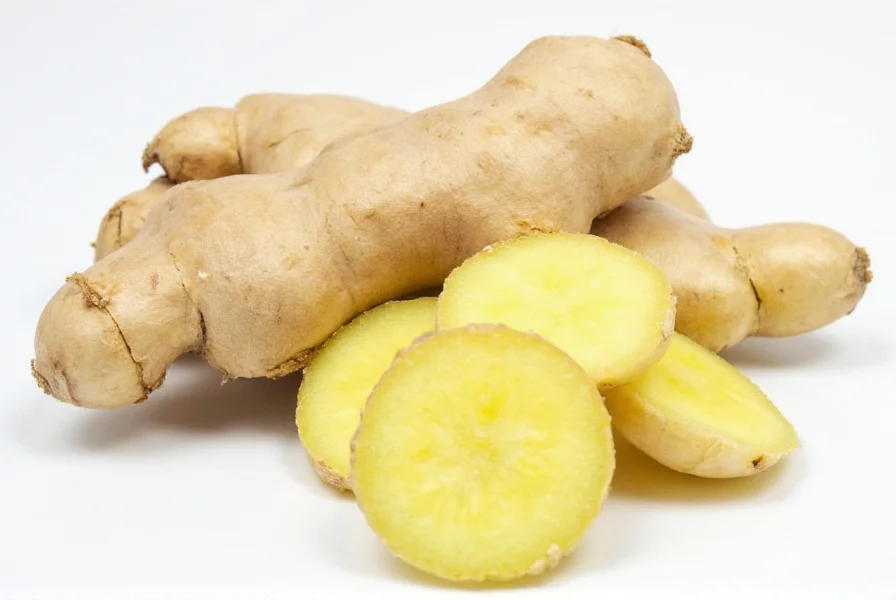
Fresh ginger should feel firm and smell spicy-bright. Pass on roots that are wrinkled, soft, or have dark spots—those indicate age or mold. Give it a gentle squeeze; if it yields like clay, it's done. When in doubt, smell it: sour or musty odors mean spoilage.
Yes, if stored properly (cool, dark place, unpeeled). Tasting Table notes ginger's low moisture content prevents rapid bacterial growth at room temp for up to a week. Just keep it away from heat sources that could accelerate decay.
More Articles
 Dark Chocolate vs Cocoa Powder: When to Use Which
 Indian Soup Recipes: Simple Steps & Cultural Tips
 Chicken & Bell Pepper Stir-Fry: Easy 2026 Recipe
 Turkish Köfte: Authentic Guide to Meatballs & Spices
 Spicy Lentil Soup: Protein-Packed & Ready in 45 Minutes
 Cheesy Potato Soup Crock Pot: Simple Slow Cooker Guide
 Pork Chop Grill Seasoning: No-Burn Formula & Pro Tips
 Rice and Spinach: Nutritious Pairing for Meals
 Life for Powder: Science-Backed Spice Storage Hacks That Extend Shelf Life by 200%+
 Ina Garten Lentil Stew: Recipe Guide & Tips