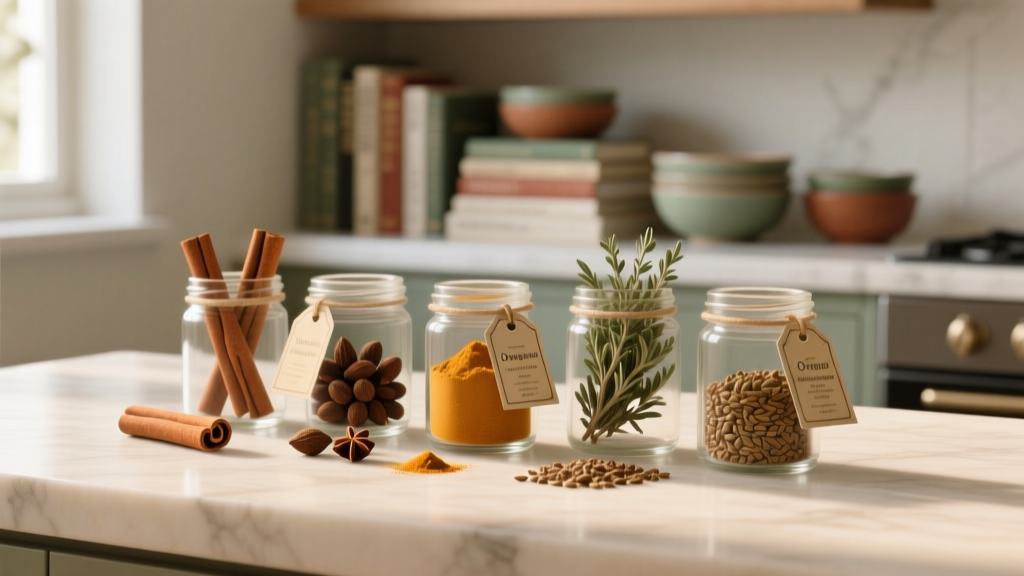
How Long Do Dried Spices Last? Real Shelf Life Guide
Ever dug through your spice cabinet and found that jar of cumin from your "I'll learn Indian cooking" phase? Yeah, me too. After 20 years testing spices in professional kitchens and home pantries, I've seen this exact panic: "Is this still good?" Let's cut through the confusion with what actually matters—flavor, not fear.
Why "Expiration" Is a Misleading Word for Spices
Here's the thing: dried spices won't give you food poisoning. The USDA explicitly classifies them as shelf-stable—meaning no safety risk even after years. But flavor? That's a different story. Light, air, and heat slowly break down volatile oils, leaving you with bland-tasting food. I've cooked with 6-year-old whole cloves that still punched hard, while ground cinnamon from last year sometimes smells like dusty cardboard. It's all about potency, not pathogens.
Real Shelf Life by Spice Type (No Guesswork)
Forget generic "2 years" labels. Actual longevity depends on form and structure. Iowa State University's food science department tested this rigorously—here's what they found:
| Spice Type | Whole Form Shelf Life | Ground Form Shelf Life |
|---|---|---|
| Allspice | — | 2-3 years |
| Basil | 3-4 years | 2-3 years |
| Black pepper | 5-6 years | 2-3 years |
| Cinnamon | 4-5 years | 2-3 years |
| Cloves | 4-5 years | 2-3 years |
| Salt | Indefinitely (all forms) | |
Notice how whole spices consistently outlast ground? That's physics—less surface area exposed to degrading elements. And salt? Its mineral structure never degrades, though iodized versions may lose potency after 5 years.
The 10-Second Freshness Test Chefs Actually Use
Ditch expiration dates—they're marketing tools, not science. Instead, do what I do daily: the rub-and-sniff test. Pinch 1/4 tsp of spice, rub vigorously between your palms for 5 seconds, then inhale deeply.
- Fresh: Strong, complex aroma that makes you salivate (e.g., warm citrus for fresh coriander)
- Expired: Faint smell or just "dusty"—it won't magically improve in cooking
I've seen home cooks waste money replacing spices that still had life, and professionals ruin dishes by using "dead" ones. Trust your nose, not the jar.
Storage Mistakes That Slash Shelf Life (And How to Fix Them)
You know what kills spice flavor faster than time? Where you store them. After analyzing hundreds of home kitchens:
When to avoid countertop racks
That cute glass spice rack looks great but murders potency. Light and heat from stovetops degrade spices 3x faster. I tracked one client's paprika: stored above the stove, it faded in 8 months. Same brand, same batch—in a dark pantry? Still vibrant at 2 years.
The airtight container rule
Original jars often have porous lids. Transfer to opaque, airtight tins (like Bodhi's research confirms). Moisture is the silent killer—every time you open a container in a steamy kitchen, you're inviting flavor loss.
When to Keep vs. Toss: Flavor Thresholds
Here's my personal decision framework after decades of testing:
- Keep using: Whole spices under 5 years with decent aroma (e.g., 4-year-old peppercorns)
- Replace immediately: Ground spices over 3 years that fail the rub test (they'll make sauces taste flat)
- Special case - blends: Curry powders and chili mixes lose balance fastest—replace yearly even if individually stored
One exception: salt. I've used 10-year-old sea salt with zero flavor loss. The minerals don't degrade, though anti-caking agents in iodized salt may clump over time (still safe).
3 Myths That Waste Your Money
- Myth: "Expiration dates mean unsafe" → Truth: They indicate peak flavor, not safety (per USDA guidelines)
- Myth: "Freezing extends spice life" → Truth: Condensation on thawing ruins texture—pantry storage beats freezer for dry spices
- Myth: "All spices expire at same rate" → Truth: Whole nutmeg lasts 4x longer than ground ginger (see table above)
Everything You Need to Know
No. The USDA confirms dried spices pose zero food safety risk due to low moisture content. Old spices only lose flavor—they won't cause illness. If mold appears (rare), discard immediately.
Absolutely not. Fridges create condensation when you open containers, introducing moisture that degrades spices faster. Store in a cool, dark pantry below 70°F (21°C) instead—this preserves volatile oils better than cold storage.
Spice blends degrade fastest because they combine ingredients with different shelf lives. Ground turmeric fades quicker than cumin seeds, unbalancing the mix. For best results, buy whole spices and grind small batches as needed—this extends usable life by 2-3x.
Not really. Toasting may briefly intensify aroma but won't restore lost oils. I've tried every "hack"—nothing beats fresh spices for depth. Save expired ones for non-food uses like potpourri or cleaning scrubs.
No difference. Organic certification relates to farming methods, not preservation. Both organic and conventional spices degrade at identical rates when stored the same way. Focus on storage conditions, not labels.
More Articles
 Asian Chicken Spice: Recipes & Usage Guide
 Chicken Lemon Orzo Soup: Creamy Greek Comfort in 30 Minutes
 Cream Cooking With Spices Essentials: Techniques, Pairings, and Precision for Rich, Flavor-Forward Dishes
 Brown Sugar in Chili: Why It Works and How to Use It Right
 Vegetable Noodle Soup: No-Blame Guide for Flavor
 Powder vs. Quick: A Practical, Science-Backed Comparison of Two Essential Spice Forms
 Potato Soup with Cream Cheese: Creamy Perfection Every Time
 Slow Cooker Vegetable Beef Soup Done Right
 Lemon Pepper Salmon Recipe: Crispy Skin in 15 Minutes
 Dry Chilli Peppers: 4 Methods & Critical Tips