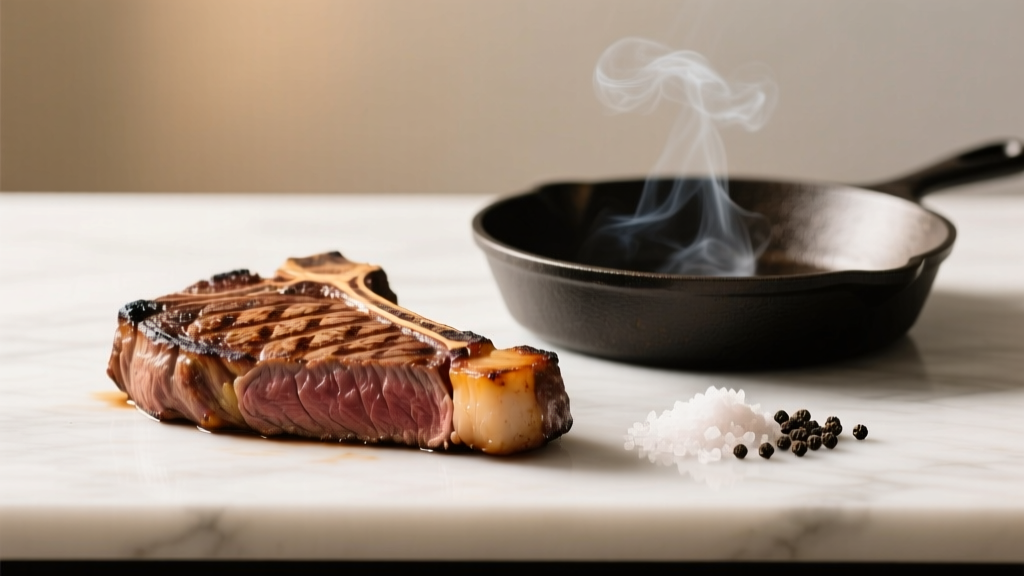
How to Season Steaks Right: Simple Proven Steps
Why Your Steak Tastes Bland (And How to Fix It)
Let's be real—you've probably tossed salt on a steak last-minute and wondered why it's still flavorless. I've been there too, back when I first started cooking professionally 20 years ago. The truth? Most home cooks under-season or mess up the timing. Salt isn't just for taste; it actually breaks down proteins for juicier results. But get it wrong, and you'll end up with a salty crust or dry meat. Honestly, it's simpler than you think—just three things matter: what salt you use, when you apply it, and how much.
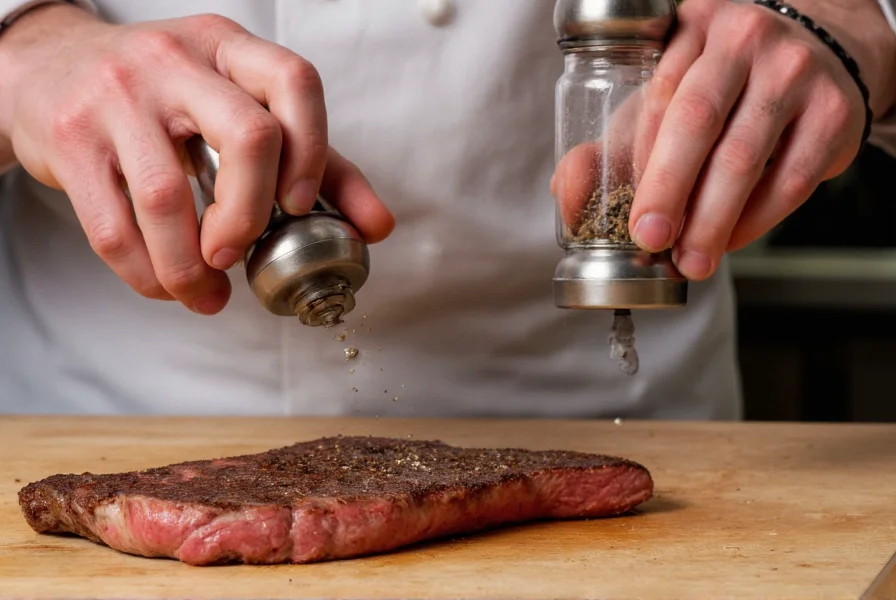
Salt and Pepper: The Only Duo You Need
Look, I get it—you see fancy steak rubs everywhere. But for 95% of home cooks, keep it simple. As America's Test Kitchen confirms, kosher salt and freshly cracked pepper enhance natural beef flavors without masking them. Save the garlic powder or rosemary for cheaper cuts; high-quality steaks like ribeye or Wagyu shine with just salt. Why? Because overcomplicating it distracts from what you're actually eating: beef. Trust me, after tasting hundreds of steaks, I've learned restraint wins every time.
| Salt Type | Why It Works | When to Avoid |
|---|---|---|
| Coarse Kosher (Diamond Crystal) | Large crystals dissolve slowly for even flavor; 25% less sodium than table salt per volume | Never use for last-minute seasoning—it needs time to penetrate |
| Sea Salt Flakes | Pretty crunch; good for finishing after cooking | Avoid pre-cooking—dissolves too fast causing uneven saltiness |
| Table Salt | Readily available | Never use—tiny grains oversalt meat (per Tasting Table's research) |
Timing and Technique: The Game Changers
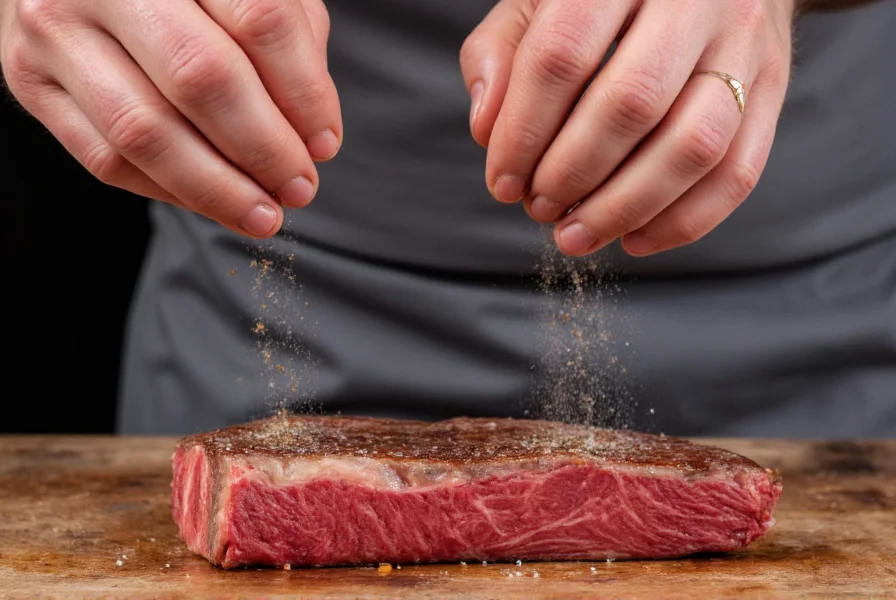
Here's where most folks trip up. You know that advice to season right before cooking? Wrong. Pull steaks from the fridge 30-60 minutes early—this isn't just for temperature. As Plum Creek Wagyu explains, salting during this window lets salt migrate into the meat, pulling out moisture that then reabsorbs seasoned juices. Skip this, and you're just salting the surface. Now, the pro trick: hold your hand 12 inches above the steak when sprinkling. Why? America's Test Kitchen proved it creates wider coverage—like snowfall—so you avoid salty patches. Seriously, try it once and you'll never go back.
When to Break the Rules (Safely)
Okay, I won't lie—sometimes you can get creative. If you're cooking a tougher cut like flank steak, a light garlic-herb rub works. But here's the boundary: never add sugar-based rubs before searing (they burn), and avoid acidic ingredients like lemon juice pre-cook—they 'cook' the surface prematurely. For Wagyu? Stick to salt. Its marbling means extra flavors compete, not complement. And listen, if your steak's frozen, don't bother seasoning—it won't stick. Thaw first, always.
3 Mistakes That Ruin Your Steak
- Oversalting: Stick to 1 tablespoon per pound max (Tasting Table's golden ratio). More isn't better—it draws out too much moisture.
- Neglecting the sides: That edge is 20% of your steak! Rub salt gently into vertical surfaces.
- Skipping the pat-down: Always dry steaks with paper towels first. Wet meat = steamed steak, not seared.
Everything You Need to Know
Table salt's fine grains dissolve too quickly, creating uneven salty patches and drawing out excessive moisture. As Tasting Table details, this often results in a dry, overly salty crust. Coarse kosher salt gives you control—it penetrates gradually for balanced flavor.
For best results, rest salted steaks at room temperature for 30-60 minutes. This allows salt to migrate into the meat, enhancing tenderness and flavor absorption. Per Mr. Steak's guidelines, shorter rests (under 30 mins) only season the surface, while longer than 60 minutes risks the meat drying out in humid climates.
Absolutely—but timing is key. Add fresh herbs like rosemary after searing, or rub garlic cloves on the cooked steak. As Plum Creek Wagyu advises, avoid pre-cook garlic powder on premium cuts; it burns easily and masks beef's natural flavor. For tougher steaks, use ½ teaspoon max per pound.
No—this is a common misconception. Oiling creates a barrier that prevents salt from adhering properly. Instead, pat steaks dry first (as McCormick's method confirms), then season directly. Add oil to your pan before cooking for better searing. Trust me, I've tested both ways: dry seasoning = crispier crust every time.
More Articles
 Simple Veggie Noodle Soup Recipe for Busy Nights
 Authentic New Mexican Recipes: Culture, Chiles & Key Dishes
 How to Revive Old, Stale Spices: 5 Tricks to Bring Back Flavor
 Rosemary and Pepper: Flavor Pairing Science
 Best Potatoes for Soup: Waxy Varieties Hold Shape
 Green Goddess Dressing Recipe: Authentic Ingredients
 Cream of Chicken Soup: Crock Pot Method (2026)
 Brown Sugar in Chili: Why It Works and How to Use It Right
 Minutes-Long Spice Storage Mistakes That Sabotage Flavor (and How to Fix Them)
 Honey Chipotle Wings: Oven Recipe Without Burnt Glaze