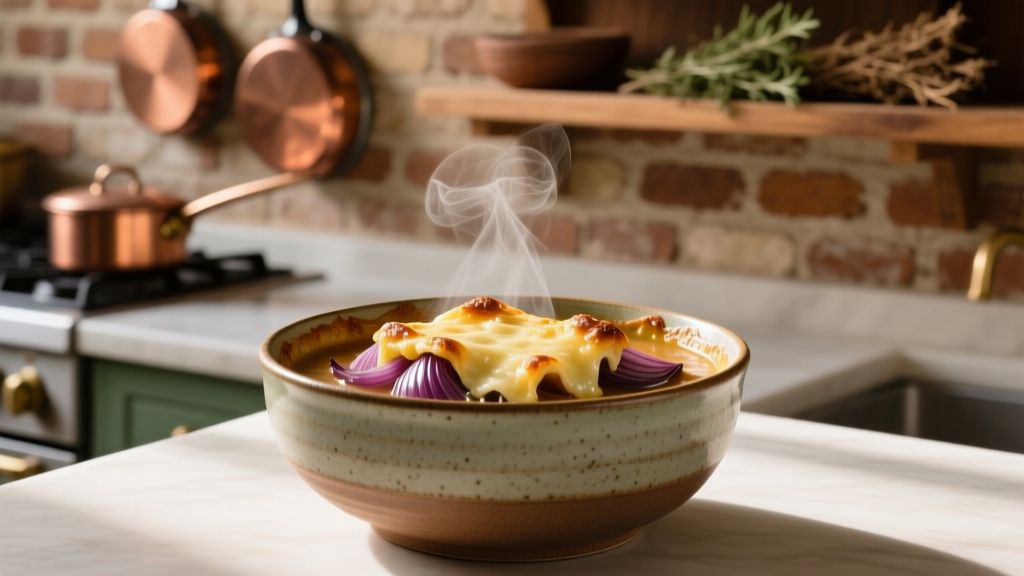
French Onion Soup: History, Ingredients & Authentic Guide
From Roman Broth to Parisian Classic: The Real Story
Here’s the thing—most folks think French onion soup was invented in some fancy Paris bistro. Nope. Ancient Romans were simmering onions in broth as cheap sustenance, and a version appeared in Taillevent’s Viandier cookbook back in 1300s France. But the modern magic happened in 18th-century Paris. Two stories float around: one credits King Louis XV for whipping it up at a hunting lodge with whatever he had (onions, butter, champagne), another pins it to Stanislas Leszczyński, Duke of Lorraine. Either way, it started as “poor man’s food”—onions were dirt-cheap and easy to grow—before becoming a national treasure. Julia Child later made it famous in the US through Mastering the Art of French Cooking, but don’t confuse her adaptations with the real-deal Parisian version.
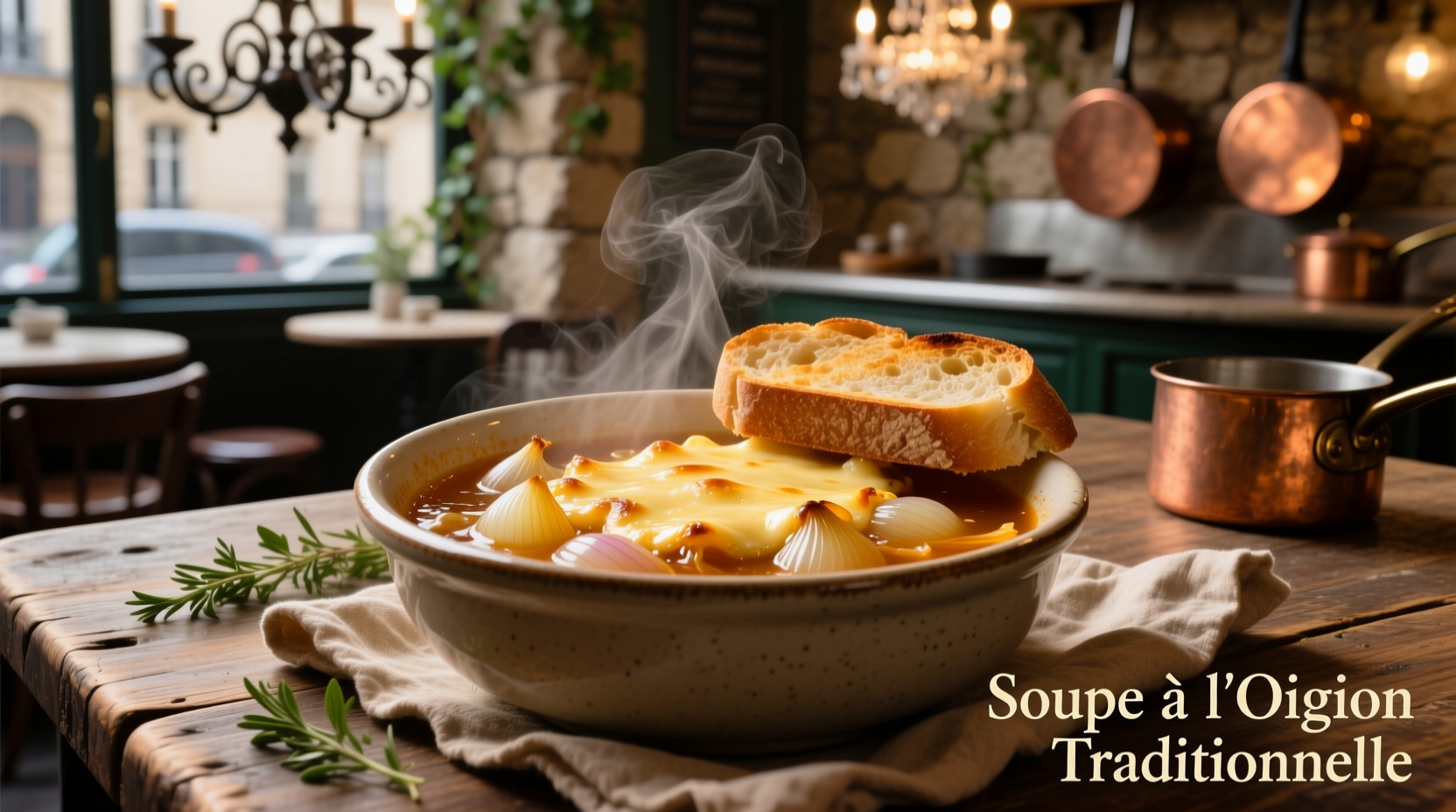
Why Your Onion Choice Makes or Breaks the Soup
You’ve probably tossed any old onion into a pot and called it “French.” Big mistake. I’ve burned through batches testing this—the wrong onion turns it bitter or watery. Professional chefs like Randy Feltis confirm yellow onions are non-negotiable for authenticity. They’ve got the perfect starch-to-sugar ratio: caramelizes fast without collapsing into mush. Sweet onions (Vidalia, Maui) sound great but add too much water—you’ll be stirring for hours to evaporate it. Red onions? Skip ’em—they turn an unappetizing grey. Check this breakdown:
| Onion Type | Best For French Soup? | Why It Works (or Doesn’t) |
|---|---|---|
| Yellow onions | Yes (ideal) | High starch content caramelizes quickly, develops deep sweetness without breaking down |
| Sweet onions (Vidalia/Maui) | Limited use | Extra sugar backfires—more water content requires 30% longer cooking; can dominate flavor |
| Red onions | No | Turns grey when cooked; sharp raw flavor doesn’t mellow properly |
| White onions | No | Milder taste lacks depth; best raw in salsas |
Pro tip: Some Parisian chefs blend yellow with a touch of Spanish onion for honeyed notes, but never skip the 45-minute low-and-slow caramelization. Rush it, and you’ll get burnt bitterness instead of that signature sweet-savory base. Oh, and butter—always butter, not oil. It’s France, not a diet plan.
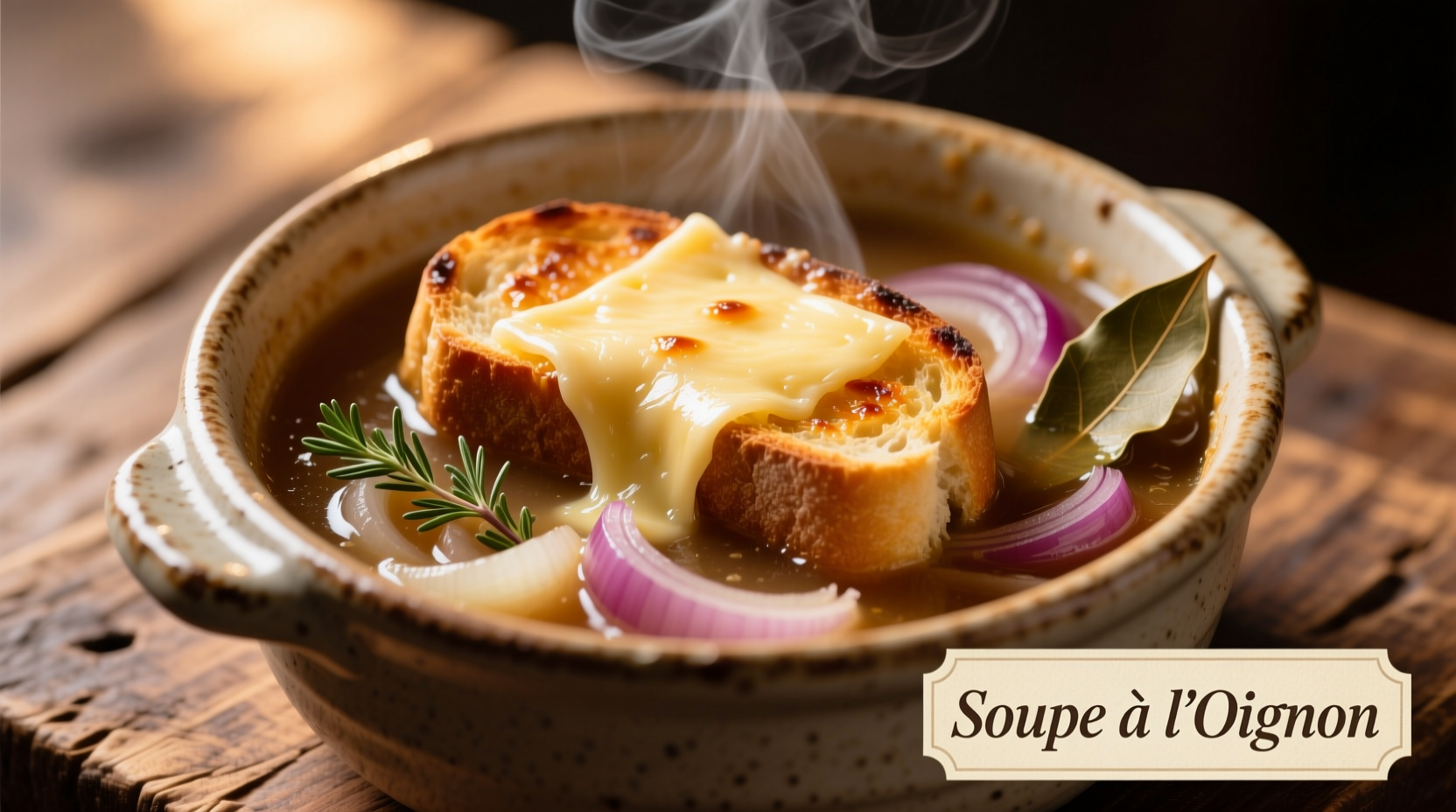
Spotting Real vs. Fake French Onion Soup
Let’s be real—most “French” soups in stores are sad imitations. Sporked’s taste test proved it: canned versions often taste like salty broth with fake “onion flavor.” Authentic soup has three non-negotiable traits:
- Depth: Tastes like it simmered for hours (because it should), not like canned broth
- Onion-forward: Sweet caramelized notes dominate, not just “vegetable” flavor
- No salt overload: Shouldn’t leave you chugging water after one spoonful
Here’s when to embrace or avoid it:
| Scenario | Use It? | Why |
|---|---|---|
| Cold winter night | Yes | Naturally warming; French consider it winter comfort food (Swanton Street Diner) |
| Vegetarian diet | Modify carefully | Traditional uses beef broth—sub mushroom or kombu stock, but it won’t be authentic |
| Quick weeknight meal | Avoid ‘authentic’ version | Requires 2+ hours for proper caramelization; canned mixes compromise flavor |
| Impressing guests | Yes, with Gruyère | Melted Gruyère/Emmental creates that iconic cheesy crust (Food Republic) |
Biggest trap? Thinking “any cheese works.” Parmesan adds saltiness that overwhelms; mozzarella won’t brown right. Stick to Gruyère for nuttiness that complements the onions. And skip the sherry in cheap versions—it should enhance, not dominate.
3 Myths That Ruin Your Soup (And What Actually Works)
I’ve seen these mistakes wreck good batches. First, “Adding sugar speeds caramelization.” Nope—it’s cheating. Real sweetness comes from slow cooking onions’ natural sugars. Second, “White wine is essential.” Optional at best; traditional Parisian recipes often skip it. Third, “All broth is equal.” Beef broth must be rich and unseasoned—canned “French onion soup base” is usually oversalted junk.
Here’s what pros do differently:
- Use a mix of yellow and Spanish onions for layered sweetness
- Add a splash of dry sherry after caramelizing to deglaze the pot
- Top with day-old baguette—fresh bread turns soggy under cheese

Everything You Need to Know
Yes, but its roots trace back further. While ancient Romans simmered onions in broth, the modern French version emerged in 18th-century Paris. Historical records like Taillevent’s 14th-century Viandier cookbook confirm early French adaptations. It became a national symbol when Parisian markets served it as affordable, nourishing food for workers (Cork Dining).
Not truly—beef broth is non-negotiable in authentic recipes. Traditional French onion soup relies on beef broth’s umami depth, which mushroom or vegetable broths can’t replicate. That said, Parisian bistros now offer vegetarian versions using roasted mushroom stock, but they’re modern adaptations, not historical. If you try it, add a Parmesan rind while simmering for extra savoriness.
Bitterness means you rushed the onions. Never crank the heat—caramelization takes 40-50 minutes over low flame. If it’s already bitter, add 1 tsp sugar and 1/4 cup dry white wine to balance it, but prevention is key. Next time, stir in a pinch of baking soda (1/8 tsp) to speed caramelization without burning (Ethnic Spoon).
Broth-only lasts 4 days refrigerated, but the cheese topping complicates things. Store components separately: broth (4 days), toasted bread (2 days), and cheese (1 day). Reheat broth gently—boiling ruins texture. Never refreeze once reheated. Pro move: Freeze plain broth in ice cube trays for instant flavor boosts in other dishes.
Emmental is the closest substitute—mild, nutty, and melts beautifully. Avoid cheddar (too sharp) or mozzarella (too mild). In a pinch, blend Comté with a touch of aged Gouda for complexity. But skip pre-shredded cheese—the anti-caking powder prevents proper melting. Always grate it fresh (Tasting Table).
More Articles
 Proven Lentil Soup Recipe: Healthy & Hearty
 Slow Cooker Potato Soup: Creamy, Not Mushy
 How To Clean Chili: A Practical, Science-Backed Guide for Home Cooks and Spice Enthusiasts
 Chili Powder Substitute: Reliable Replacements (2026)
 Homemade French Onion Soup: Time-Tested Method
 Dried Cloves: Cooking Uses, Storage Tips and Health Facts
 Buttermilk Chicken Recipe: Crispy, Juicy Results Every Time
 Master Homemade Tomato Soup: Flavorful Recipe & Pro Tips
 Clove Leaf vs Clover Leaf: Clearing the Confusion
 Cinnamon Snacks: Homemade Recipes and Smart Buying Guide