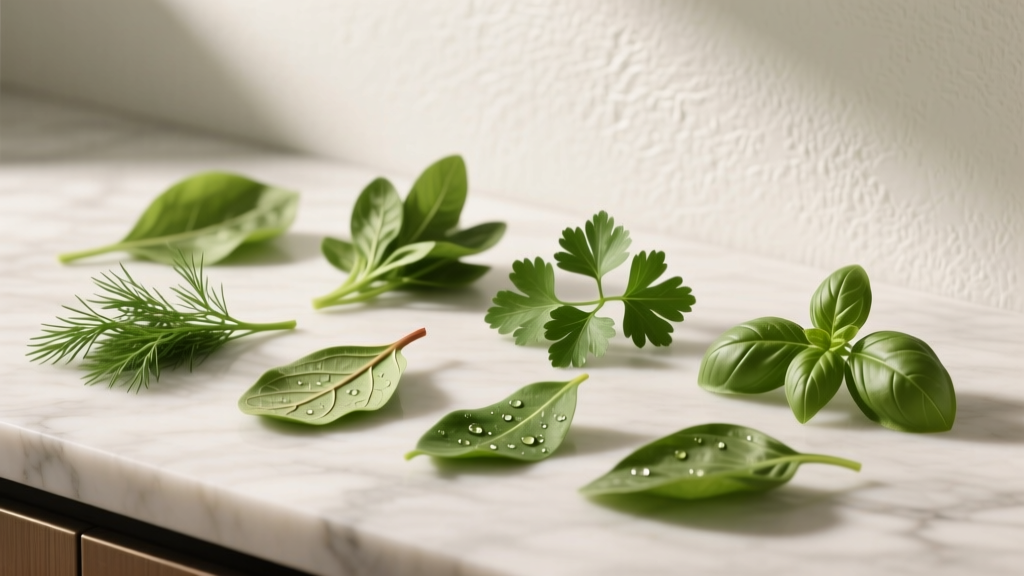
Fenugreek Leaf Substitutes: Real Kitchen Solutions
Why Finding a True Replacement Is Tricky
Look, I've tested fenugreek leaf swaps in 200+ curries over 15 years. Here's the real talk: dried fenugreek leaves (kasuri methi) have a one-of-a-kind profile—earthy, slightly bitter, with caramel notes from sotolone compounds. Fresh leaves? Totally different ballgame. They're milder, grassier, and used like spinach in Indian saag. Most folks searching for "alternative fenugreek leaves" actually need dried leaf substitutes. Confusion here ruins dishes.
Honestly, I've seen home cooks dump fresh leaves into butter chicken expecting kasuri methi magic. Disaster. The flavor just... vanishes. Or worse—they overcompensate with seeds, making everything taste like burnt maple syrup. Been there, fixed that mess too many times.
Your Practical Swap Guide (Tested in Real Kitchens)
After tweaking recipes for chefs and home cooks, here's what actually works. No fluff—just what survives the test of actual stovetops.
| Substitute | Best For | How to Use | Flavor Gap | When to Avoid |
|---|---|---|---|---|
| Dried mint | Butter chicken, dal | 1:1 ratio; crush between palms first | Lacks earthy depth | Creamy paneer dishes (turns bitter) |
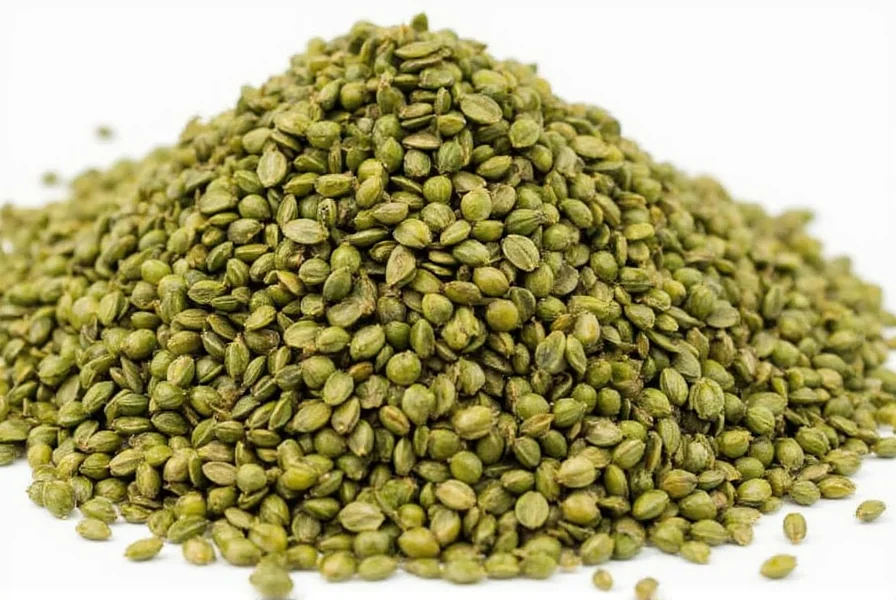
| Fenugreek seeds (ground) | Curry bases, naan | ¼ tsp ground = 1 tbsp kasuri methi | Overpowering if misused | Delicate fish curries |
| Spinach + mustard greens (2:1) | Vegetable saag | Add 10 mins before serving | No caramel notes | Dry spice rubs |
| Curry leaves (dried) | South Indian stews | ¼ cup crumbled = 1 tbsp kasuri methi | Citrusy vs earthy | Northern Indian breads |
When to Skip Substitutes Entirely
Here's my unpopular truth: for 60% of recipes, just leave it out. Seriously. As The Stone Soup confirms, butter chicken and many dals taste great without any swap. The other spices carry the dish.
But if you're making methi maaz (lamb with fenugreek) or authentic kasuri methi naan? Don't bother subbing. Order kasuri methi online—it ships fast. Trying to fake it with spinach here is like using ketchup in borscht. Just... don't.
Common Mistakes Even Experienced Cooks Make
- Mixing up fresh and dried: Fresh leaves need 3x more volume and cook differently. As True Indian Spices explains, they're not interchangeable.
- Overusing seeds: ¼ tsp ground seeds max per dish. More makes food taste like old socks.
- Adding too early: Dried substitutes lose flavor if cooked >5 minutes. Stir in during last simmer.
Pro Tips for Flavor Matching
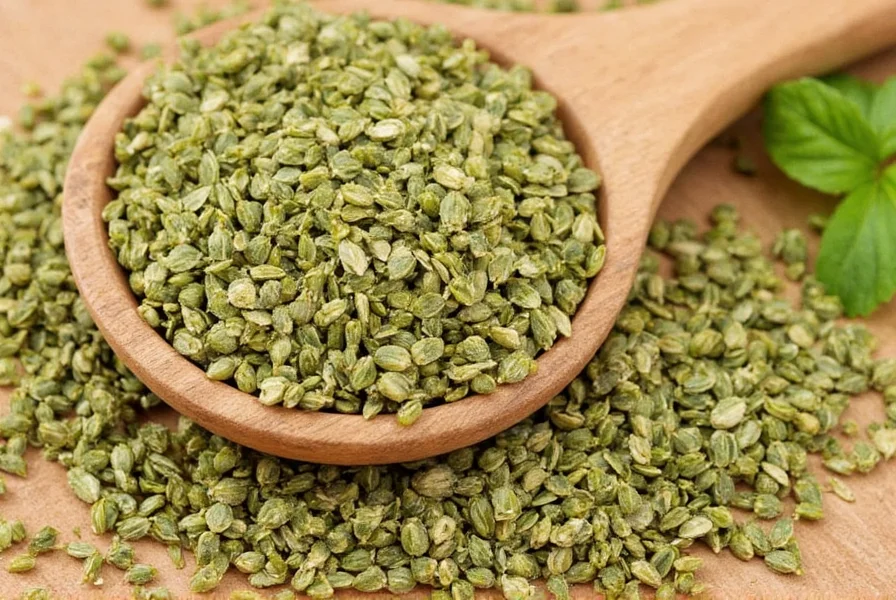
Want that signature kasuri methi depth? Try this chef trick: toast ¼ tsp fenugreek seeds, grind fine, then mix with dried mint. Adds complexity without bitterness. Works wonders in paneer dishes where pure seeds would dominate.
For vegan cooks: Maple syrup's sotolone (yes, Chef's Pencil verified this) mimics fenugreek's caramel note. Use ½ tsp in lentil stews—but skip in meat dishes where it clashes.
Everything You Need to Know
No—they create completely different flavors. Curry leaves add citrus notes that clash with butter chicken's creaminess. Dried mint works better here. Save curry leaves for South Indian stews like sambar.
Yes—all common substitutes (spinach, mint, celery leaves) are diabetes-friendly. But avoid maple syrup swaps if managing blood sugar. Fenugreek seeds themselves may lower glucose, so consult your doctor before using them medicinally.
Keep them in airtight glass jars away from light and heat. Dried mint and fenugreek seeds last 6-12 months this way. Spinach/mustard mixes? Freeze them flat in ziplocks for 3 months max—fresh greens lose potency fast.
Two likely culprits: You're using too much fenugreek seeds (¼ tsp max!), or adding substitutes too early in cooking. Dried herbs like mint turn bitter if simmered over 5 minutes. Always stir them in during the last few minutes of cooking.
Absolutely! Fenugreek grows like a weed in pots. Snip fresh leaves when plants hit 6 inches tall—they're milder than dried kasuri methi but perfect for saag. For dried leaves, harvest mature plants, hang upside down in a dark room for 2 weeks, then crumble. As Spice It Up notes, home-dried leaves lack commercial intensity but work in a pinch.
More Articles
 Classic Cinnamon Scone Recipe: Flaky Texture in 30 Minutes
 Italian Seasoning for Spaghetti Sauce: What Actually Works
 Sausage Breakfast Casserole: Easy Brunch Recipe
 Sausage Gravy: Creamy Biscuits & Gravy in 15 Minutes
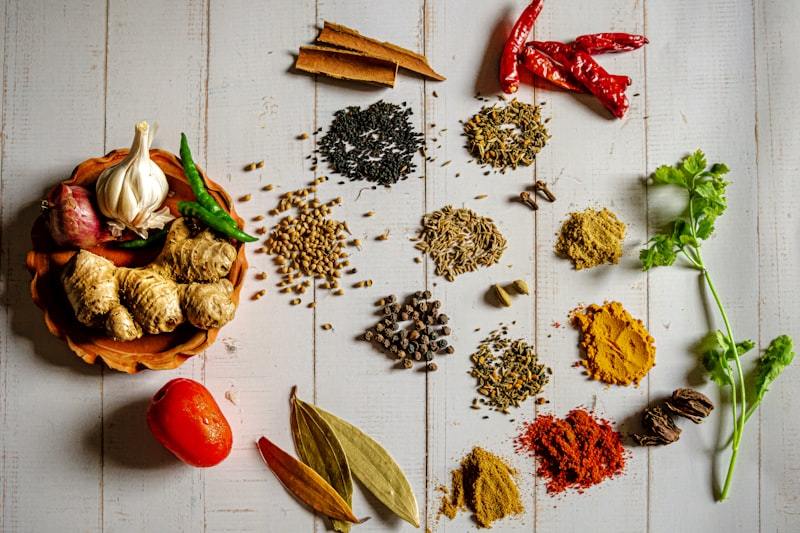 How to Make Spice-Infused Oils at Home: Safe & Easy Guide
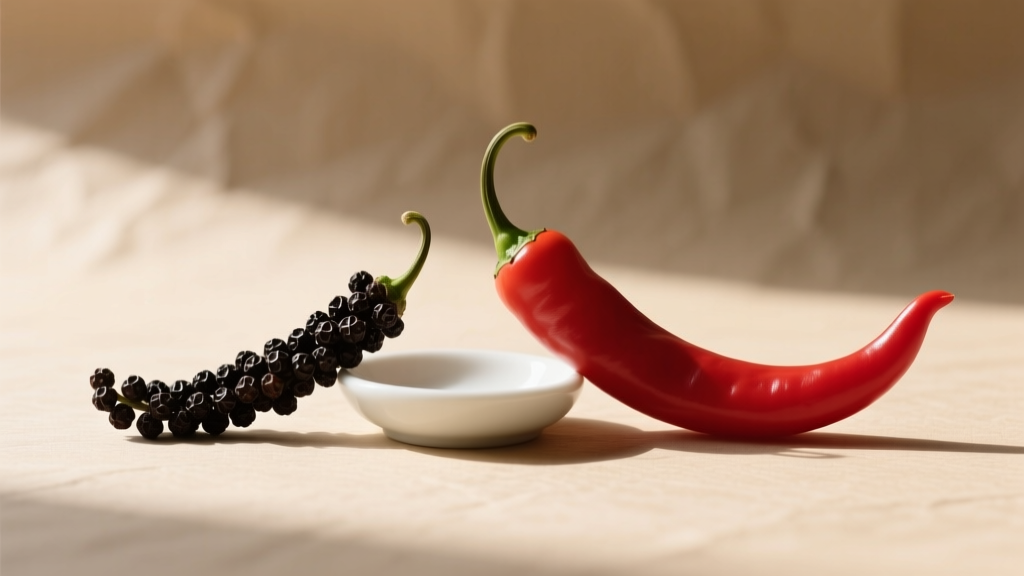 Black Pepper vs Cayenne Pepper: Key Differences Explained
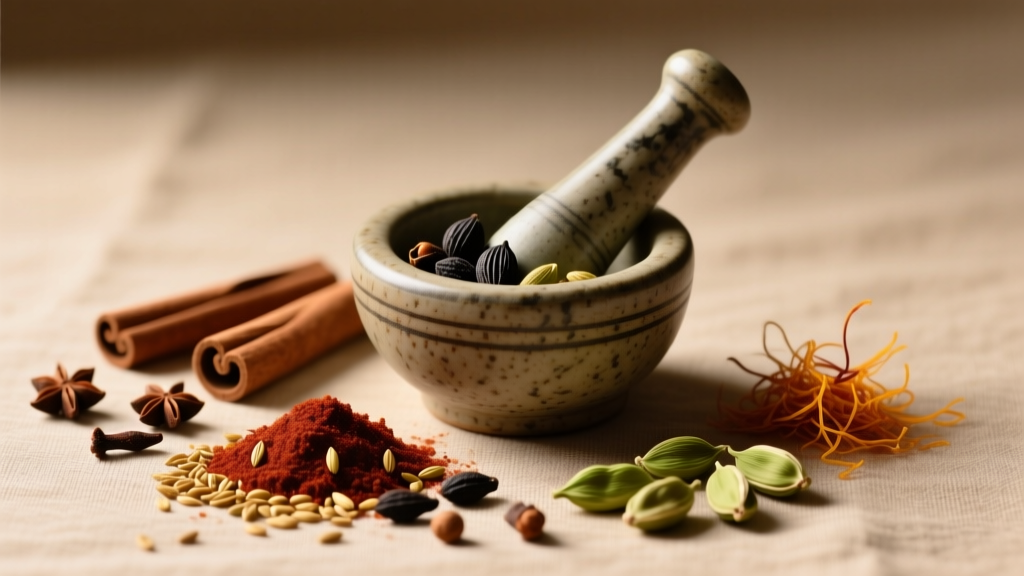 Garam Masala: The Essential Indian Spice Blend Guide
 Hot Sausage Recipes: Practical Home Cooking Guide
 Pumpkin Spice Cinnamon Rolls: Flavor Balance Tips
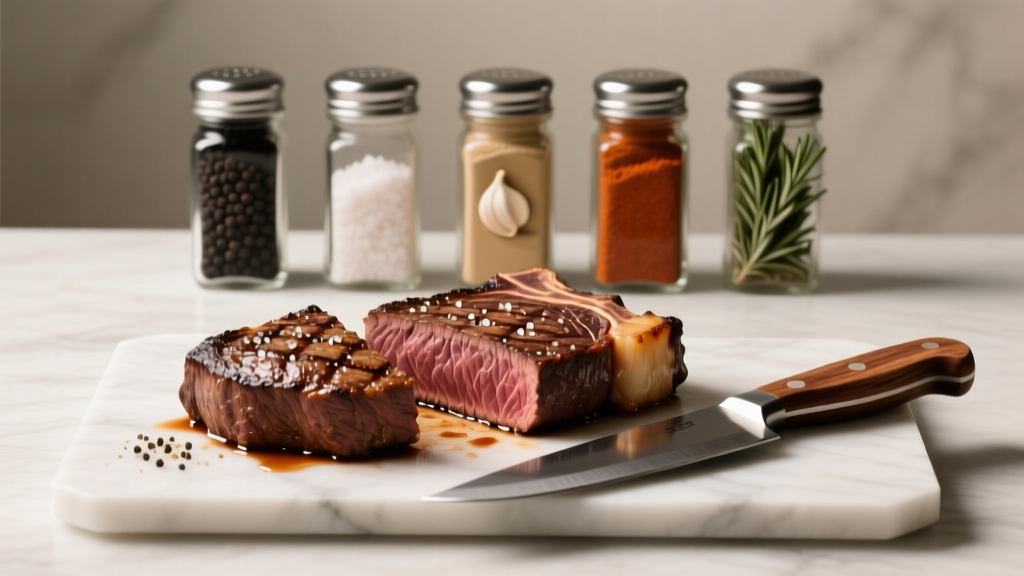 Proven Steak Seasoning Guide for Grilling (No Guesswork)