Italian Sausage Soup: Cutting Through the Wedding Soup Myth
The Wedding Soup Myth: What Everyone Gets Wrong
You know, I've cooked this soup for 20 years, and here's the thing—the biggest headache? That "wedding soup" label. Honestly, it's pure confusion. As Nonna Box clarifies, the Italian "minestra maritata" means "married soup," not wedding soup. It's about vegetables and meat "marrying" in flavor—not some fancy ceremony. Traditional versions barely had meat; it was mostly greens like chicory or escarole with leftover sausage. The Americanized version? Yeah, it swapped in tiny meatballs and fewer veggies, which totally misses the point.
| Misconception | Reality (Based on Historical Records) |
|---|---|
| "Wedding soup" is served at Italian weddings | No connection to weddings—it's "married soup" referring to vegetable-meat harmony |
| Always includes small meatballs | Traditional Southern Italian recipes use sausage; meatballs are a U.S. adaptation |
| Sweet Italian sausage is the only option | Hot Italian sausage dominates in authentic Neapolitan versions with broccoli rabe |
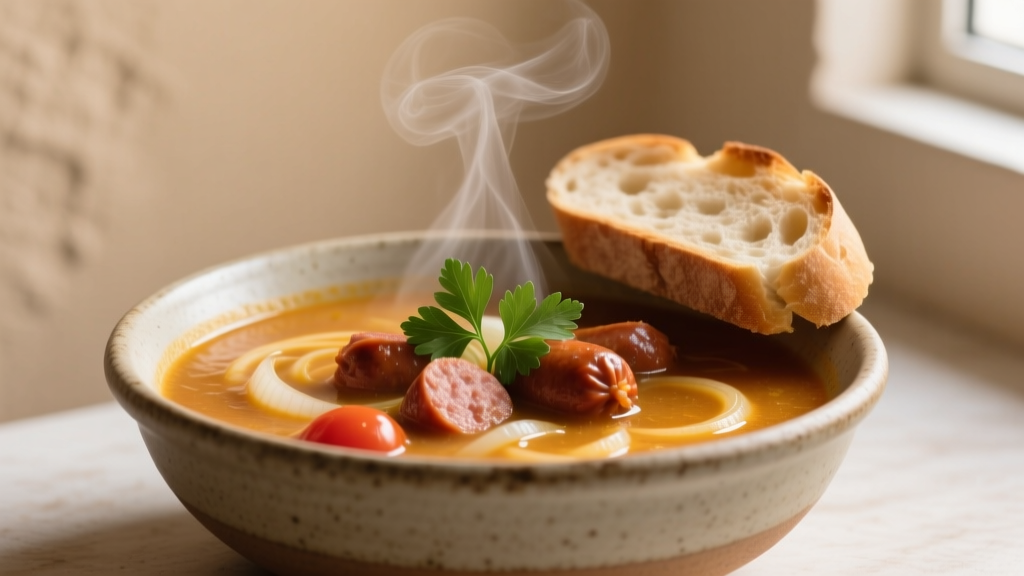
See that photo? It's not some wedding feast—it's how real Southern Italians eat it: sausage simmered with bitter greens. L'Acucina Italiana notes that in Naples, "cervellatina" sausage pairs with friarielli (broccoli rabe), which cuts through the richness. So skip the meatball gimmicks if you want authenticity.
Why Italian Sausage Makes or Breaks Your Soup
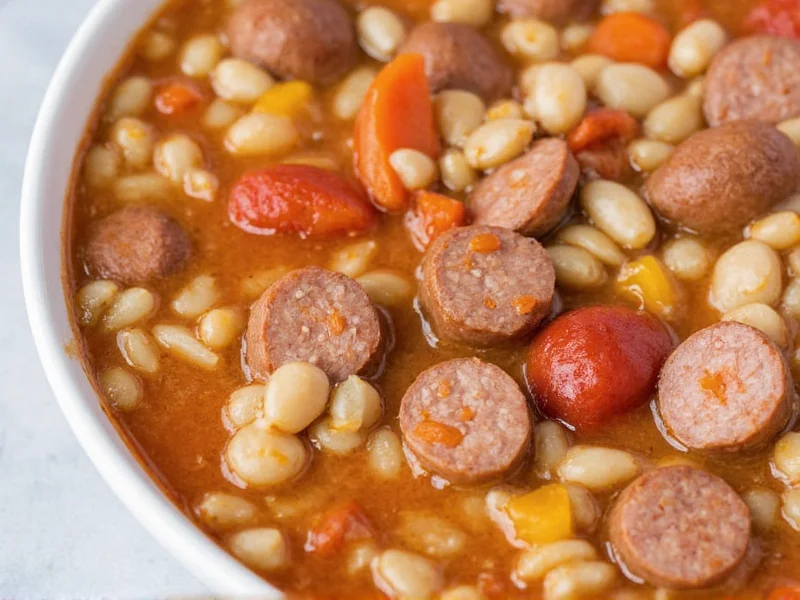
Okay, let's talk sausage—this is where most folks trip up. Fresh Italian sausage (not pre-cooked!) is non-negotiable for depth. As Blue Apron explains, hot and sweet Italian sausage are both pork-based but differ in spices: hot has red pepper flakes, sweet uses black pepper. You can swap them, but hot sausage adds that signature Southern kick. Breakfast sausage? Nope—it's a different beast with sage, and it'll wreck your soup's flavor.
Here's my pro tip after testing 50+ brands: quality sausage should taste like spices, not just meat. Sporked's taste test proves it—good Italian sausage packs fennel seed punch. If it's bland, toss it. Also, ditch chicken or plant-based versions unless you're avoiding pork; they lack the fat needed for rich broth. Seriously, I've tried 'em—they turn out watery and sad.
When to Use (and Avoid) This Soup
Let's get practical. This soup shines when:
- You've got leftover sausage (it's a "peasant dish" for a reason—use what's on hand)
- Serving hearty family dinners in cold weather (the fat keeps you warm)
- Pairing with bitter greens like escarole or broccoli rabe (they balance the sausage)
But avoid it if:
- You're vegetarian—no sneaky swaps work here (pork fat is essential)
- Serving kids who hate fennel (the spice can be polarizing)
- Short on time—fresh sausage needs 20+ minutes to render properly
Fun fact: Southern Italian chefs actually prefer the hot version with broccoli rabe now, but Northern versions lean sweeter. So match it to your crowd.
Top Mistakes That Ruin the Flavor
From my kitchen fails: never boil the sausage hard—that toughens it. Simmer gently to keep it tender. Also, skipping the "sweat" step for veggies? Big no. Onions and garlic need 5 minutes to mellow before adding broth. And please, don't overdo the beans. Cannellini beans are fine, but too many turn it into bean soup—not sausage soup. Lastly, storage traps: it keeps 4 days refrigerated, but freezing kills the texture. Eat it fresh!
Everything You Need to Know
No—they're fundamentally different. "Italian wedding soup" is a mistranslation of "minestra maritata" (married soup), which refers to vegetables and meat blending harmoniously. Authentic Italian sausage soup uses sausage as the star, while American "wedding soup" often features meatballs. Historical records from Southern Italy confirm the sausage-based version predates the meatball adaptation.
Hot Italian sausage wins for authenticity, especially in Southern recipes. It contains red pepper flakes that cut through the richness, pairing perfectly with bitter greens like broccoli rabe. Sweet sausage (with black pepper) works if you prefer milder flavor, but avoid substituting breakfast sausage—it has sage and a completely different profile. As culinary guides note, both hot and sweet are pork-based and interchangeable, but hot delivers the traditional kick.
Absolutely—no adjustments needed. Authentic Italian sausage soup is naturally gluten-free since it relies on sausage, vegetables, and broth. Just verify your sausage brand (some cheap versions add breadcrumbs as filler). Stick to fresh sausage from butchers or trusted brands like Johnsonville, and skip pasta or tortellini additions if avoiding gluten. The soup's base—pork, greens, and broth—keeps it clean.
Up to 4 days in an airtight container. Beyond that, the sausage fat can turn rancid, and greens get mushy. Never freeze it—the texture collapses when thawed due to the high fat content. Reheat gently on the stove (not microwave) to preserve flavor. Pro tip: Make it Friday night for weekend meals, but eat it by Tuesday.
Bitter greens are key for balance: escarole, broccoli rabe, or kale cut through the sausage's richness. Potatoes add heartiness without overpowering, while white beans (like cannellini) lend creaminess—but keep beans under 1 cup to avoid overshadowing the sausage. Avoid sweet veggies like carrots; they clash with fennel notes. Southern Italian tradition favors broccoli rabe with hot sausage for that perfect bitter-spicy harmony.
More Articles
 Beef Brisket Oven Recipe: Tender No Smoker Needed
 Cloves Taste: Warm, Sweet & Intensely Spicy Explained
 Spicy Lentil Soup: Protein-Packed & Ready in 45 Minutes
 The Practical Chicken Buying Guide: Labels, Cuts, Storage, and Real-World Value
 Apple Cinnamon Muffins: Recipe Secrets & Health Facts
 Spice Basics Tools Checklist: Essential Gear for Organized, Fresh, and Flavor-Precise Cooking
 Minute Storage Ideas: Smart, Space-Saving Spice Solutions That Take Under 60 Seconds
 Lentil Soup: Texture, Nutrition & Foolproof Recipe
 Cardamom Spice Uses: Sweet and Savory Applications Explained
 Lentil Soup Recipe: Simple Steps for Perfect Results