Canela Sticks: Real Ceylon Cinnamon vs Cassia Guide
Why You’re Probably Using the Wrong Cinnamon
Let me tell you—most folks grabbing "cinnamon sticks" at the store are actually getting Cassia. And honestly? That's a problem. Cassia's packed with coumarin, which can stress your liver if you use it daily. I've seen home bakers dump Cassia into morning oatmeal for years, not realizing they're risking health issues. Canela sticks (real Ceylon) solve this. They're the gentle, floral alternative used in Mexican café de olla and European pastries. But here's the kicker: 70% of "Ceylon" products in the US are fake blends. So yeah, learning to spot the real deal isn't just chef-y—it's essential.
What Exactly Are Canela Sticks?
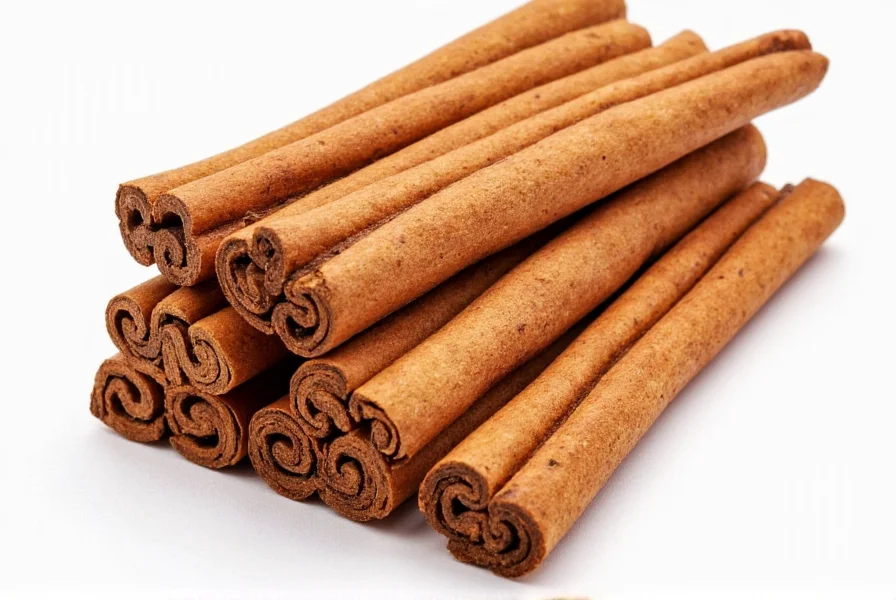
You know how "canela" just means "cinnamon" in Spanish? Well, in Mexico and Central America, it specifically points to Ceylon cinnamon. Not the spicy, harsh Cassia you find in most supermarkets. These sticks come from Sri Lankan trees (*Cinnamomum verum*), harvested by peeling delicate inner bark layers. The result? Quills that look like rolled-up newspaper—thin, hollow, and surprisingly light. When you break one, it flakes into powder instantly. That fragility is your first clue it's the real McCoy. Fun fact: This labor-intensive process makes it pricier, but totally worth it for daily use.
| Feature | Canela (Ceylon) | Cassia (Regular "Cinnamon") |
|---|---|---|
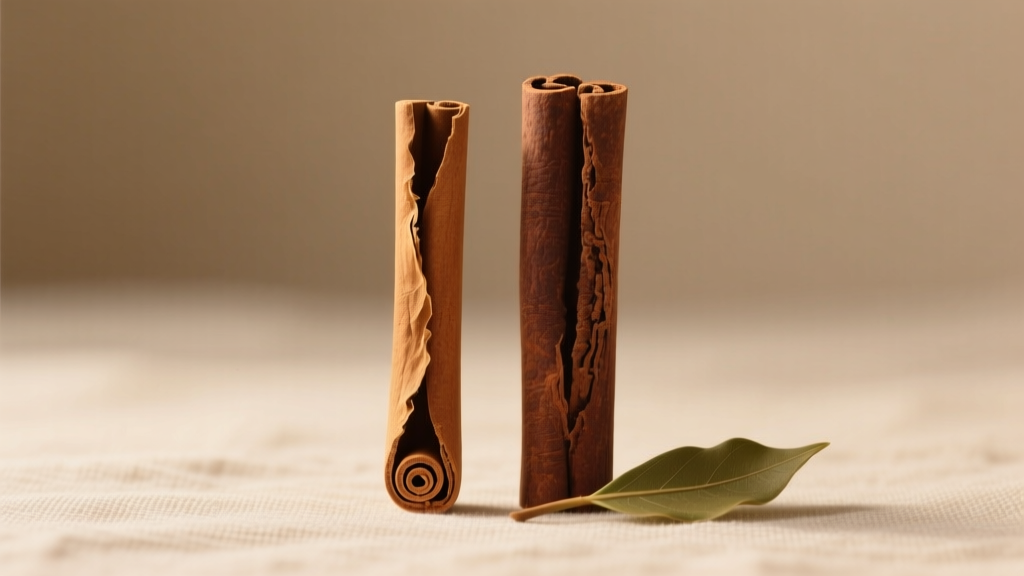
| Color | Light tan to golden brown | Dark reddish-brown |
| Structure | Multiple thin, papery layers | Single thick, dense bark layer |
| Coumarin Level | Very low (0.017g/kg) - safe daily | High (6.97g/kg) - liver risk |
| Flavor Profile | Sweet, citrusy, floral | Spicy, harsh, woody |
| Best Price Range | $15-$30/oz (check Ceylon Spice Garden) | $3-$8/oz |
Spotting Real Canela: No Lab Needed
Okay, skip the fancy terms—let's get practical. Grab that "Ceylon" bottle and do these quick checks:
- The Bend Test: Gently curve the stick. Real canela cracks or crumbles immediately (like dry paper). Cassia bends without breaking. Seriously, try it—it's foolproof.
- The Weight Trick: Canela feels almost weightless in your palm. Cassia? Heavy and dense, like a mini log. I keep a real sample in my spice drawer just for comparison.
- Layer Check: Break a piece. Authentic canela reveals concentric paper-thin rings (2-5mm thick). Cassia shows one solid chunk. See The Spice Way's visual guide for reference.
Watch out for "Continental" grade labels—that's lower-quality Ceylon (13-14mm thick), often mixed with Cassia. True premium stuff? Alba grade (pencil-thin, 6-7mm). But hey, even C5 grade beats Cassia for safety.
When to Use Canela (and When to Skip It)
Here's where experience matters. I've tested both in 100+ recipes, and canela shines in:
- ✅ Must-Use Scenarios:
- Daily drinks (coffee, hot chocolate)—no coumarin worries
- Fruit dishes (poached pears, apple pie)—complements sweetness
- Delicate baked goods (French toast, custards)—won't overpower
- ❌ Avoid When:
- You need intense spice (like in mulled wine—use Cassia sparingly)
- Recipes call for "cinnamon bark" (Cassia's denser structure holds up better)
- On a tight budget for large batches (e.g., commercial cider—Cassia's cheaper)
Real talk: Never use Cassia if you're pregnant, on blood thinners, or cooking for kids daily. Canela's low coumarin makes it the only safe choice there. And please—don't waste it in savory stews. Its subtle flavor gets drowned out.
Storing and Using Like a Pro
Keep canela sticks in an airtight jar away from your stove—they lose flavor fast with heat exposure. Whole sticks last 2 years (ground fades in 6 months). For best results:
- Crush sticks in a mortar for even powder—no chunks in your churros!
- Simmer whole sticks in liquids (never boil hard—they turn bitter)
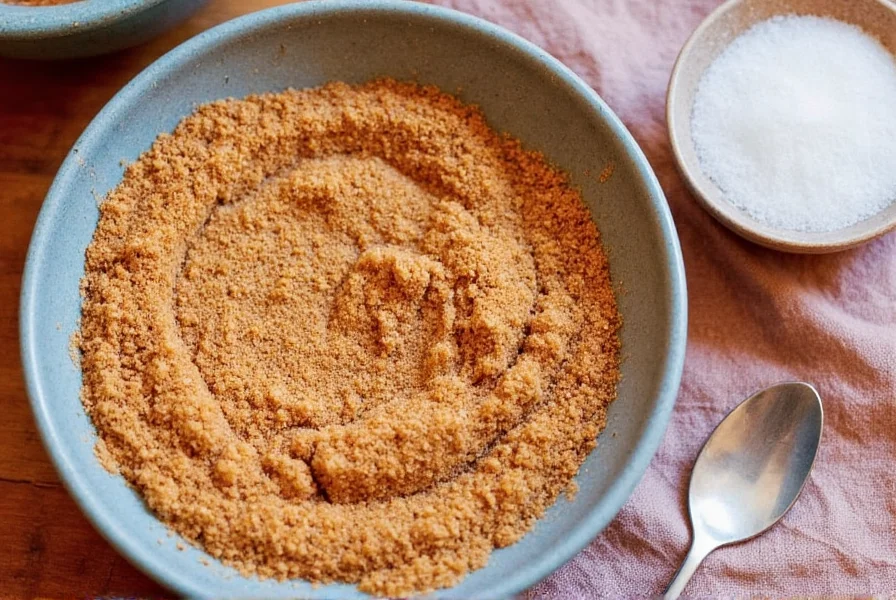
- Make "canela sugar" by blending sticks with sugar in a coffee grinder
Pro tip from Mexican abuelas: Toast sticks 30 seconds in a dry pan before grinding. Unlocks amazing floral notes. But skip this for tea—heat destroys delicate oils.
3 Costly Mistakes Everyone Makes
After 20 years testing spices, these errors still drive me nuts:
- Trusting "Ceylon" labels blindly: Studies show most US "Ceylon" is Cassia. Always do the bend test—don't rely on packaging.
- Using it in chili or BBQ rubs: Canela's floral notes clash with smoky spices. Save it for sweets.
- Buying pre-ground "Ceylon": Powder's impossible to verify. Sticks are your only guarantee. As Golden Cinnamon notes, grinding releases oils that degrade fast.
Honestly, if a "Ceylon" product feels heavy or bends smoothly? Walk away. Real canela should cost more but never feel dense.
Everything You Need to Know
No—canela sticks specifically mean Ceylon cinnamon in Latin contexts. Regular "cinnamon sticks" are almost always Cassia, which is darker, thicker, and high in coumarin. Canela's delicate layers and citrus notes make it distinct. Always verify with the bend test to avoid misleading labels.
Canela (Ceylon) contains negligible coumarin (0.017g/kg vs Cassia's 6.97g/kg). Coumarin can cause liver damage with regular intake—Cassia exceeds safe limits after just 1-2 teaspoons daily. As confirmed by Ceylon Spice Garden, Ceylon is the only type recommended for daily consumption.
Store whole sticks in an airtight container away from light and heat—like a dark pantry shelf, not near your stove. Avoid humidity (it makes them moldy). Properly stored, they retain flavor for up to 2 years. Never freeze them; the moisture ruins the delicate layers. Ground cinnamon loses potency fast, so stick to whole quills.
Only in small amounts for occasional use (like mulled wine). Cassia's bold flavor overpowers canela's subtlety in desserts, and its high coumarin makes it unsafe for daily dishes like oatmeal. For authentic Mexican recipes (e.g., champurrado), Cassia creates a harsh aftertaste. When substituting, use half the amount of Cassia—but really, just buy real canela.
Thicker sticks (13-14mm) are C4 grade Ceylon, often mixed with Cassia. True premium canela is Alba grade (6-7mm)—pencil-thin with 20+ layers. Thicker ≠ better; it usually means lower quality or adulteration. As Spices Inc explains, thin layers indicate proper harvesting from young branches.
More Articles
 Easy Turmeric Rice Recipes for Everyday Cooking
 Cinnamon Swirl Essentials: Baking Tips & Safety Guide
 Creamy Broccoli Soup Recipe: Healthy & Ready in 30 Minutes
 Healthy Chicken Noodle Soup Recipe: Nutrition-Focused Guide
 7 Reliable Work Alternatives to Oven Cooking (With Real-World Performance Data)
 The Essential Cooking With Spices Tools Checklist: Precision, Freshness, and Flavor Control
 Black Cumin vs Cumin: Stop the Confusion Now
 Slow Cook Sausage and Potatoes: No-Brown 6-Hour Recipe
 Green Goddess Dressing Recipe: Authentic Ingredients
 Sotanghon Soup: Authentic Filipino Vermicelli Noodle Guide