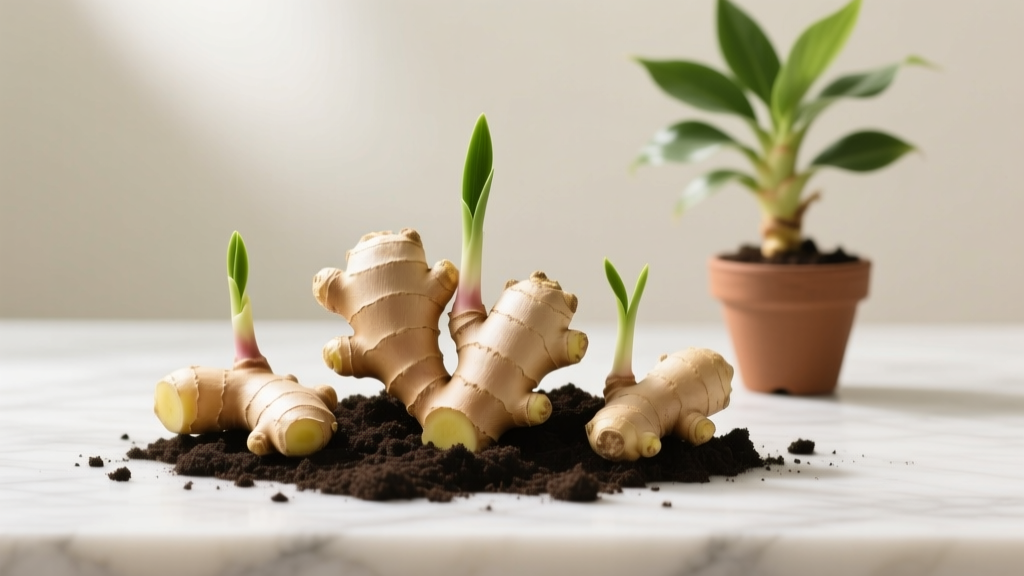
Growing Ginger Root: Your Step-by-Step Home Guide
Why Your Ginger Planting Keeps Failing (And How to Fix It)
Let's be real: most folks grab a ginger root from the grocery store, plop it in soil, and wonder why nothing happens. I've seen this a hundred times over my 20 years in the field. Ginger isn't actually a root—it's a rhizome, an underground stem that stores energy. Treat it like a carrot, and you're doomed. The real issue? People ignore its tropical origins. It needs warmth and humidity, not cold drafts or bone-dry soil. Now, here's the thing: get these basics right, and you'll have thriving rhizomes by next season.
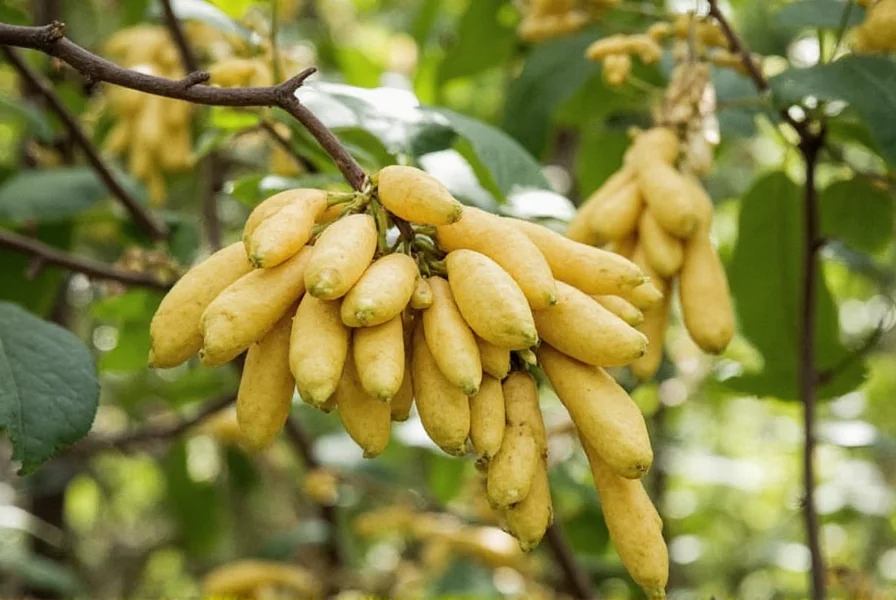
Picking the Perfect Ginger Starter: Don't Skip This Step
Not all ginger roots are created equal for planting. You need plump, firm pieces with plump 'eyes' (those little nubby bumps). If the eyes look shriveled or moldy? Toss it. I always tell beginners: hit your local Asian market, not the supermarket. Why? Commercial ginger often gets treated with growth inhibitors. Trust me, I've wasted too many roots learning this the hard way.
Pro tip: Soak your rhizome in lukewarm water overnight before planting. It wakes up those dormant eyes. And don't chop it into tiny bits—aim for 1-2 inch chunks with at least one eye each. Smaller pieces dry out too fast.
| Soil & Climate Must-Haves | Indoor Setup | Outdoor Garden |
|---|---|---|
| pH 5.5-6.5 (slightly acidic) | Use potting mix + 30% perlite | Amend soil with compost |
| Soil temp: 70-80°F for sprouting | Place near east-facing window | Plant after last frost (May-June) |
| Water: Keep moist, never soggy | Water weekly; mist leaves | 1"/week rainfall equivalent |
| Light: Partial shade (2-5 hours sun) | Avoid direct afternoon sun | Under trees or shaded patio |
Your Step-by-Step Planting Playbook
Okay, let's get practical. First, container choice matters way more than you think. Grab an 8-inch deep pot with drainage holes—terracotta works great because it 'breathes'. Fill it with that soil mix I mentioned: 40% potting soil, 30% perlite, 20% coco coir, 10% compost. Now, lay your ginger chunk flat with eyes facing up, 4-6 inches deep. Cover lightly, water gently, and... wait. Seriously, sprouting takes 3-6 weeks. Don't panic if nothing happens immediately—this isn't basil.
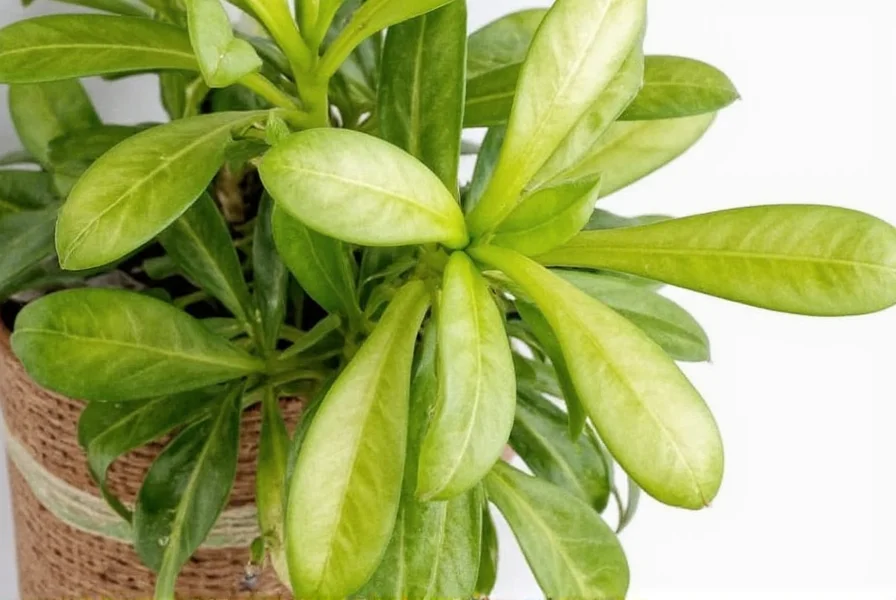
Maintenance is where most folks slip up. Water only when the top inch of soil feels dry—not daily! Overwatering causes 90% of failures. And here's a pro move: during summer, move pots outside to dappled shade. Just bring them in if temps drop below 55°F. Fertilize monthly with balanced 10-10-10 after sprouts appear, but ease off by month 6. Ginger's a heavy feeder early on, then tapers off.
When to Grow Ginger (And When to Bail)
Look, ginger isn't for every situation. Let me save you heartache:
- DO grow it indoors if you're in USDA zones 1-7 (cold climates) or want year-round harvests. It thrives as a houseplant with consistent warmth.
- AVOID outdoor planting if your soil drains poorly (like heavy clay) or gets waterlogged. Rot sets in fast—seen it kill whole batches.
- SKIP it entirely if you can't provide 6+ months of frost-free temps. Trying to rush harvest at 5 months? You'll get tiny, flavorless rhizomes.
One thing I've learned: humidity is non-negotiable. In dry homes, group plants together or use a pebble tray. No humidifier needed—just keep it above 50%.
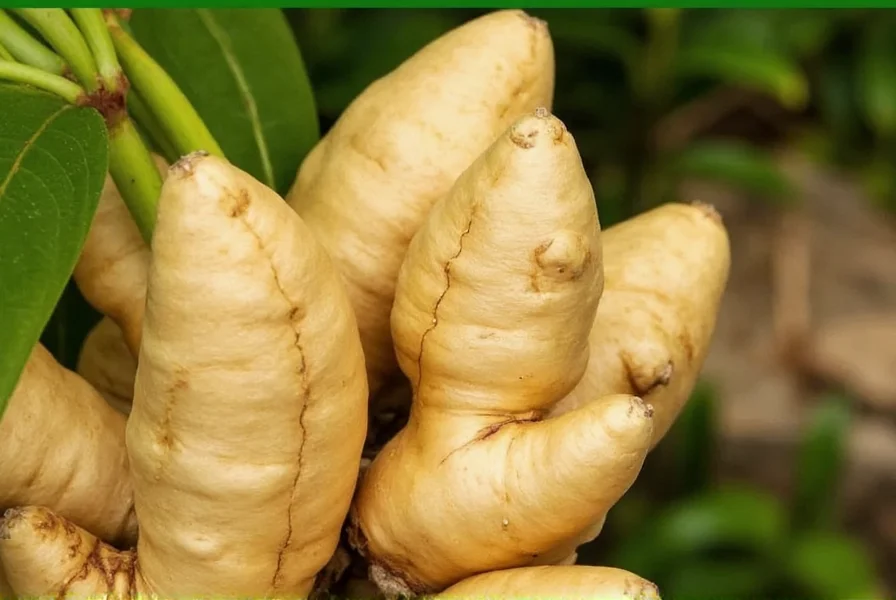
Harvesting Without Wrecking Your Crop
Timing is everything. For mature ginger, wait 8-10 months until leaves yellow and die back. Gently dig around the edges—don't yank! Brush off soil, but skip washing. Cure roots in a dry, shady spot for 3 days. Now, here's the kicker: you can harvest 'baby ginger' at 4-6 months. It's juicier, milder, and perfect for stir-fries. Just slice off what you need and rebury the rest.
Storage? Wrap in paper towels, stash in a crisper drawer. Lasts 3 weeks. For long-term, freeze chunks—they won't go mushy like store-bought.
5 Costly Mistakes I See Every Season
After two decades, these errors still make me wince:
- Planting too deep: >6 inches buries those precious eyes. Stick to 4-6 inches max—deeper = slower sprouts.
- Ignoring pH: Alkaline soil (pH >7) blocks nutrient uptake. Test your mix; add sulfur if needed. Virginia Tech's guide proves pH 5.5-6.5 is non-negotiable.
- Full sun exposure: Ginger hates harsh afternoon rays. Partial shade = happier plants. HOSS's data shows 2-5 hours of morning sun is ideal.
- Harvesting too early: 6 months gives small yields. Patience pays—Nigerian farmers wait 8-10 months for max rhizome development.
- Dry soil spells: Letting it parch stresses plants. Consistent moisture = plump rhizomes. Check soil daily in summer.
Everything You Need to Know
Yes, but with caveats. Most supermarket ginger gets treated with growth inhibitors like chlorpropham. For better success, choose organic roots with visible plump 'eyes' from Asian markets. Soak in water for 24 hours before planting to counteract inhibitors—Idyl's indoor guide confirms this boosts sprouting rates by 40%.
Don't panic—it's normal. Ginger sprouts slowly (3-6 weeks) in cool soil. Check two things: soil temperature must hit 70°F+, and rhizomes need consistent moisture. If temps stay below 65°F, move pots to a warmer spot like near a radiator. Also, ensure 'eyes' face upward; planting upside down delays growth. Nigeria's farming data shows sprouting fails below 55°F soil temps.
Water when the top inch of soil feels dry—not on a schedule. In summer, that's usually once a week; in winter, every 10-14 days. Overwatering causes root rot, so err on the dry side. Stick your finger in the soil: if it comes out clean, water lightly. Environmental Blog's guide notes ginger needs 1" of water weekly but hates soggy conditions.
Absolutely not. Ginger thrives in partial shade—think dappled light under trees. Full sun, especially harsh afternoon rays, scorches leaves and stresses rhizomes. In gardens, plant on the east side of buildings; indoors, use sheer curtains. HOSS's research proves 2-5 hours of morning sun maximizes growth without damage. If leaves turn yellow or brown, move it to shade immediately.
Mature ginger shows clear signs: leaves yellow and die back around 8-10 months, and the outer skin turns tough and fibrous. Gently brush soil to check rhizome size—they should be plump with segmented 'fingers'. For baby ginger (4-6 months), harvest when stems reach 6-8 inches tall; it'll have smoother, pinkish skin. Never wait for all leaves to die—it risks rot.
More Articles
 How to Grow Saffron (Kesar): Practical Home Guide
 Cinnamon Roll Cake with Cake Mix (2026)
 Simple Beef Steak Seasoning Recipe: Flavorful & Customizable
 Vegetable Curry Recipe: Simple & Ready in 30 Minutes
 Growing Chinese 5 Color Pepper Seeds: Complete Guide
 Green Goddess Dressing Recipe: Authentic Ingredients
 Buttermilk Chicken Recipe: Crispy, Juicy Results Every Time
 Lentil Dahl Recipe: Creamy Indian Comfort Food
 How to Label Spice Jars: A Simple System That Sticks
 How To Match Potato With Culinary Techniques, Dishes, and Global Cuisines