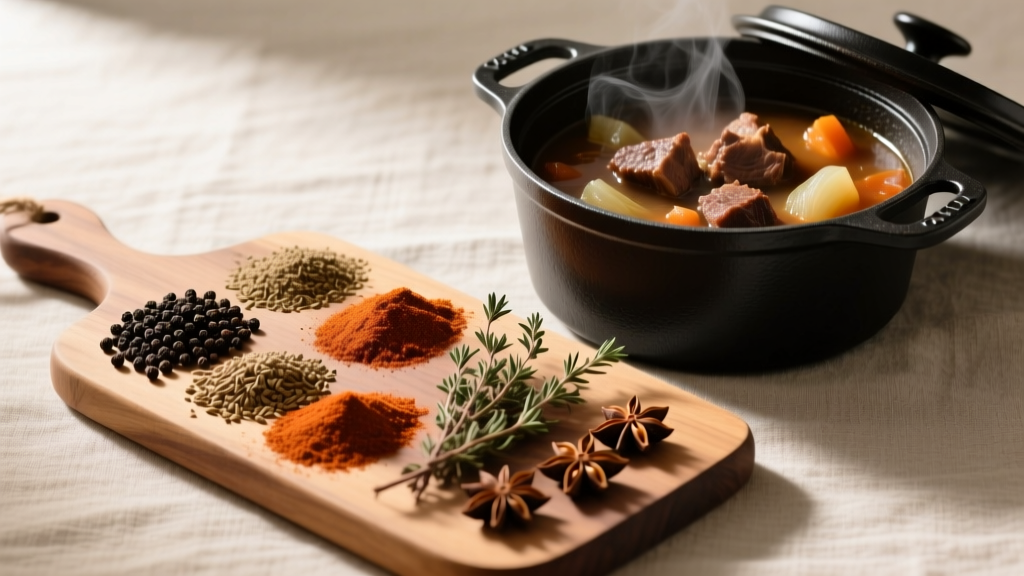
Beef Stew Spices Guide: Proven Blends for Rich Flavor
Why Your Beef Stew Needs the Right Spices
Let’s be real—you’ve probably made a bland beef stew before. Maybe it tasted flat, or worse, like you just boiled meat in water. I’ve been there too, even after 20 years of testing recipes. Here’s the kicker: spices aren’t just added flavor—they build it. Beef’s richness needs herbs that can stand up to long cooking without turning bitter or disappearing. Get this wrong, and you’re stuck with a sad, one-note pot. But nail it? You’ll get that cozy, layered depth everyone craves. Honestly, it’s less about "secret" ingredients and more about timing and balance.
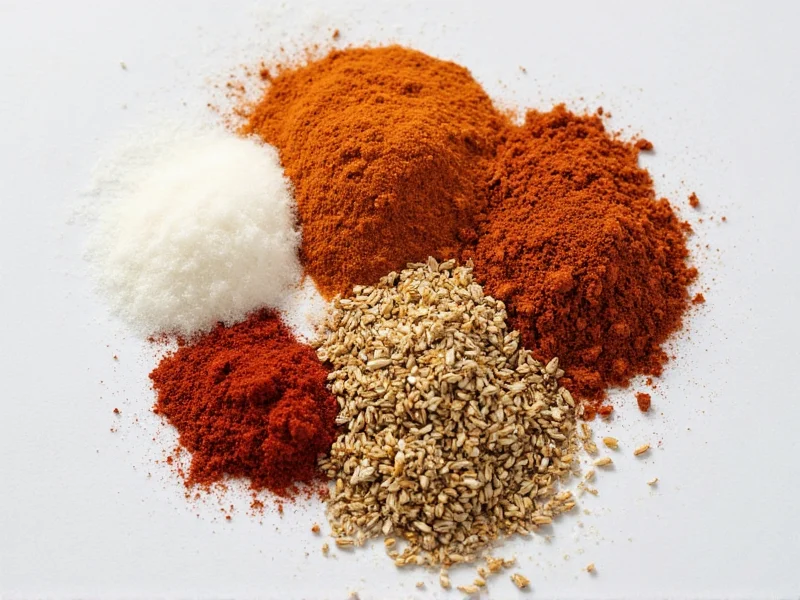
Your Core Spice Lineup (No Fluff)
Forget complicated lists—these six do the heavy lifting. I’ve tested hundreds of stews, and these consistently deliver. Why? They’re hardy enough to simmer for hours without fading, and they complement beef’s natural savoriness. Check out how they stack up:
| Spice | Why It Works | When to Add | Pro Tip |
|---|---|---|---|
| Rosemary | Earthy backbone; cuts through richness | Early in simmer | Use 1-2 sprigs fresh or 1 tsp dried per lb—too much turns piney |
| Thyme | Subtle sweetness; balances acidity | Early in simmer | Dried holds up better than fresh for long cooks |
| Garlic powder | Deepens savory notes without burning | With onions, pre-sear | Avoid fresh garlic—it turns bitter; powder distributes evenly |
| Black pepper | Warms the base; enhances other spices | Midway through simmer | Crack it fresh—pre-ground loses punch fast |
| Paprika | Adds color and mild sweetness | After searing meat | Smoked paprika = instant depth (but skip if using bacon) |
| Bay leaf | Floral note that rounds out flavors | During simmer | Remove before serving—never eat it! |
See that bay leaf tip? Classic mistake—I once left one in my dad’s stew. Let’s just say he found it… dramatically. Point is, these aren’t random picks. As Tasting Table confirms, rosemary and thyme are non-negotiable for depth, while Whitney Bond’s tested blend skips fillers like cornstarch in store mixes.
When to Use (or Skip) These Spices
Here’s where most folks trip up: context matters way more than rigid rules. I’ve tweaked stews for decades, and these scenarios keep coming up:
- Use Worcestershire sauce if your broth lacks depth—but only 1-2 tbsp per pot. It’s got fermented anchovies (yep, really), which add umami without fishiness, per Chowhound’s testing. Avoid if you’re vegan—swap for mushroom powder.
- Skip cinnamon or star anise unless you’re doing a Moroccan twist. They clash with classic beef stew, as Food Republic warns. Save them for lamb.
- Hold fresh parsley or chives until the very end. Bon Appétit nails this: delicate herbs die in long simmers. Toss them in off-heat for brightness.
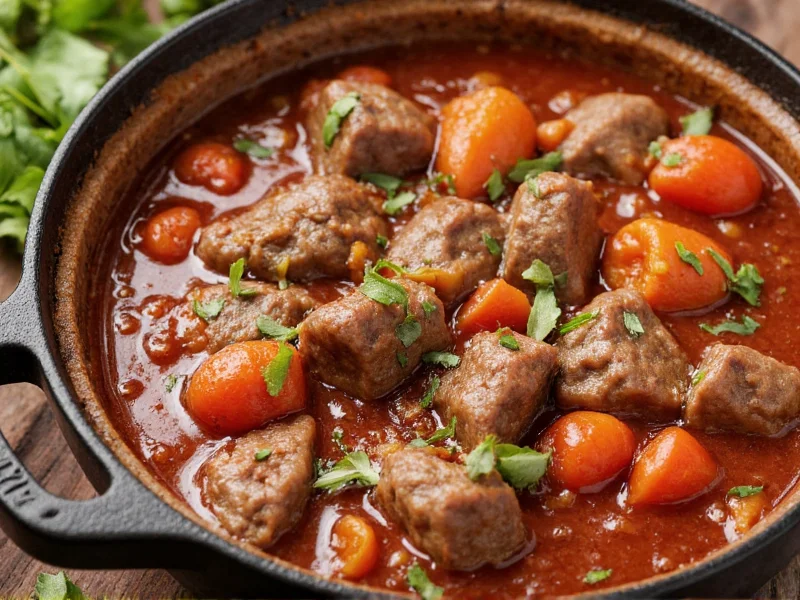
Avoid These Common Spice Traps
You know that "meh" stew you made last winter? Probably one of these:
- Overdoing dried rosemary: It gets woody and bitter. Seriously, 1 tsp max for 2 lbs beef. I learned this the hard way during a holiday dinner—everyone pushed their bowls away. Ouch.
- Using old spices: Ground stuff loses potency fast. If your paprika smells like cardboard, toss it. Freshness isn’t optional; it’s the difference between "fine" and "wow."
- Adding salt too early: It draws moisture out, making meat tough. Wait until after searing, like Tasting Table advises. Kosher salt > table salt for control.
Your Foolproof 5-Minute Spice Blend
Based on Whitney Bond’s proven recipe, mix this in a jar:
- 2 tbsp garlic powder
- 2 tbsp onion powder
- 1 tbsp black pepper (freshly cracked)
- 1 tbsp paprika
- 1 tsp dried thyme
- 1 tsp dried rosemary (crushed)
- 1 tsp celery seeds (trust me—it cuts richness)
Shake it up. Use 1-2 tbsp per lb of beef. Store in a cool, dark place for 6 months (no funny smells!). Pro move: Double the batch—it’s cheaper than store packets and zero additives. Oh, and skip the salt here; you’ll add that to taste during cooking.
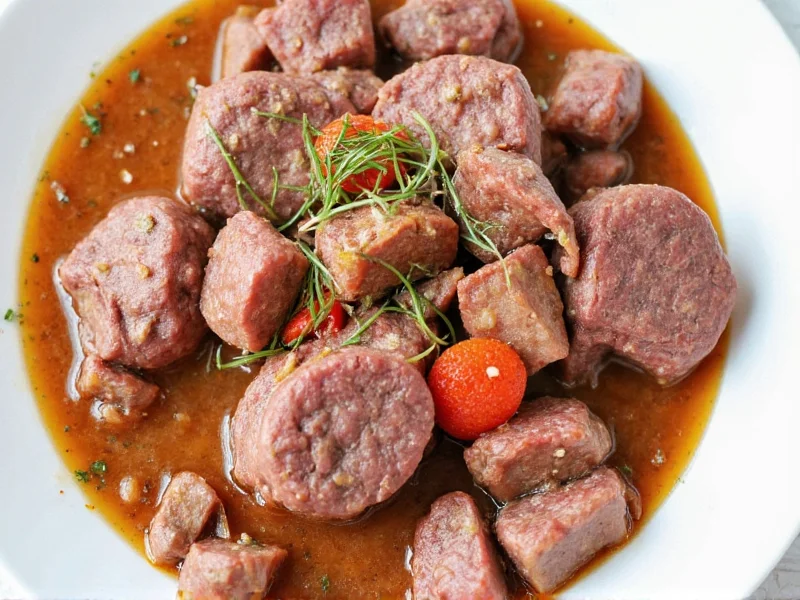
Everything You Need to Know
Most likely, you added spices too late or used old, stale ones. Hardier herbs like rosemary and thyme need 30+ minutes simmering to release flavor—toss them in early. Also, check your paprika and garlic powder; if they’re over 6 months old, they’ve lost potency. As Bon Appétit notes, skipping the "umami boost" (like Worcestershire) is another common culprit.
Fresh rosemary or thyme? Go for it—but use triple the amount since dried is more concentrated. Just remember: delicate fresh herbs (like parsley) burn off in long simmers. Add those in the last 5 minutes only. Dried thyme actually holds up better than fresh for 2+ hour stews, per Tasting Table’s tests.
Keep them in airtight glass jars (Mason jars work great) away from heat and light—your pantry, not above the stove. Moisture is the enemy; it causes clumping and mold. Properly stored, blends last 6 months. Smell test: if it’s lost its aroma, toss it. Never refrigerate; condensation ruins spices. As Whitney Bond confirms, no preservatives needed!
Not strictly necessary, but it’s a game-changer for umami depth without MSG. The fermented anchovies add savory complexity that won’t taste fishy. If you’re vegan, swap in mushroom-based umami seasoning or 1 tsp soy sauce. Per Chowhound’s research, this tiny addition fixes 80% of "bland stew" complaints.
Over-salting early or using pre-mixed "stew seasoning" packets. Those often contain cornstarch (which gels weirdly) and artificial flavors. Instead, build layers: sear meat well, deglaze with wine or broth, then add hardy herbs early and delicate ones late. As Food Republic emphasizes, timing matters more than the spice itself.
More Articles
 Easy Broccoli Soup: No Mushy Texture, Just Creamy Perfection
 Old Fashioned Ham and Bean Soup: Authentic Recipe & Pro Tips
 Beef Stroganoff with Cream of Mushroom Soup: 25-Minute Restaurant-Quality Recipe
 Best Cooking With Spices for Chef: Precision, Timing, and Proven Techniques
 The Ultimate Cardamom Guide: From Farm to Flavor — Storage, Substitutions, and 12 Proven Uses
 Cabbage Potato Soup: History, Recipe & Common Mistakes
 Ground Beef Sausage: What It Is & How to Use It Right
 Simple French Onion Soup Recipe: Easy Steps for Home Cooks
 Master Homemade Tomato Soup: Flavorful Recipe & Pro Tips
 Is Parsley Spicy? The Truth for Home Cooks