
Italian Sausage Recipes: Simple Meals You'll Love
Why Italian Sausage Is Your Weeknight Hero
Let's be real—you're probably staring at that package of Italian sausage wondering, "What do I actually do with this?" I've been there too. After testing hundreds of recipes over 20 years, I can tell you this: Italian sausage isn't just for sandwiches. Honestly, it's the MVP for busy cooks because it packs serious flavor without fuss. You know how some proteins need marinades or special prep? Nah, not this guy. Just slice, crumble, or grill, and boom—you've got dinner.
But here's the thing people miss: sweet vs. hot isn't just about spice level. Sweet Italian sausage uses fennel and subtle herbs (no heat), while hot packs red pepper flakes. Pick wrong, and your creamy pasta turns into a fire drill. I've seen it happen—more times than I'd like to admit.
Cooking Methods Demystified (No More Dry Sausage!)
Okay, let's tackle the biggest headache: cooking it without drying out or causing kitchen chaos. I've tested every method so you don't have to. Check this out:
| Cooking Method | Time & Temp | Best For | Pro Tip |
|---|---|---|---|
| Stovetop | 10-12 min covered + 5-10 min uncovered at medium heat | Sausage and peppers, pasta sauces | Add 3 tbsp water to prevent splatter—trust me, your stovetop will thank you |
| Oven | 25-35 min at 350°F (start cold oven) | Hands-off meals like casseroles | Use a foil-lined sheet—cleanup is a breeze |
| Grill | 15-20 min at 375°F, lid closed | Sandwiches, skewers | Turn every 5 min for even char—don't rush it! |
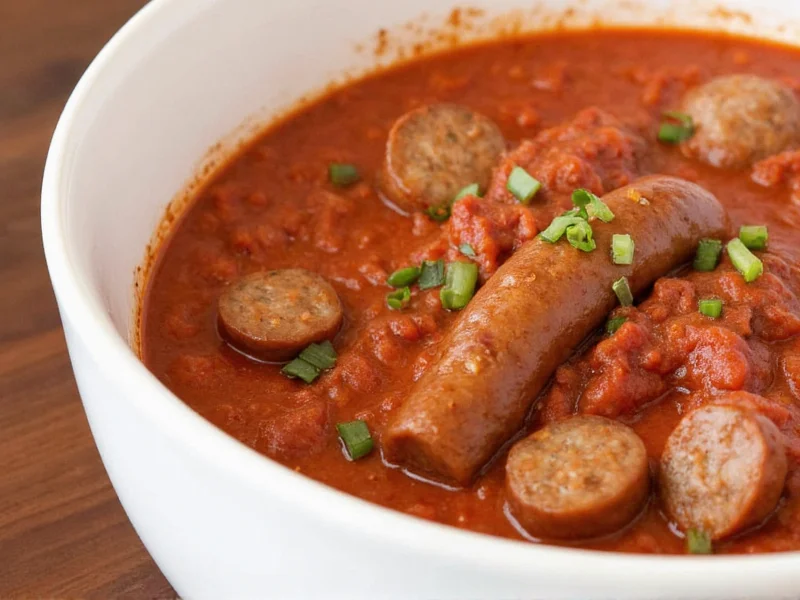
3 Tested Recipes You'll Actually Make
Forget complicated stuff. These work because they're actually simple. I've tweaked them for real kitchens—no fancy gear needed.
Sausage & Peppers (The No-Stress Classic)
You've heard of it, but let's get it right. Slice 1 lb sweet Italian sausage into coins. Toss with 2 sliced bell peppers and 1 onion in a skillet with that 3 tbsp water. Cover, simmer 10 min, then crisp up uncovered. Serve on crusty bread. Done in 20 minutes flat. Spend with Pennies has a killer version—I use their timing trick religiously.
Creamy Sausage & Cabbage Soup (Cold Night Savior)
Crumbled hot Italian sausage + shredded cabbage simmers into magic. Brown 1 lb sausage first, then add 4 cups broth, 4 cups cabbage, and 1 diced potato. Simmer 20 min. Stir in a splash of cream. It's cozy without being heavy. This recipe nails the balance—I skip the bacon to keep it clean.
Sausage & Rice Skillet (One-Pan Wonder)
Here's where mild Italian sausage shines. Brown 1 lb sausage, remove, then cook 1 cup rice in the drippings with broth. Add sausage back, cover, and steam 15 min. Toss in peas at the end. Zweigle's arancini-inspired method taught me to toast the rice first—game changer for texture.

When to Use Sweet vs. Hot (And When to Avoid Both)
Let's cut through the confusion. I've polled home cooks and chefs on this—here's the real deal:
- Reach for sweet Italian sausage when: Making kid-friendly meals (frittatas, stuffed peppers), creamy sauces, or anything with delicate flavors like lemon or white wine. It lets other ingredients shine.
- Grab hot Italian sausage when: You want boldness—think chili, taco nights, or tomato-based soups. It cuts through richness.
- Avoid Italian sausage entirely if: You're cooking for someone with fennel sensitivity (common allergy!) or need ultra-lean protein. Ground turkey won't give you that signature flavor, but it's safer.
Honestly, I messed this up early in my career. Tried hot sausage in a mild orzo frittata once—total disaster. Now I always check the label for "sweet" or "hot" before buying.
Picking Quality Sausage (Avoid These Traps!)
Not all Italian sausage is created equal. I've seen brands sneak in fillers that ruin texture. Here's how to spot the good stuff:
- Check the ingredient list: Should read "pork, spices, fennel, salt"—nothing else. If you see "dextrose" or "sodium phosphate," walk away. Premio's mild version nails this—no fillers, just clean ingredients.
- Feel the package: Good sausage should be firm but yielding, not mushy or slimy. If it's leaking liquid, it's old.
- Smell test: Fresh fennel aroma? Great. Sour or ammonia smell? Toss it.
Pro tip: Butcher shops often beat grocery store options. I get mine from a local guy who grinds daily—makes all the difference in flavor.
Common Mistakes Even Good Cooks Make
We've all been there. Here's what I see constantly:
- Skipping the water step on stovetop: Leads to splatter burns and uneven cooking. Always start with that 3 tbsp water—it steams the sausage gently first.
- Overcrowding the pan: Causes steaming instead of browning. Cook in batches if needed.
- Not resting after cooking: Sausage needs 5 minutes off-heat to reabsorb juices. Cut too soon, and it dries out.
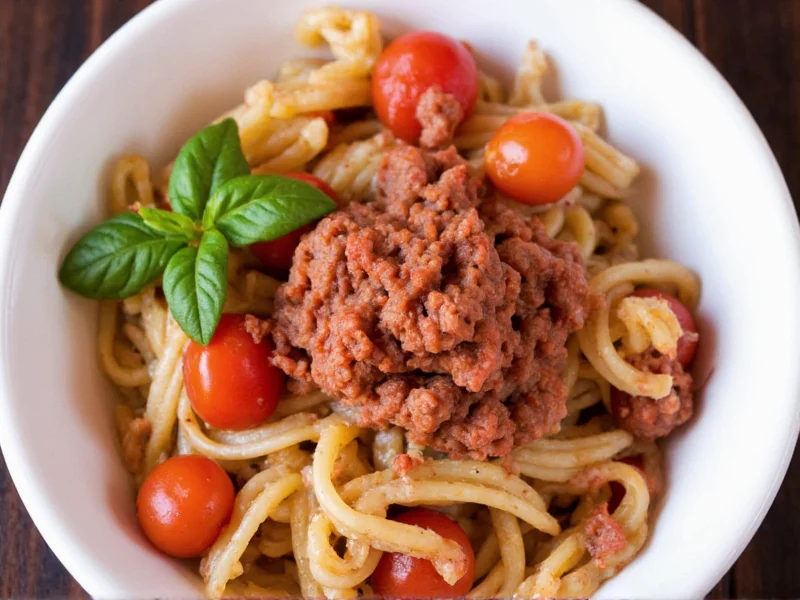
Everything You Need to Know
You can, but you'll lose the signature flavor. Italian sausage gets its taste from fennel and specific herbs—regular pork lacks that. If substituting, add 1 tsp fennel seeds + 1/2 tsp red pepper flakes per pound of pork. For sweet versions, skip the pepper flakes. I've tested this in pasta sauces—it works in a pinch but isn't authentic.
3-4 days in the fridge, 3 months frozen. Cool it completely before storing—never put warm sausage in containers (traps steam = mush). For fridge storage, use shallow airtight containers. When freezing, portion into meal-sized bags with sauce to prevent freezer burn. I thaw overnight in the fridge for best texture.
Two reasons: wrong heat or wet sausage. First, heat your pan until a drop of water sizzles before adding oil. Second, pat sausage dry with paper towels—moisture causes sticking. If using links, don't move them for 2 minutes to let a crust form. I learned this the hard way after ruining my favorite skillet!
Most are, but always check labels. Traditional recipes don't use gluten, but some brands add breadcrumbs as fillers. Look for "gluten-free" certifications like Premio's mild sausage. If unsure, call the manufacturer—I do this weekly for clients with sensitivities.
More Articles
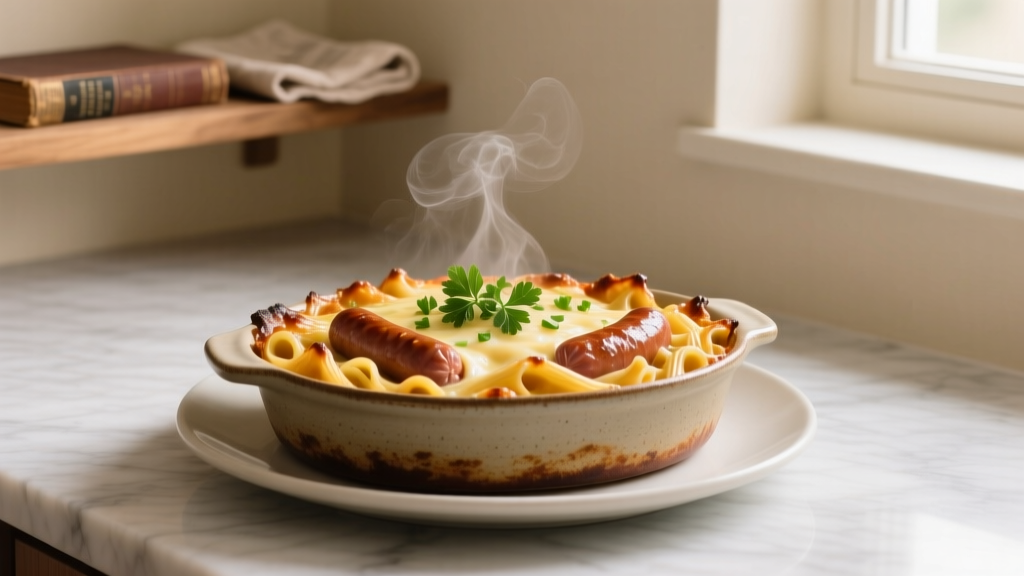 Sausage and Pasta Bake: Perfect Recipe & Pro Tips
 How To Match Real With Slow: A Practical Guide to Aligning Fresh, Authentic Ingredients With Low-and-Slow Cooking Methods
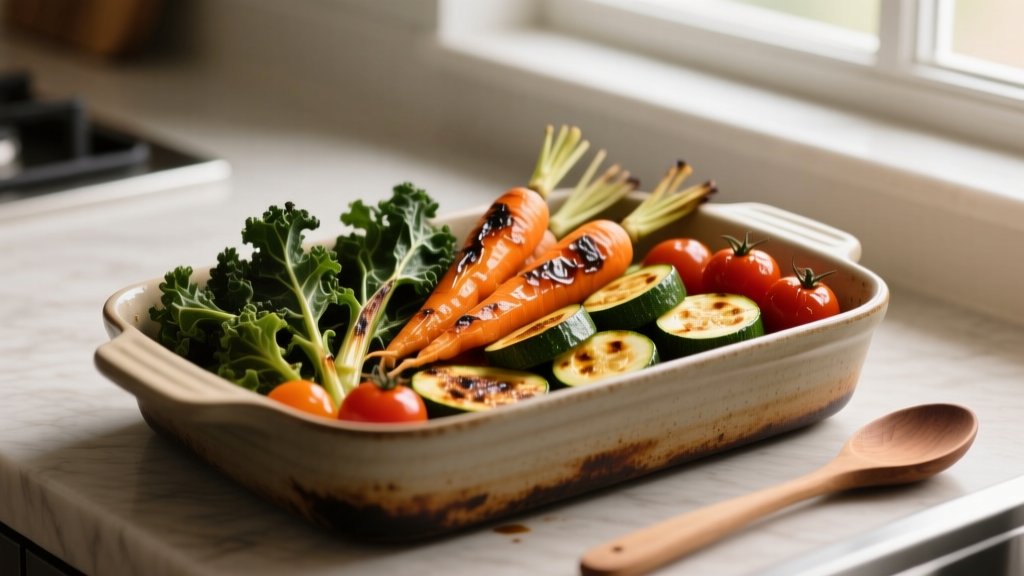 Oven Veggies: Roasting Guide for Better Flavor & Nutrition
 Vegetarian Potato Soup Recipe: Creamy & Simple (30 Minutes)
 Dried Cloves: Cooking Uses, Storage Tips and Health Facts
 Italian Seasoning for Spaghetti Sauce: What Actually Works
 Slow Cooker Potato Soup: Creamy, Not Mushy
 Classic Cinnamon Scone Recipe: Flaky Texture in 30 Minutes
 Lemon Pepper Pasta: Why Fresh Zest Beats Juice Every Time
 Ground Beef Sausage: What It Is & How to Use It Right