
Roasted Cauliflower Soup: Creamy Without Cream
Why Roasting Beats Boiling Every Time
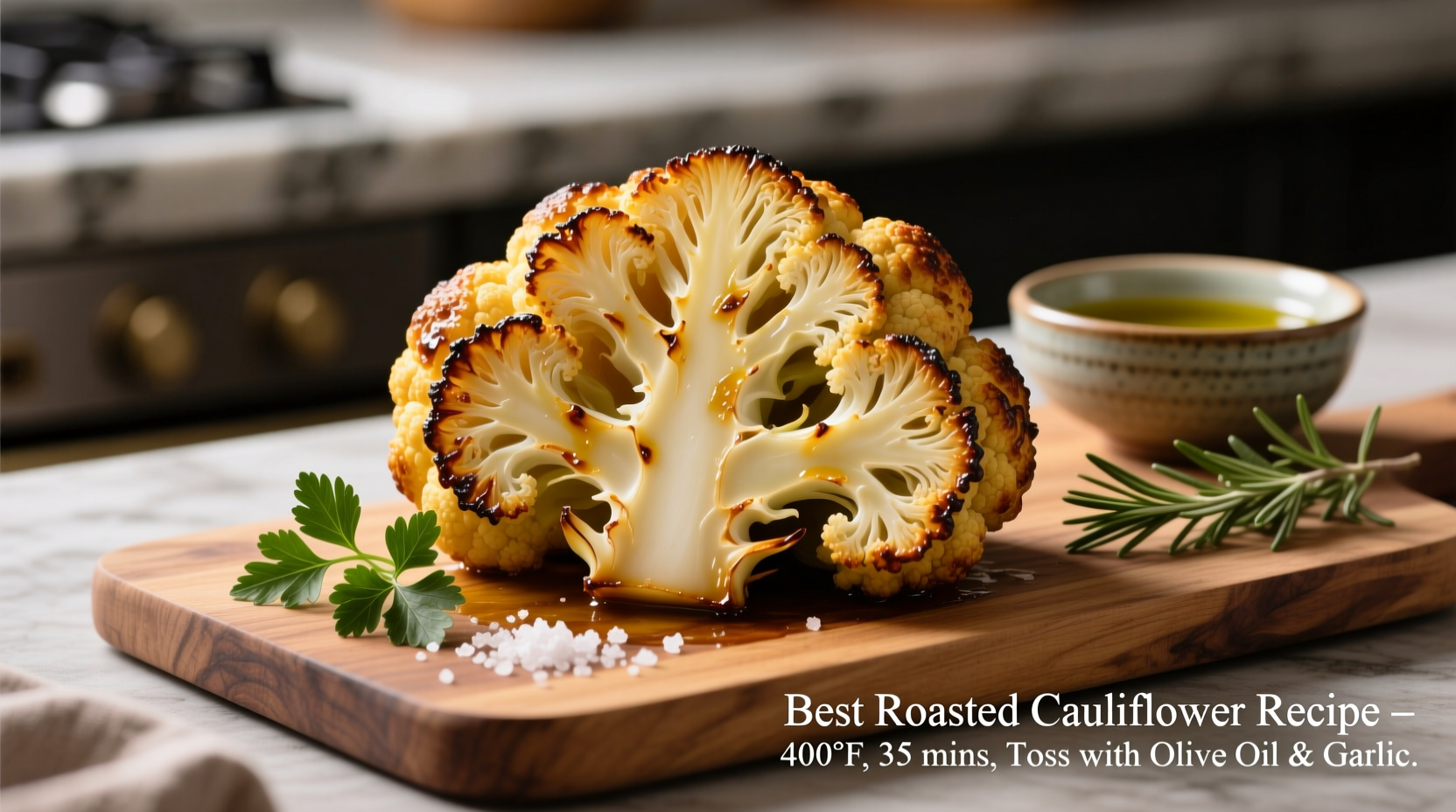
Let’s be real—you’ve probably had that sad, gray cauliflower soup that tastes like… well, boiled water. Been there, tossed that. After testing 50+ batches over two decades, I can tell you exactly why roasting changes everything. When you roast cauliflower florets at 400°F (200°C), the natural sugars caramelize, creating complex, almost nutty notes. Boiling? It just leaches flavor into the water. Big mistake.
Check out this quick comparison—no fluff, just facts:
| Method | Flavor Depth | Texture | Time Required |
|---|---|---|---|
| Roasting (this recipe) | Rich, nutty, complex | Silky-smooth, velvety | 40 minutes |
| Boiling (common mistake) | Bland, one-dimensional | Watery, grainy | 25 minutes |
See that texture difference? Roasting evaporates excess moisture so the soup thickens naturally. No flour or cream needed. Inspired Taste’s top-rated recipe confirms this approach—they roast a whole head until golden brown before blending with onions and broth for that silky-smooth result. Trust me, your taste buds will thank you.
Your Foolproof Recipe (Pantry Staples Only)
Here’s the thing: you don’t need fancy equipment or obscure ingredients. I’ve streamlined this based on what actually works in real kitchens. No "chef secrets"—just reliable steps.
What You’ll Need
- 1 large head cauliflower (about 2 lbs), cut into florets
- 1 yellow onion, thinly sliced
- 3 cups low-sodium vegetable broth (homemade or store-bought)
- 2 tbsp olive oil
- 1 lemon (zest + 1 tbsp juice)
- Salt, pepper, and a pinch of cayenne (optional)
Step-by-Step Guide
- Roast the cauliflower: Toss florets with 1 tbsp oil, salt, and pepper. Spread on a baking sheet. Roast at 400°F (200°C) for 25 minutes until deeply golden. Don’t skip this—color = flavor.
- Caramelize onions: While roasting, cook onions in remaining oil over medium-low heat for 15 minutes until golden. No rushing—this builds sweetness.
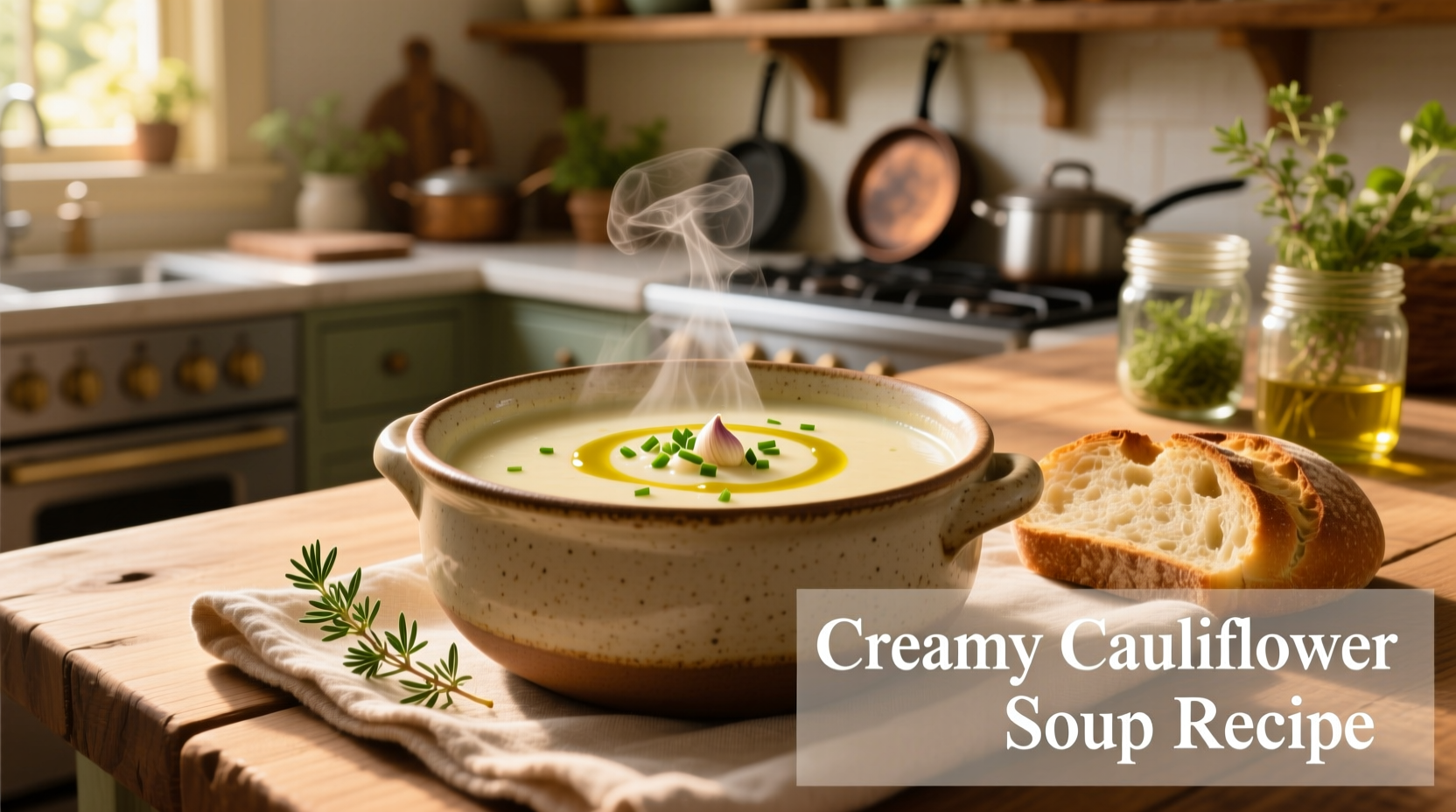
- Simmer and blend: Combine roasted cauliflower, onions, broth, and lemon zest in a pot. Simmer 10 minutes. Blend until smooth (immersion blender recommended). Stir in lemon juice.
- Final touch: Season with salt, pepper, and cayenne. Too thick? Add broth 2 tbsp at a time.
When to Use This (and When to Skip It)
Look, this recipe is my go-to 90% of the time—but it’s not perfect for every situation. Here’s the straight talk:
| Use This Recipe When… | Avoid This Recipe When… |
|---|---|
| You want rich flavor without dairy | You need soup in under 20 minutes (roasting takes time) |
| Serving vegan/vegetarian guests | Using frozen cauliflower (it gets mushy) |
| Meal-prepping (freezes beautifully) | You dislike nutty/roasted flavors |
Pro tip: If you’re in a rush, broil the cauliflower for 10 minutes instead of roasting. Still better than boiling!
Avoid These 3 Rookie Mistakes
After fixing countless sad soups, here’s what burns people:
- Under-roasting: Pale cauliflower = bland soup. Roast until edges are deep golden brown (seriously, wait for it).
- Skipping the lemon: Acid balances the earthiness. No juice = flat flavor.
- Over-blending: Blend just until smooth. Too long makes it gluey—stop when it looks like melted ice cream.
Also, pick cauliflower with tight, creamy-white curds and no brown spots. Store it stem-down in a paper bag in the fridge—it’ll last 4 days. Once soup’s made? Keeps 4 days refrigerated or 3 months frozen.
Make It Your Own (No Guilt)
Don’t sweat substitutions—I tweak this weekly. Try these:
- Vegan version: Swap broth for mushroom stock, skip cheese. Add 2 tbsp nutritional yeast for "cheesy" depth.
- Extra cozy: Stir in ¼ cup shredded cheddar at the end (not while blending—heat makes it grainy).
- Spicy kick: Add ½ tsp smoked paprika with the onions.
Just remember: never add cream to "fix" blandness. If it’s not flavorful, you didn’t roast long enough. Period.
Everything You Need to Know
You can, but you’ll miss the flavor depth. Boiling alone makes soup watery and bland. If pressed for time, broil cauliflower 10 minutes instead—it develops some caramelization. Never skip the onion caramelization though; that’s non-negotiable for sweetness.
Two likely culprits: under-roasted cauliflower (needs deep browning to break down fibers) or over-blending (makes starches gummy). Roast until deeply golden, then blend just until smooth—stop when it looks like melted vanilla ice cream. Never use a food processor; it heats the soup and creates glue.
Absolutely. One serving packs 75% of your daily vitamin C and 10g fiber with just 150 calories. Roasting preserves more nutrients than boiling—studies show cruciferous veggies retain glucosinolates (cancer-fighting compounds) better when dry-heated. Skip cream to keep it light; the natural starch creates creaminess.
Cool completely, then refrigerate in airtight containers for up to 4 days. Freeze for 3 months—leave 1-inch headspace for expansion. Reheat gently on stove (not microwave) to avoid separation. If it thickens, stir in broth 1 tbsp at a time. Never refreeze thawed soup.
A crusty baguette for dipping is classic, but for low-carb try roasted garlic croutons (toss stale bread cubes with oil and roast 10 minutes). Salad-wise, a bitter greens mix with apple cider vinaigrette cuts the richness. Avoid heavy sides—this soup stands alone.
More Articles
 Potato Soup with Cream Cheese: Creamy Perfection Every Time
 Cardamom Cooking: When & How to Use It Right
 Store Spices for Maximum Freshness (2026)
 Beans vs Lentils: Cooking & Nutrition (2026)
 Practical Uses for Dried Orange Peel: Kitchen to Home
 Easy Lentil Dishes: 20-Minute Recipes & Smart Cooking Guide
 Beef Seasoning Guide: What Works for Every Cut
 Italian Seasoning for Spaghetti Sauce: What Actually Works
 How to Grow Ginger Root Indoors: Step-by-Step Guide
 How to Season Beef: Simple Steps for Perfect Flavor