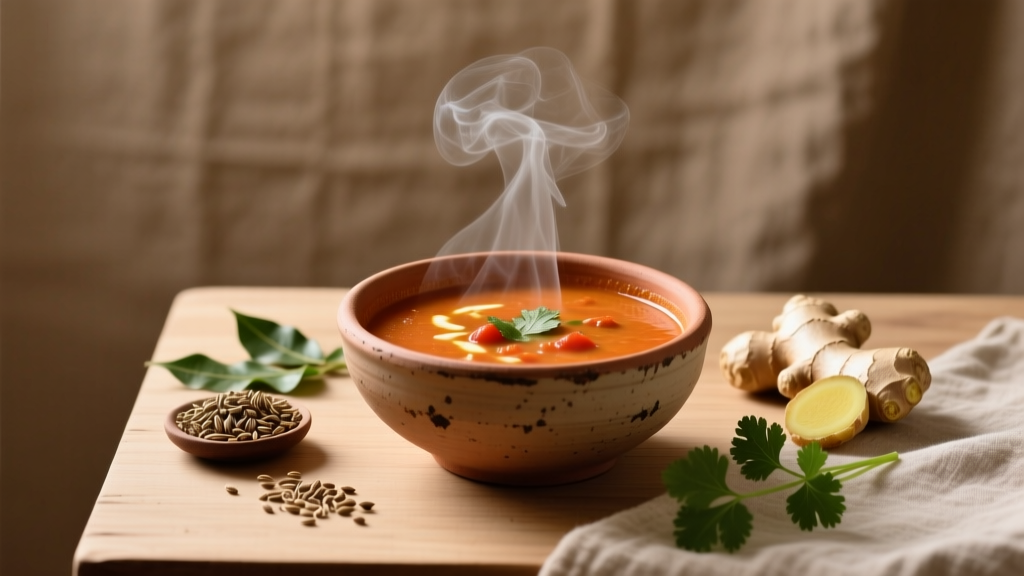
Indian Soup Recipes: Simple Steps & Cultural Tips
Why Your Indian Soup Keeps Falling Flat (And How to Fix It)
Let's be real—you've probably tried making Indian soup only to end up with something bland or overly spicy. Happens to the best of us. The culprit? Often stale spices or skipping the tadka (tempering step). Freshly roasted cumin seeds release oils that bottled powders just can't match. I've tweaked hundreds of recipes over 20 years, and trust me: that 30-second sizzle of spices in hot oil makes or breaks the dish. Another headache? Soups turning watery. Solution: Roma tomatoes (not juicy varieties) and a splash of cream or cashew paste for body. You know how street vendors nail it? They never rush the spice blooming.

Railway Style Tomato Soup: Your New Weeknight Hero
Honestly, this Rajdhani train staple is the perfect entry point. Forget complicated curries—it’s ready in 25 minutes with pantry staples. The original Railway Style Indian Tomato Soup recipe uses beet for earthy sweetness (no sugar needed!) and Kashmiri chili for color without brutal heat. Pro tip: Skip the Instant Pot; stovetop simmering lets flavors meld better. Here’s the streamlined version I use daily:
- Sauté 1 chopped onion + 2 tbsp ginger-garlic paste in 1 tbsp ghee until golden
- Add 500g Roma tomatoes, 1 small grated beet, 1 tsp garam masala, ½ tsp Kashmiri chili
- Pour in 500ml veg stock, simmer 15 mins
- Blend smooth, stir in 2 tbsp cashew cream (soak 10 cashews in hot water first)
- Garnish with fresh basil—never dried
Crucially, skip sugar. As noted in the original railway chef’s notes, tomatoes’ acidity balances naturally when cooked down properly.
Indian Soup Showdown: Pick the Right One for Your Night
| Soup Type | Best For | Prep Time | Watch Out For |
|---|---|---|---|
| Railway Tomato | Quick dinners, cold days | 25 mins | Don’t skip beet—it cuts acidity naturally |
| Moong Dal | Post-illness recovery, light lunches | 40 mins | Rinse lentils well to avoid foam |
| Chicken Mulligatawny | Crowd-pleasing dinners | 50 mins | Use bone broth for depth—water won’t cut it |
When to Use (Or Ditch) These Soups
Let’s talk real talk about usage. Railway Tomato Soup? Ideal for rushed weeknights or when you need comfort without heaviness—perfect post-yoga or during monsoon season. But skip it if tomatoes trigger acid reflux; swap in roasted pumpkin for similar creaminess. Moong Dal shines when you’re feeling under the weather (it’s gut-soothing!), yet avoid it if you’re on a low-fiber diet post-surgery. And chicken mulligatawny? Great for impressing guests, but hold off if serving vegetarians—cross-contamination with chicken broth ruins authenticity. Always check spice freshness; stale turmeric won’t deliver the anti-inflammatory benefits science confirms.
Spotting Quality Spices: No More Dusty Jars
Here’s how I vet spices after decades in kitchens: rub a pinch of cumin between your palms. If it smells like warm earth (not cardboard), it’s fresh. Turmeric should stain your fingers yellow instantly—no fading. For cardamom, split a pod; seeds must be sticky and green, not gray. Skip anything sold in clear bags; light kills potency. Oh, and that 'organic' label? Often a trap. Many brands repackage old stock with new labels. Stick to Indian grocers who grind daily—I’ve seen 'premium' supermarket spices lose 70% potency in 6 months. Pro move: buy whole spices and toast them yourself. Your soup’s depth depends on it.
5 Mistakes Even Seasoned Cooks Make
- Over-blending: Pureeing hot soup causes splatters and dulls flavors. Let it cool 5 mins first.
- Ignoring regional differences: South Indian soups use curry leaves; North Indian skip them. Don’t wing it.
- Adding cream too early: It curdles. Stir in at the very end, off-heat.
- Skipping the vaghar: That final tempering of cumin in ghee? Non-negotiable for aroma.
- Using water instead of stock: As spice health studies show, stock carries flavor compounds better.
Everything You Need to Know
Nope, that’s a total myth. Traditional Indian soups like dal or shorba focus on flavor balance, not heat. Kashmiri chili adds color without burn, and many recipes skip cayenne entirely. If a recipe feels too spicy, stir in a spoon of yogurt—it cools without watering down taste.
Turmeric’s curcumin fights inflammation, while cumin aids digestion—backed by studies like those on spice health benefits. But here’s the kicker: spices must be fresh and cooked properly to activate these compounds. Stale turmeric? Zero benefits. Always bloom spices in oil to unlock their full potential.
Yes, but with caveats. Dairy-based soups (like creamy tomato) separate when thawed. Solution: freeze without cream, then stir it in after reheating. Lentil or vegetable soups freeze great for 3 months. Pro tip: portion in ice cube trays first, then bag—lets you thaw single servings without waste. Never refreeze once thawed.
Soaked cashews blended smooth are king—adds richness without nuttiness. Coconut milk works for Southeast Asian-inspired soups but clashes with North Indian flavors. Avoid silken tofu; it turns grainy. For Railway Tomato Soup specifically, skip cream entirely and use the beet’s natural sweetness. Trust me, it’s richer than you think.
More Articles
 Easy Broccoli Soup: No Mushy Texture, Just Creamy Perfection
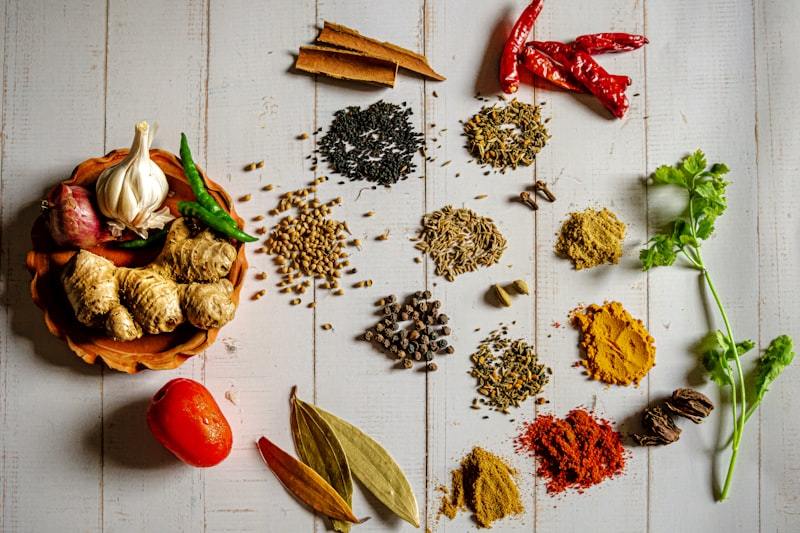 How to Make Spice-Infused Oils at Home: Safe & Easy Guide
 Sausage and Egg Muffins: Meal Prep Breakfast Guide
 Cumin Rice: Foolproof Guide to Perfect Jeera Rice Every Time
 Chicken Noodle Soup Seasonings: Essential Guide
 How to Tell If Sausage Is Bad: Spoilage Signs & Safety
 The Ultimate Cardamom Guide: From Farm to Flavor — Storage, Substitutions, and 12 Proven Uses
 Cumin in India: Your Essential Guide to Jeera
 Essential Herbs to Perfect Your Beef Stew
 Half Onion to Onion Powder Conversion Guide