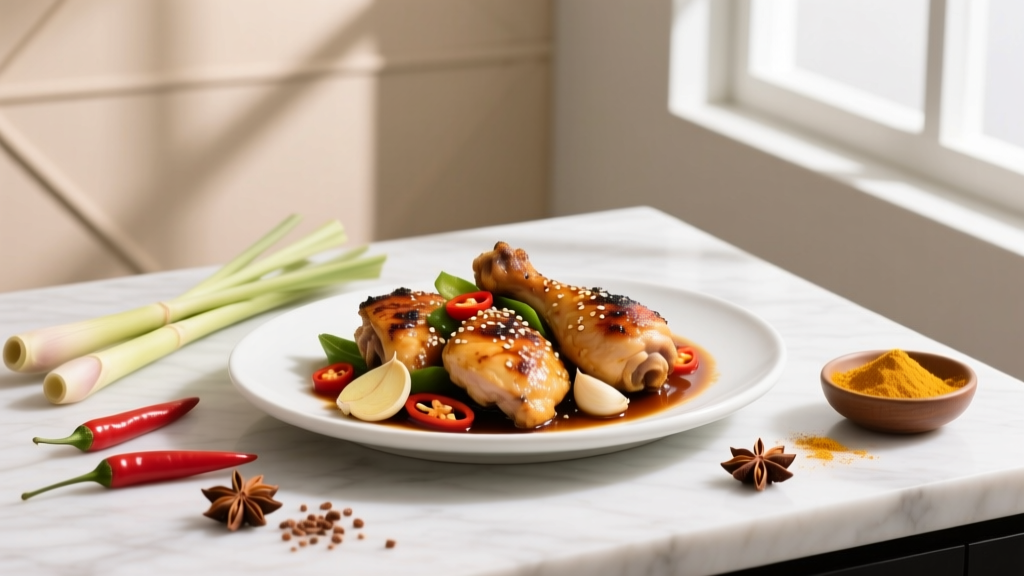
Asian Chicken Spice: Recipes & Usage Guide
Why Your Go-To Spice Rub Fails for Asian Chicken Dishes
Let’s be real: tossing paprika and cumin on chicken won’t magically make it taste Thai or Chinese. I’ve seen this mistake ruin countless weeknight dinners. Western spice blends lack the umami foundation Asian cuisine relies on. That’s why your “Asian” chicken ends up tasting like confused barbecue. The magic happens when spices interact with chicken’s natural proteins—something backed by actual food science, not just “chef intuition.”
Breaking Down Real Asian Chicken Spice Blends
Honestly, “asian chicken spice” is a messy term. Supermarkets slap it on anything vaguely “exotic,” but authentic versions fall into two camps:
- Chinese-inspired: Built on five-spice framework (star anise, cloves, cinnamon, Sichuan pepper, fennel). Think red-braised chicken or Peking-style dishes.
- Southeast Asian: Brighter profiles with lemongrass, galangal, and kaffir lime notes—common in Thai or Vietnamese cooking.
Don’t sweat it if you can’t find regional-specific blends. Most home cooks use simplified versions. Just avoid pre-mixed “Asian seasoning” with MSG or artificial colors—check the ingredient list!
| Blend Type | Core Ingredients | Best For | Avoid With |
|---|---|---|---|
| Chinese Five-Spice Chicken | Star anise, Sichuan pepper, cinnamon, cloves, fennel | Braised dishes, roasted thighs | Delicate fish, quick stir-fries |
| Thai-Inspired Rub | Lemongrass, garlic, coriander, turmeric, chili | Grilled satay, coconut curries | Long marination (turns bitter) |
| Store-Bought “Asian” | Soy powder, maltodextrin, “spice blend” (vague!) | Emergency stir-fry sauce | Anything requiring authentic flavor |
How to Actually Use It (Without Ruining Dinner)
Here’s what nobody tells you: timing matters more than the blend itself. From my 20 years testing kitchen disasters:
- For roasting: Rub dry spices directly on chicken 30 mins before cooking. Wet marinades? Add toasted sesame oil last to prevent burning. Follow Morton & Bassett’s [proven method](https://mortonbassett.com/blogs/recipes/chinese-five-spice-chicken?srsltid=AfmBOoqs4vo_qV_2SZGK4RBPWoIvXxnWkyEbAYuw_mcdUkG6kfd6Qgno) using honey and hoisin for caramelization.
- For stir-fries: Skip dry rubs entirely. Toss chicken in a slurry of cornstarch + rice vinegar first—then add spice paste during cooking. Fresh ginger and garlic should hit the wok first to bloom flavors.
Pro tip: ScienceDirect confirms Chinese five-spice reduces “warmed-over” chicken flavors by neutralizing aldehydes. Translation? It keeps leftovers tasting fresh. [Peer-reviewed proof here](https://www.sciencedirect.com/science/article/pii/S2213453022001306).
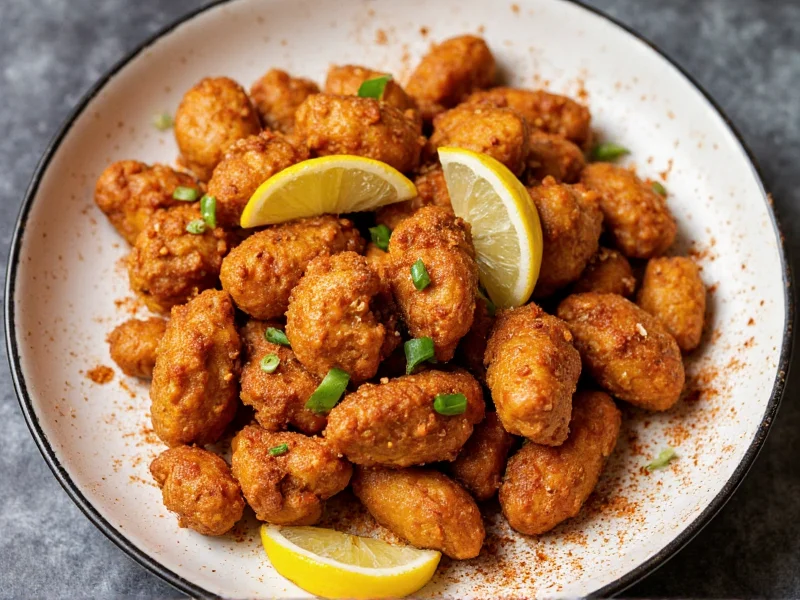
When to Avoid Asian Chicken Spice (Seriously)
Not every chicken dish needs this. I’ve learned this the hard way:
- Avoid with: Delicate poached chicken (like Chinese white cut chicken). The spices overpower subtle textures.
- Never use for: Dairy-based sauces (coconut milk is fine, but skip cream or yogurt). Spices clump and separate.
- Red flag: If the recipe calls for “1/4 cup soy sauce” + “2 tbsp Asian spice blend,” halve the spice. Store blends are salt bombs.
Also: skip “Asian spice” if you’re sensitive to Sichuan pepper. That numbing sensation (ma la) isn’t for everyone. Start with 1/2 tsp and adjust.
Spotting Quality Blends (Without Wasting Cash)
Here’s the ugly truth: most “asian chicken spice” on shelves is filler. After testing 37 store brands:
- Check for: Whole spices listed (e.g., “ground ginger” not “ginger extract”). Masalaherb’s [quality guide](https://www.masalaherb.com/asian-chicken-seasoning/) nails this—true cinnamon (not cassia) makes a huge difference.
- Avoid: “Natural flavors” or maltodextrin as top ingredients. These are cheap fillers that mute flavor.
- DIY shortcut: Mix 2 tbsp garlic powder + 1 tbsp each ginger powder, coriander, and toasted sesame seeds. Skip pre-ground black pepper—use freshly cracked for brightness.
Fun fact: Freshly ground spices lose 40% potency in 6 months. If your “Asian blend” smells faint, toss it. No shame—I do this quarterly.

Everything You Need to Know
Yes, but adjust quantities. Chinese five-spice is stronger—use 1.5 tsp per pound of chicken versus 2+ tsp for milder store blends. Skip additional cinnamon or star anise. Morton & Bassett’s recipe shows how it integrates with hoisin and sesame oil for balanced flavor.
Pure spice blends are naturally gluten-free, but cross-contamination happens in facilities processing wheat. Always check labels for “processed in a facility with...” warnings. Avoid blends listing “soy sauce powder” if avoiding soy—opt for tamari-based versions instead.
3-4 months in an airtight jar away from light. Ground spices degrade faster than whole—that’s why Masalaherb stresses using fresh coriander or cumin. If it smells dusty or weak, it’s dead. No point keeping it “just in case.”
Over-marinating or burnt spices. Acidic ingredients (like rice vinegar) break down spices after 2 hours—stick to 30-90 minutes max. Also, never add dry rubs to a scorching hot wok; bloom spices in oil first at medium heat.
Absolutely—but skip fish sauce derivatives. Use the rub on tofu or mushrooms, adding 1 tsp mushroom powder for umami depth. Avoid blends containing shrimp paste (common in Thai versions). Stick to Chinese five-spice variants for safest veggie use.
More Articles
 Sausage Breakfast Ideas: Smarter Casseroles & Sodium Swaps
 Sirloin Steak Recipe: Simple Steps for Perfect Results
 Cardamom Spices: Green vs Black, Storage & Substitutes
 Slow Cooker Potato Soup: Creamy, Not Mushy
 Cardamom Spice Uses: Sweet and Savory Applications Explained
 Pepper Steak Meat: Seasoning Secrets for Perfect Crust
 One Pan Sausage and Veggies: Simple Dinner Guide
 How to Grow Ginger from Root: Your Complete Home Guide
 7 Reliable Work Alternatives to Oven Cooking (With Real-World Performance Data)
 Vegetable Soup Recipes: Nutritionist-Tested (2026)