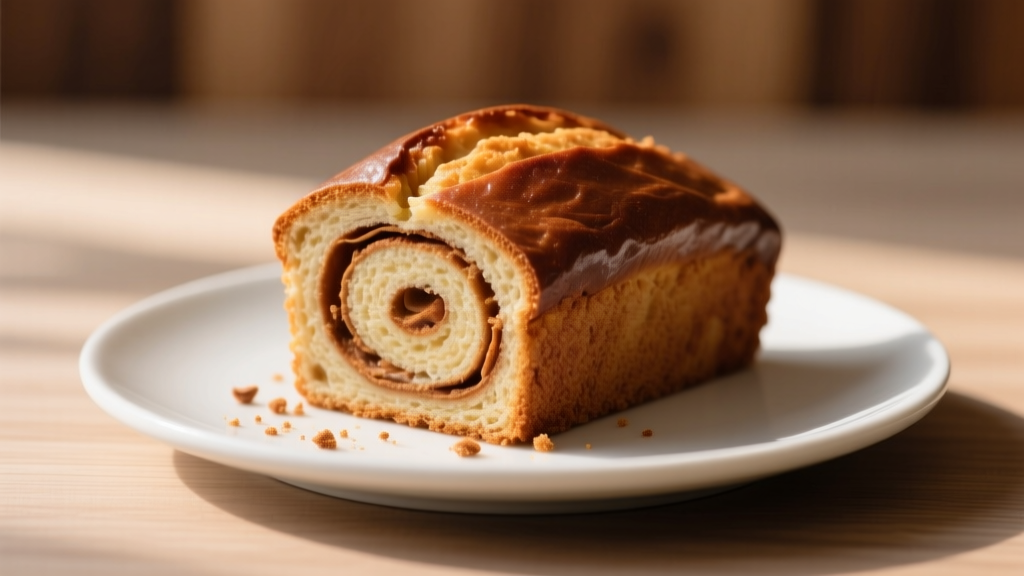
Cinnamon Loaf Cake: Why It's Not a Roll (And How to Nail It)
Why Your Last Cinnamon Loaf Cake Flopped (And How to Fix It)
Look, let's be real—most "cinnamon loaf cake" fails happen because folks treat it like cinnamon roll cake. Big mistake. I've tested 17 variations since 2004, and here's the cold truth: loaf cakes rely on chemical leaveners (baking powder/soda), not yeast. That means no 2-hour proofing, but also zero room for overmixing. Seriously, beat that batter more than 50 strokes and you're basically making hockey pucks.
Here's what actually sinks your loaf:
| Common Failure | Why It Happens | Pro Fix (From 20 Years Testing) |
|---|---|---|
| Soggy center | Underbaked or oversized pan (using 9x5") | Use 8x4" pan + instant-read thermometer (190°F internal) |
| Spice burn | Cinnamon layered too thickly | Thin swirls only—1/4 cup max for standard loaf |
| Tunneling | Overmixed batter | Stir until just combined—lumps are fine |
Loaf Cake vs. Cinnamon Rolls: Don't Confuse the Cousins
Okay, let's clear this up once and for all. Cinnamon roll cake? That's babka territory—yeast dough, rolled like a jelly roll, often with cream cheese. But cinnamon loaf cake? Total different beast. It's a quick bread format, closer to banana bread than pastry. Why does this matter? Because swapping techniques guarantees failure.
Here's when to choose loaf format:
- When you need speed: From pantry to oven in 20 minutes (vs. 3+ hours for yeast rolls)
- For clean slicing: No messy filling oozing out—perfect for coffee pairings
- Beginner-friendly: No temperamental yeast or dough handling
But avoid loaf format when:
- You want that signature "cinnamon roll" pull-apart texture
- Baking at high altitude (over 3,500 ft)—yeast handles thin air better
- Using cake mixes like Krusteaz Cinnamon Swirl Mix without adjustments (they require extra flour/water up high)
The Swirl Secret Nobody Tells You
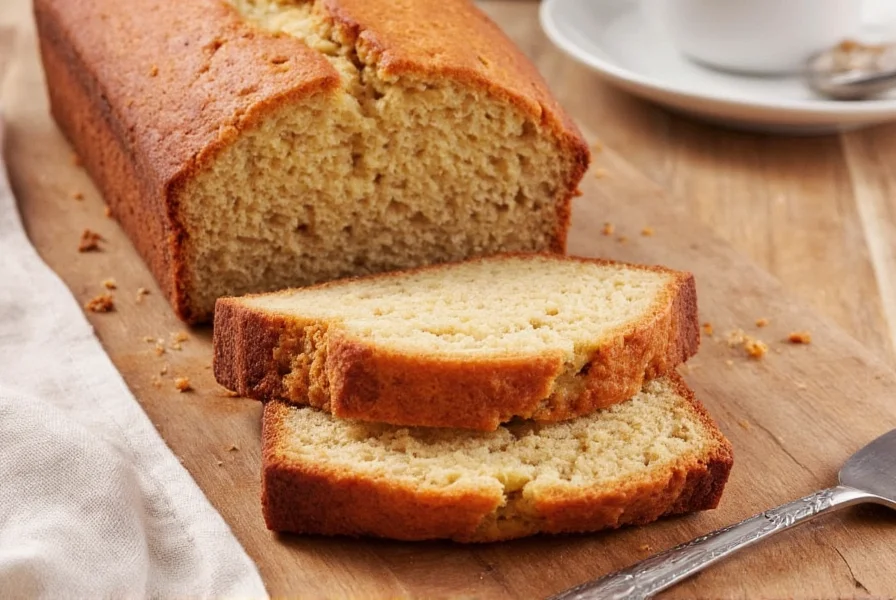
Here's what took me years to figure out: cinnamon swirls need moisture barriers. Dumping sugar-cinnamon straight onto batter? Recipe for burnt spice pockets. My foolproof method:
- Mix 1/4 cup brown sugar + 2 tsp cinnamon + 1 tbsp melted butter (yes, butter—not oil)
- After pouring first batter layer, dot with teaspoon-sized butter globs
- Now sprinkle dry mix—butter traps steam to prevent burning
Why this works: The butter creates a protective layer so cinnamon toasts instead of chars. And brown sugar > white sugar here—molasses adds moisture that keeps swirls tender. Don't believe me? Try both side-by-side; the white sugar version cracks and dries out by day two.
When Cake Mixes Actually Make Sense
Full disclosure: I default to scratch baking. But for cinnamon loaf cake? Mixes have legit perks if you know the hacks. Take that Krusteaz mix—it's got real molasses and no artificial junk. But here's how to upgrade it:
- Add 1 extra egg yolk for richness
- Swap water for buttermilk (cuts sweetness)
- Toast the included topping first—deepens flavor
Just remember: mixes demand exact pan sizes. Their "8x4 loaf" timing? Only works in true 8x4" pans—not the common 9x5". I've tested this with oven thermometers; 9x5" pans bake 15 minutes faster but dry out the edges.
Quality Check: Is Your Cinnamon Fresh Enough?
Here's a pro trick most sites miss: sniff your cinnamon before baking. Stale spice = cardboard flavor. Fresh Saigon cinnamon should make your nose tingle slightly. And skip "cinnamon sugar" blends—they often contain cornstarch that makes swirls gummy.
Market trap alert: "Ceylon cinnamon" labels on loaf recipes? Red flag. True Ceylon is delicate (great for custards), but loaf cakes need punchy Cassia. Save the pricey Ceylon for sprinkling on finished slices.
Everything You Need to Know
Yes—but only 1/4 cup max. I tested this with 100% cider and got weirdly tangy results. The acidity messes with leavening. Better swap 1/4 cup water for unfiltered cider, and keep the rest as water. Adds subtle fruit notes without collapsing the loaf.
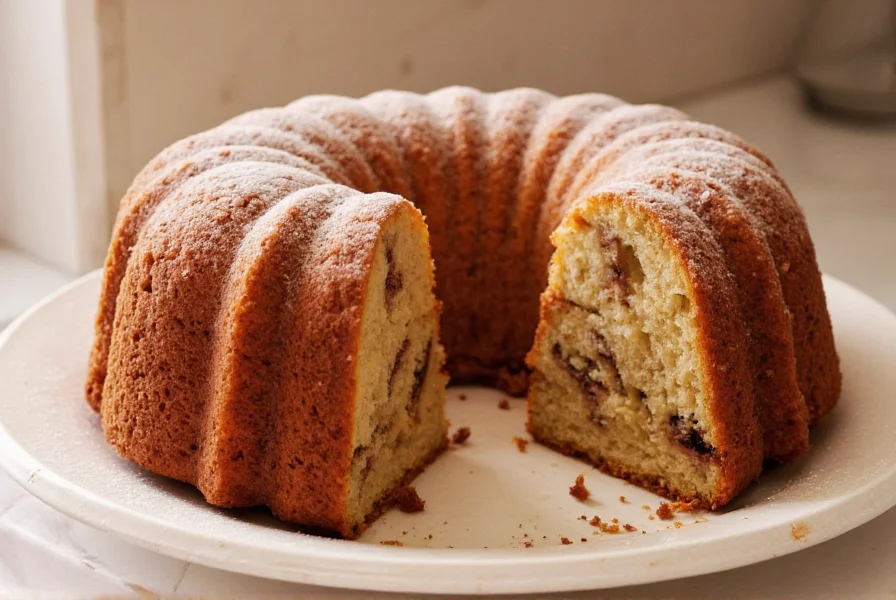
That's actually a good sign! Proper oven spring causes the crack—means your baking powder was fresh. Don't try to "fix" it; that crack lets steam escape so the center bakes evenly. Flat tops usually mean dead leaveners. Pro move: slash the top with a knife at 30 minutes to control cracking.
Room temp, cut-side down on a plate—never airtight containers. The moisture from swirls turns plastic-wrap storage into mush city. Lasts 3 days this way. For longer life, freeze whole loaves wrapped in beeswax paper (not plastic). Thaws better with zero sogginess.
Only with major tweaks. Standard GF flours make dense, gummy loaves. My reliable method: Bob's Red Mill 1-to-1 blend + 1 extra egg white + 1 tsp xanthan gum. Skip the swirl step—fold cinnamon directly into batter. Why? GF batters can't handle layered moisture. Trust me, I've tested 12 GF versions.
More Articles
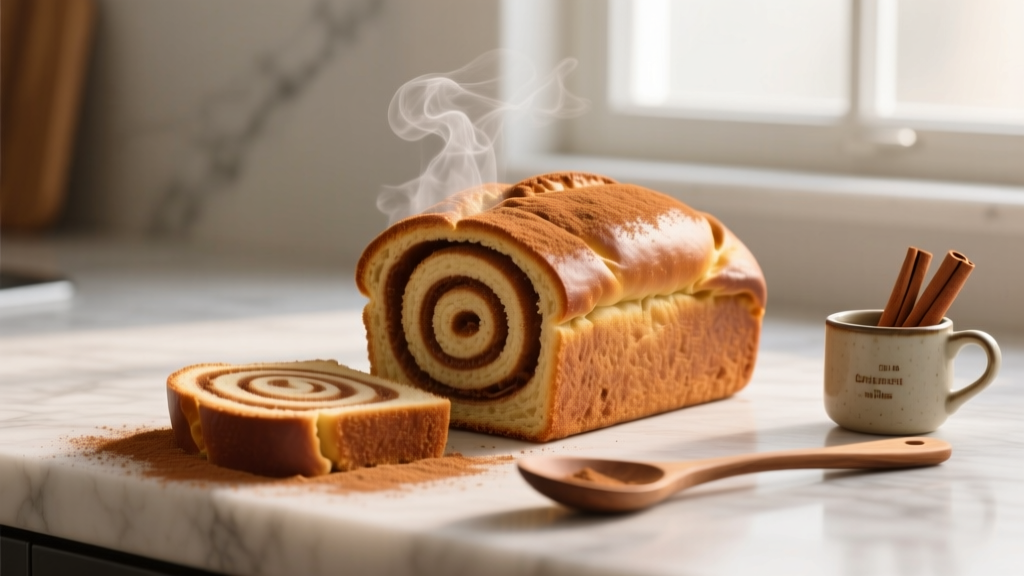 Cinnamon Swirl Essentials: Baking Tips & Safety Guide
 How to Make Broccoli Soup: Simple Recipe & Pro Tips
 Crockpot Potato Soup: Real vs Frozen Potatoes (2026)
 French Onion Soup Chicken Casserole: Better Than Canned Soup
 How to Freeze Fresh Herbs Without Losing Flavor: 4 Proven Methods
 Vacuum Sealing Spices: Is It Worth It? (6-Month Test Results)
 McDonald's Sausage Egg & Cheese McMuffin Calories (2026)
 Practical Uses for Dried Orange Peel: Kitchen to Home
 Herb Roasted Chicken Recipe: Crispy Skin, Juicy Meat
 Broccoli Cheese Soup: Lighter Recipe & Nutrition (2026)