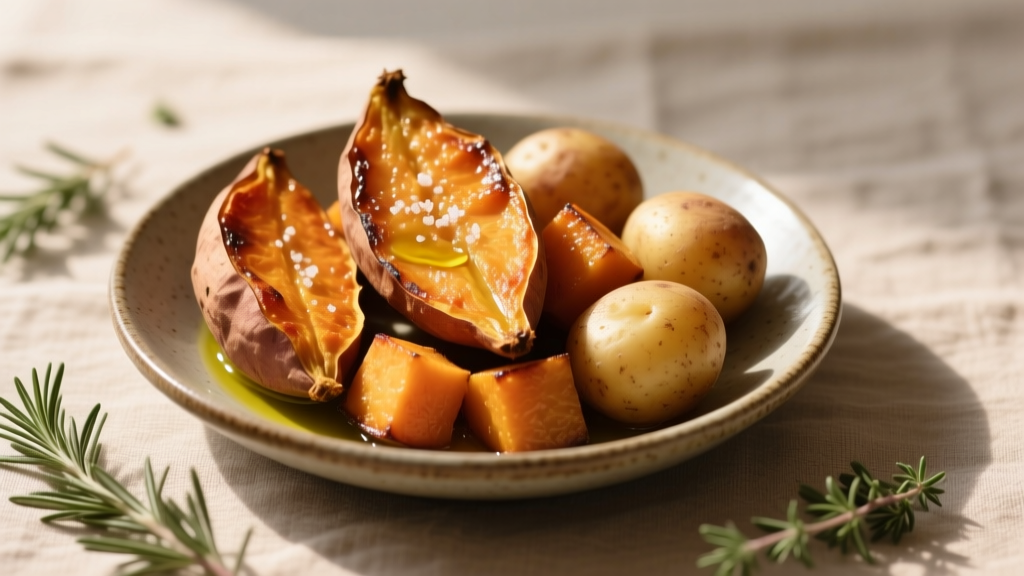
Sweet Potato Roast Potatoes: Crispy Guide & Health Swap
Why Bother With Sweet Potato Roast Potatoes?
Let’s be real: plain roast potatoes get boring fast. You’ve probably burned them once or ended up with sad, soggy lumps. I’ve been there too—after testing this recipe for Thanksgiving dinner parties over the last decade, sweet potatoes became my go-to. They’re naturally sweeter, way more forgiving if you’re distracted by holiday chaos, and honestly? Kids actually eat them. Plus, that golden-brown crunch without deep-frying? Total win.
Sweet Potato vs. Regular Roast Potatoes: The Real Deal
Okay, so you’re wondering: “Is swapping worth it?” Based on years of tweaking oven temps and oil ratios, here’s the lowdown. Sweet potatoes aren’t “better”—they’re just different. Use this table to pick your fighter:
| Factor | Sweet Potato Roast | Regular Roast Potato |
|---|---|---|
| Texture | Softer inside, caramelized edges | Firmer, uniformly crispy |
| Nutrition (per 100g) | Higher fiber, 400% daily vitamin A | More potassium, less sugar |
| Roasting Time | 25-30 mins (faster browning) | 35-45 mins (slower crisp) |
| Flavor Pairings | Thyme, rosemary, smoked paprika | Garlic, parsley, sea salt |
| Common Pitfall | Overcooking = mushy centers | Undercooking = hard chunks |
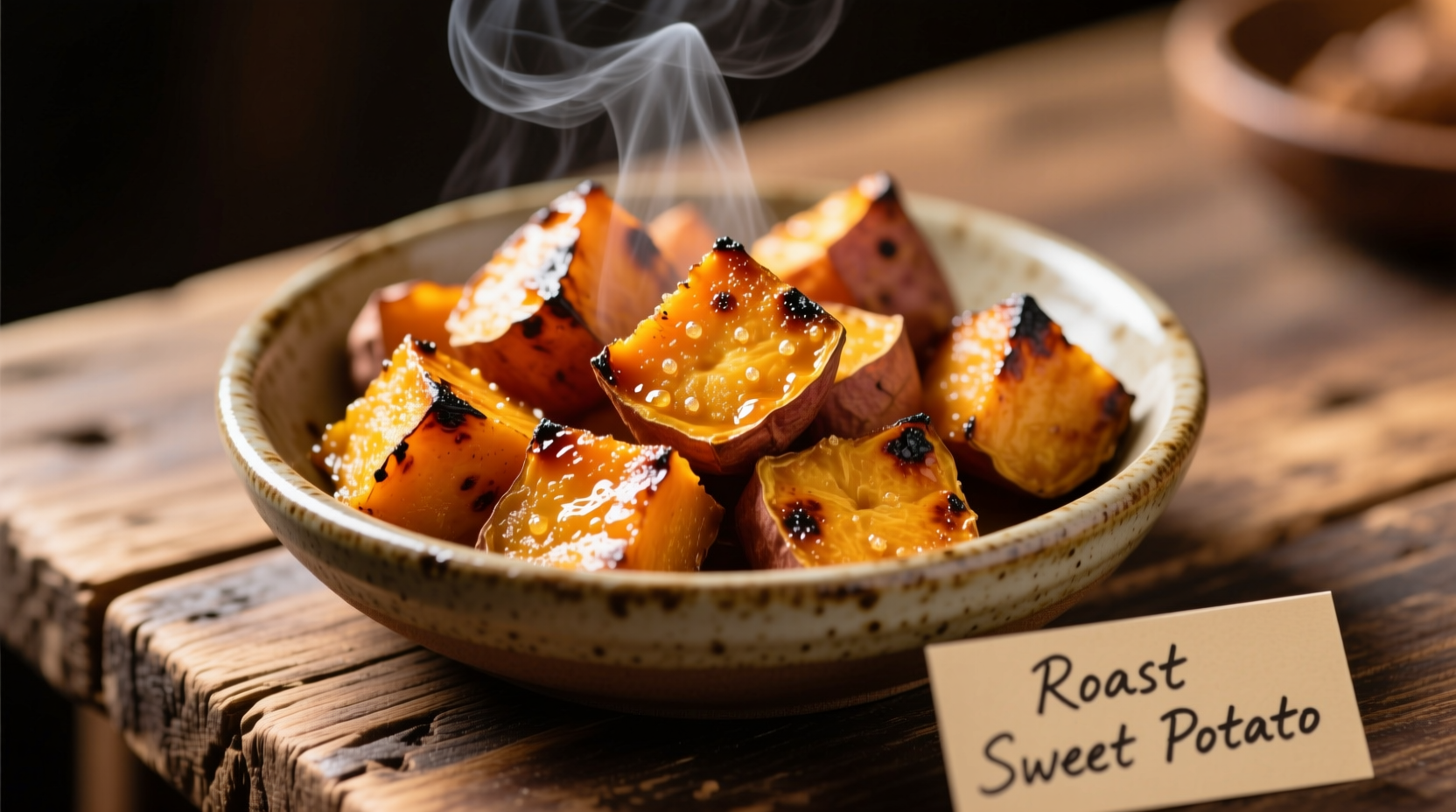
How to Nail Sweet Potato Roast Potatoes Every Time
Here’s what I’ve learned from screwing this up more times than I’d like to admit. First, skip boiling—it steams them and kills crisp. Just scrub, dry thoroughly (wet = steamed, not roasted), and cut into 1-inch cubes. Toss with 1 tbsp oil max—too much makes them greasy. Now, the magic: add a pinch of cornstarch. Seriously, it pulls moisture so you get crackly skins without burning. Roast on a parchment-lined tray at 400°F, flipping halfway. Done when fork-tender with dark caramel spots. Easy, right?
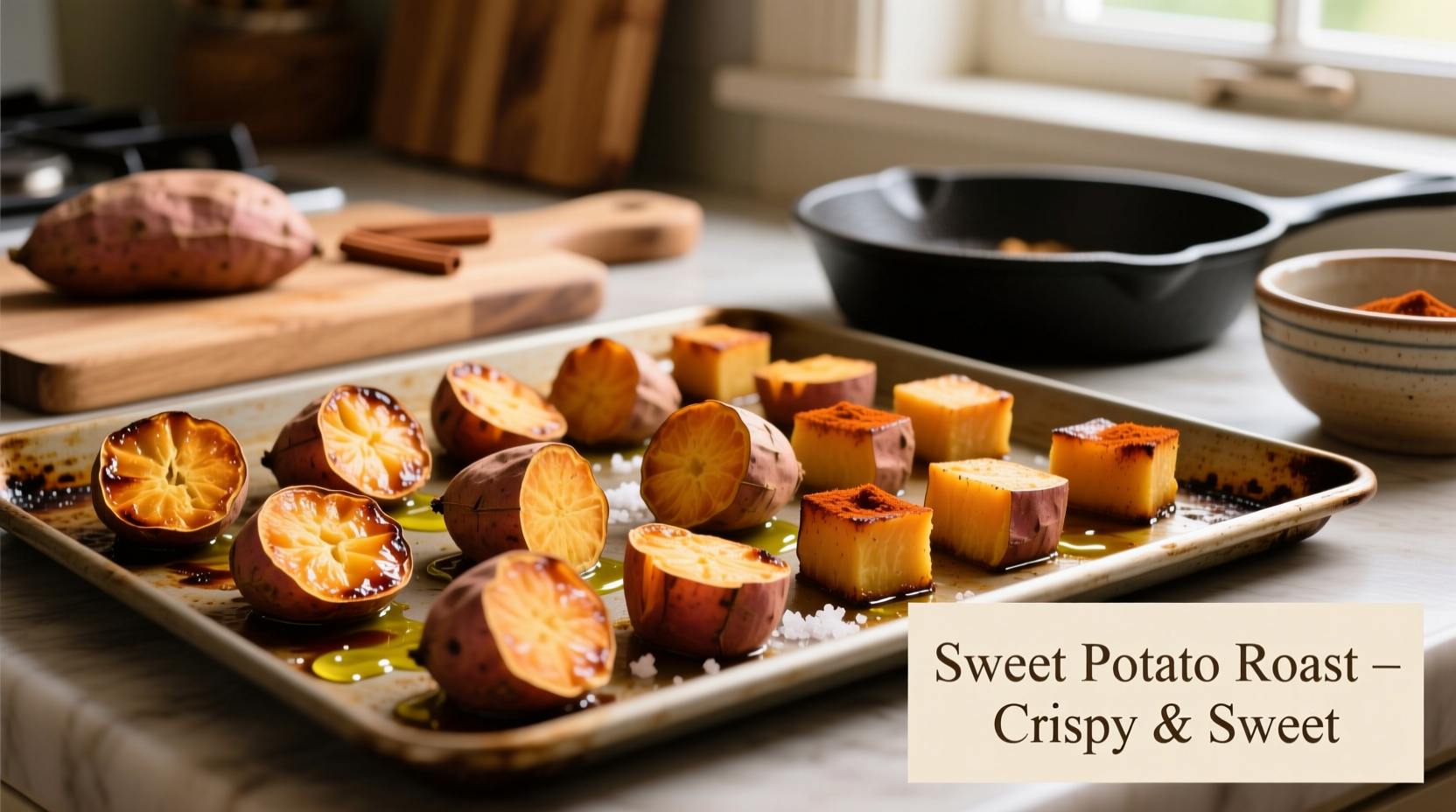
When to Use (or Skip) Sweet Potato Roast Potatoes
Not every meal needs this swap. Use them when you want:
- Healthier holiday sides—They’re a hit at Thanksgiving without the blood sugar spike.
- Kid-friendly meals—The natural sweetness hides veggies (shh, don’t tell them).
- Quick weeknight wins—They roast faster than regular spuds.
- You’re making traditional roast dinners—purists will side-eye the sweetness.
- Serving with acidic sauces—like tomato-based gravies; the flavors clash.
- On a strict low-carb diet—sweet potatoes have more natural sugars (though still better than fries).
3 Mistakes Everyone Makes (And How to Fix Them)
From my kitchen disasters to yours: Mistake #1: Cutting uneven chunks —You’ll get some burnt, some raw. Solution: Use a ruler-ish cut for uniform 1-inch pieces. Mistake #2: Overcrowding the tray —Steams them instead of roasting. Solution: Spread in a single layer with space between pieces. Mistake #3: Skipping the flip —Leads to soggy bottoms. Solution: Flip halfway through roasting—set a timer, trust me.
Everything You Need to Know
Absolutely. Sweet potatoes pack way more fiber and vitamin A—like 400% of your daily needs in one serving. They’ve got a lower glycemic index too, so they won’t spike your blood sugar like regular potatoes. But keep oil light; slathering them in butter cancels the perks.
Yep, but with a catch. Roast them fully, then cool and store covered in the fridge for up to 2 days. Reheat at 375°F for 10 minutes to revive crispiness—don’t microwave, or they’ll turn soggy. I’ve done this for Christmas dinners, and no one ever guesses they’re make-ahead!
Classic over-oiling or uneven cuts. Sweet potatoes caramelize faster than regular ones, so use just enough oil to coat—1 tbsp per pound max. Also, cube them uniformly; jagged edges burn quicker. If your oven runs hot, drop the temp to 375°F. I learned this the hard way after ruining three batches!
Avocado or grapeseed oil wins here—they have high smoke points (over 400°F) so they won’t burn. Olive oil works but watch the temp; it smokes around 375°F. Skip butter—it burns too easily. Pro move: Toss with oil *after* cubing to avoid wasting it.
Air is the enemy! Store cooled leftovers in an airtight container in the fridge for up to 3 days. To re-crisp, skip the microwave—spread them on a baking sheet and hit 400°F for 8-10 minutes. If they’re still soft, pop them under the broiler for 1-2 minutes (watch closely!).
More Articles
 Microwaving Potatoes: Safe Steps and Common Mistakes
Fresh vs Dried Turmeric: When to Use Each
Microwaving Potatoes: Safe Steps and Common Mistakes
Fresh vs Dried Turmeric: When to Use Each
 Cauliflower Dark Spots: Safe to Eat or Discard?
 Fenugreek Seeds and Leaves: A Complete Guide
 Long Green Peppers: Types, Uses & Culinary Guide
 Black Pepper Varieties: A Tasting Guide
 Stew Potato Guide: Best Potatoes & Simple Recipe Tips
 Annatto Seeds: Natural Color and Mild Flavor
 Perfect Quinoa in Rice Cooker: Simple Steps & Tips
 How Long to Cook a Poached Egg: Timing Guide