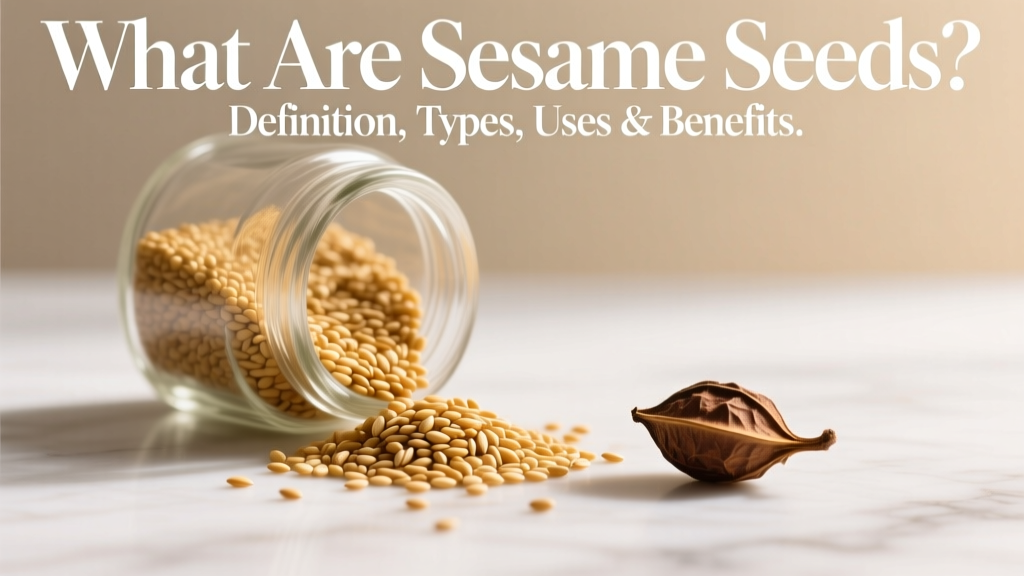
What Are Sesame Seeds? Definition, Types, Uses & Benefits
Why Sesame Seeds Confuse Home Cooks
Many mistake sesame seeds for nuts due to similar allergen warnings, causing unnecessary avoidance. Others assume all varieties taste identical, wasting culinary potential. This confusion stems from fragmented online information – but understanding their botanical reality unlocks versatile kitchen use.
The Botanical Truth Behind Sesame Seeds
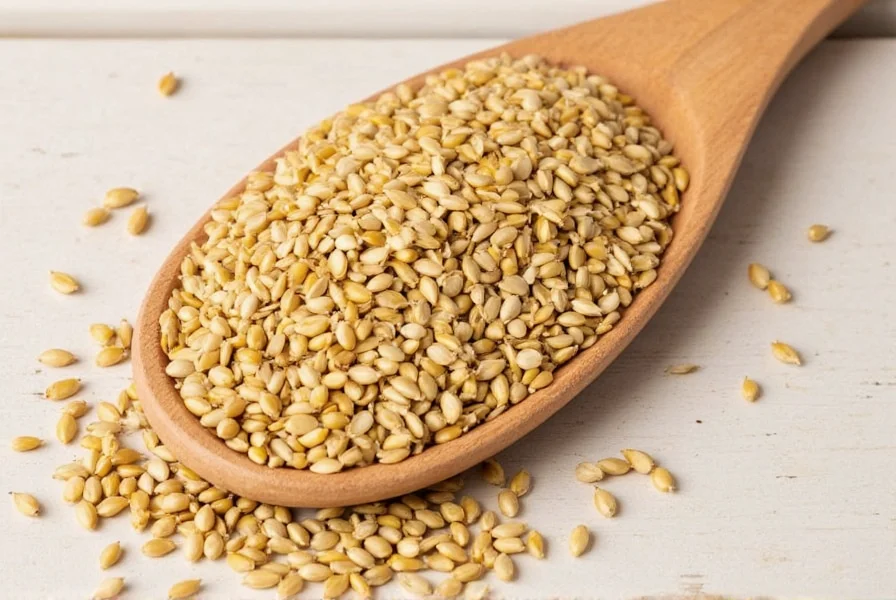
Sesame (Sesamum indicum) is among Earth’s oldest oilseed crops, with archaeological evidence dating to 3500 BCE in Harappa. Unlike tree nuts, these tiny oval seeds develop in pods that ‘pop’ open when ripe – hence the phrase ‘open sesame’. India and Sudan now produce 60% of global supply, per FAO data.
Nutritional Powerhouse: Verified Data
USDA FoodData Central confirms sesame seeds outperform many seeds in key nutrients. This table compares 100g raw portions:
| Nutrient | Sesame Seeds | Chia Seeds | Flax Seeds |
|---|---|---|---|
| Calcium | 975mg | 631mg | 255mg |
| Iron | 10.3mg | 7.7mg | 5.7mg |
| Monounsaturated Fat | 18.8g | 1.6g | 8.0g |
NIH research links these nutrients to reduced cardiovascular risk through antioxidant activity in lignans like sesamin. However, USDA data shows hulled seeds lose 60% of calcium – a critical detail for bone health seekers.
Where Sesame Seeds Shine (and Fail)
Professional chefs increasingly use toasted sesame oil for umami depth in sauces, per The Spruce Eats culinary surveys. But effectiveness depends on precise application:
✅ Ideal For
- Asian stir-fries (add oil at end to preserve flavor)
- Middle Eastern dips like tahini (use unhulled for nuttiness)
- Vegan calcium sources (1 tbsp seeds = 88mg calcium)
❌ Avoid When
- Managing sesame allergy (top 9 allergen per CDC)
- Seeking gluten-free thickening (use tahini, not whole seeds)
- Storing beyond 6 months (rancidity risk increases)
Spotting Quality Seeds: Market Traps
Supermarkets often sell stale seeds labeled ‘fresh’. Avoid these red flags:
- Moldy smell: Indicates moisture exposure (discard immediately)
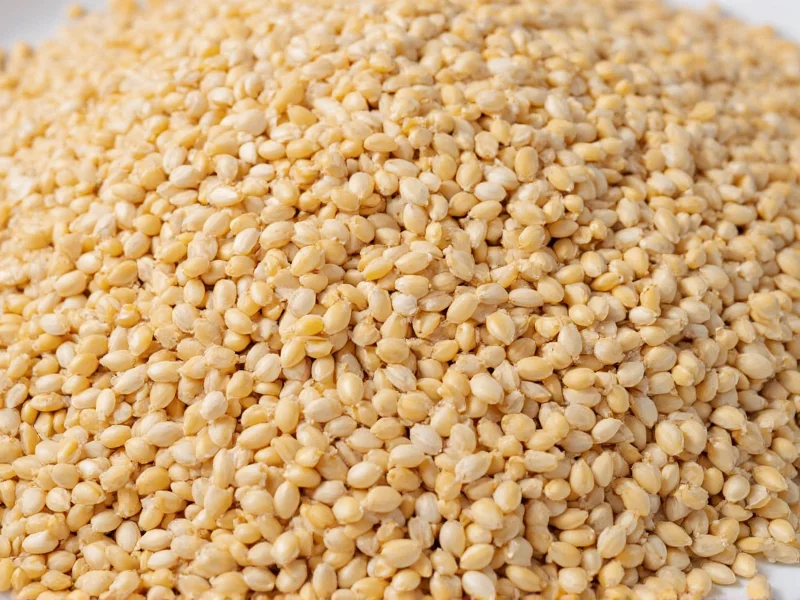
- Uniform color: Natural variation shows tan-to-gold hues; bleached seeds lose nutrients
- Pre-ground tahini: Often contains added oils; grind seeds fresh for purity
For longevity, store whole seeds in airtight containers in the fridge – they’ll stay viable 12 months versus 6 at room temperature per USDA storage guidelines.
Debunking Popular Myths
Myth: ‘Black sesame seeds are genetically modified.’
Fact: Black varieties like Sesamum indicum var. ater are naturally occurring, common in East Asia for their earthier taste and slightly higher antioxidants.
Myth: ‘Sesame oil is only for finishing dishes.’
Fact: High smoke point (410°F) makes refined sesame oil suitable for frying, though toasted oil should be added post-cooking to preserve flavor compounds.
Everything You Need to Know
Sesame seeds are not nuts – they’re botanical seeds from a flowering plant. However, the FDA classifies them as a major allergen due to rising allergy rates. If you have tree nut allergies, consult an allergist before consuming sesame, as cross-reactivity occurs in 30% of cases per AAAAI research.
Yes, multiple studies confirm benefits. A NIH-reviewed analysis found sesame’s lignans and monounsaturated fats reduce LDL cholesterol by 10% and blood pressure by 6% in hypertensive patients. Consistency matters – consume 15g daily (1 tbsp) for measurable effects.
Whole seeds stay fresh 6 months in a pantry but last 12+ months refrigerated in airtight containers. Once hulled or ground, use within 2 months. Signs of spoilage include bitter taste or rancid odor. For tahini, stir separated oil back in – this is natural, not spoilage. Freeze seeds for long-term storage without quality loss.
White (hulled) seeds have milder flavor and higher fat content, ideal for tahini and baking. Black (unhulled) seeds retain their fiber-rich hulls, offering stronger nuttiness and 20% more calcium. Black varieties dominate in Chinese and Korean cuisines for ceremonial dishes, while white seeds prevail in Middle Eastern recipes. Neither is ‘healthier’ – choose based on culinary application.
Yes, but match the functional role. For crunch/toppings, use pumpkin seeds. For tahini substitutes, blend sunflower seeds with lemon juice. For oil applications, use avocado oil in stir-fries. Note: Hemp seeds mimic nutritional profiles but lack sesame’s distinct flavor. Always verify substitutes with an allergist for severe allergies.
More Articles
 Yellow, Brown, Black Mustard Seeds Compared
 Cooking Methods vs Flavor Compared
 Where to Find Chia Seeds in Grocery Stores: Aisle Guide
 Cardamom Pods vs Ground: Which to Use and When
 Microwaving Potatoes: Safe Steps and Common Mistakes
 Italian Pizza Sauce Recipe: 3-Ingredient Simplicity
 Best Spice Basics for Black Cooking
 Sweet Potato Bites: Simple Homemade Snack Guide
 Sourdough Garlic Bread: Why It's Better & How to Make It
 Chinese Garlic Green Beans: Crisp Stir-Fry Recipe Guide