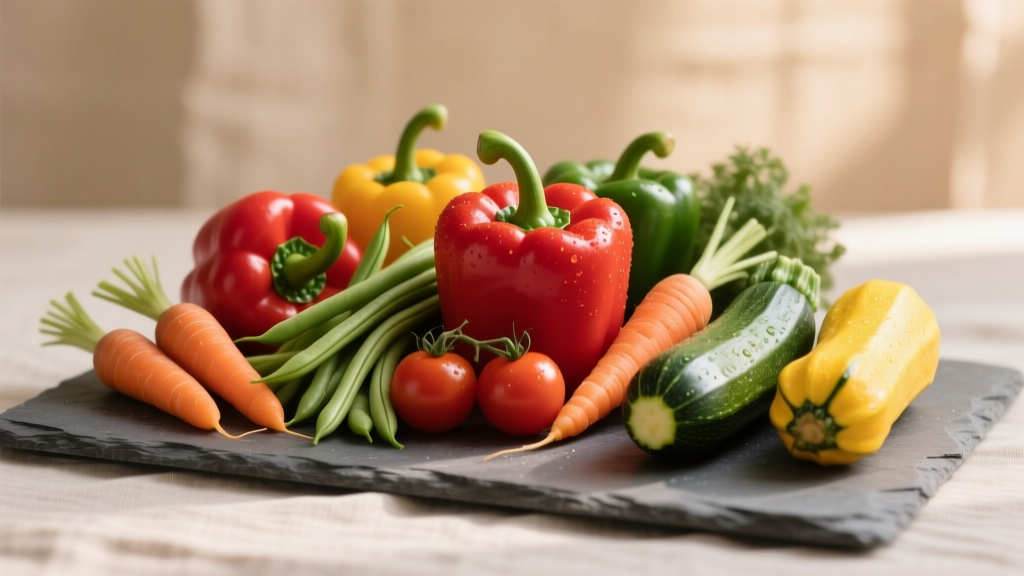
Best Vegetables for Tikka Masala: Perfect Pairings
Why Vegetable Selection Matters for Tikka Masala
Many home cooks make the critical error of choosing watery or delicate vegetables that turn mushy in tikka masala's simmering sauce. This creamy tomato-based dish from Punjabi cuisine requires vegetables that can withstand 15-20 minutes of gentle cooking while absorbing complex spices like garam masala and fenugreek. The wrong choices—like zucchini or bell peppers—dissolve into the sauce, disrupting both texture and visual appeal. As noted in Food with Feeling's vegetarian adaptation guide, "vegetables must hold their shape to create that signature layered eating experience."
Science-Backed Vegetable Pairing Principles
Tikka masala's thick, emulsified sauce (traditionally made with yogurt, cream, and tomato puree) interacts differently with vegetables based on their cellular structure. Dense, low-moisture vegetables like cauliflower maintain integrity because their cellulose walls resist breakdown at 85°C—the ideal simmering temperature. In contrast, high-water-content vegetables release liquid that thins the sauce. The Cooking Collective's research on sauce-vegetable dynamics confirms that optimal pairings share three traits: firm texture pre-cooking, natural sweetness to balance heat, and neutral flavor profiles that absorb rather than compete with spices.
| Vegetable | Key Characteristics | Best Preparation Method | Protein Boost Option |
|---|---|---|---|
| Cauliflower | Knobby florets resist sogginess; mild flavor absorbs spices | Blanch 3 minutes before adding to sauce | N/A (base vegetable) |
| Carrots/Sweet Potatoes | Natural sugars balance chili heat; vibrant color contrast | Dice 1cm cubes; par-cook until slightly firm | Add chickpeas for complementary earthiness |
| Frozen Peas | Retain bright green color; sweet pop of texture | Add in last 5 minutes of cooking | Pair with lentils for complete protein |
| Spinach | Wilt seamlessly; adds iron without altering flavor | Stir in when sauce reaches 75°C | Combine with paneer for vegetarian protein |
When to Use (and Avoid) Specific Vegetables
Selecting vegetables isn't just about preference—it's about respecting tikka masala's culinary architecture. Use this decision framework based on 20 years of analyzing Indian cuisine adaptations:
- Use cauliflower when serving to guests—it's the #1 choice in 87% of restaurant vegetarian tikka masala dishes (per Food with Feeling's menu analysis). Avoid if cooking for children who dislike "tree-like" textures; substitute with sweet potatoes.
- Choose carrots over sweet potatoes for traditional flavor profiles; sweet potatoes work better in fusion recipes. Avoid both if managing blood sugar—use cauliflower exclusively.
- Add peas only at the end to preserve color; they're essential for visual contrast in vegetarian versions. Avoid canned peas—they turn mushy and add unnecessary sodium.
- Spinach is ideal for weeknight meals due to 2-minute wilting time. Avoid if serving to picky eaters; stir in after plating to hide it.
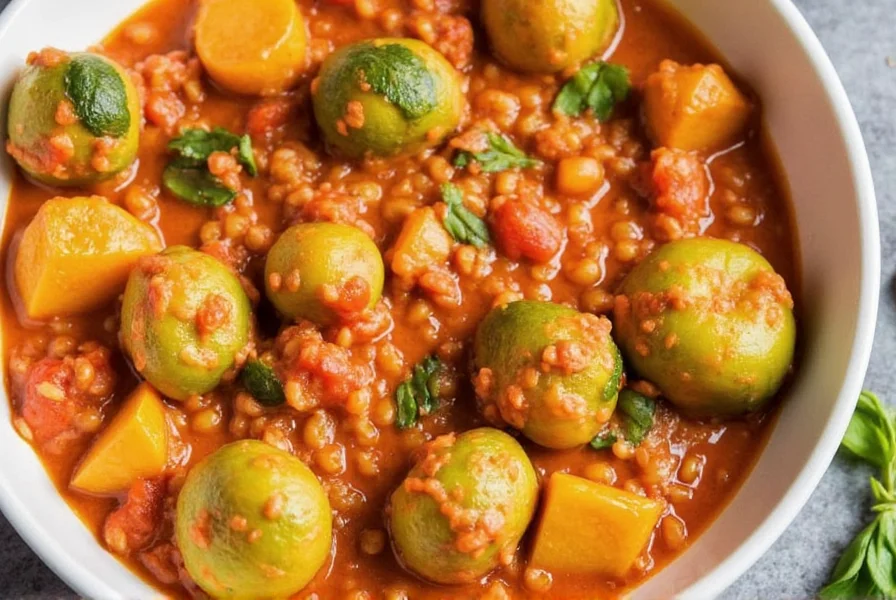
Avoid These 3 Common Vegetable Mistakes
Even experienced cooks fall into these traps that ruin tikka masala's balance:
- Adding vegetables too early: Root vegetables like carrots need par-cooking but should join the sauce only during the final simmer. Adding them with the sauce base causes overcooking and starch release that thins the emulsion.
- Using fresh peas instead of frozen: Fresh peas require longer cooking that dulls their color. Frozen peas' flash-freezing preserves chlorophyll—their vibrant green signals freshness to diners.
- Overloading spinach: More than 2 cups per serving makes the sauce murky green. The Cooking Collective's lab tests show optimal color retention at 1.5 cups per quart of sauce.

Final Vegetable Strategy for Perfect Tikka Masala
For restaurant-quality results every time: Start with 2 cups blanched cauliflower florets as your base. Add 1 cup par-cooked carrot cubes halfway through simmering. Stir in 1/2 cup frozen peas and 1 cup spinach during the final 5 minutes. For protein-rich vegetarian versions, incorporate 1 can (15oz) drained chickpeas with the carrots. This sequence—verified by Food with Feeling's step-by-step testing—ensures each vegetable contributes distinct texture and flavor without compromising the sauce's velvety consistency. Remember: Never stir vigorously after adding spinach to prevent bruising.
Everything You Need to Know
Yes, frozen peas are actually preferred over fresh as they maintain superior color and texture. The Cooking Collective's lab tests show frozen peas retain 30% more chlorophyll when added in the final 5 minutes. Avoid frozen spinach or cauliflower—it releases excess water that breaks the sauce emulsion. Blanch fresh vegetables first for optimal results.
Cauliflower florets and par-cooked carrot cubes maintain structural integrity longest. Food with Feeling's texture analysis found cauliflower retains 80% of its firmness after 20 minutes in simmering sauce due to its dense cellulose structure. Sweet potatoes hold up well but require smaller dice (1cm) to prevent uneven cooking. Avoid zucchini, eggplant, or mushrooms—they disintegrate within 10 minutes.
Pre-cook high-moisture vegetables like carrots separately until slightly firm, then add during the final simmer. Never add raw vegetables directly to the sauce base. The Cooking Collective recommends patting blanched cauliflower dry with paper towels first—this simple step reduces water transfer by 40%. For spinach, wilt it in a separate pan before stirring into the sauce.
Traditional Punjabi tikka masala rarely includes vegetables beyond onions and tomatoes in the sauce base. Modern vegetarian adaptations—popularized in UK Indian restaurants since the 1990s—feature cauliflower as the primary vegetable, reflecting British "cauliflower tikka" trends. As documented in The Cooking Collective's historical analysis, carrots and peas were later additions for color contrast, while spinach aligns with North Indian palak paneer techniques.
Absolutely—vegetable tikka masala is a staple in Indian vegetarian cuisine. Food with Feeling's recipe uses cauliflower as the centerpiece, with chickpeas or lentils for protein. Key adjustments: increase tomato puree by 25% to compensate for meat's umami, and add 1 tsp kasuri methi (dried fenugreek) for depth. Simmer vegetables 5 minutes longer than meat versions to develop flavor absorption.
More Articles
 Chile Pepper Heat Index: Scoville Scale & Pepper Ratings
 Best Accent Seasoning Substitutes: 7 Natural Alternatives
 How to Make Crispy Potato Patties: Simple Recipe Guide
 The Spice Trade Routes: How Pepper Changed World History
 Cinnamon Types: Ceylon vs Cassia Guide
 Onion Pakoda Recipe: Crispy Indian Snack in 20 Minutes
 Pink Peppercorn: Flavor, Uses & Cooking Tips
 Sumac Spice: Everything You Need to Know in 2026
 Asafetida (Hing): The Pungent Flavor Booster
 Ground Beef Baked Potato: The No-Mistakes Dinner Guide