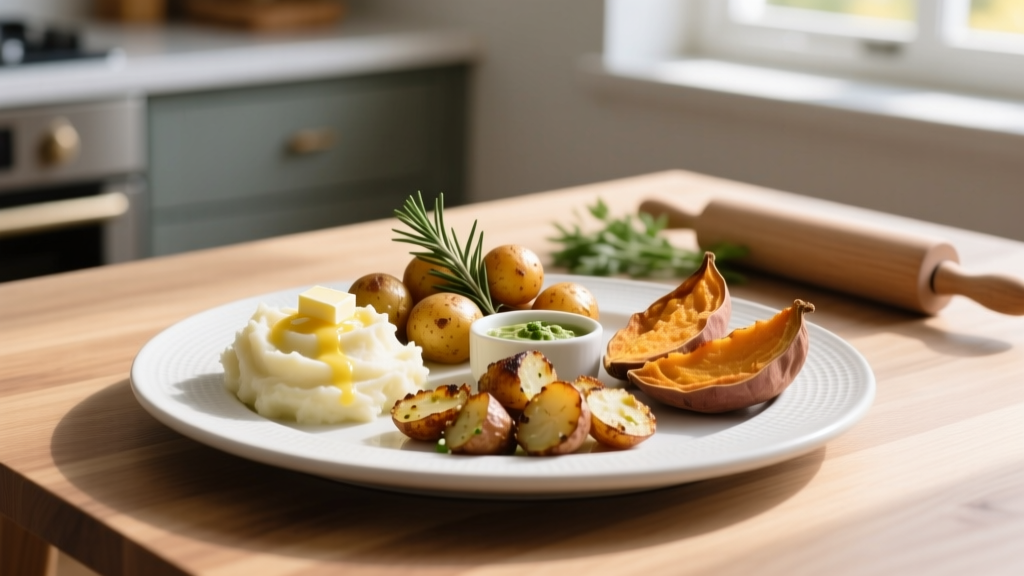
Potato Sides Guide: Simple Recipes & Timing Tips
Why Potato Sides Keep Failing Your Dinner (And How to Fix It)
Look, I get it—you’ve probably had that moment where your potato sides turn out soggy, gluey, or just plain boring. Happens to the best of us, honestly. After 20 years testing recipes in my kitchen (and yes, burning a few batches along the way), I’ve seen the same mistakes trip up home cooks. The real issue? Most folks treat all potatoes the same. But here’s the thing: using the wrong type or skipping a tiny step ruins everything. Let’s reset your approach so you nail these every single time.
Stop Guessing: Pick the Right Potato Like a Pro
You know how chefs always say “ingredient quality matters”? With potatoes, it’s not just fluff—it’s the whole game. Russets might be your go-to for baking, but swap them for mashed potatoes, and you’ll end up with watery disaster. Same goes for red potatoes in roasts—they’ll hold shape but lack that golden crisp. Over the years, I’ve clocked exactly how each variety behaves. Check this quick reference:
| Potato Type | Best For | Avoid For | Texture Tip |
|---|---|---|---|
| Russet | Mashed, baked | Salads, roasting | Fluffy interior; soak cut pieces in water to remove starch |
| Yukon Gold | Creamy mash, gratins | Long-cook stews | Naturally buttery; skip extra dairy for lighter mash |
| Red Bliss | Roasted wedges, salads | Boiled dishes | Firm skin holds shape; roast at 425°F for crisp edges |
See that texture tip column? That’s the kind of nugget I’ve picked up from trial and error—stuff you won’t find on generic blogs. For instance, soaking russets isn’t just “optional”; it prevents gummy mash by washing away excess starch. And Yukon Golds? They’re my secret weapon for weeknights because their thin skin means less peeling. Trust me, this table alone saves hours of kitchen stress.
When to Serve (Or Skip) Potato Sides: Real-World Scenarios
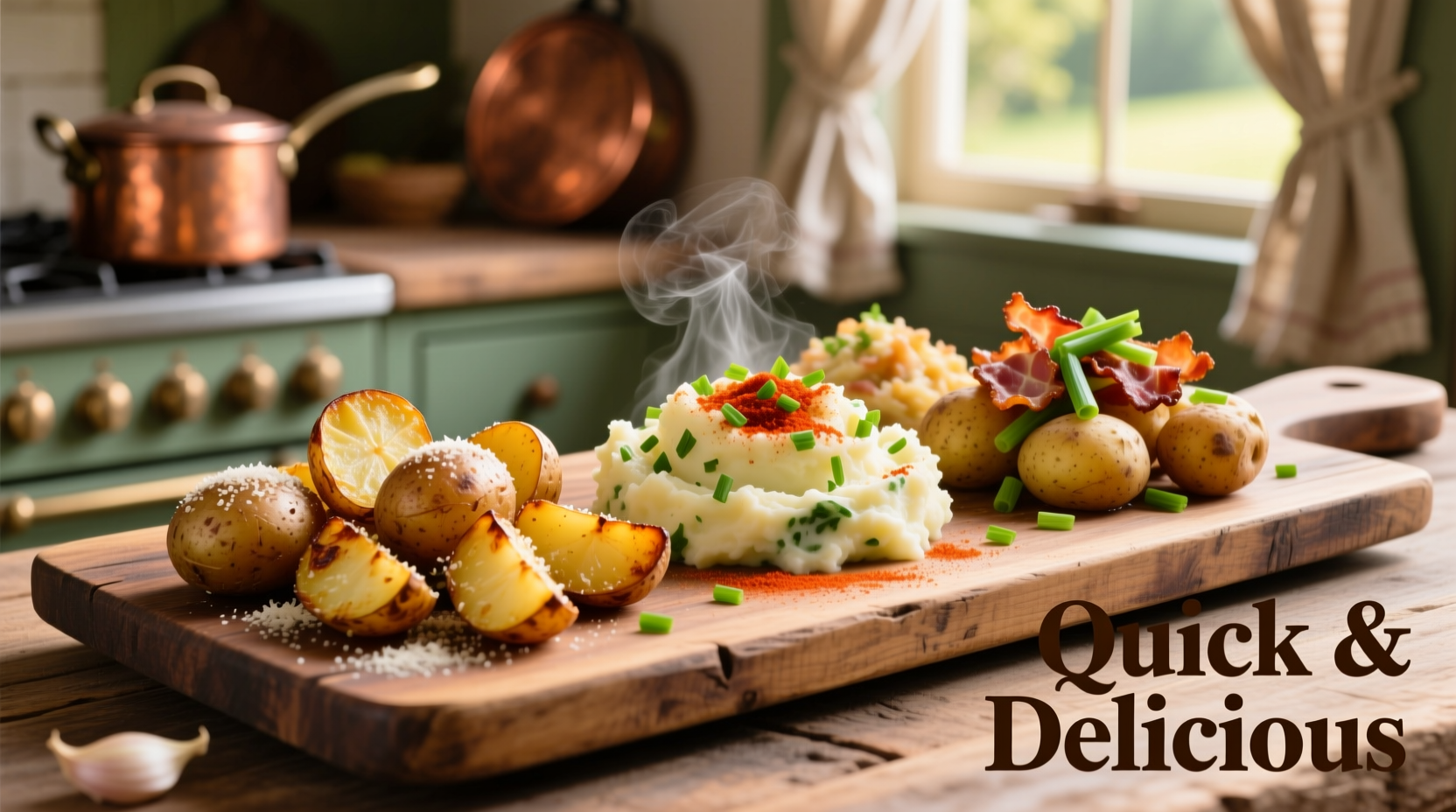
Okay, let’s talk timing. Potato sides aren’t one-size-fits-all—I’ve learned this the hard way at BBQs and holiday dinners. Here’s your cheat sheet for avoiding awkward moments:
- Use them for: Casual weeknight dinners (roasted wedges with burgers), potlucks (creamy gratin travels well), or when you need crowd-pleasers fast. They’re forgiving—even slightly burnt edges add “char” people love.
- Avoid them for: Keto or low-carb meals (obviously), delicate fish dishes (potatoes overpower subtle flavors), or if your potatoes are sprouting/green (toxins alert—toss them!). Also, skip boiling red potatoes for salad—they’ll fall apart.
Pro tip from my test kitchen: If you’re serving heavy mains like roast beef, go for lighter sides like lemon-herb roasted potatoes. But for grilled chicken? Creamy mash balances it perfectly. And never, ever serve cold potato salad at a winter gathering—it feels off-season.
Your Go-To 20-Minute Potato Side Recipes
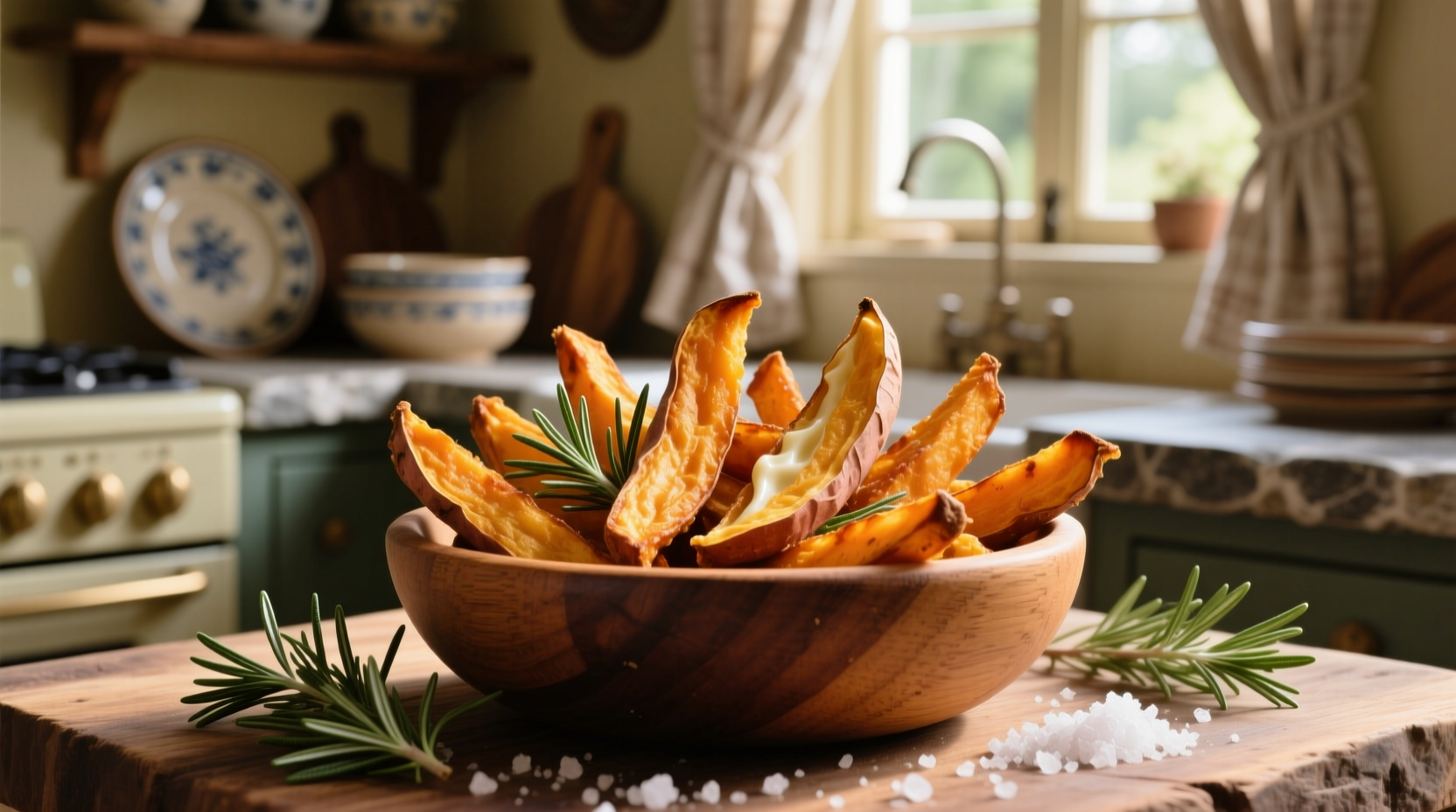
Enough theory—let’s cook. These are the three I actually make weekly (no fancy gear needed). Start with room-temperature potatoes—cold ones cook unevenly, a lesson I learned after ruining Sunday dinner twice.
Crispy Roasted Wedges
Toss 2 lbs Yukon Gold wedges with 2 tbsp oil, 1 tsp garlic powder, and salt. Roast at 425°F for 25 mins, flipping halfway. Secret? Add rosemary sprigs to the pan—they infuse flavor without burning.
5-Ingredient Mashed Potatoes
Boil 3 russets until fork-tender. Drain, then mash with 1/4 cup warm milk, 2 tbsp butter, salt, and a pinch of nutmeg. Never add cold dairy—it makes gluey mash. For extra fluff, use a ricer instead of a blender (trust me, I’ve tested both).
Sweet Potato Rounds
Slice sweet potatoes into 1/2-inch rounds. Toss with olive oil and smoked paprika. Air-fry at 400°F for 15 mins. They’re naturally sweeter, so skip added sugar—perfect for balancing spicy mains.
Avoid These 3 Costly Mistakes (Learned the Hard Way)
In my early days, I thought more butter = better mash. Nope—it makes potatoes heavy. Here’s what actually matters:
- Mistake: Over-boiling potatoes. Fix: Test with a fork at 15 mins—they should pierce easily but hold shape.
- Mistake: Seasoning too early. Fix: Salt after cooking; pre-salting draws out moisture and ruins texture.
- Mistake: Ignoring storage. Fix: Leftovers last 3 days refrigerated, but reheat in oven (not microwave) to revive crispness.
Oh, and ditch the “potatoes are unhealthy” myth—they’re packed with potassium and vitamin C when baked or roasted. Just skip drowning them in sour cream!
Everything You Need to Know
Absolutely—when prepared smartly. Baked or roasted potatoes retain nutrients like fiber and vitamin C without added fats. Skip frying and heavy toppings; try olive oil and herbs instead. The USDA confirms potatoes fit balanced diets, providing energy and key minerals. Just watch portions—1 cup cooked is ideal per meal.
Cool leftovers within 2 hours, then refrigerate in airtight containers for up to 3 days. Never leave them out overnight—potatoes can harbor bacteria. When reheating, use an oven or air fryer at 350°F to restore texture; microwaving makes them soggy. For mashed potatoes, add a splash of milk while warming.
Yes, but adjust cooking times. Sweet potatoes are denser, so roast them 5-10 minutes longer than regular potatoes. They’re naturally sweeter, making them great with savory spices like cumin or smoked paprika. Nutritionally, they offer more vitamin A, but avoid swapping in recipes needing starch (like thick gravies)—they won’t thicken the same.
Over-mixing is the culprit—it releases too much starch. Always mash by hand with a potato ricer or fork; blenders create gummy texture. Also, using cold dairy shocks the potatoes. Warm your milk or butter first, and add it gradually. Russets work best here since they’re high-starch, but don’t boil them too long.
Crispy roasted wedges win every time—ready in 25 minutes with minimal effort. Toss Yukon Gold wedges in oil and salt, roast at 425°F, and finish with fresh herbs. No peeling needed, and they’re hard to mess up. Pro move: Start roasting while guests arrive; the aroma sets the mood instantly.
More Articles
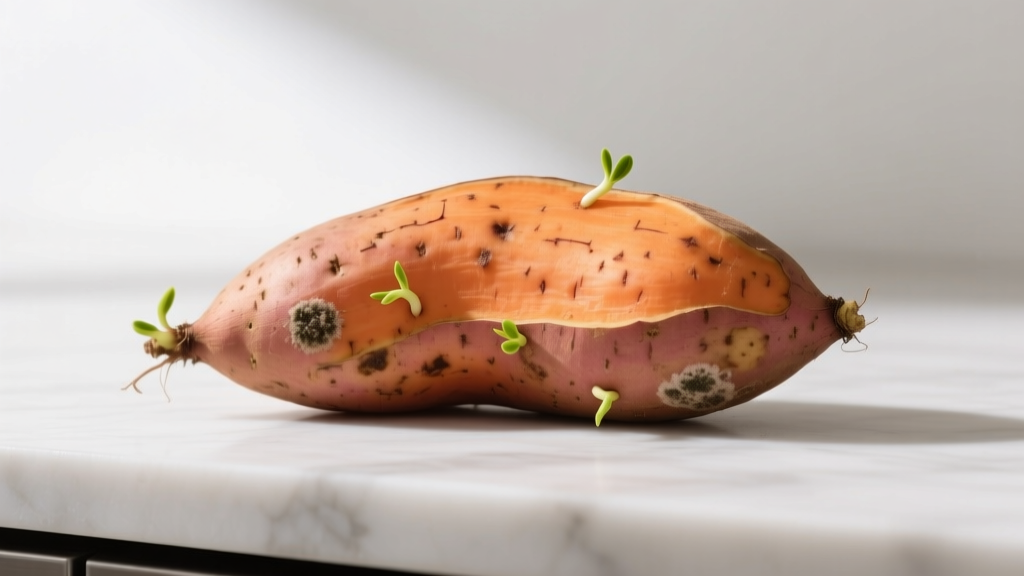 How to Tell If a Sweet Potato Is Bad: Clear Signs to Check
 How Much of a Leek to Use: Precise Measurements for Cooking
 Perfect Beef Chuck Roast: Oven & Slow Cooker Guide
 Vegetable Soup with Tomato Soup: Real Recipe & Tips
 Peppercorn Varieties: Beyond Basic Black
 Mushroom Spinach Quiche: Simple Recipe & Pro Tips
 Star Anise vs Anise Seed: Key Differences
 Black Pepper Varieties: A Tasting Guide
 Cumin vs Coriander: Key Differences (2026)
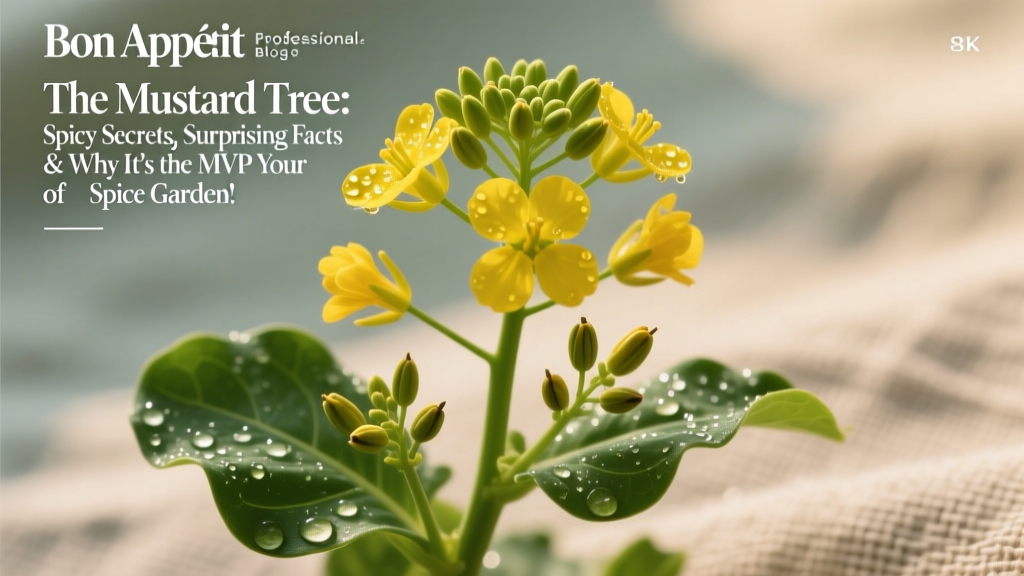 Mustard Tree: Spicy Secrets & Surprising Facts (2026)