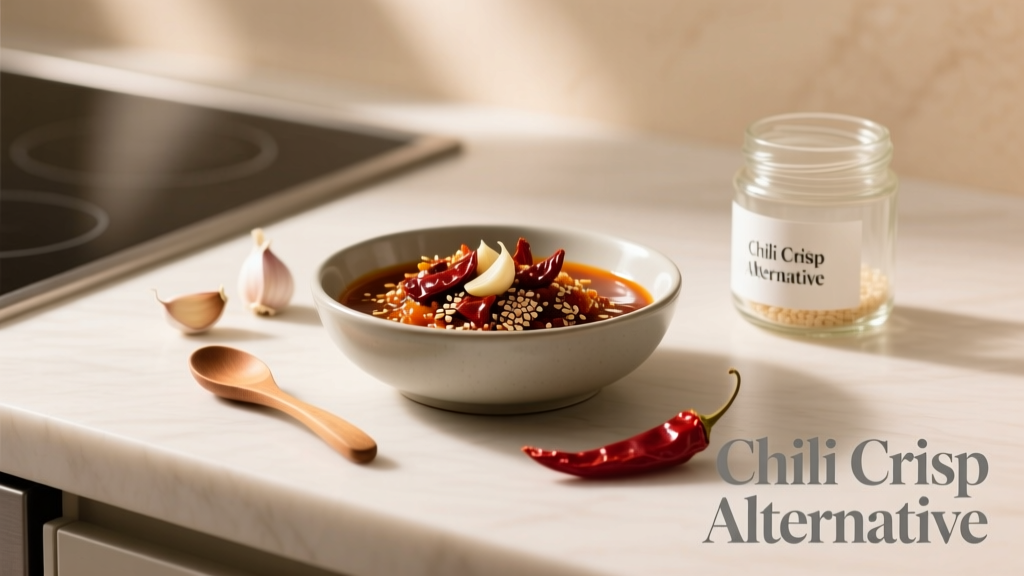
Best Chili Crisp Substitutes When You're Out
Chili Crisp Substitute Isn’t About Flavor Matching—It’s About Heat Delivery Timing
In most homes, the idea of a chili crisp substitute comes from seeing jars labeled “Sichuan-style” or “spicy chili oil” in supermarkets—and assuming they’re interchangeable with the real thing. That assumption leads directly to two avoidable outcomes: first, a sauce that pools instead of clinging; second, a dish where heat arrives too late (or never), leaving diners tasting salt and oil, not umami crunch. This isn’t about missing ingredients—it’s about misreading how texture and temperature interact in a home wok or skillet. When you pour a thin chili oil over cold noodles, it coats. When you stir-fry with it, viscosity and particle suspension determine whether the spice hits at bite one—or disappears into steam before the garlic even browns.
The core judgment is narrow but decisive: Chili crisp substitute matters only when heat is applied during cooking—not when used as a finishing condiment. If you’re spooning it onto cold tofu or stirring it into room-temperature dumpling dipping sauce, almost any chili-infused oil with visible bits will functionally align. But the moment you add it to a sizzling wok—even for 30 seconds—the physical behavior of suspended solids, oil density, and particle size becomes non-negotiable. That boundary isn’t theoretical. It’s what separates “tastes close enough” from “why did my mapo tofu taste flat?” in actual weeknight cooking.
Two common fixations are actively unhelpful. First: “Does it contain Sichuan peppercorn?” Not relevant unless you’re replicating ma la as a primary sensation—not just background warmth. Second: “Is the chili roasted or raw?” Irrelevant for home use, because roasting depth is masked by ambient oil temperature and pan volatility. Neither determines whether the crisp stays crisp or turns greasy mid-stir-fry. These debates distract from what actually breaks the substitution: inconsistent particle suspension under thermal stress. A jar that looks identical on the shelf may separate instantly when heated—not because it’s “low quality,” but because its emulsifier system wasn’t designed for kinetic heat exposure.
The real constraint isn’t authenticity—it’s fridge space and shelf life. Most home kitchens don’t store multiple chili products. So if you buy a “substitute” expecting it to double as both finishing oil and stir-fry base, you’ll hit a hard limit: oils with high particulate load oxidize faster once opened. That means within three weeks, aroma fades, crunch softens, and bitterness creeps in—not from poor formulation, but from household storage conditions (ambient light, repeated opening, no vacuum seal). No label warns you this happens faster with substitutes optimized for cold use. You won’t notice until your “same recipe” suddenly tastes duller on Thursday than Monday.
Here’s the counterintuitive part: sometimes the best substitute isn’t another jar—it’s a staged approach. For takeout-style dan dan noodles? Use a thin chili oil *plus* toasted sesame seeds and crushed peanuts separately. For quick fried rice? Skip the jar entirely and bloom dried chilies in neutral oil with minced garlic—then add soy and vinegar off-heat. For weeknight steamed fish? A spoonful of fermented black bean paste beats any chili crisp mimic. The decision isn’t “which jar replaces which,” but “what delivers heat + texture + aroma *at the right moment*, given what’s already in your pantry and how much time you have before dinner.” That’s why experienced home cooks rarely own more than one chili product—and rotate function, not brand.
What sticks after years of testing dozens of commercial and homemade options is this: In a home kitchen, texture collapse under heat is rarely caused by wrong chili variety—it’s caused by wrong oil-to-solid ratio for the intended thermal step. And: Most failed substitutions fail not on flavor, but on timing—heat arrives either too fast (burnt particles) or too slow (oil separates before aroma releases). Finally: A substitute works best when it’s treated as a component—not a drop-in replacement—meaning its role is defined before heat touches the pan, not after.
| What people fixate on | What it affects | When it matters | When it doesn't |
|---|---|---|---|
| Sichuan peppercorn presence | Ma-la sensation balance | When serving cold mala-style dishes (e.g., cold noodles) | When used in stir-fried greens or egg drop soup |
| Chili type (e.g., facing heaven vs. bullet) | Flavor nuance, not heat profile | When building layered heat in braises (long simmer) | When adding to hot rice or dumplings post-cook |
| “Authentic” fermentation period | Depth of umami, not crunch retention | When used as marinade base for grilled meats | When stirred into congee or scrambled eggs |
| Visible particle size (coarse vs. fine) | Surface adhesion and mouthfeel under heat | When stir-frying proteins or vegetables | When drizzled over chilled silken tofu |
Quick verdicts for home cooks
- If you’re tossing cold soba noodles, any chili oil with visible bits works—texture matters more than origin.
- For stir-frying ground pork, skip “Sichuan-style” labels entirely and use plain chili oil + toasted peanuts added at the end.
- When reheating takeout, don’t add substitute to the microwave bowl—drizzle it fresh after heating.
- If your pantry has only one chili product, choose one with medium particle size and neutral oil base—not “artisanal” or “small-batch.”
- For kids’ meals, avoid substitutes with fermented beans—they intensify saltiness unpredictably in quick-cooked dishes.
- If you smell burnt notes within 10 seconds of heating, the substitute wasn’t formulated for wok use—stop and switch methods.
Frequently asked questions
Why do people think chili crisp substitute must contain fermented black beans?
Because commercial chili crisp often does—but fermentation adds salt and funk, not heat or crunch. In home cooking, those traits clash with soy sauce or broth unless carefully balanced.
Is it actually necessary to refrigerate chili crisp substitute after opening?
Only if it contains fresh garlic, ginger, or fermented paste. Most shelf-stable versions degrade faster from light exposure than temperature—so a dark cupboard beats a crowded fridge door.
What happens if you ignore particle suspension when stir-frying?
The oil separates, solids sink and burn, and heat becomes uneven—leaving some bites bland, others acrid. No amount of extra soy sauce fixes that.
Lately, grocery shelves show fewer “chili crisp” labels and more “spicy chili crunch” or “umami chili oil”—not because formulations improved, but because shoppers now test jars by shaking them before buying. That small behavioral shift signals growing awareness: people are starting to judge by physics, not packaging. The real pivot isn’t toward authenticity—it’s toward functional literacy. Once you stop asking “does this taste like the original?” and start asking “how will this behave when my pan hits 350°F?”, substitution stops being guesswork. The simplest filter isn’t origin or ingredient list—it’s this: If it doesn’t cling to a spoon held upright for three seconds at room temperature, don’t use it for stir-frying.
More Articles
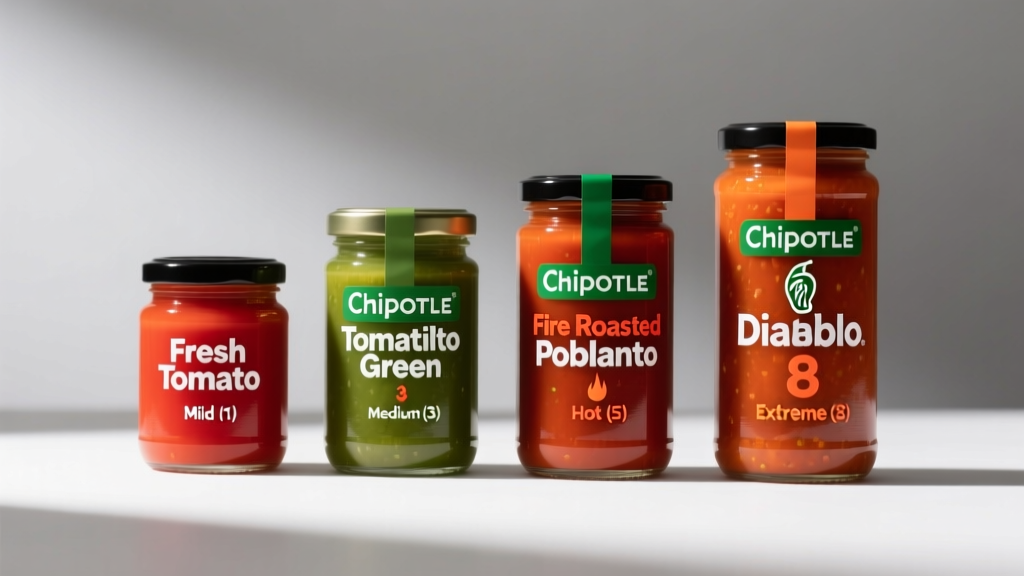 Chipotle Salsa Spice Levels Explained (Actual Heat Ratings)
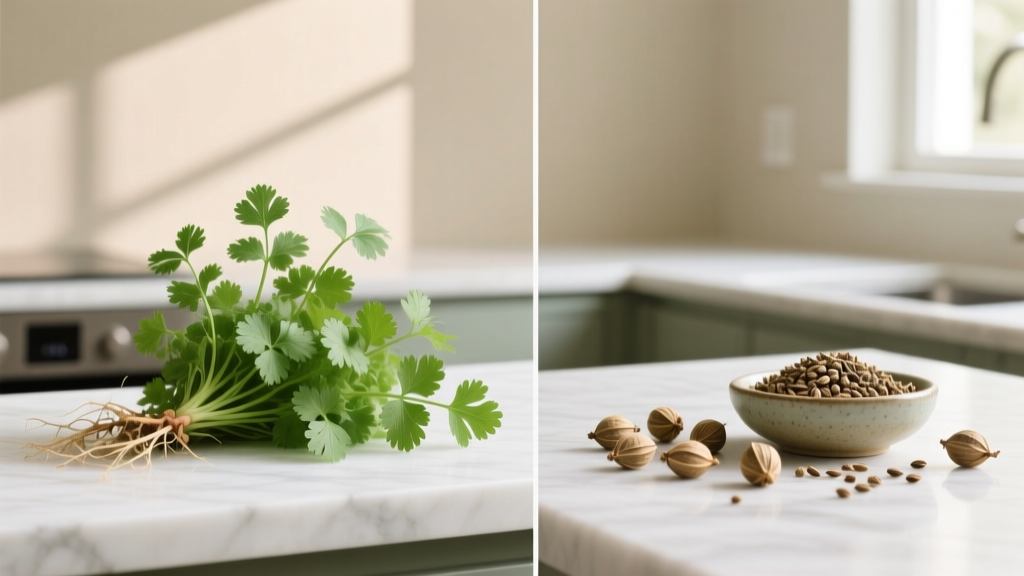 Cilantro Coriander
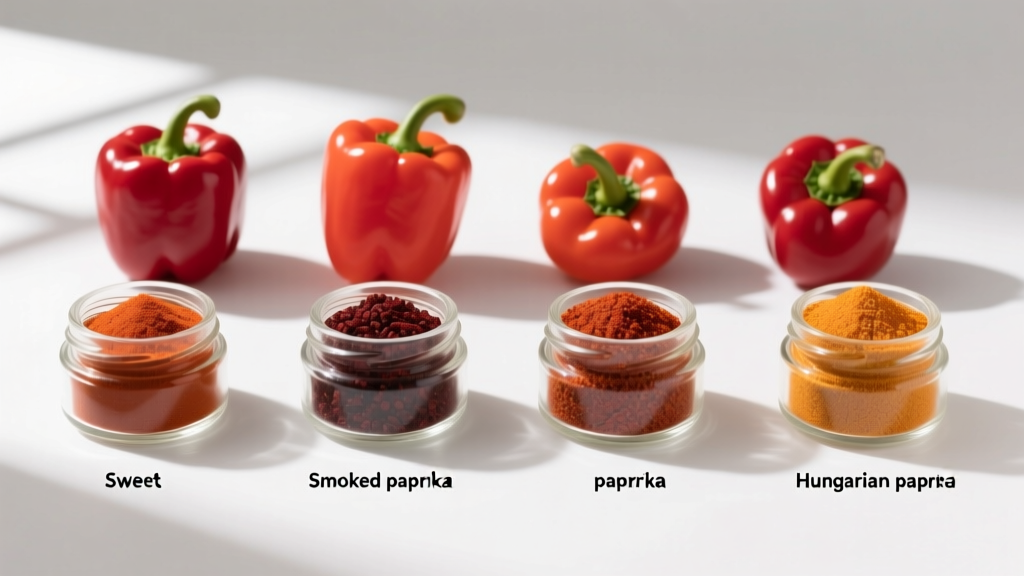 Paprika Types: Sweet, Hot, Smoked & Hungarian
 Potato Appetizer Recipes: Perfect for Any Event
 Potato Wedges Recipes: Oven, Air Fryer & Pan Methods
 Spice Safety Buying Guide
 Italian Pizza Sauce Recipe: 3-Ingredient Simplicity
 Classic Tiramisu Recipe: Easy Step-by-Step Guide
 French Onion Ground Beef Rice Casserole Recipe