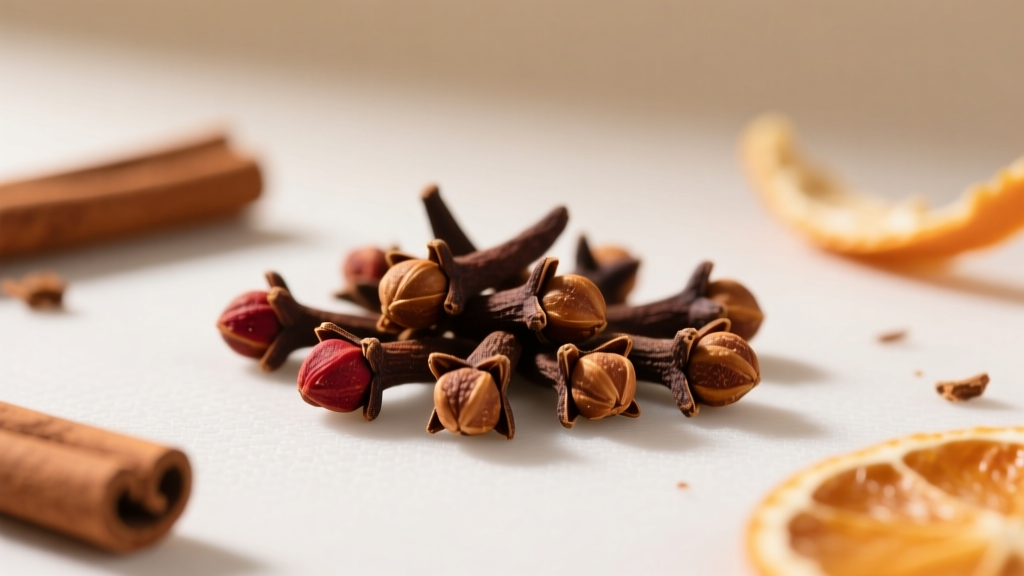
Do Cloves Expire? Shelf Life, Storage & Safety Facts
Why Cloves Don't "Expire" Like Perishable Foods
Unlike dairy or meat, dried spices lack moisture needed for bacterial growth. The USDA's FoodSafety.gov confirms: "Dry spices, including cloves, do not spoil but lose potency over time." This distinction is critical—"expired" cloves won't make you sick, but they'll fail to deliver that signature warm, pungent flavor in your mulled wine or biryani.
Spice degradation happens through three processes:
- Oxidation: Exposure to air breaks down volatile oils
- Light exposure: UV rays accelerate flavor compound decay
- Moisture absorption: Causes clumping and mold in ground cloves
Shelf Life Reality Check: Data-Driven Timelines
Industry standards vary slightly based on storage conditions. This table synthesizes findings from authoritative sources:
| Storage Condition | Whole Cloves | Ground Cloves | Source Verification |
|---|---|---|---|
| Room temperature (pantry) | 2-3 years | 6-12 months | FoodSafety.gov |
| Airtight container + cool/dark place | 3-4 years | 1-1.5 years | Spice House |
| Refrigerated (sealed) | No significant extension | Slightly longer | The Spruce Eats |
When to Use vs. Avoid Older Cloves
Not all culinary applications demand peak potency. Here's your decision framework:
✅ Safe to Use (Even Past 3 Years)
- Long-simmered dishes: Stews, broths, or chai where extended cooking extracts residual flavor
- Non-dominant spice blends: As part of garam masala or pumpkin spice mixes
- Cold infusions: Vinegar or oil extracts (soak 2-3 weeks for flavor transfer)
❌ Avoid Using
- Dry rubs for quick-cooking proteins: Insufficient time to release weak flavors
- Baking applications: Where precise spice balance affects texture (e.g., gingerbread)
- Delicate dishes: Poached pears or custards where clove should shine
Testing Potency: The 10-Second Chef's Method
Before discarding cloves, verify potency with these professional techniques:
- Crush test: Rub a clove between palms. Fresh cloves release intense, citrusy aroma within seconds. Weak cloves smell dusty or neutral.
- Visual inspection: Look for deep reddish-brown color (not faded tan) and intact oily buds.
- Water test: Drop in hot water. Potent cloves create visible oil rings; expired ones sink without diffusion.
Avoid These 3 Storage Mistakes
Based on FDA guidelines and spice industry data, these errors slash shelf life:
- Storing near heat sources: Keeping cloves above your stove exposes them to temperature swings that degrade oils 4x faster (The Spruce Eats)
- Using clear containers: Amber glass blocks 90% more light than clear jars—critical for preserving eugenol (clove's active compound)
- Buying pre-ground cloves: Ground versions lose 50% potency within 6 months versus 2+ years for whole cloves (Spice House)
Practical Storage Protocol
Follow this chef-approved system for maximum longevity:
- Container: Transfer to airtight glass jar (plastic absorbs oils)
- Location: Dark cupboard away from oven/fridge (ideal: 60-70°F / 15-21°C)
- Moisture control: Add silica packet (food-safe) if living in humid climates
- Labeling: Note purchase date—whole cloves expire 36 months post-harvest per FDA standards
Everything You Need to Know
No. As confirmed by FoodSafety.gov, dried spices like cloves pose no food safety risk when "expired." They lose flavor but won't cause illness unless contaminated by moisture (visible mold) or pests.
Whole cloves maintain flavor for 2-3 years post-opening when stored properly in airtight containers. Ground cloves degrade within 6-12 months due to increased surface area. Always minimize air exposure by filling containers 90% full.
No. Refrigeration introduces moisture during temperature changes. The USDA recommends cool, dark pantries instead. If living in tropical climates, use desiccant-lined containers at room temperature.
Temporarily—toast whole cloves in a dry pan for 60 seconds to reactivate oils. For ground cloves, steep in warm liquid for 15 minutes. Note: This won't restore full potency, only maximizes remaining flavor.
Storing cloves in clear containers near windows or stoves. Light and heat degrade eugenol (the key flavor compound) 3x faster. Always use opaque or amber glass in dark cabinets as Spice House experts advise.
More Articles
 Grains of Paradise: The Pepper Alternative
 Perfect Garlic Bread: Simple Recipe & Pro Tips
 Cumin vs Coriander: Key Differences
 Fennel vs Cumin Seeds: Tell Them Apart
 Star Anise: Spice Basics & Uses (2026)
 Spice Basics for Absolute Beginners
 Do Lentils Expire? Shelf Life, Storage & Safety Facts
 Cloves Seasoning: Measurements, Subs & Techniques
 Potato Appetizer Recipes: Perfect for Any Event
 Cinnamon vs Cassia: Know the Difference