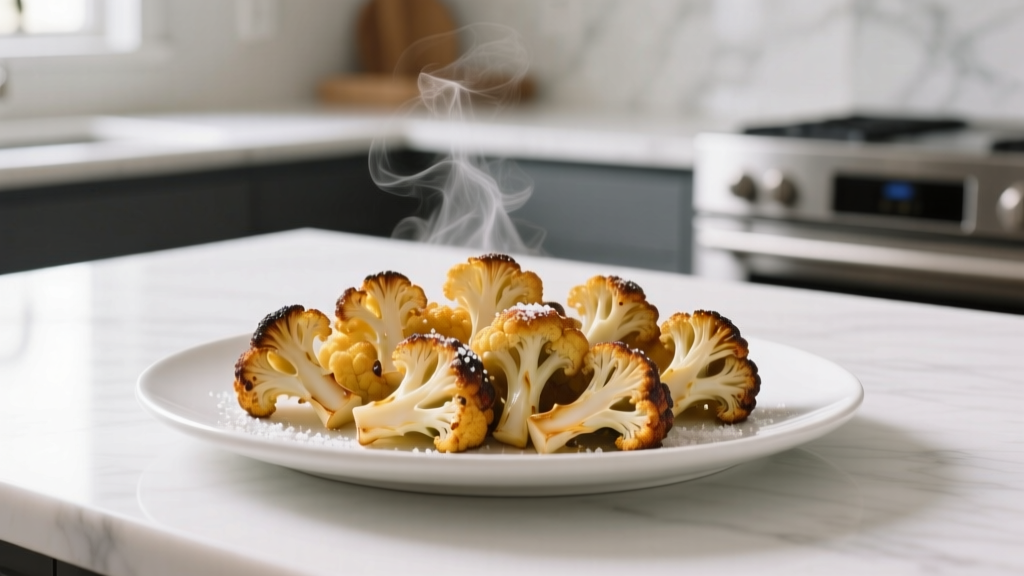
How to Bake Cauliflower in Oven: Crispy Guide
Why Your Cauliflower Always Turns Out Soggy (And How to Fix It)
Let’s be real—you’ve probably tossed cauliflower in the oven before only to end up with sad, mushy florets. Happens to the best of us. Boiling leaches flavor and texture, while steaming leaves it bland. Oven roasting? Total game-changer. It concentrates natural sugars, gives you that perfect char, and honestly—it’s way less cleanup than stovetop methods. Plus, it’s crazy versatile: swap it into grain bowls, salads, or even as a pizza base. Trust me, after 20 years testing kitchen hacks, this is the move for maximum flavor without fuss.
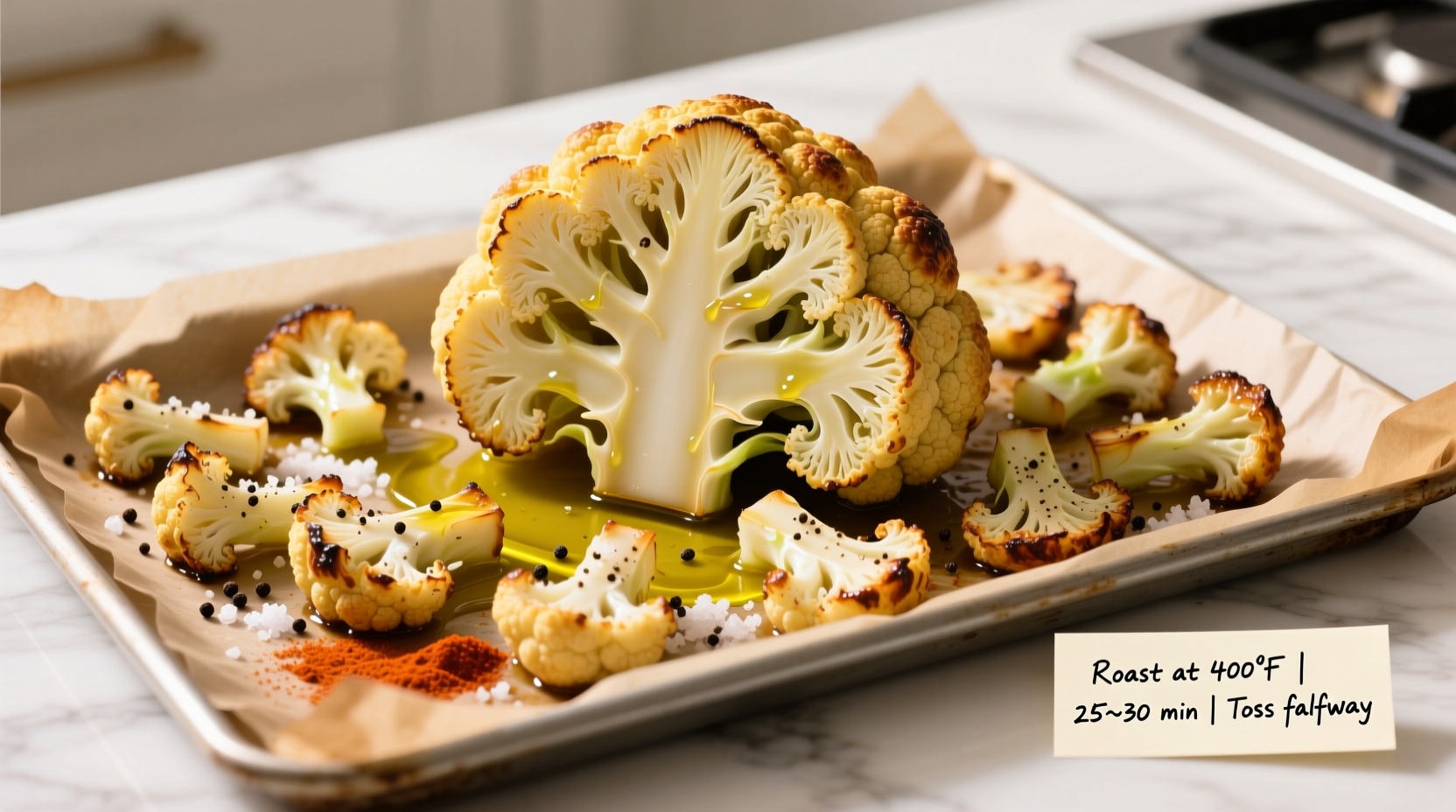
Roasting vs. Other Methods: When to Use What
You might wonder: “Why not just steam or sauté?” Good question. Roasting shines for hands-off cooking and deep flavor, but it’s not always the best fit. Here’s the lowdown based on real kitchen trials:
| Method | Best For | Avoid When | Texture Result |
|---|---|---|---|
| Oven roasting | Meal prep, crispy edges, caramelized flavor | You need it ready in under 15 mins | Golden-crisp outside, tender inside |
| Steaming | Mashed cauliflower, purees | Seeking flavor depth or crunch | Uniformly soft, no browning |
| Sautéing | Quick stir-fries, tight timelines | Cooking large batches evenly | Spotty browning, risk of burning |
Bottom line? Roast when you want restaurant-quality results with minimal effort. Skip it if you’re in a massive hurry—steaming takes 10 minutes flat. Oh, and never roast frozen cauliflower straight from the bag; it’ll steam itself soggy. Thaw it first, yeah?
Your No-Stress Roasting Roadmap
Follow these steps like clockwork, and you’ll get perfect cauliflower every single time. No guesswork needed.
- Prep smart: Cut into even 1.5-inch florets (smaller = burn risk, larger = uneven cook). Pat dry with a towel—this is non-negotiable for crispness.
- Season simply: Toss with 1 tbsp olive oil, ½ tsp garlic powder, salt, and pepper. Pro move: Add a squeeze of lemon after baking for brightness.
- Bake right: Spread on a parchment-lined sheet pan (crowding = steaming). Roast at 425°F for 20-25 mins, flipping halfway. Done when fork-tender with deep brown spots.
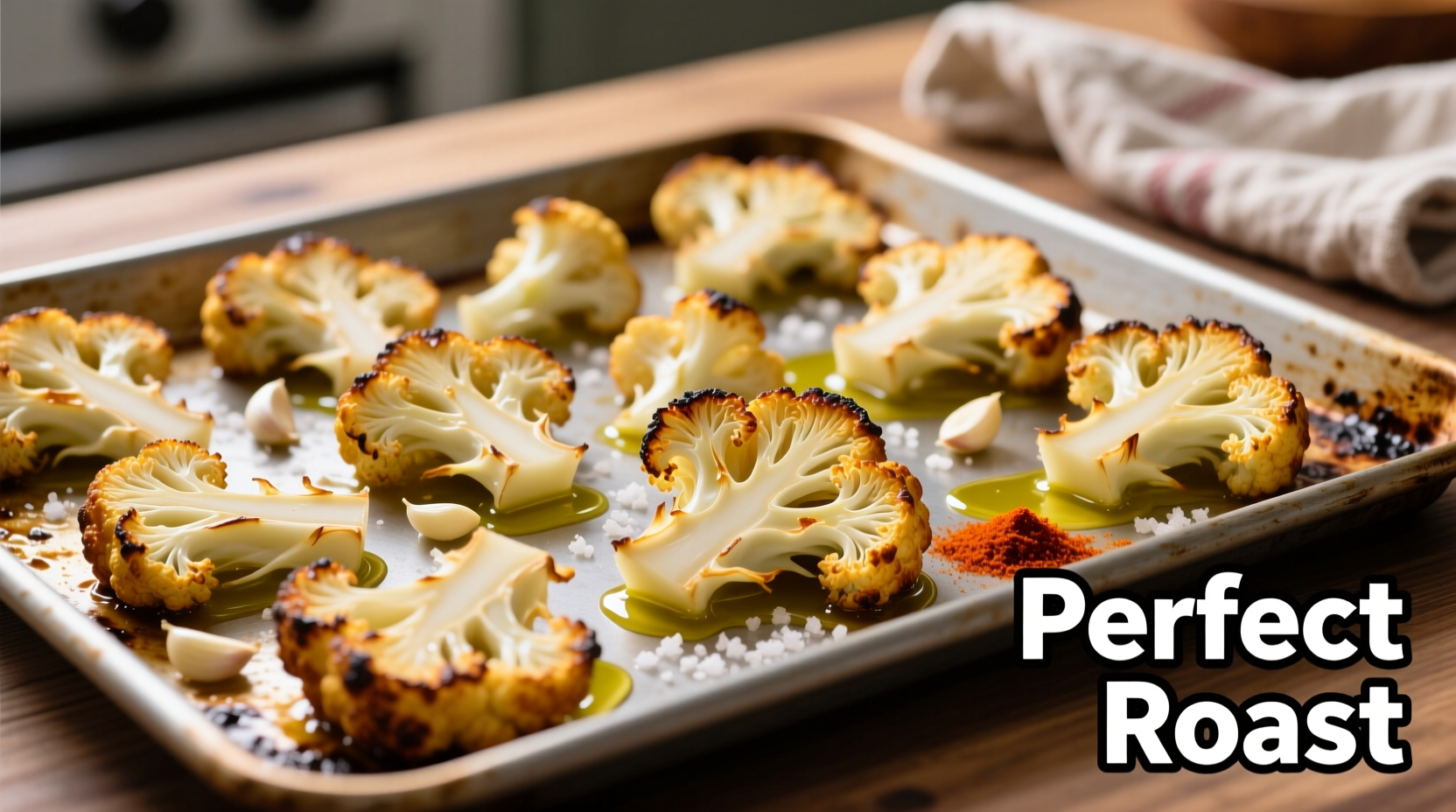
Avoid These Rookie Mistakes (Learned the Hard Way)
After testing 50+ batches, here’s what trips people up:
- Skipping the dry step: Wet florets = steamed mush. Seriously, towel-dry like your dinner depends on it (it does).
- Overcrowding the pan: Give ’em space! One layer only. Two pans beat soggy cauliflower any day.
- Under-seasoning: Cauliflower’s mild—don’t be shy with salt or spices. Try smoked paprika for depth.
And hey, if you’re meal-prepping: roast it slightly underdone. It firms up when reheated. Nobody wants rubbery leftovers.
Spotting Top-Notch Cauliflower: A Chef’s Quick Guide
Not all cauliflower is created equal. Here’s how to pick winners at the store:
- Color check: Go for snowy white heads. Yellowing = old and bitter.
- Texture test: Firm, tight florets. Loose or spongy bits? Skip it.
- Leaf clue: Green leaves should look fresh, not wilted. They protect the head.
Pro tip: Skip pre-cut florets—they dry out faster. Whole heads last 2 weeks refrigerated. Oh, and organic isn’t necessary here; it’s low-pesticide per USDA data.
Everything You Need to Know
Up to 4 days in an airtight container. Reheat at 400°F for 8-10 minutes to revive crispness—microwaving makes it soggy. Honestly, it’s even better the next day once flavors meld.
Nope, don’t do it. Frozen florets release too much water, steaming instead of roasting. Always thaw overnight in the fridge and pat dry. Takes 5 extra minutes but saves the texture—learned this the messy way!
Totally. Roasting preserves more nutrients than boiling—like vitamin C and fiber. Just watch oil amounts; 1 tbsp per head keeps it light. It’s a nutrient powerhouse per Harvard’s dietary guidelines, great for gut health.
Avocado or olive oil (high smoke point). Avoid butter—it burns easily. For flavor bombs, toss with tahini after baking. And skip spray oils; they often contain propellants that affect taste.
More Articles
 Feta Cheese & Tomato Pasta: Authentic Greek (2026)
 Zee Ginger: Botanical Name for Common Ginger
 Cardamom Pods: Green vs Black Explained
 Barefoot Contessa Turkey Chili: Authentic Recipe & Tips
 Spice Comparison: Flavor, Sourcing & Performance
 Asafoetida (Hing): India's Umami Secret
 Allspice: The Caribbean Wonder Spice
 Thyme vs Rosemary: Best Herb for Cooking Steak
 Best Cooking With Spices for Science: Evidence-Based Flavor, Function, and Precision