New Orleans Turtle Soup: History & Modern Recipes
The Enduring Legacy of New Orleans Turtle Soup
When searching for "turtle soup new orleans," many assume this dish vanished with endangered species or ethical concerns. Reality differs: it remains a living culinary artifact. French settlers in the 1700s embraced "anything that crawled across the yard," as former Commander's Palace chef Tory McPhail explained to NOLA.com. By the mid-1800s, it symbolized American democracy—accessible to both poor (who found turtles locally) and wealthy (who sought refined versions). Overharvesting nearly wiped out diamondback terrapins by 1900, but Prohibition unexpectedly saved them when sherry bans collapsed demand. Today's version honors this complex history while adapting to modern ethics.
From Colonial Survival to Cultural Icon
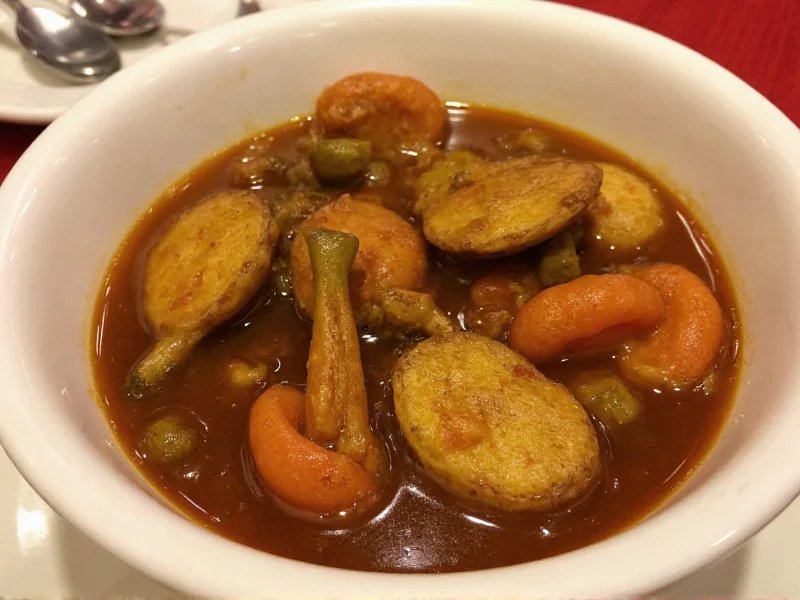
New Orleans turtle soup transformed from frontier sustenance to sophisticated Creole masterpiece. Early recipes relied entirely on wild turtles, but scarcity forced innovation. As Rouses.com documents, Commander's Palace chefs Paul Prudhomme and Ella Brennan developed the modern recipe in the 1970s using tradition and local climate insights. Key adaptations include:
- Farm-raised alligator snapping turtles replacing wild-caught terrapins
- 60% veal added to temper turtle meat's "intense and tacky" flavor (per Nat Currier, Chef de Cuisine)
- Hard-boiled eggs as traditional protein boosters during lean times
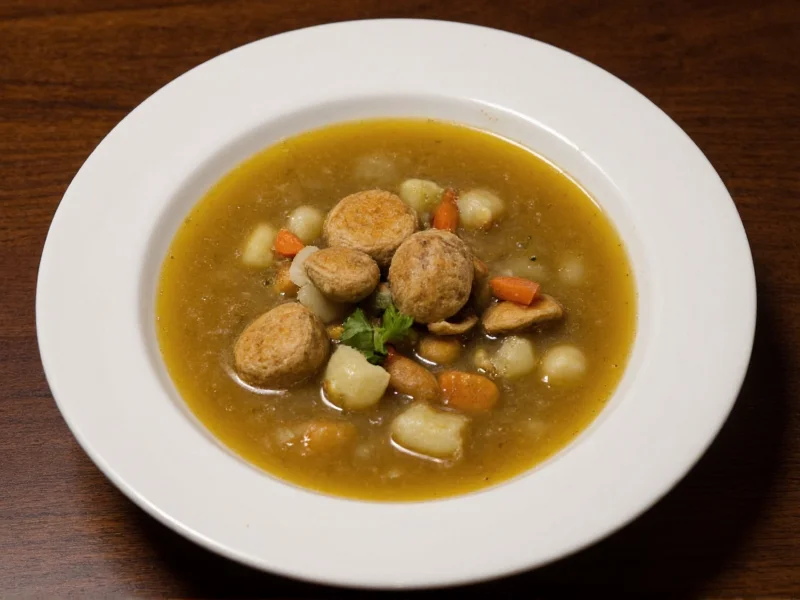
The flavor profile—described by Wholey.com as combining "shrimp, goat, pork, fish, lamb, beef, and chicken" notes—creates a uniquely layered experience. As one diner noted in Eater.com, it delivers "at least four different textures and colors from the same turtle."
Where and How to Experience Authentic Turtle Soup
True New Orleans turtle soup thrives in historic restaurants preserving Creole traditions. Commander's Palace leads with 400 gallons monthly, but Arnaud's, Brennan's, Mandina's, and Felix's also serve authentic versions per NOLA.com. When ordering:
- Always request sherry on the side—it's essential for the classic finish
- Stir in hard-boiled eggs just before eating for authentic texture
- Serve hot in traditional turtle-shell bowls where available
| Feature | Historic (Pre-1920) | Modern New Orleans Version |
|---|---|---|
| Primary Turtle Source | Wild diamondback terrapins (near extinction) | Farm-raised alligator snapping turtles |
| Meat Composition | 100% turtle meat | 40% turtle, 60% veal (per Commander's Palace) |
| Key Liquor | Mandatory sherry (pre-Prohibition) | Sherry served on side (diner-controlled) |
| Cultural Status | Symbol of wealth (1800s-1920s) | Protected culinary heritage |
| Availability | Nationwide (until Prohibition) | Exclusive to Louisiana Creole restaurants |
When to Savor and When to Skip
Understanding appropriate contexts ensures respectful engagement with this cultural artifact:
When to Use
- Cultural immersion trips: Essential for understanding New Orleans' Creole heritage at historic restaurants
- Special occasions: Commander's Palace serves it as a celebratory dish during holidays
- Educational dining: When chefs explain sustainable sourcing (all farms are regulated per Louisiana wildlife laws)
When to Avoid
- Unverified establishments: Avoid venues claiming "wild-caught" turtle (illegal under U.S. Fish & Wildlife regulations)
- High-cholesterol diets: Contains 220mg cholesterol per serving (similar to liver)
- Animal rights events: Contradicts conservation-focused gatherings per NPR's historical analysis

Identifying Authentic New Orleans Turtle Soup
Avoid these market pitfalls when seeking genuine versions:
- "Terrapin" labeling: Diamondback terrapins are protected; authentic versions use farm-raised alligator snapping turtles
- Missing sherry service: Legitimate versions always offer sherry separately (a Prohibition-era adaptation)
- Uniform texture: Authentic soup shows varied meat textures from different turtle parts
Quality indicators include:
- Restaurant history (established pre-1970s)
- Transparent sourcing (Commander's Palace specifies farm-raised turtles)
- Veal inclusion (balances turtle's richness per Nat Currier's recipe)
Common Misconceptions Debunked
Many believe turtle soup disappeared after Prohibition or uses endangered species. In reality, NPR confirms Prohibition saved terrapins from extinction, while modern versions use sustainable sources. Another myth claims it tastes "reptilian"—but Wholey.com notes its flavor resembles "chicken thigh, clam and pork" combinations. Finally, despite urban legends, no major New Orleans restaurant uses sea turtles (protected under international treaties).
Everything You Need to Know
Yes, but exclusively from farm-raised alligator snapping turtles regulated under Louisiana wildlife laws. Commander's Palace confirms 40% turtle meat blended with 60% veal, as detailed in NOLA.com. Wild-caught diamondback terrapins haven't been used since the 1920s due to near-extinction and federal protections.
Sherry was historically mandatory in pre-Prohibition recipes, but the 18th Amendment's alcohol ban caused the dish's near-disappearance per NPR. Modern versions serve it on the side so diners control the finish—preserving tradition while accommodating preferences. Omitting sherry creates an inauthentic, overly rich broth.
Legally, no—turtle meat requires special permits under U.S. Fish & Wildlife regulations. Commander's Palace chef Nat Currier notes it's "extremely rich" and needs professional balancing with veal per Rouses.com. Home cooks can try mock versions using mushrooms and oxtail for similar textures, but authentic preparation remains exclusive to licensed Louisiana restaurants.
Modern versions are sustainable: Commander's Palace uses farm-raised turtles ensuring steady supply without wild depletion, as verified by NOLA.com. Restaurants avoid protected species entirely. Ethical concerns apply only to venues using illegal wild sources—always confirm farm-raised sourcing. Many chefs view it as preserving cultural heritage responsibly.
Per Wholey.com, it delivers a "cool combination of chicken thigh, clam and pork" with four distinct textures from one animal. Commander's Palace describes it as "intense" when unbalanced, hence the 60% veal blend. Unlike game meats, it lacks gaminess but shares richness with oxtail soup—best experienced with sherry's acidity cutting through the fat.
More Articles
 Can Ginger Go Bad? Signs, Shelf Life & Storage Tips
 What Does One Garlic Clove Look Like: Visual Guide
 Cumin vs Caraway in Cooking: When to Use Each
 Peppercorn Types: Black, White, Green, Pink
 Sumac: Tangy Middle Eastern Seasoning
 Feta Cheese & Tomato Pasta: Authentic Greek (2026)
 Cheap vs Premium Slow: What Really Changes When You Upgrade Your Slow-Cooked Dishes
 Tomato Soups: Practical Guide for Home Cooks
 Anise vs Star Anise: Key Differences
Extending Spice Life & Flavor at Home
Anise vs Star Anise: Key Differences
Extending Spice Life & Flavor at Home