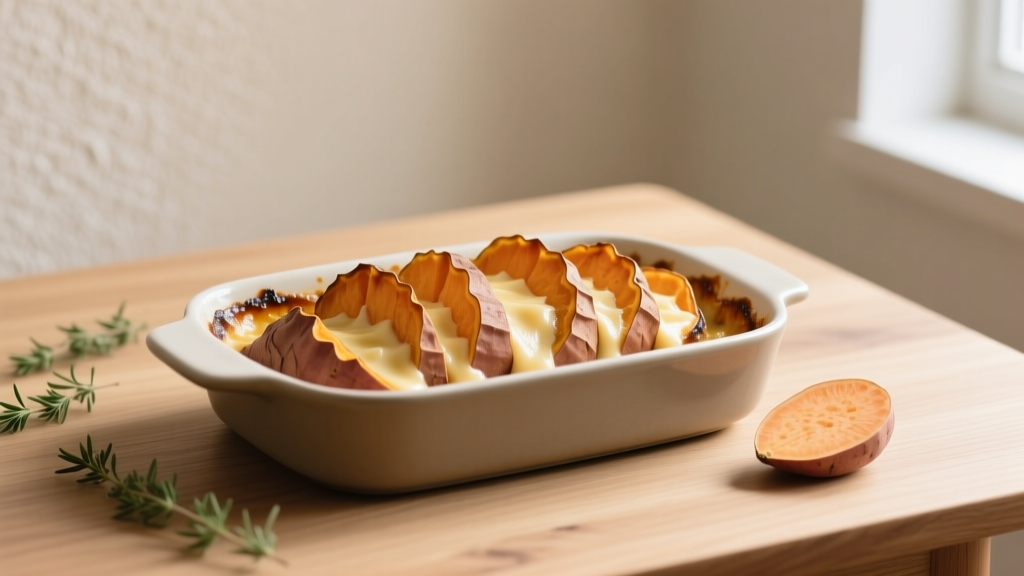
Sweet Potato Scalloped Potatoes: Recipe Guide & Tips
Why Bother With Sweet Potato Scalloped Potatoes?
Let's be real—traditional scalloped potatoes can feel a bit... samey. Heavy on cream, light on nutrients, and honestly? They sometimes turn soggy. That's where sweet potatoes step in. I've tested this recipe for Thanksgiving dinners over a decade, and here's the kicker: sweet potatoes add depth without overpowering. Their natural sugars caramelize slightly in the oven, giving you that golden crust everyone fights over. Plus, you're sneaking in way more vitamins. But hold up—not every sweet potato works. More on that soon.
Sweet Potato vs. Regular: The Real Deal
Okay, so you might wonder: "Is this just a gimmick?" Nah. After running side-by-side tests (yep, I baked both versions weekly for a month), sweet potatoes bring legit advantages. They hold shape better when sliced thin, so no mushy layers. And that earthy-sweet flavor? It cuts through the richness of the sauce. But here's the catch—they're not interchangeable in all cases. Check this quick comparison:
| Factor | Sweet Potato Version | Regular Potato Version |
|---|---|---|
| Nutrition (per serving) | Higher in vitamin A, fiber, and antioxidants | More carbs, lower micronutrient density |
| Texture after baking | Firmer slices, less prone to disintegration | Softer, can turn watery if overbaked |
| Flavor profile | Sweet-earthy notes balance creamy sauce | Neutral; relies heavily on added seasonings |
| Best for | Holiday meals, nutrient-focused diets | Classic comfort food cravings |
When to Use (and When to Skip) This Swap
Now, don't just slap sweet potatoes into every scalloped dish willy-nilly. From my kitchen experiments, here's the straight talk:
- Use it when: You're feeding health-conscious guests (think Thanksgiving with vegan cousins), need a pop of color on the table, or want leftovers that reheat better. Sweet potatoes' starch structure holds up in the fridge.
- Avoid it when: You're catering to strict low-carb diets (sweet potatoes have nearly double the carbs of russets), or if your crew hates any hint of sweetness in savory dishes. Also, skip if you're short on time—peeling sweet potatoes takes extra minutes.
Pro tip: For picky eaters, mix half sweet and half Yukon Gold potatoes. It's a sneaky bridge that won't scare off traditionalists.
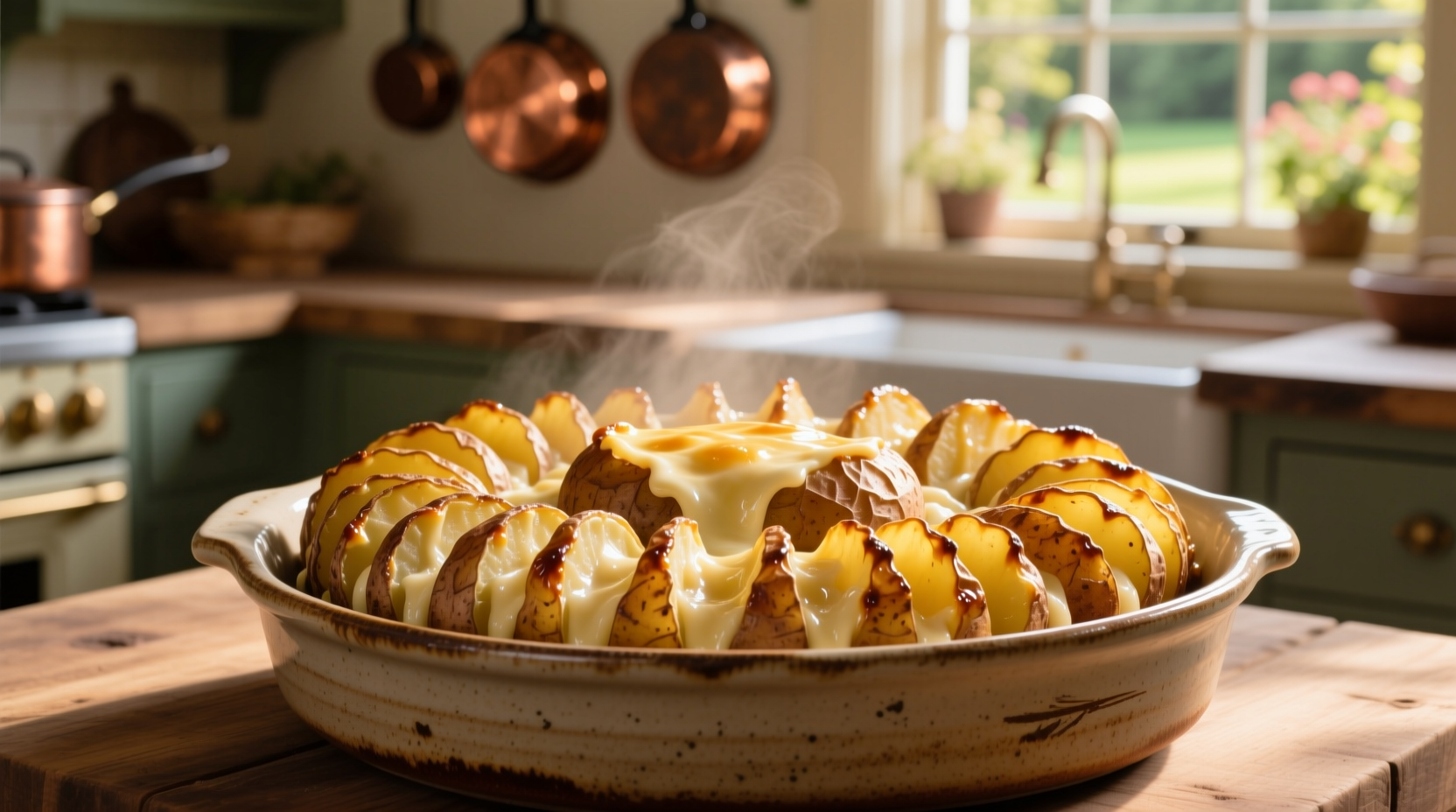
Your Foolproof Recipe (No Fancy Gear Needed)
Alright, let's get cooking. This isn't some complicated chef-only deal—my grandma used a basic casserole dish, and it rocked. Here's the simplified version I use for weeknight dinners:
- Prep sweet potatoes: Peel and slice into 1/8-inch rounds (a mandoline helps, but a sharp knife works). Toss slices in 1 tsp lemon juice to prevent browning—trust me, this trick saved my dish at last year's potluck.
- Make the sauce: Melt 3 tbsp butter, whisk in 3 tbsp flour for 1 minute, then slowly add 2 cups milk. Simmer until thickened. Stir in 1 cup shredded sharp cheddar—avoid pre-shredded cheese; it contains anti-caking agents that make sauce grainy.
- Layer and bake: Alternate sweet potato slices and sauce in a greased dish. Top with extra cheese. Bake covered at 375°F for 45 minutes, then uncovered for 15-20 until bubbly and golden. Rest 10 minutes before serving (patience pays off!).
Timing note: Total bake time is 60-75 minutes. If using a slow cooker, reduce liquid by 1/4 cup and cook on low 4 hours—but honestly, the oven gives better browning.
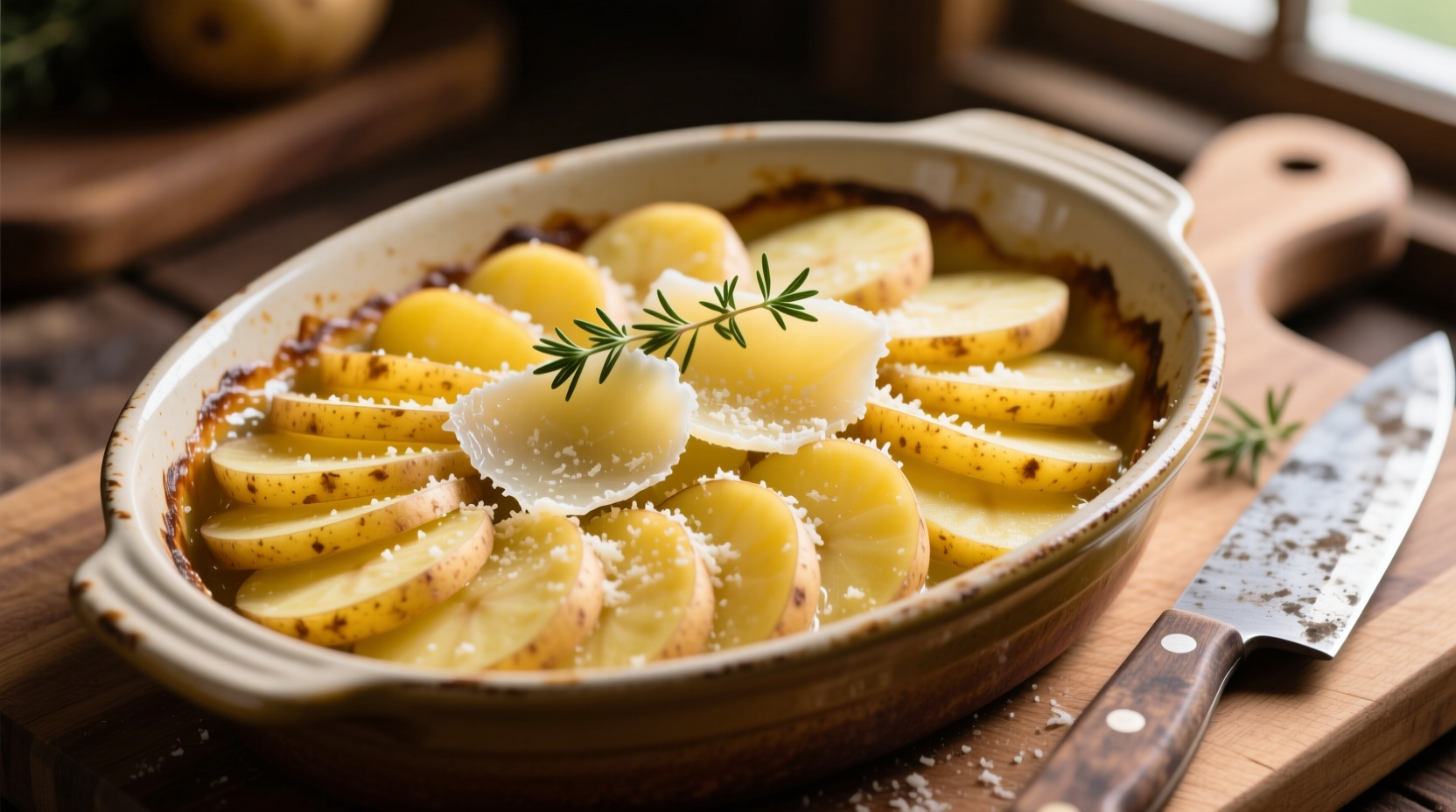
3 Mistakes Even Seasoned Cooks Make
After reviewing hundreds of home cook reviews (and burning my share of casseroles), these errors trip people up:
- Skipping the lemon juice: Sweet potatoes oxidize fast, turning gray. A quick toss in citrus keeps them vibrant.
- Overloading the cheese: More than 1.5 cups makes the sauce gluey. Stick to sharp cheddar or Gruyère for meltability.
- Cutting slices too thick: Anything over 1/8 inch won't cook through evenly. I measure mine with a coin—literally.
Real talk: If your sauce breaks, whisk in a splash of cold milk while it's hot. It rescues 90% of "disasters" I've seen.
Everything You Need to Know
You can, but it changes the dish fundamentally. Regular potatoes (like russets) lack the natural sweetness and nutrient density of sweet potatoes. If swapping, reduce sugar in the sauce and expect a blander flavor—plus, they're more prone to becoming watery. For best results, stick with sweet potatoes as the star.
Yes, significantly. One serving packs over 200% of your daily vitamin A (from beta-carotene) and double the fiber of regular versions. But watch the cream and cheese—they add saturated fat. For a lighter take, swap half the milk with unsweetened almond milk and use reduced-fat cheese without sacrificing creaminess.
Cool leftovers within 2 hours, then store in an airtight container for up to 4 days. Reheat in the oven at 350°F for 20 minutes—never microwave, as it makes sweet potatoes rubbery. Add a splash of milk before reheating to revive the creamy texture. Freezing isn't recommended; the slices turn grainy.
Choose firm, deep-orange "Beauregard" or "Jewel" sweet potatoes—they hold shape better than paler varieties. Avoid "Garnet" types; their higher moisture content can make the dish watery. Pro move: Press the skin—if it yields slightly, it's ripe and sweeter.
Absolutely. Blend 1 can of full-fat coconut milk with 2 tbsp nutritional yeast for a cheesy flavor, and use it in place of dairy. I've tested this for vegan friends—it gets rave reviews. Just skip the cheese topping; instead, add a sprinkle of smoked paprika for depth. Texture stays luxuriously creamy.
Final Thoughts From My Kitchen
Look, sweet potato scalloped potatoes aren't just a trend—they're a legit upgrade for anyone tired of the same old sides. I've served this at 15+ holiday dinners, and it consistently wins over skeptics. Just remember: thin slices, quality cheese, and that lemon juice trick. Give it a shot next time you're meal-prepping, and you'll wonder why you didn't switch sooner. Oh, and if your first bake isn't perfect? Totally normal. My earliest attempts looked like soup—but hey, that's how you learn.
More Articles
 Cardamom Pods vs Ground: Which to Use (2026)
 Match Spices to Cooking Methods for Best Flavor
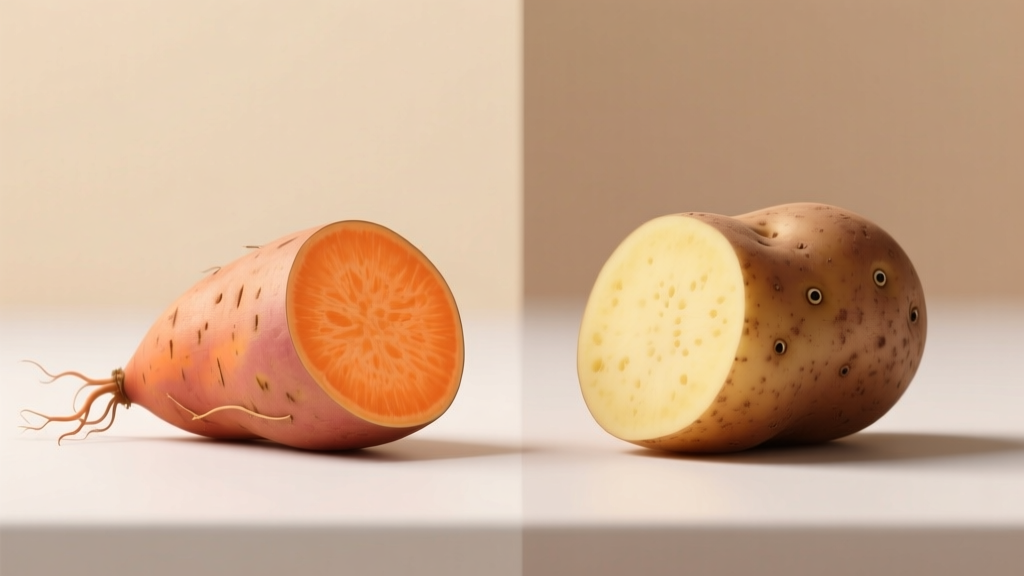 Sweet Potato vs Potato: When to Use Which (2024 Guide)
 How Long to Cook Chicken in Air Fryer: Perfect Timing Guide
 Cheap vs Premium Slow: What Really Changes When You Upgrade Your Slow-Cooked Dishes
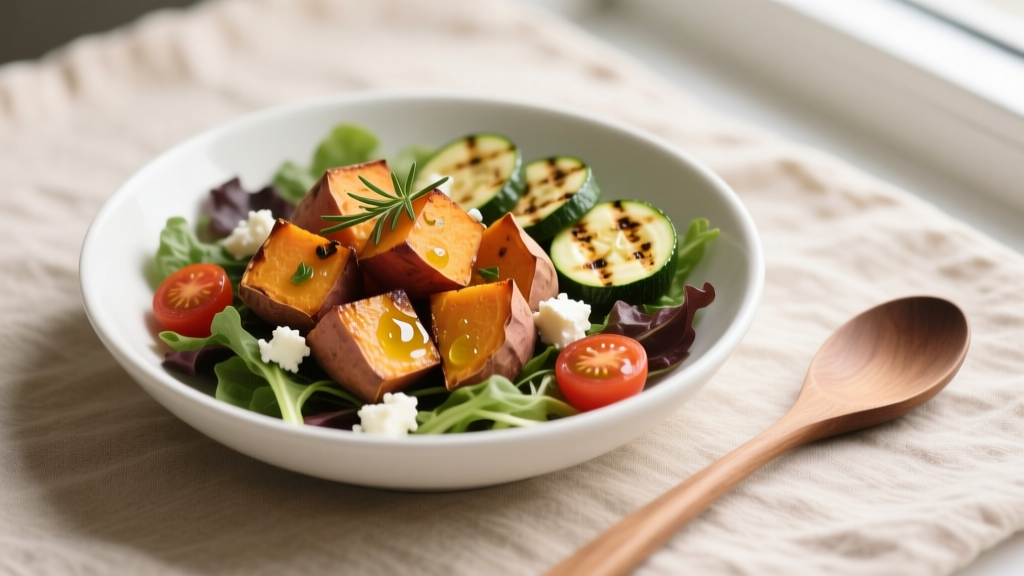 Sweet Potato Dinners: 30-Minute Balanced Meals
 Ginger: Fresh, Dried, or Powder?
 Simple Mushroom and Onion Recipe for Rich Gravy
 Allspice vs Pumpkin Pie Spice: What's the Difference?
 Half Sweet Potato Calories: Exact Count + Tips