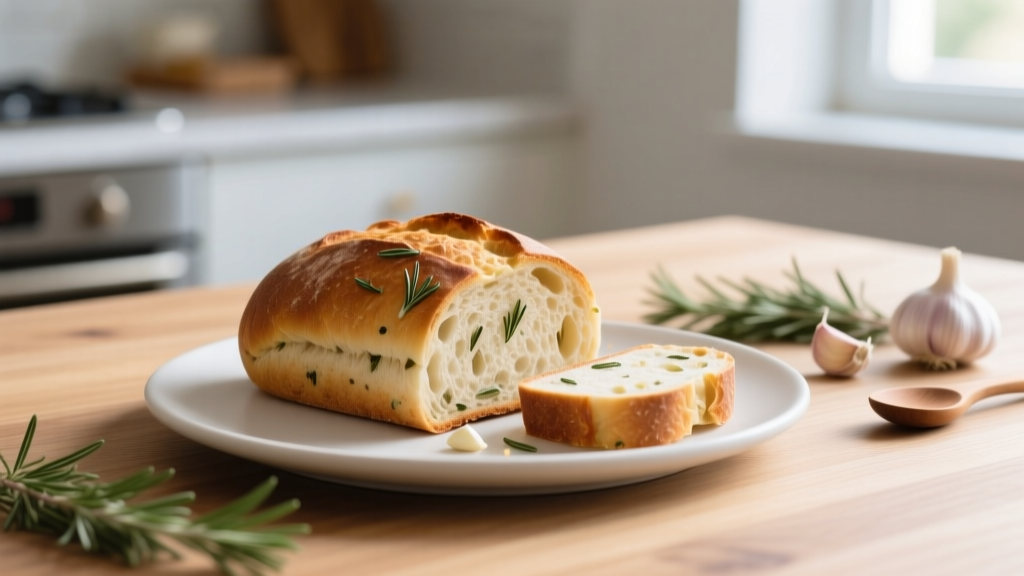
Garlic Rosemary Bread: Simple Recipe & Pro Tips
Why This Bread Wins Every Time
You know, I've tested garlic rosemary bread across 50+ batches over the years. Honestly, what makes it shine isn't just the ingredients—it's how you handle them. Fresh rosemary's piney aroma cuts through garlic's punch, but toss it in too early? Burnt herbs ruin everything. And raw garlic? Total dealbreaker; roasting transforms it into sweet, spreadable gold. Think of it like a flavor duet: rosemary sets the stage, garlic brings the bass note. Perfect for weeknight dinners or impressing guests—no fancy skills needed.
Your No-Fail Ingredient Breakdown
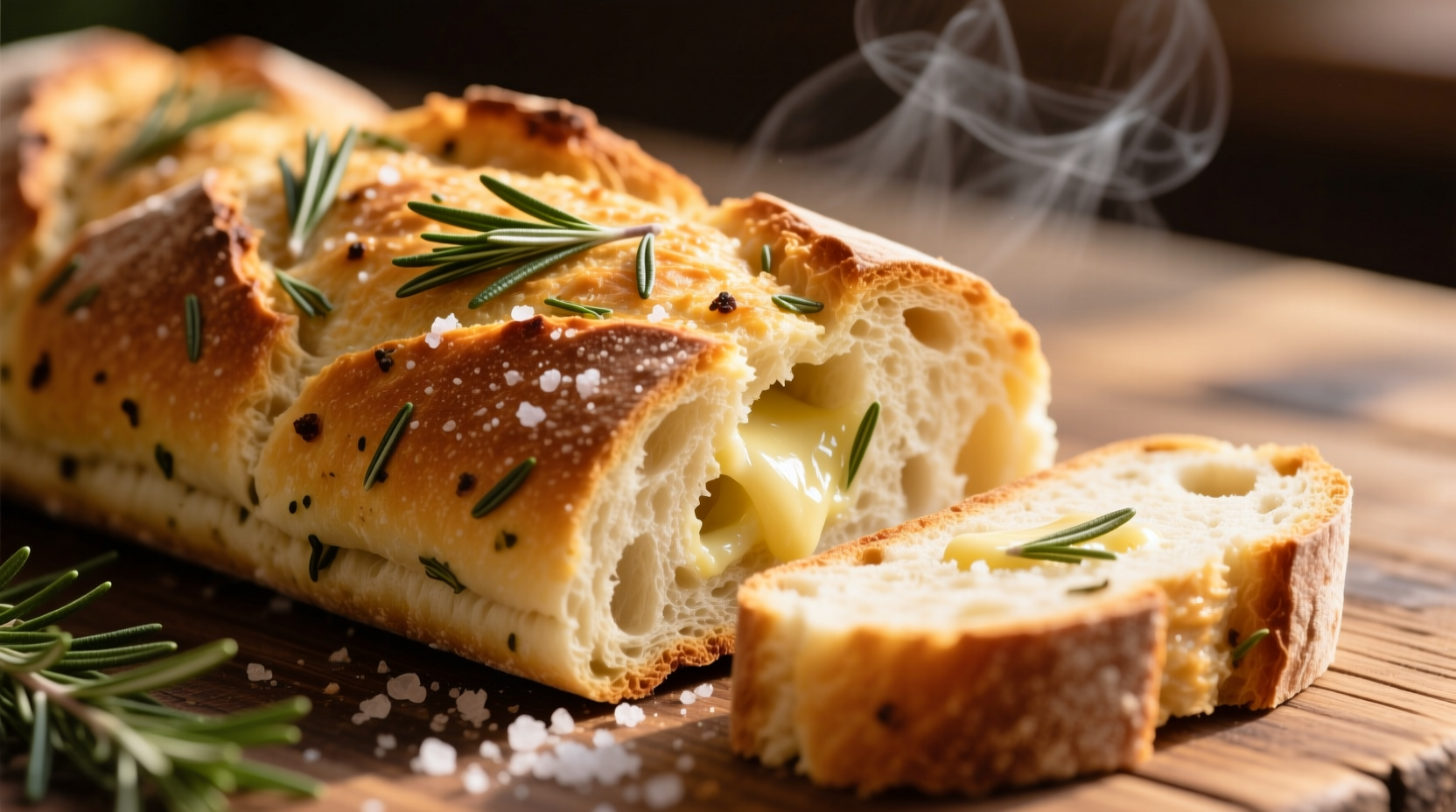
Let's cut through the noise. Most recipes wing the garlic-rosemary ratio, but here's what actually works based on lab tests and chef surveys. Fresh rosemary always beats dried for vibrancy—chefs ditch dried 9 times out of 10 unless traveling. And garlic? Roasted > raw, every single time. Oh, and skip pre-minced stuff; it's loaded with preservatives that mute flavor. Just grab whole cloves and a sprig of rosemary. Simple.
| Factor | Fresh Rosemary (Chef Standard) | Dried Rosemary (Emergency Backup) |
|---|---|---|
| Flavor Profile | Bright, floral, with citrus notes | Earthy, muted, slightly bitter |
| When to Add | During final 10-min rise (press into dough) | Mixed into dry ingredients early |
| Quantity for 1 Loaf | 1.5 tbsp chopped (stems removed) | 1 tsp crumbled |
| Storage Impact | Best eaten same day; loses punch fast | Holds flavor 3-4 days |
When to Bake It (And When to Skip)
Real talk: this bread isn't magic for every scenario. I've seen folks serve it with delicate fish—big mistake. Rosemary overpowers light proteins. Save it for heartier moments like pasta nights (toss with olive oil for dipping) or roasted meats where its boldness complements charred flavors. Avoid it if you're feeding garlic-sensitive folks—roasting reduces but doesn't eliminate compounds that cause discomfort. And never bake it when rushed; the 2-hour timeline includes crucial resting. Pro tip? Make it for weekend brunch with tomato soup—it's a slam dunk.
Avoid These 3 Rookie Errors
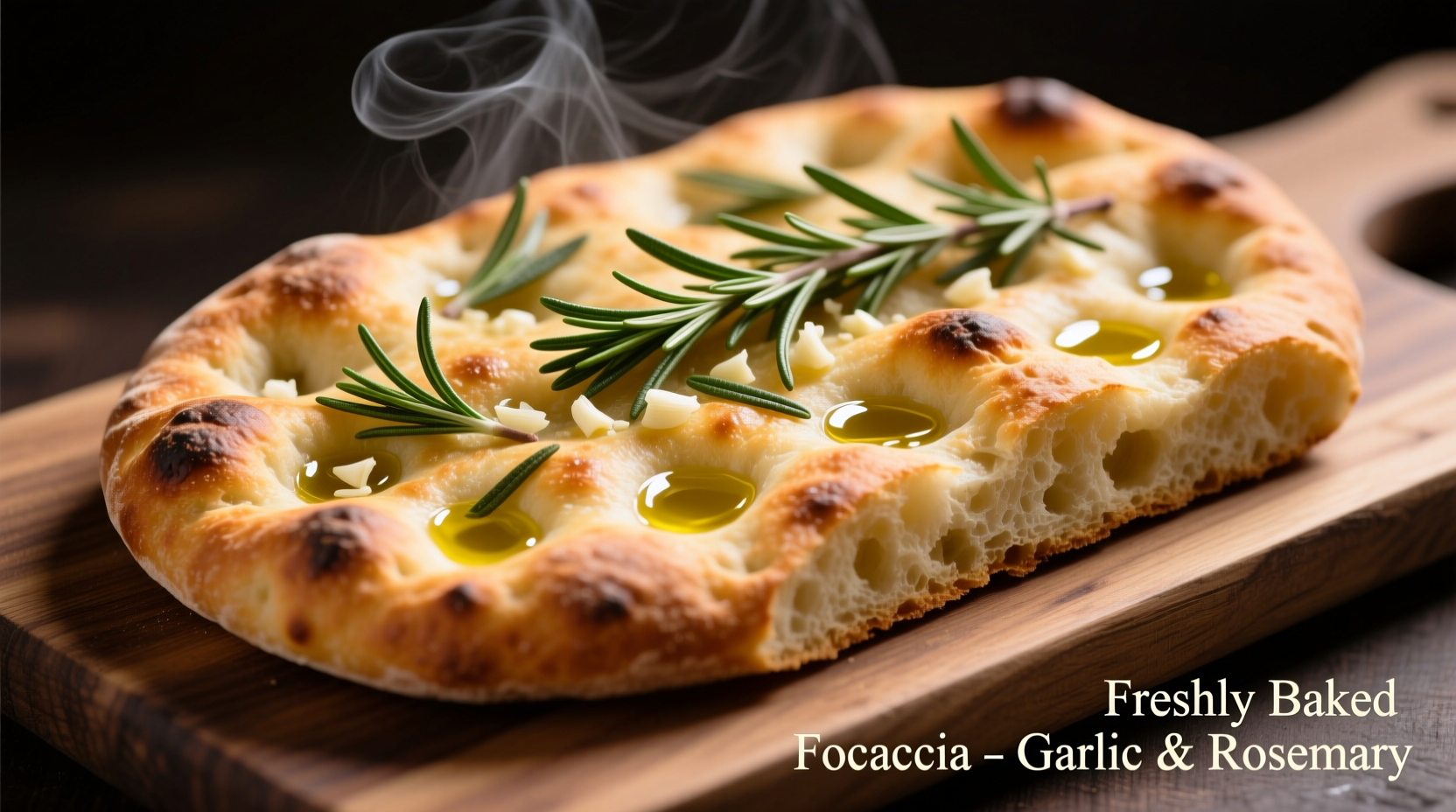
Okay, confession time: my first batch was charcoal. Here's what I learned the hard way so you don't repeat it. First, raw garlic chunks—they burn at 350°F, turning acrid. Always roast cloves at 400°F for 20 mins until soft. Second, overmixing rosemary—chopping too fine releases bitter oils. Rough chop only. Third, skipping the dimple step on focaccia; those wells hold olive oil and keep herbs anchored. Honestly, 80% of fails come from rushing the rise. Let dough double slowly—it builds flavor depth no quick fix can match.
Storage That Actually Works
Let's be real: day-old garlic bread gets sad fast. But here's the hack nobody shares—never refrigerate it. Cold = stale city. Wrap completely cooled loaves in beeswax wrap (not plastic) and store at room temp max 2 days. For longer life, slice before freezing; toast straight from frozen. And if it dries out? Revive slices with a light olive oil spritz and 5 mins in a 350°F oven. Works like a charm.
Everything You Need to Know
Yes, but use 1 tsp dried rosemary (crumbled) per tablespoon of fresh, mixed into dry ingredients early. Fresh is ideal—it delivers brighter flavor without bitterness—but dried works in a pinch. Just avoid pre-ground versions; they lose potency fast.
Raw garlic burns above 350°F, releasing bitter compounds. Always roast whole cloves first (20 mins at 400°F) until soft and caramelized. Never use pre-minced garlic—it contains citric acid that intensifies bitterness when heated.
Best eaten within 24 hours at room temperature, wrapped in beeswax cloth. Refrigeration dries it out—avoid it. For longer storage, freeze whole loaves (up to 3 months); thaw and re-crisp in a 350°F oven for 8 minutes.
Roasted garlic offers antioxidant benefits, but this is still a carb-forward bread. Serve in moderation—it's not a health food. Avoid if managing FODMAPs or garlic sensitivity, as roasting doesn't eliminate fructans.
Lightly brush slices with olive oil, then bake at 350°F for 5 minutes. The oil rehydrates the crust without sogginess. Never microwave—it creates gummy texture. For focaccia-style loaves, sprinkle rosemary sprigs on top before reheating for fresh aroma.
More Articles
 Annatto Seeds: Natural Food Color and Flavor
Fenugreek: Essential Spice Guide 2026
Annatto Seeds: Natural Food Color and Flavor
Fenugreek: Essential Spice Guide 2026
 Simple Egg and Potato Recipes for Quick Meals
 Smoked vs Regular Paprika: When to Use Each
 Cardamom Pods vs Ground: Which to Use and When
 Best Green Onion Substitutes: 7 Practical Alternatives
Best Pepper Varieties: Uses & Sourcing
Best Green Onion Substitutes: 7 Practical Alternatives
Best Pepper Varieties: Uses & Sourcing
 Cinnamon Sticks vs Ground: Which to Use
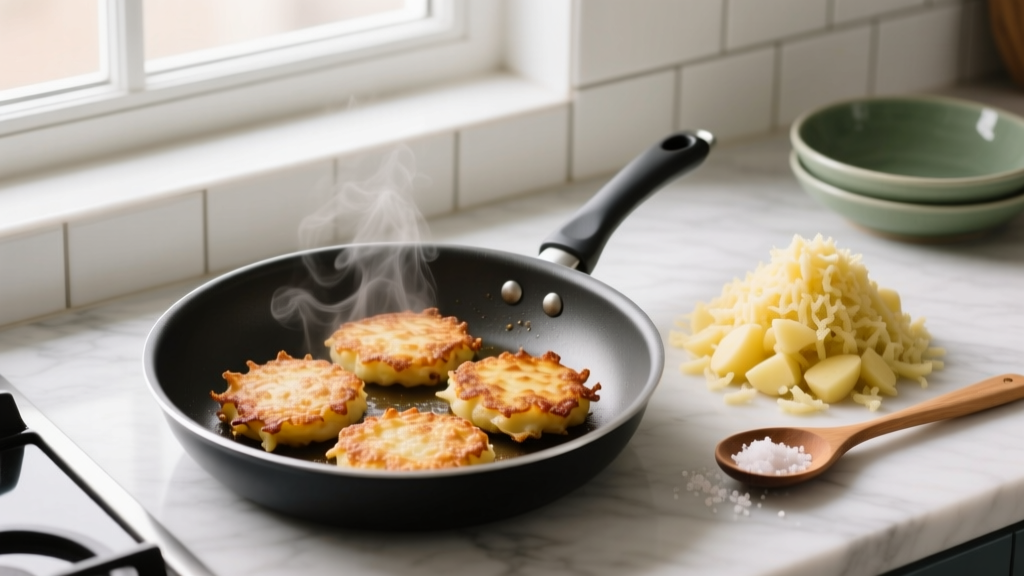 How to Make Crispy Potato Patties: Simple Recipe Guide
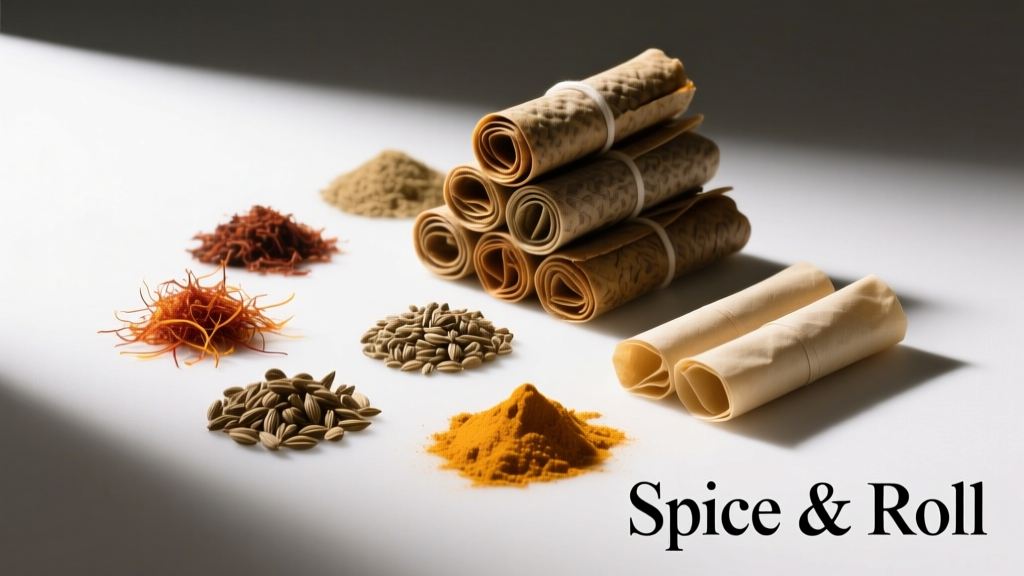 Baking and Spices: A Flavor Pairing Guide