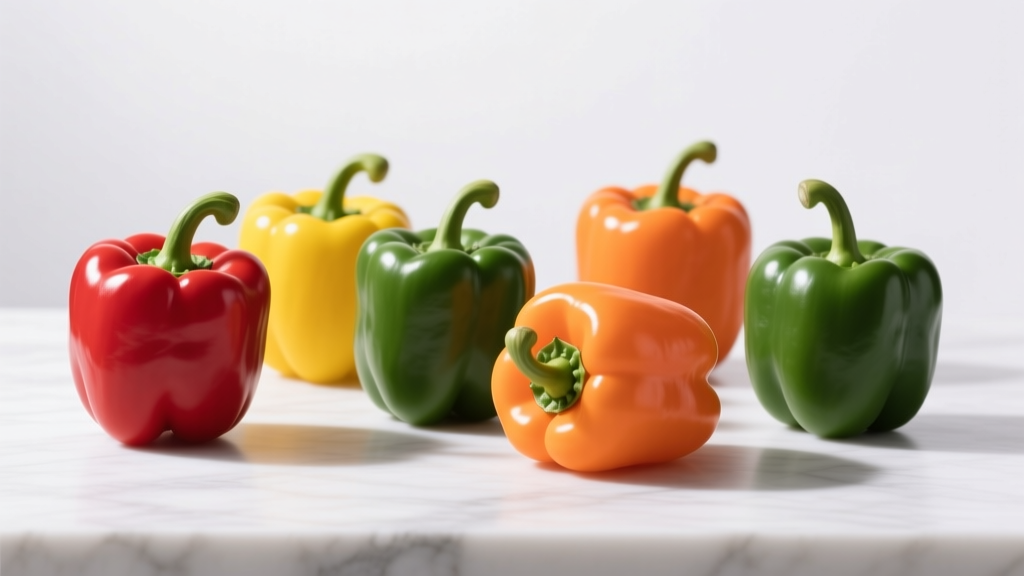
Bell Pepper Colors: Nutrition, Taste & Uses (2026)
Why Color Confusion Creates Real Kitchen Problems
Ever tossed out a "bumpy-bottomed" pepper thinking it was "female" and less sweet? You're not alone. This viral myth causes unnecessary food waste and poor cooking choices. More critically, choosing peppers based on color ignorance means missing key nutritional benefits—like skipping yellow peppers' vitamin C boost or red peppers' eye-protecting lycopene. Let's fix this with science-backed clarity.
Color = Ripeness: The Core Scientific Truth
Bell peppers change color as they mature on the vine—green is always the starting point. A single plant produces green peppers first, then transitions through yellow/orange to red as chlorophyll breaks down and carotenoids develop. This biological process explains three critical realities:
- Pricing differences: Red peppers cost 30-50% more (USDA 2023 data) because they require 2-3 extra weeks of growth
- Flavor evolution: Bitter compounds decrease while sugars increase by up to 200% from green to red
- Nutrient shifts: Antioxidant profiles transform dramatically during ripening
| Color | Vitamin C (mg/100g) | Key Antioxidants | Sweetness Level | Best Culinary Uses |
|---|---|---|---|---|
| Green | 80 | Lutein, zeaxanthin | Bitter (least sweet) | Stir-fries, stuffed peppers, salsas (holds shape) |
| Yellow | 184 | Violaxanthin | Mildly sweet | Salads, roasted dishes, sauces (bright flavor) |
| Orange | 139 | Beta-carotene (10x red) | Sweet | Purees, soups, baby food (smooth texture) |
| Red | 152 | Capsanthin, lycopene | Sweetest | Raw salads, dips, sauces (delicate texture) |
Source: [Tufts Nutrition Letter](https://www.nutritionletter.tufts.edu/healthy-eating/fats/which-color-of-bell-pepper-has-most-nutrients/) | [MS State Extension](https://extension.msstate.edu/blogs/extension-for-real-life/what-the-difference-between-green-red-and-yellow-bell-peppers)
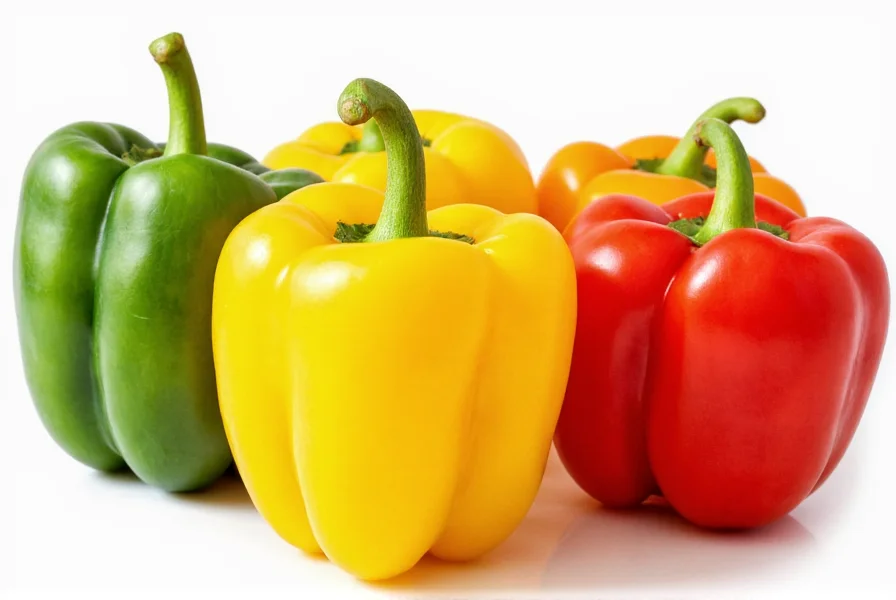
When to Use (or Avoid) Each Color: Practical Decision Framework
Green Peppers: The Structural Workhorse
- Use when: High-heat cooking (stir-fries, fajitas) where texture retention matters
- Avoid when: Making raw sauces or dishes requiring sweetness (bitterness dominates)
- Pro tip: Blanch for 60 seconds before stuffing to reduce bitterness while keeping shape
Yellow/Orange Peppers: The Vitamin Powerhouses
- Use when: Boosting vitamin C in salads or smoothies (yellow has 2.3x green's C)
- Avoid when: Long-cooking stews (heat degrades violaxanthin antioxidants)
- Pro tip: Pair with healthy fats (avocado oil) to increase carotenoid absorption by 300%
Red Peppers: The Antioxidant Champions
- Use when: Raw applications (salsas, crudités) to maximize lycopene bioavailability
- Avoid when: Budget cooking (highest cost) or structural dishes (softens quickly)
- Pro tip: Roast with olive oil—heat increases lycopene availability by 40%
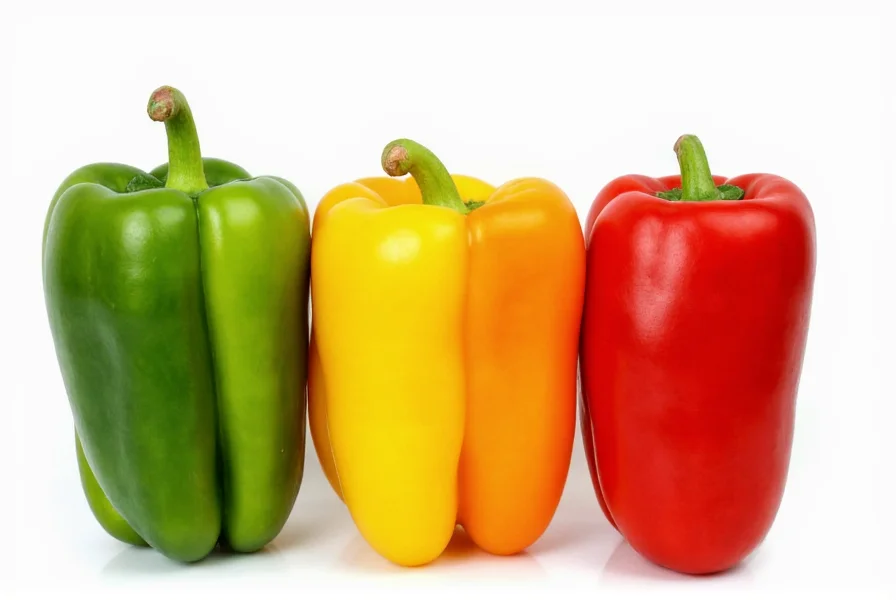
Debunking the "Male/Female Pepper" Myth for Good
That viral claim about "four bumps = female (sweeter, more seeds)" and "three bumps = male" is completely false. Agricultural science confirms:
"There is no biological basis for gender in bell peppers. Seed count variations come from pollination success and growing conditions—not gender. All commercial bell peppers are hermaphroditic flowers."
— [Julzie Style Agricultural Analysis](https://julziestyle.com/2023/03/bell-peppers)
Choosing peppers by bump count wastes time and money. Focus instead on:
- Shiny skin: Indicates freshness (dull = aged)
- Firmness: Should feel heavy for size (15-20% water loss in old peppers)
- Stem color: Green stems = recently harvested
Final Selection Strategy: Match Color to Your Goal
- Maximize vitamin C → Choose yellow peppers (184mg/100g)
- Boost eye health → Prioritize orange (10x lutein vs red)
- Get lycopene benefits → Use red peppers (only color with significant amounts)
- Save money → Buy green in season (July-Sept in US)
- Avoid waste → Store all colors in crisper drawer (5-7 day shelf life)
Everything You Need to Know
Yes—ripeness stage directly changes nutrient profiles. Yellow peppers contain 184mg vitamin C per 100g (2.3x green's 80mg), while red peppers provide lycopene and capsanthin antioxidants absent in green. Orange peppers offer 10x more lutein than red for eye health. All colors have similar fiber and vitamin A content.
As peppers ripen from green to red, starch converts to sugars—increasing sweetness by up to 200%. Simultaneously, bitter compounds like chlorophyll degrade. Red peppers spend 2-3 extra weeks on the vine developing this complex flavor profile, which explains their higher price point.
No—this is a persistent myth with no scientific basis. Bell peppers develop from hermaphroditic flowers, so gender doesn't exist. Seed count variations come from pollination success and growing conditions, not gender. Choosing peppers by "bump count" leads to poor selections and food waste.
All colors store identically: in the crisper drawer of your refrigerator, unwashed in a perforated bag. Green peppers last 7-10 days; riper colors (yellow/orange/red) last 5-7 days due to higher sugar content accelerating decay. Never store at room temperature—research shows 40% faster nutrient loss.
Green peppers are ideal for stir-frying due to their firmer cell structure, which maintains shape during high-heat cooking. Riper colors (yellow/orange/red) become mushy quickly—use them raw or in quick sautés. For color contrast, add red peppers in the last 2 minutes of cooking.
More Articles
 Yellow, Brown, Black Mustard Seeds Compared
 Garlic Cloves to Tablespoons: Practical Conversion Guide
 Potato Dumplings Recipe: Traditional & Foolproof (2026)
 Cloves to Tsp: Exact Conversion for Cooking & Baking
 Perfect Crock Pot Honey Garlic Chicken Thighs Recipe
 Crockpot French Onion Meatloaf: Simple Slow Cooker Dinner
 Match Spices to Cooking Methods for Best Flavor
 Chipotle Salsa Spice Levels Explained (Actual Heat Ratings)
 Smart Kitchen Storage Ideas That Maximize Space
 Cucumber Tomato Salad Recipe: Simple & Refreshing