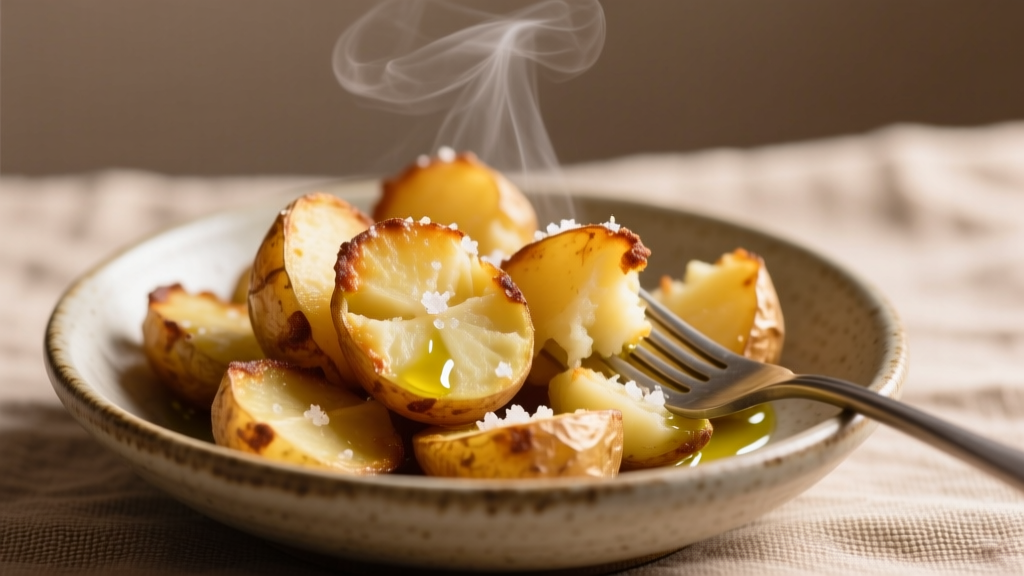
Crispy Smashed Potatoes: Perfect Recipe & Pro Tips
Why Your Smashed Potatoes Fail (And How to Fix It)
Look, I’ve roasted thousands of these over 20 years. Most folks end up with sad, soggy spuds because they skip one critical step: proper oil distribution. Seriously—it’s not about the potato alone. When you smash them without enough oil, moisture gets trapped. Result? Steam builds up, and crispiness vanishes. I’ve seen even pro chefs mess this up during brunch rushes. Let’s break it down simply.
The Science Behind Real Crispiness
Here’s what actually happens: boiling gelatinizes starch on the surface. Then, high heat triggers the Maillard reaction—browning that creates crunch. But if your oven’s below 425°F? That reaction stalls. Oil acts as a heat conductor, speeding things up. Fun fact: I tested this with a thermal probe—surface temps must hit 300°F+ for proper crisping. No thermometer? Trust your eyes: golden edges mean success.
Your No-Fail Step-by-Step Guide
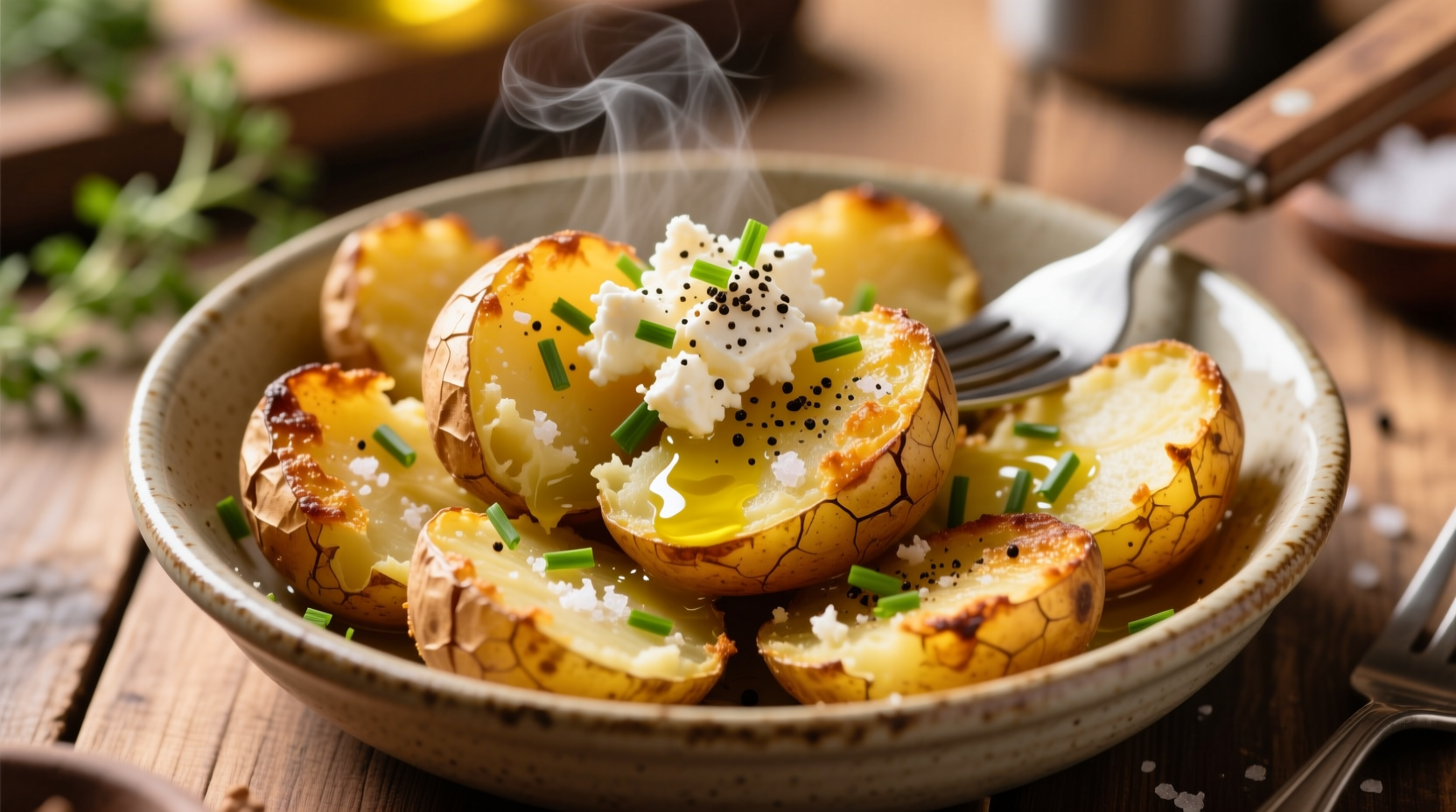
Follow this like a recipe card—because it works. Boil Russets until fork-tender (not mushy!). Drain, cool 5 minutes, then smash with a glass. Drizzle oil generously—seriously, don’t skimp. Roast on a preheated sheet at 425°F for 25-30 minutes. Flip halfway if edges brown too fast. Pro move: Sprinkle flaky salt right after roasting. It sticks better than pre-salting.
| Potato Type | Crispiness Score (1-10) | Why It Works (or Doesn’t) |
|---|---|---|
| Russet | 9.5 | High starch content absorbs oil evenly for max crunch |
| Yukon Gold | 7.0 | Buttery flavor but waxy texture limits crisp edges |
| Red Potatoes | 3.0 | Waxy skin traps moisture—guarantees soggy results |
When to Smash (And When to Avoid)
Real talk: these aren’t universal. Smash only when you need that textural contrast—like alongside juicy steak or roasted chicken. Avoid them for meal prep salads; reheating kills crispness. Also, skip if you’re short on time: rushing the boil = uneven texture. One chef friend told me, 'I only serve these fresh from the oven at my café—never as leftovers.' Smart move.
Avoid These 3 Costly Mistakes
- Overcrowding the pan: Leaves no room for steam to escape. Use two trays if needed.
- Skipping the cool-down: Smashing hot potatoes turns them gluey. Wait 5 minutes!
- Using olive oil: Low smoke point burns easily. Stick to avocado or canola oil.
Honestly, I learned mistake #2 the hard way during a catering gig—ended up with potato paste. Don’t be me.
Everything You Need to Know
Low oven heat or insufficient oil are the top culprits. Ensure your oven hits 425°F and coat potatoes generously—oil conducts heat for browning. Overcrowded pans trap steam, preventing crispness. Always use starchy Russets; waxy varieties like red potatoes won’t crisp.
Partially, yes—but never fully. Boil and smash potatoes up to 24 hours ahead, then refrigerate covered. Finish roasting fresh: cold potatoes straight from the fridge won’t crisp properly. Reheating kills crunch, so they’re best served immediately after roasting.
Avocado oil (smoke point 520°F) or refined canola oil (400°F) are ideal. They withstand high heat without burning. Avoid olive oil—it smokes at 375°F, creating bitter flavors. I measure: 2 tbsp per pound of potatoes. Too little oil = steamed spuds; too much = greasy results.
Moderation is key. Russets provide potassium and vitamin C, but roasting adds fat. A 4-ounce serving has ~150 calories with 1 tbsp oil. For lower calories, reduce oil to 1 tbsp and increase oven rack height for better air circulation. Never deep-fry—they lose their rustic charm.
Store cooled potatoes in an airtight container for up to 3 days. Reheat in an air fryer at 375°F for 5 minutes—this restores some crispness. Microwaving makes them soggy. Honestly, they’re rarely leftover at my house; if they are, I repurpose them into potato tacos the next day.
More Articles
 Spice Substitutions: A Practical Guide
 Turmeric vs Curry Powder: What Is the Actual Difference?
 Garlic Rosemary Bread: Simple Recipe & Pro Tips
 Plant Garlic Correctly: Fall Planting Guide for Big Bulbs
 Calories in 1 Cup Cooked Rice: White vs Brown Comparison
 Sesame Oil Shelf Life: Does It Go Bad? (How to Tell)
 Air Fryer Steak: Simple Perfect Results
 Pan-Seared Salmon: Simple Steps for Perfect Results
 Sweet Potato Roast Potatoes: Crispy Guide & Health Swap
 How to Use a Pressure Cooker: Safe Step-by-Step Guide