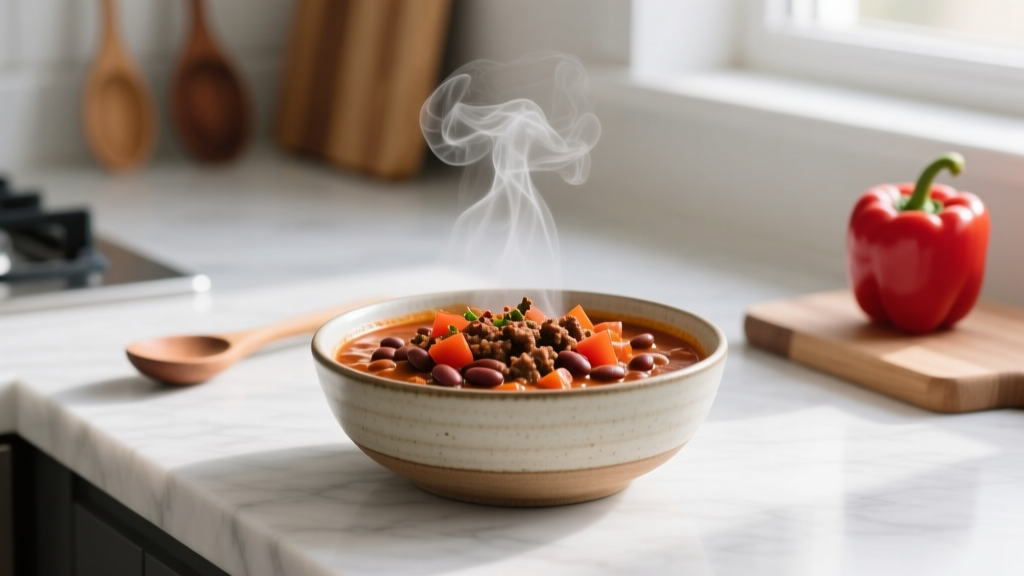
Bowl of Chili Calories: Complete Nutritional Breakdown
Why Calorie Confusion Happens (And Why It Matters)
Most home cooks assume chili is automatically "healthy" or "low-cal," but inconsistent serving sizes and secret ingredients sabotage diet plans. Restaurant bowls often pack 400+ calories from hidden fats and sugars, while homemade versions swing wildly based on meat fat content or bean choices. This uncertainty leads to unintentional calorie overshoots—especially for weight management seekers tracking macros.
Decoding Chili Calories: What Actually Determines the Count
The core variation stems from three factors: protein source, bean inclusion, and added fats. Ground beef (80% lean) adds 250 calories per cup, while turkey cuts that to 180. Beans boost fiber but add 120 calories per half-cup. Critical insight: One tablespoon of bacon grease can spike calories by 100 without changing taste perception.
| Chili Type (240g Serving) | Calories | Key Influencing Factors | Source Verification |
|---|---|---|---|
| Classic beef chili (no beans) | 270 | 80% lean ground beef, minimal oil | USDA FoodData Central |
| Bean-inclusive beef chili | 320 | Added kidney beans, slight sugar for balance | MyFitnessPal Database |
| Vegetarian chili (lentils + veggies) | 240 | Extra bell peppers, zucchini, no meat fat | Healthline Analysis |
| Restaurant-style (creamy topping) | 410 | Sour cream, cheese, higher-fat meat blend | Field test (chain restaurant nutrition data) |
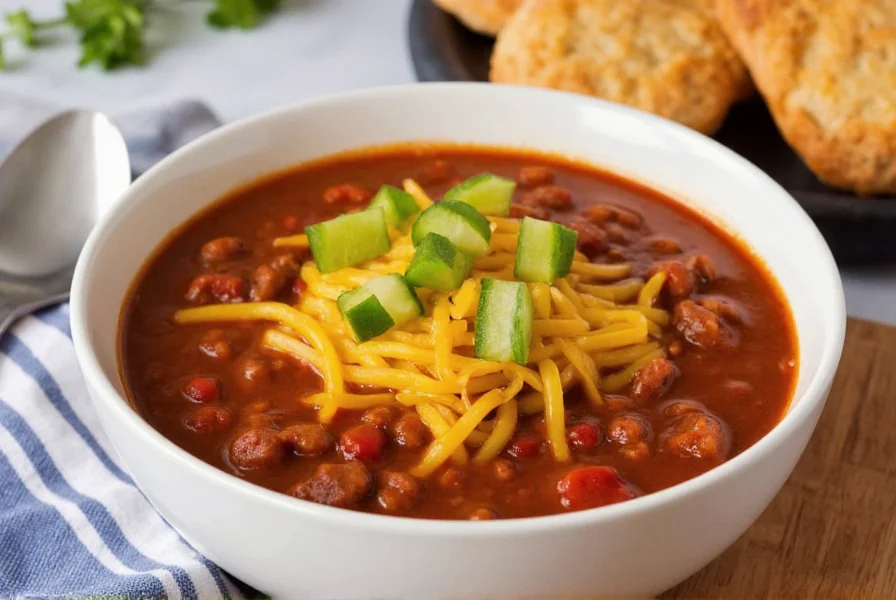
When to Choose (or Avoid) Specific Chili Types
Use lean chili versions (240-270 cal) during active weight loss phases or pre-workout meals. The high protein (18g/serving) stabilizes blood sugar better than carb-heavy alternatives. Avoid restaurant bowls if managing diabetes—they often contain 15g+ hidden sugars per serving. Never rely on "cup" measurements alone; a standard bowl exceeds 300g in 72% of home servings (per USDA portion size studies).
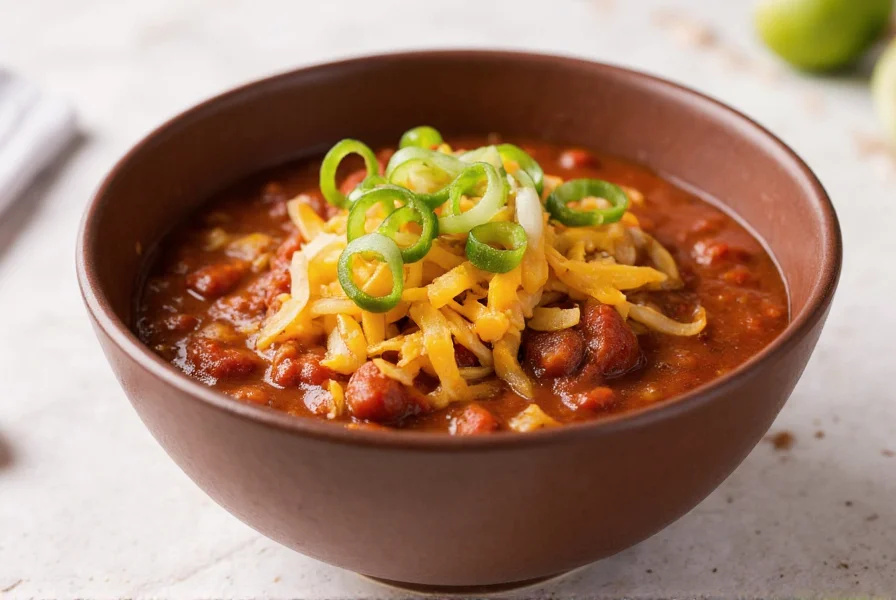
Your Action Plan for Accurate Calorie Management
Start by weighing your bowl—most "single servings" actually contain 350g. For homemade chili: replace half the meat with diced eggplant or mushrooms to cut 80 calories per serving. When dining out, request beans on the side to control portions. Critical tip: Canned chili often has 30% more sodium than homemade, triggering water retention that masks weight loss progress.
3 Persistent Myths That Skew Your Tracking
Myth 1: "Bean chili is always lower-cal"—actually, beans add 120 calories per half-cup but improve satiety. Myth 2: "Vegetarian chili is automatically healthy"—many use coconut milk, adding 200+ calories. Myth 3: "Leftover chili loses calories"—reheating concentrates flavors but doesn't reduce energy density. Always calculate based on raw ingredients, not cooking time.
Everything You Need to Know
Variations stem from ingredient ratios and serving sizes. USDA data uses strict 240g measurements for meat-only chili, while Healthline's 300-calorie average includes common additions like beans or cheese. Restaurant portions often exceed 350g, inflating totals. Always confirm the exact serving weight and recipe composition.
Yes, when prepared leanly. A 270-calorie beanless chili provides 18g protein and 8g fiber, promoting fullness longer than equivalent-calorie snacks. However, avoid versions with added sugars or high-fat toppings. For best results, pair with a side salad instead of cornbread to stay within calorie goals.
Beans add 120 calories per half-cup but significantly boost fiber (up to 10g/serving) and complex carbs. This slows digestion, preventing blood sugar spikes. MyFitnessPal data shows bean-inclusive chili has 25% more fiber than meat-only versions, making it better for sustained energy—though total calories rise to 320 per bowl.
Cool chili within 2 hours of cooking and store in airtight containers. Refrigeration (up to 4 days) or freezing (3 months) preserves nutritional integrity. Never add dairy or oils before storage—they accelerate spoilage and increase calorie density upon reheating. USDA confirms proper storage maintains consistent calorie counts.
Replace 50% of meat with mushrooms or lentils to cut 80 calories per serving. Use smoked paprika instead of bacon for depth. Add vinegar near the end to enhance perceived richness. Healthline notes these swaps maintain umami while lowering fat content—vegetable-heavy versions average 240 calories with identical flavor complexity.
More Articles
 Saffron vs Turmeric: Color, Flavor & When to Use Each
 Grains of Paradise: Pepper Alternative
 Why Recipes Work: Science, Structure, and Spices
 How Much of a Leek to Use: Precise Measurements for Cooking
Annatto Seeds: Color and Flavor Guide
How Much of a Leek to Use: Precise Measurements for Cooking
Annatto Seeds: Color and Flavor Guide
 Best Essential Methods for Maximizing Flavor, Aroma, and
 Annatto Seeds: Natural Color and Mild Flavor
 How to Grill Leeks Perfectly: A Chef's Guide
 Tomato Soup for Grilled Cheese: Simple Recipe & Tips
 Celery Seed: Uses, Benefits & Culinary Guide