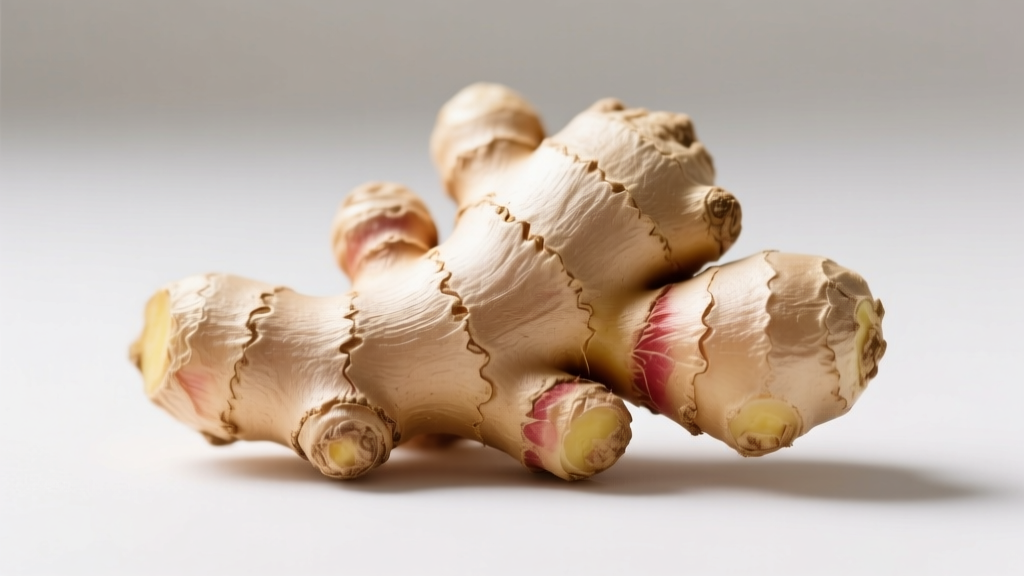
Ginger Root Appearance: Visual Identification Guide
What Does Ginger Root Look Like — And Why Most People Are Looking at the Wrong Thing
In most homes, the first thing people reach for is the ginger knob with the smoothest, palest skin—assuming that tight, papery, almost waxy surface signals peak quality. This habit comes from supermarket displays where uniformity is curated, not grown; from food blogs showing peeled rhizomes gleaming under studio lights; and from early exposure to pre-peeled, vacuum-packed ginger sold beside citrus and avocados. The real consequence? Discarding perfectly usable ginger because its skin is cracked, fibrous, or dusted with faint gray mold—none of which impair function in a home kitchen. A wrinkled knob may lose moisture, yes—but not flavor. A knobby, asymmetrical shape doesn’t mean less pungency. What gets thrown away isn’t spoiled ginger—it’s ginger that failed an aesthetic test no recipe ever requires.
The visual rule collapses entirely when ginger is destined for long-term storage, grating, or high-heat applications. In a home freezer, appearance becomes irrelevant: frozen ginger retains volatile oils regardless of surface texture or color variation. When grated raw into dressings or steeped in boiling water for tea, the outer layer is removed anyway—so whether the skin is tan or yellow-brown, thick or thin, makes zero functional difference. Even in stir-fries, where ginger is sliced thinly and cooked fast, minor surface blemishes vanish beneath heat and oil. Appearance only gains weight when ginger sits unrefrigerated for more than five days, or when it’s being gifted or photographed—not when it’s being used.
Two fixations waste time and create false anxiety. First: skin color consistency. People compare knobs side-by-side, expecting uniform golden-tan tones—and panic over slight variations (lighter near buds, darker at nodes). But color shifts reflect harvest timing and storage humidity, not degradation. Second: knob symmetry. Home cooks hesitate before buying ginger with wild, branching arms—thinking it’s ‘old’ or ‘overgrown’. In reality, branching indicates vigorous growth, not age; and irregular shapes often yield more usable flesh per ounce than compact, rounded specimens. Neither trait correlates with heat level, fiber content, or shelf stability. They’re visual noise—not functional signals.
The only constraint that reliably changes outcomes is home refrigeration capacity. Not temperature precision, not humidity control—just physical space. If your crisper drawer is overcrowded, ginger dries out faster, regardless of initial appearance. If you store it submerged in sherry or vodka (a common home hack), surface mold becomes irrelevant—but only if you have a clean jar and consistent fridge access. Budget limits matter too: expensive organic ginger often has thinner skin, making it more prone to shriveling in low-humidity fridges—yet its flavor isn’t stronger. Time pressure also reshapes relevance: when dinner needs prep in 12 minutes, judging skin texture delays action without improving result. These aren’t theoretical variables—they’re daily friction points that override any visual standard.
Here’s how judgment shifts across real use cases: If you’re grating ginger for marinade tomorrow, choose the heaviest knob—even if its skin is dull or slightly fuzzy. If you’ll freeze half for later, ignore surface cracks entirely. If you’re slicing it paper-thin for garnish on soup, prioritize firmness over color—because soft spots cause tearing, not discoloration. If you’re giving it as a host gift, select one with intact, dry skin—even if it’s lighter than others—because guests judge by surface, not scent. If you’re using it within 48 hours and won’t peel it, skip visual inspection altogether and rely on aroma instead. If you’re substituting dried ginger, appearance is meaningless—full stop.
Stop asking what ginger *should* look like. Ask what your next use *requires*. That single question bypasses all visual noise and lands you on the only reliable signal: firmness under gentle thumb pressure and a clean, sharp, unmistakable scent when scraped—not seen. Everything else is either legacy bias or packaging residue.
| What people fixate on | What it affects | When it matters | When it doesn't |
|---|---|---|---|
| Smooth, pale skin | Aesthetic confidence at point of purchase | When gifting or photographing | In cooking, freezing, or grating |
| Uniform golden color | Perceived freshness in retail light | When stored at room temperature >3 days | When refrigerated or frozen |
| Minimal branching | Peeling ease with paring knife | When slicing very thin for raw garnish | When grating, mincing, or simmering |
| Zero surface fuzz or gray specks | Microbial risk perception | When storing peeled ginger in water | When skin remains intact and refrigerated |
Quick verdicts for home cooks
- If you’re grating it raw tonight, pick the heaviest knob—not the prettiest one.
- If you’ll freeze half, ignore surface cracks, discoloration, and branching completely.
- If you’re slicing it for soup garnish, test firmness—not color—before choosing.
- If it’s going into a slow-simmered broth, even slightly wrinkled ginger delivers full flavor.
- If you store ginger in vodka, surface mold is irrelevant—just smell the liquid before use.
- If you’re substituting ground ginger, visual traits have zero bearing on outcome.
Frequently asked questions
Why do people think ginger must be bright yellow under the skin?
Because peeled supermarket ginger is often bleached or selected for uniformity—creating a false link between inner color and potency. In reality, natural variation ranges from pale cream to deep amber, with no correlation to heat or aroma.
Is it actually necessary to avoid ginger with small brown spots?
No—small, dry brown spots are just localized dehydration. They don’t spread, don’t affect flavor, and disappear once peeled. Only soft, wet, sunken areas indicate spoilage.
What happens if you ignore surface fuzz on ginger stored in the fridge?
Nothing—fuzz is harmless sap crystallization or starch bloom. It rinses off easily and carries no microbial risk. It appears most often on older, cooler-stored ginger and vanishes after peeling.
More Articles
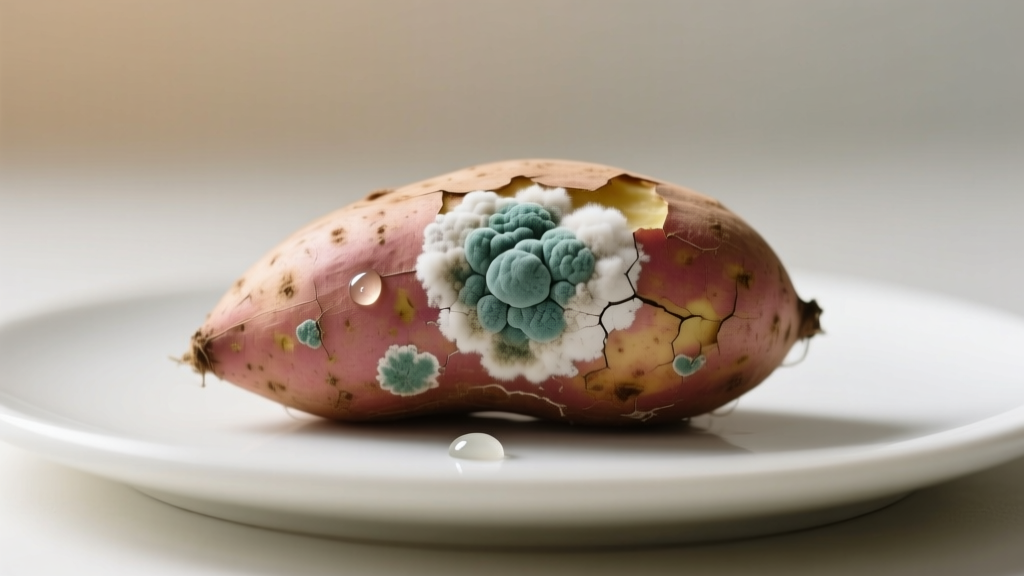 Mouldy Sweet Potato: When to Discard and Why It's Dangerous
 25 Hilarious Funny Chili Names That Actually Work
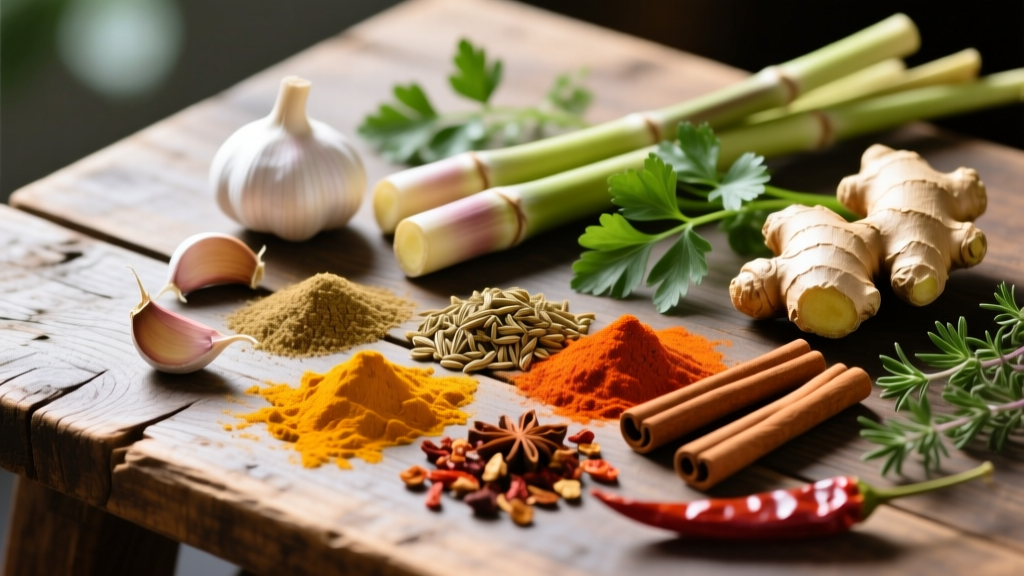 Annatto Seeds: Natural Food Color and Flavor
 History Cooking: Flavors from Rome to Colonial Era
 Where Do Cloves Come From? Origins, History & Key Facts
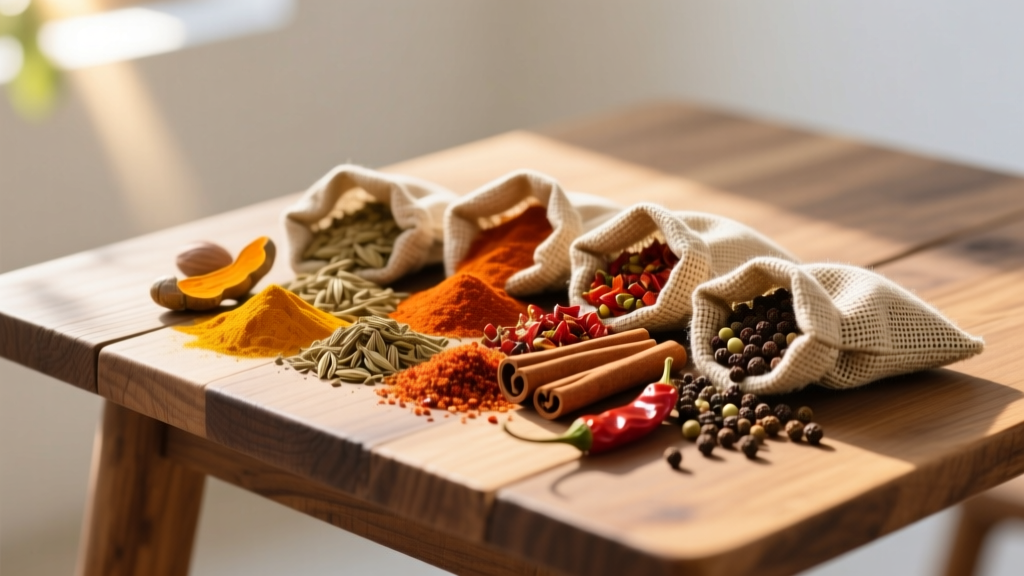 Peppercorn Varieties: Beyond Basic Black
 Indian Spice FAQ: Practical Answers
 Mexican Fruit Seasons: Year-Round Availability Guide
 Quick Pickled Red Onions: 5-Min Prep, Ready in 30 Minutes
 Chia Seeds Nutrition: Facts for 1 Tablespoon (2026)