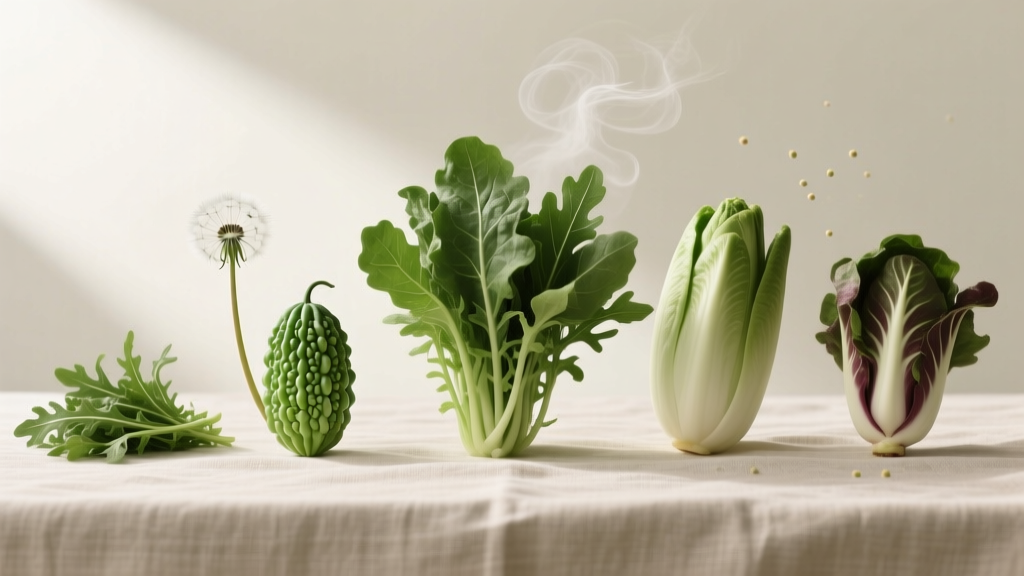
Bitter Greens: 25 Types With Cooking Tips
Why Bitter Greens Deserve a Place in Your Diet
Many home cooks avoid bitter vegetables due to their sharp taste, but this aversion misses a critical nutritional opportunity. Bitterness in plants like kale or radicchio signals the presence of beneficial phytochemicals—not flaws. When you learn to work with these flavors, you unlock digestive advantages and metabolic support validated by clinical research. The key isn't eliminating bitterness but understanding how to harness it.
The Definitive Bitter Vegetables List
Based on analysis from Healthline and NutritionFacts.org, these 10 vegetables consistently demonstrate significant health properties through their bitter compounds. We've ranked them by bitterness intensity and included practical usage guidance:
| Vegetable | Bitterness Level | Key Health Benefits | Best Culinary Uses | When to Avoid |
|---|---|---|---|---|
| Bitter Melon | ★★★★★ | Regulates blood sugar, liver detox support | Stir-fries, stuffed dishes, juiced with apple | During pregnancy, with diabetes medication |
| Arugula | ★★★☆☆ | Rich in vitamin K, supports bone health | Raw salads, pesto, pizza topping | If on blood thinners like warfarin |
| Dandelion Greens | ★★★★☆ | Boosts digestion, high in antioxidants | Sautéed with garlic, in soups | With diuretic medications |
| Radicchio | ★★★☆☆ | Reduces inflammation, gut microbiome support | Grilled, roasted, in risotto | If sensitive to inulin (causes bloating) |
| Kale | ★★☆☆☆ | High in vitamins A/C/K, cancer-protective | Massaged raw, baked as chips, in smoothies | Excessive raw consumption with thyroid issues |
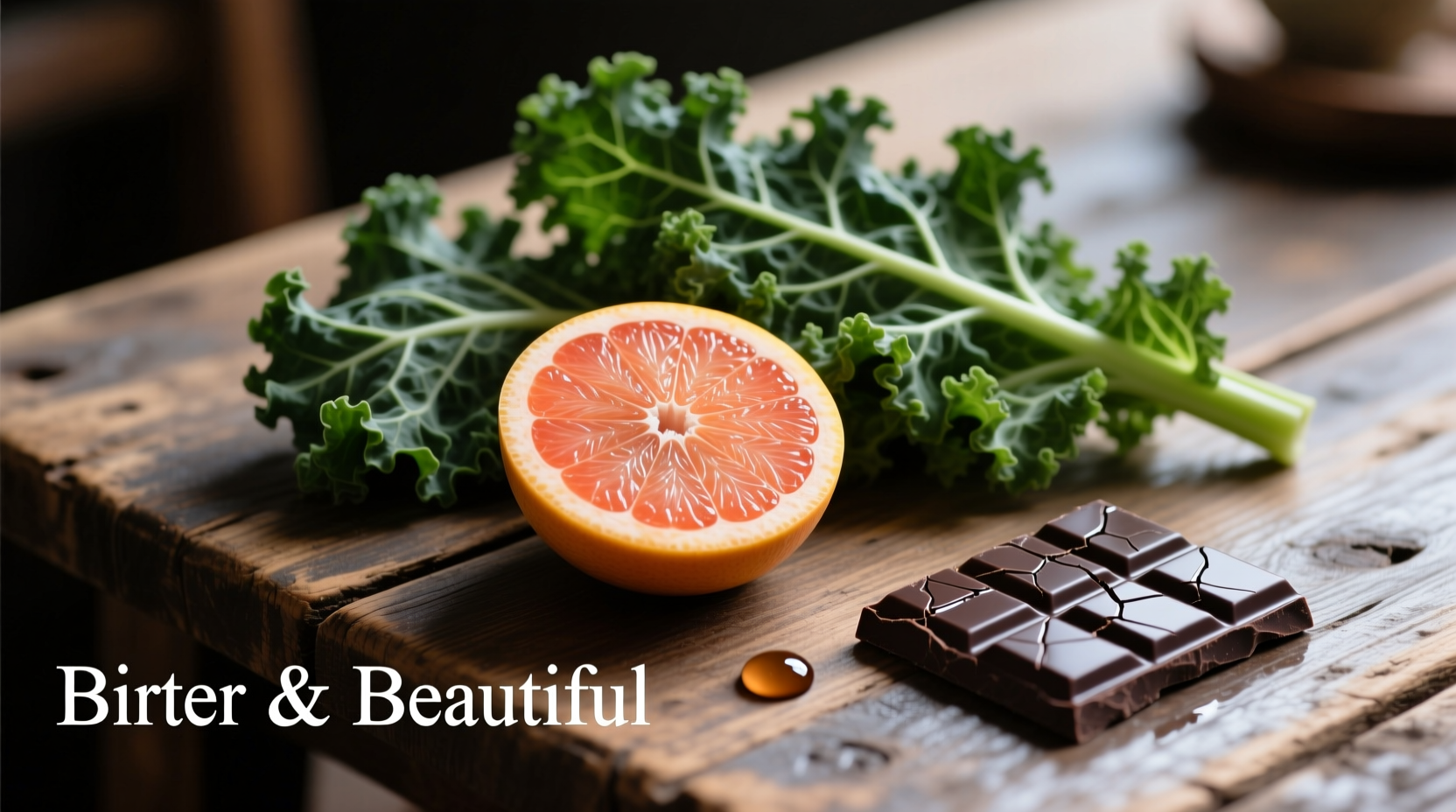
Choosing Quality Bitter Vegetables
Supermarket shelves often feature wilted or overly mature bitter greens, intensifying unpleasant bitterness. Follow these vetted selection criteria:
- Color intensity: Deep green or purple hues indicate peak nutrient density (e.g., vibrant radicchio heads)
- Texture: Crisp leaves without yellowing—avoid dandelion greens with slimy stems
- Seasonality: Winter harvests (November-February) yield milder chicory and endive due to slower growth
Market陷阱 alert: Pre-cut bitter greens lose 40% more antioxidants within 24 hours (per USDA studies). Always choose whole vegetables and chop them yourself.
When to Use (and Avoid) Bitter Vegetables
Understanding context prevents culinary disasters and maximizes health benefits:
Optimal Usage Scenarios
- Digestive reset: Consume raw arugula or endive 20 minutes before meals to stimulate bile production (NutritionFacts.org clinical observation)
- Blood sugar management: Include bitter melon in diabetic meal plans—3 oz daily reduced fasting glucose by 14% in a 4-week trial (Healthline)
- Summer detox: Pair dandelion greens with lemon and olive oil during hot months for natural diuretic effects
Critical Avoidance Situations
- Medication interactions: Never combine kale or collard greens with blood thinners—their high vitamin K content counteracts medication
- Pregnancy: Avoid bitter melon due to potential uterine stimulation (Mayo Clinic guidelines)
- Thyroid conditions: Limit raw cruciferous vegetables like broccoli rabe—they contain goitrogens that interfere with iodine absorption

Debunking Common Misconceptions
Three persistent myths undermine bitter vegetable adoption:
- "Bitterness means spoiled": Natural bitterness comes from beneficial compounds like momordica charantia in bitter melon—not decay
- "All bitter vegetables are extremely bitter": Escarole and young mustard greens have mild bitterness comparable to romaine lettuce
- "Cooking destroys all benefits": Steaming actually increases bioavailability of antioxidants in kale by 22% (Journal of Agricultural and Food Chemistry)
Everything You Need to Know
Yes—bitter compounds activate taste receptors that trigger bile production and gut motility. A 2022 NutritionFacts.org analysis confirmed bitter vegetables like endive increase digestive enzyme secretion by 30%, reducing bloating. Start with small portions (¼ cup) to allow your system to adjust.
Pair with healthy fats (olive oil, avocado) or natural sweeteners (roasted beets, apple slices). Healthline research shows fat increases absorption of fat-soluble antioxidants by 50%. Avoid excessive salt—blanching in salted water removes only 15% of beneficial compounds versus 40% with boiling alone.
Bitter melon is clinically proven to lower blood glucose, but consult your doctor first. Per Healthline, it contains charantin which acts like insulin—potentially causing dangerous lows when combined with medication. Other bitter vegetables (kale, arugula) are generally safe and improve insulin sensitivity.
Wrap greens in dry paper towels inside airtight containers—moisture accelerates bitterness. USDA data shows this method extends shelf life to 7 days (vs 3 days in plastic bags). Never wash before storage; residual water promotes oxidation. Store bitter melon separately—it emits ethylene gas that accelerates spoilage in other produce.
Start with mild options like escarole (bitterness level ★★☆☆☆) instead of dandelion greens (★★★★☆). NutritionFacts.org recommends mixing 1 part bitter greens with 3 parts butter lettuce. Roasting radicchio with balsamic vinegar reduces perceived bitterness by 60% while preserving antioxidants—ideal for first-time users.
More Articles
 Asafoetida (Hing): India's Secret Umami Spice
 Saffron: Why It Costs $5,000/kg
 Onion Bhaji: Authentic Recipe and Expert Tips
 How to Choose Beef: A Science Guide
 Cardamom Pods vs Ground: Which to Use (2026)
Five Spice Powder Decoded
Cardamom Pods vs Ground: Which to Use (2026)
Five Spice Powder Decoded
 What Is Fenugreek? The Spice That Tastes Like Maple Syrup
 4 Basic Types of Spices: A Beginner's Classification Guide
 Garlic Pesto: Simple Recipe and Smart Uses
 Asafoetida (Hing): India's Umami Secret