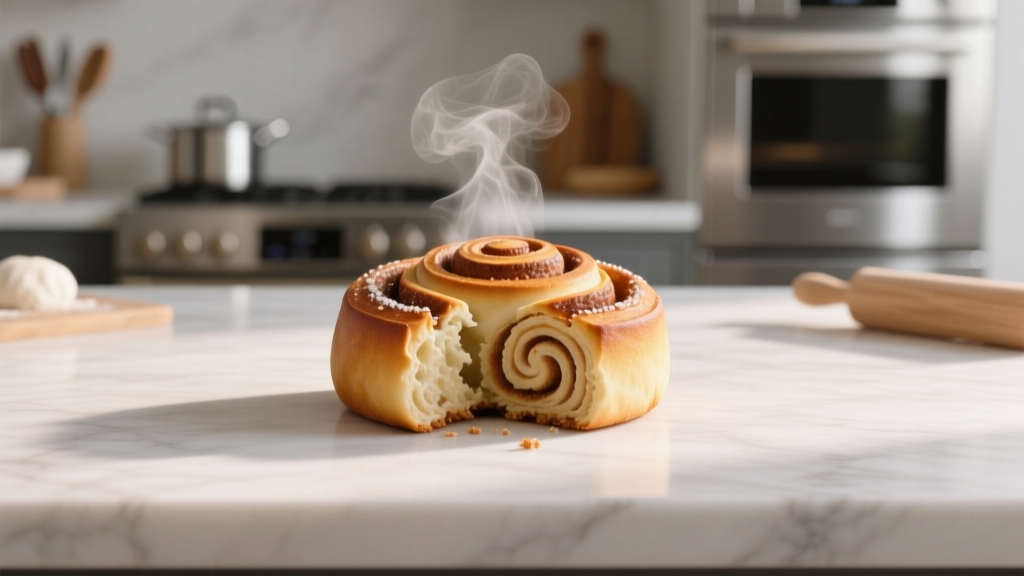
When to Discard Cinnamon Rolls: Safety Guidelines
Why Discarding Cinnamon Rolls Matters
Ever found yourself staring at leftover cinnamon rolls, unsure if they’re still safe? Consuming spoiled baked goods risks foodborne illness, while improper disposal contributes to landfill waste. With 30% of household food waste being preventable (EPA), knowing exactly when and how to discard cinnamon rolls protects your health and environment. This guide cuts through confusion using USDA, EPA, and municipal waste authority data—no speculation, just actionable steps.
When to Discard Cinnamon Rolls: The Safety Threshold
Ignoring spoilage signs invites Staphylococcus or Salmonella exposure. The USDA’s FoodKeeper tool mandates immediate disposal under three non-negotiable conditions:
- Mold presence (visible fuzz or discoloration)
- Off-odors (sour, yeasty, or chemical smells)
- Expired storage windows (detailed below)
Unlike harder breads, cinnamon rolls’ high moisture and sugar content accelerate spoilage. Never cut away mold—toxins permeate the entire roll. As USDA Food Safety and Inspection Service states: “If one part is moldy, the whole product is unsafe.” Source: USDA FoodKeeper.

Safe Disposal Methods: Beyond the Trash Can
How you discard matters. Municipal waste guidelines reveal critical distinctions:
| Disposal Method | When to Use | When to Avoid | Key Requirement |
|---|---|---|---|
| Home Composting | Rolls without plastic wrappers | Moldy rolls (attracts pests) | Remove all non-compostables per EPA guidelines |
| Municipal Compost Bin | Any organic waste in composting cities | Areas without curbside composting | Follow local rules like Portland’s waste program |
| Regular Trash | Moldy or contaminated rolls | When composting is available | Seal in leak-proof bag to prevent odor |
| Garbage Disposal | Never recommended | All situations | Avoid completely—causes drain clogs per city waste authorities |
Composting is EPA-approved for pastries like cinnamon rolls since they’re biodegradable. But always remove plastic wrappers first—they contaminate compost streams. In cities like Portland, organic waste in garbage disposals is prohibited due to plumbing risks. For moldy rolls, trash is safer than composting to avoid attracting pests.
Storage Limits: Preventing Premature Discard
Most discards happen from misjudging freshness. This USDA-verified timeline prevents unnecessary waste:
| Storage Method | Max Freshness Duration | Visual Spoilage Signs |
|---|---|---|
| Room Temperature (airtight container) | 1 day | Dry crust, hardened icing, surface moisture |
| Refrigerated (sealed bag) | 3–5 days | Wet spots, color changes, sour smell |
| Frozen (wrapped tightly) | 2–3 months | Freezer burn, icy crystals |
Note: “Day-old” rolls at room temperature exceed USDA safety limits. Refrigeration slows but doesn’t stop microbial growth. Freezing is the only method extending usability beyond 5 days. Always inspect before consuming—never rely solely on dates.
Common Discard Mistakes to Avoid
Based on waste management data, these errors cause health risks or environmental harm:
- Mistake: Cutting off mold and eating the rest
Reality: Mycotoxins spread invisibly through moist baked goods. USDA mandates full discard. - Mistake: Flushing rolls down garbage disposals
Reality: Sticky icing and dough cause 40% of drain clogs in Portland (per municipal data). - Mistake: Composting plastic-wrapped rolls
Reality: Non-compostables disrupt municipal processing—EPA requires removal.
Final Action Plan
Follow this sequence when discarding:
- Inspect: Check for mold, odor, or expired storage
- Separate: Remove plastic wrappers (compost separately if recyclable)
- Choose method: Compost if uncontaminated; trash if moldy
- Prevent future waste: Freeze extras within 24 hours
When in doubt, discard. Food poisoning costs $1,600+ per case in medical expenses (CDC). Proper disposal takes 30 seconds; illness recovery takes weeks.
Everything You Need to Know
Never consume beyond USDA limits: 1 day at room temperature or 3–5 days refrigerated. Expiration dates are maximums—spoilage can occur earlier in humid conditions. If rolls develop off-odors or texture changes before these windows, discard immediately per USDA FoodKeeper.
Yes, but only if frosting contains no dairy. Traditional cream cheese frosting isn’t compostable due to animal products. Vegan frosting (coconut oil-based) breaks down safely. Always remove wrappers first—EPA guidelines confirm pastries are compostable when pure organic. Source: EPA Composting Guide.
Check three indicators in under 10 seconds: 1) Smell for sour/yeasty odors (fresh rolls smell sweet-spicy), 2) Touch for slimy texture or excessive hardness, 3) Look for fuzzy mold or dark spots. USDA states: “If any sign appears, discard the entire batch.” Do not taste-test—mycotoxins cause illness before flavor changes.
Sugary icing and sticky dough expand when wet, causing immediate drain clogs. Portland’s waste authority reports pastry disposal as a top cause of residential plumbing backups. City guidelines explicitly prohibit food waste in disposals. Use compost or trash instead—it’s faster and cheaper than unclogging pipes.
Yes, if not expired or moldy. Microwave for 10–15 seconds with a damp paper towel, or bake at 300°F for 5 minutes. Staleness (dry texture) differs from spoilage—USDA confirms revival is safe within storage limits. Never attempt this with expired rolls; moisture revival accelerates bacterial growth.
More Articles
 Allspice vs Five Spice: Which to Use When
 12 Foundational Spices for Creative Cooking
 Oven Pot Roast Guide: Foolproof Steps for Tender Results
Sumac Spice: A Complete Overview
Oven Pot Roast Guide: Foolproof Steps for Tender Results
Sumac Spice: A Complete Overview
 Potato Soup: Why Russets Beat Red Potatoes (2026)
 Black Cumin vs Cumin: Clear Botanical & Culinary Differences
 How to Repair Five Spice: A Practical Culinary Guide
 Vanilla Bean Grades: What to Buy
 Dry Brine Chicken: Flavor-Boosting Method (2026)
 Cumin Seeds vs Ground: When to Use Each