Sweet Potato vs Potato: When to Use Which (2024 Guide)
Why This Confusion Happens (And Why It Matters)
Let's be real—you've probably grabbed one thinking it's the other at the grocery store. Honestly, it's a super common mix-up. But here's the thing: using the wrong one can totally wreck your meal. Like, imagine making mashed potatoes with sweet potatoes—they'll be way too sweet for gravy. Or swapping regular potatoes into a pie? Disaster. Been there, done that in my test kitchen. This isn't just trivia; it affects taste, texture, and even your health goals. So let's clear this up once and for all.
Quick Reality Check: They're Totally Different Plants
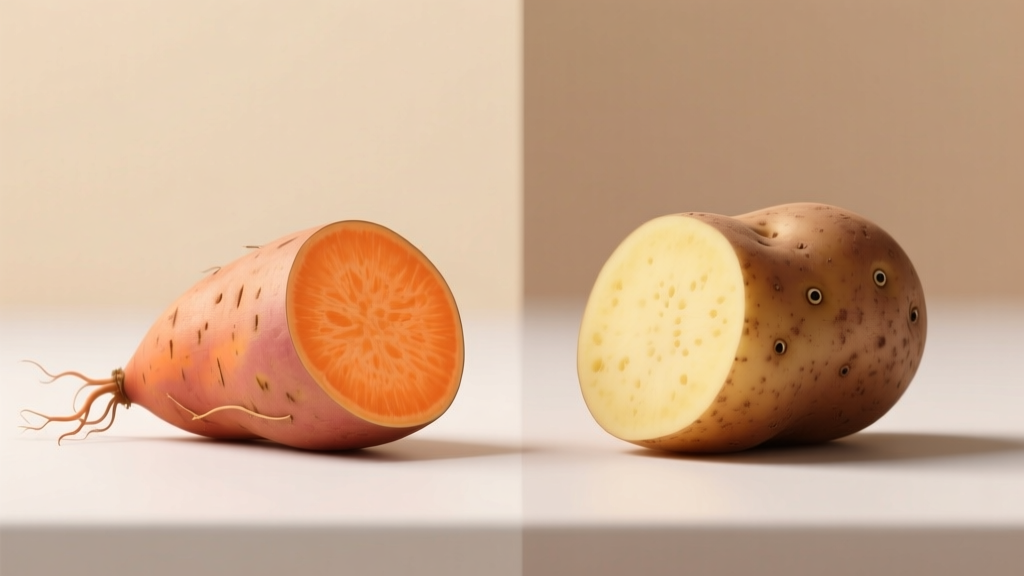
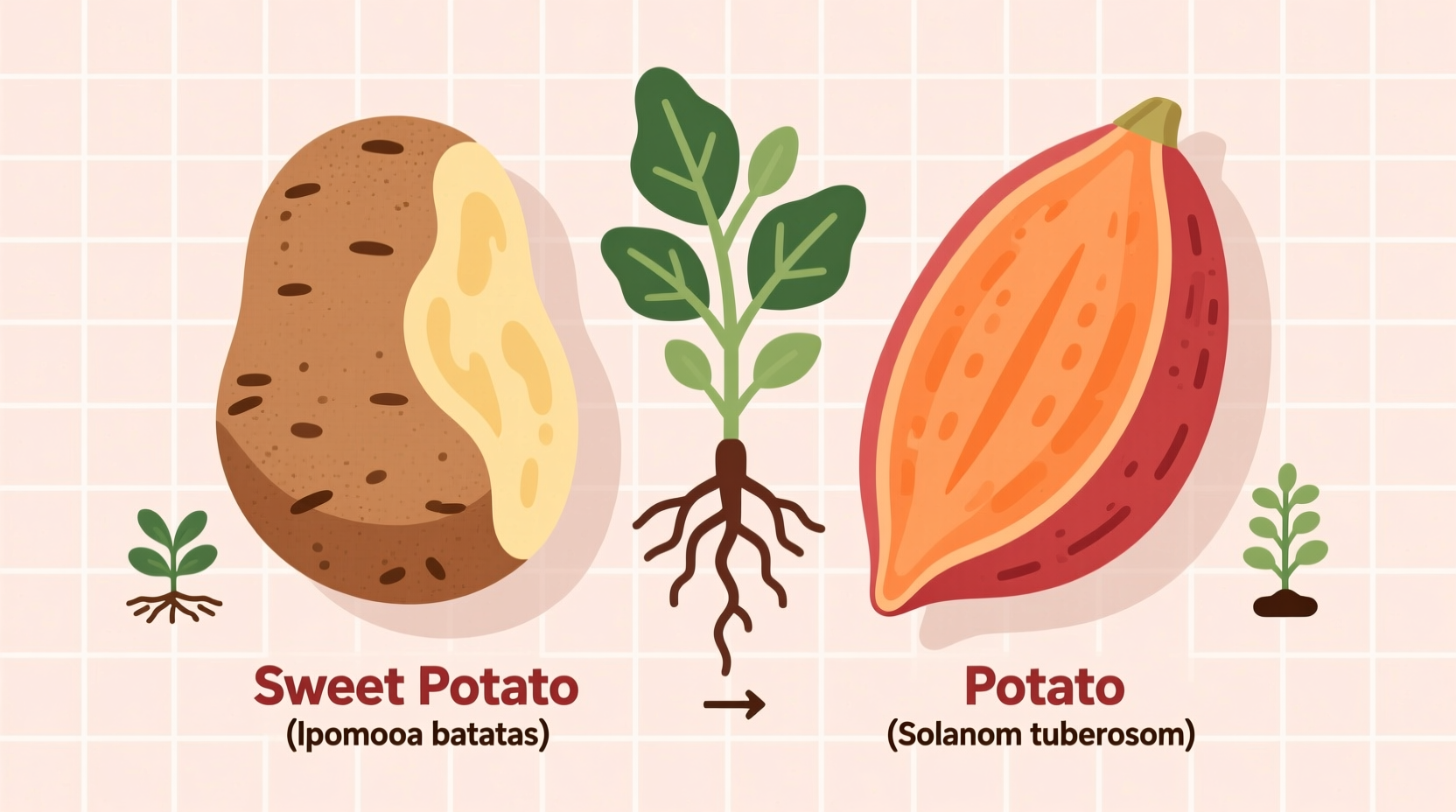
You know that "are sweet potatoes a potato?" question? Yeah, it's everywhere. But botanically, they're not even cousins. Sweet potatoes grow on vines (yep, like morning glories), while potatoes are underground tubers from nightshade plants—same family as tomatoes. Fun fact: sweet potatoes were originally called "yams" in the US to avoid confusion, but true yams are a whole other thing from Africa. Don't sweat the Latin names, though. Just remember: if it's orange and sweet, it's a sweet potato; if it's pale and starchy, it's a regular potato.
| Feature | Sweet Potato | Regular Potato |
|---|---|---|
| Plant Family | Morning glory (Convolvulaceae) | Nightshade (Solanaceae) |
| Best For | Baking, roasting, healthy sides | Mashing, frying, savory stews |
| Key Nutrients | Vitamin A (200% DV), fiber, vitamin C | Potassium (30% DV), vitamin C, B6 |
| Glycemic Index | Medium (44-94, varies by type) | High (70-110) |
| Storage Life | 3-5 weeks (cool, dark place) | 2-3 months (cellar ideal) |
When to Use Which (Without Guessing)
Okay, let's get practical. I've tested hundreds of recipes over 20 years, so trust me on this. Here's your no-stress guide:
Reach for Sweet Potatoes When...
- You're baking or roasting—they caramelize beautifully. Think: sweet potato fries or stuffed halves.
- Health is a priority. Their fiber and vitamin A help with fullness and immunity. Diabetics? They're gentler on blood sugar than white potatoes.
- You want natural sweetness. Perfect for pies, smoothies, or even as a baby food base.
Avoid Sweet Potatoes If...
- You're making classic mashed potatoes or gravy. The sweetness clashes hard.
- You need low-sugar options for strict keto diets (they're higher in carbs).
Grab Regular Potatoes When...
- Savory is the goal. Mashed potatoes, scalloped potatoes, or crispy fries? Potatoes win every time.
- You need long storage. They last way longer in your pantry.
- Texture matters for soups or stews—they hold shape better.
Skip Regular Potatoes If...
- Blood sugar control is key (like for prediabetes). Their high glycemic index spikes glucose faster.
- You're avoiding nightshades due to sensitivities (some folks get joint pain).
Spot Quality Like a Pro (No More Gritty Bites)
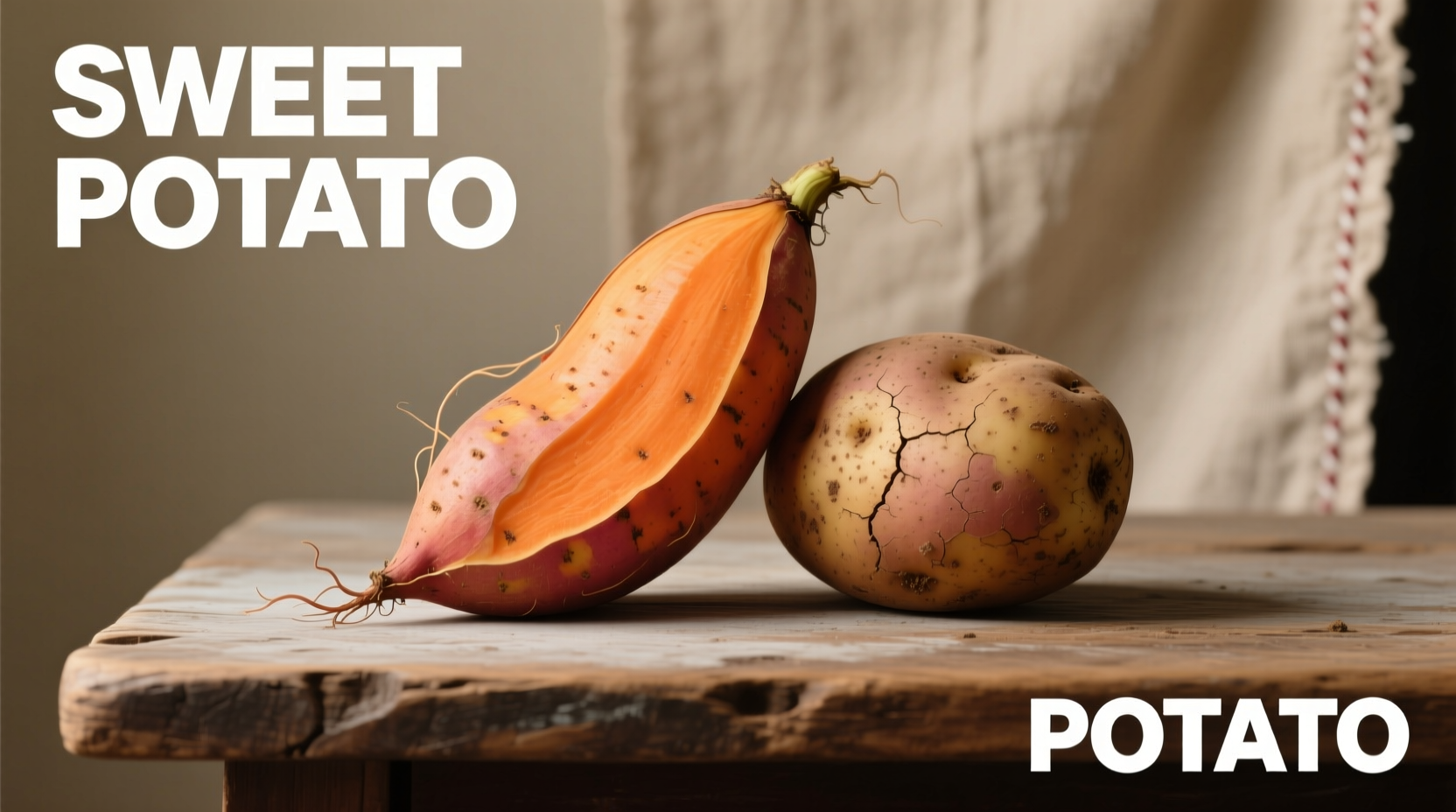
Here's a trick I use: avoid these market traps. For sweet potatoes, skip any with soft spots or white ooze—it means spoilage. Pick firm, deep-orange ones for max sweetness. And never refrigerate them; cold temps make them gritty. For regular potatoes, watch for green patches (that's toxic solanine—peel it off). Go for smooth skins without sprouts. Pro tip: russets are best for baking, Yukon Golds for mashing. Skip waxy potatoes if you want fluffy texture.
Busting 3 Big Myths That Drive Chefs Nuts
I've heard it all in food forums. Myth 1: "Sweet potatoes are just orange potatoes." Nope—they're different species. Myth 2: "One is always healthier." Not true; potatoes have more potassium for heart health, while sweet potatoes lead in vitamin A. It depends on your needs. Myth 3: "You can swap them 1:1 in recipes." Bad idea. Sweet potatoes add moisture and sugar—use ¾ cup sweet potato for every 1 cup potato in baking. Learned this the hard way with a soggy casserole!
Your Simple Decision Cheat Sheet
Bottom line? Match the veg to your meal's vibe. Craving comfort food? Potatoes all the way. Health-focused dinner? Sweet potatoes. Got diabetes? Lean toward sweet potatoes for steadier blood sugar. Storing for months? Potatoes win. And if you're unsure, just ask: "Do I want savory or sweet here?" That question alone solves 90% of mix-ups. Honestly, it's not about which is "better"—it's about using the right tool for the job.
Everything You Need to Know
Nope—they're completely different plants. Sweet potatoes belong to the morning glory family, while potatoes are nightshades (like tomatoes). The name "sweet potato" causes confusion, but they're not related. True story: US growers started calling them "yams" in the 1930s to stand out, but real yams are from Africa and totally different.
Sweet potatoes edge out slightly due to higher fiber (4g vs 2g per cup), which keeps you full longer. But both are nutrient-dense—potatoes have more potassium. For weight loss, focus on cooking method: baked beats fried for either. Just watch portions; a cup of either has about 100 calories.
Sweet potatoes hate cold—they get gritty in the fridge. Keep them in a cool, dark spot (55-60°F) for 3-5 weeks. Potatoes last longer: store in a cellar or pantry (45-50°F) for 2-3 months. Never wash before storing, and keep them away from onions—they make each other sprout faster. Oh, and if potatoes go green, peel deeply; that solanine isn't safe.
Sometimes, but not 1:1. In soups or stews? Yes—they add sweetness. For baking, use ¾ cup sweet potato per 1 cup potato to avoid sogginess. Never swap in mashed potato recipes; the flavors clash. And skip it for French fries—sweet potatoes burn easier. Pro move: roast sweet potatoes separately if mixing in a dish.
That stringiness usually means it's overripe or stored too cold. Pick firm, heavy-for-size sweet potatoes—they're fresher. If you get stringy ones, peel deeply before cooking; the strings run just under the skin. Baking instead of boiling also minimizes it. Happened to me last fall—I learned to check harvest dates on labels now.
More Articles
 Sweet Potato Casserole with Condensed Milk (2026)
 Essential M-Seasonings: Flavor Guide for Every Kitchen
 Dry Brine Chicken: Flavor-Boosting Method (2026)
 Best Chili Crisp Substitutes When You're Out
Best Pepper Varieties: Uses & Sourcing
Best Chili Crisp Substitutes When You're Out
Best Pepper Varieties: Uses & Sourcing
 Beef Steak Cooking: Step-by-Step for Perfect Results
 Dukkah: Egypt's Crunchy Nut & Spice Condiment
 Potato and Leek Gratin: Foolproof Recipe & Pro Tips
 Zee Ginger: Botanical Name for Common Ginger
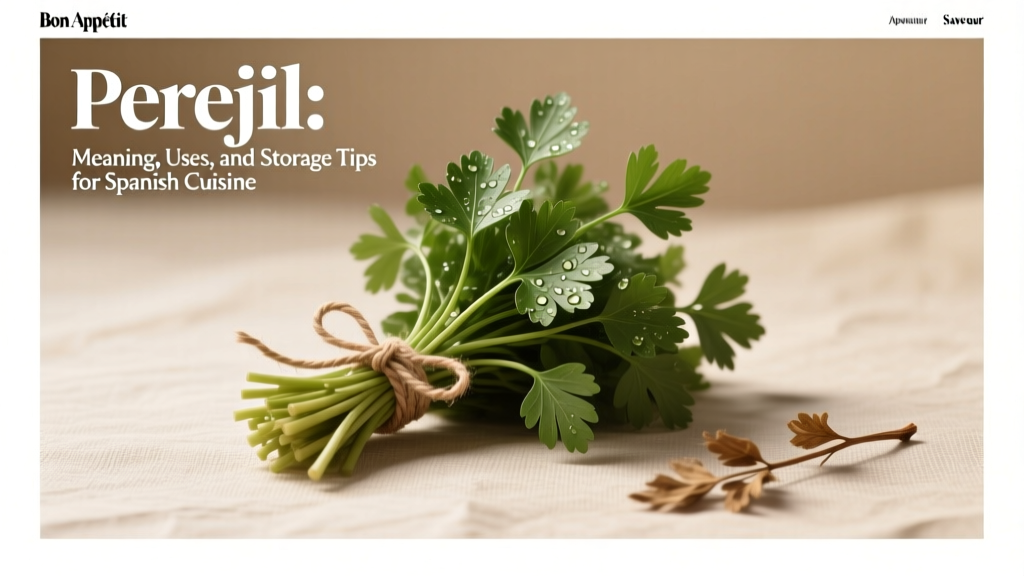 Perejil: Meaning, Uses, and Storage Tips for Spanish Cuisine