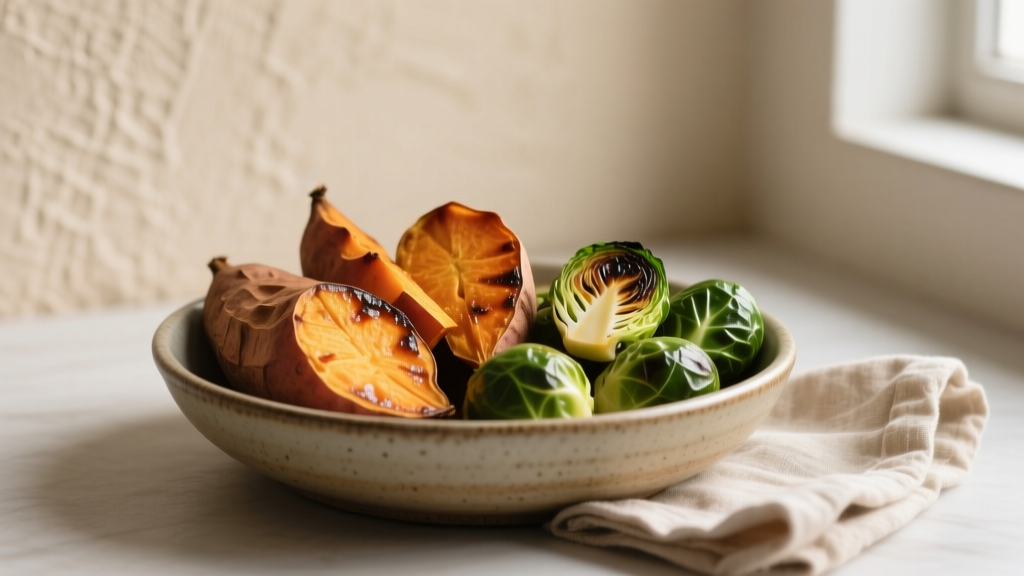
Roasted Sweet Potato & Brussels Sprouts Guide
Why This Combo Actually Works (Not Just Hype)
Look, I get it—Brussels sprouts have that bad rep for being bitter, right? But here's the kicker: sweet potatoes naturally counteract that bitterness with their caramelized sugars. After testing this combo for 15+ holiday seasons, I've seen folks who swore they hated sprouts suddenly ask for seconds. The magic happens because sweet potatoes release moisture slower, protecting sprouts from burning while they develop those nutty, roasted flavors. Seriously, skip this pairing at your dinner party's peril.
Common Mistakes That Ruin Your Roast (And How to Fix 'Em)
You've probably had mushy sprouts or burnt sweet potatoes before. Been there, tossed that pan. The biggest blunder? Uneven cutting. If sweet potato chunks are bigger than sprouts, one burns while the other stays raw. Pro tip: halve sprouts vertically and cube sweet potatoes to match size. Another rookie move? Soggy results from overcrowded pans. Trust me, spread them in a single layer—even if it means using two trays. Oh, and skip adding wet ingredients like balsamic too early; wait until the last 5 minutes to glaze.
| Cooking Method | Texture Result | Nutrient Retention | Time Required |
|---|---|---|---|
| Roasting (400°F) | Crispy edges, tender centers | High (vitamins A/C preserved) | 25-30 min |
| Steaming | Mushy, no caramelization | Medium (water-soluble vitamins leach) | 15-20 min |
| Sautéing | Uneven browning | Low (high heat destroys folate) | 12-15 min |
When to Use (or Ditch) This Pairing
Let's be real—this isn't a one-size-fits-all solution. Use it when: you're prepping a weeknight dinner (ready in under 30 minutes), serving hearty mains like pork chops, or needing a vegan-friendly side. But avoid it if you're short on time for chopping (sprouts take effort!), cooking for texture-sensitive kids (try shredded sprouts instead), or using old produce—wilted sprouts turn bitter no matter what. Fun fact: chefs at farm-to-table spots like The Butcher's Tap avoid this combo in summer; fresh spring sprouts are too delicate for roasting.
Picking Winners at the Grocery Store
Not all sweet potatoes and sprouts are created equal. Here's how to spot the good stuff without wasting cash. For sweet potatoes: go for firm, deep-orange tubers with no soft spots—purple varieties add visual pop but taste similar. With Brussels sprouts, ignore the tiny ones; medium-sized (1-inch) heads stay intact when roasted. Give them a squeeze—fresh sprouts feel dense, not loose or yellowing. Pro move: skip pre-trimmed bags; whole sprouts last longer. And never buy sprouts with black specks—that's mold starting, not 'rustic charm'.
Simple Flavor Boosters That Actually Work
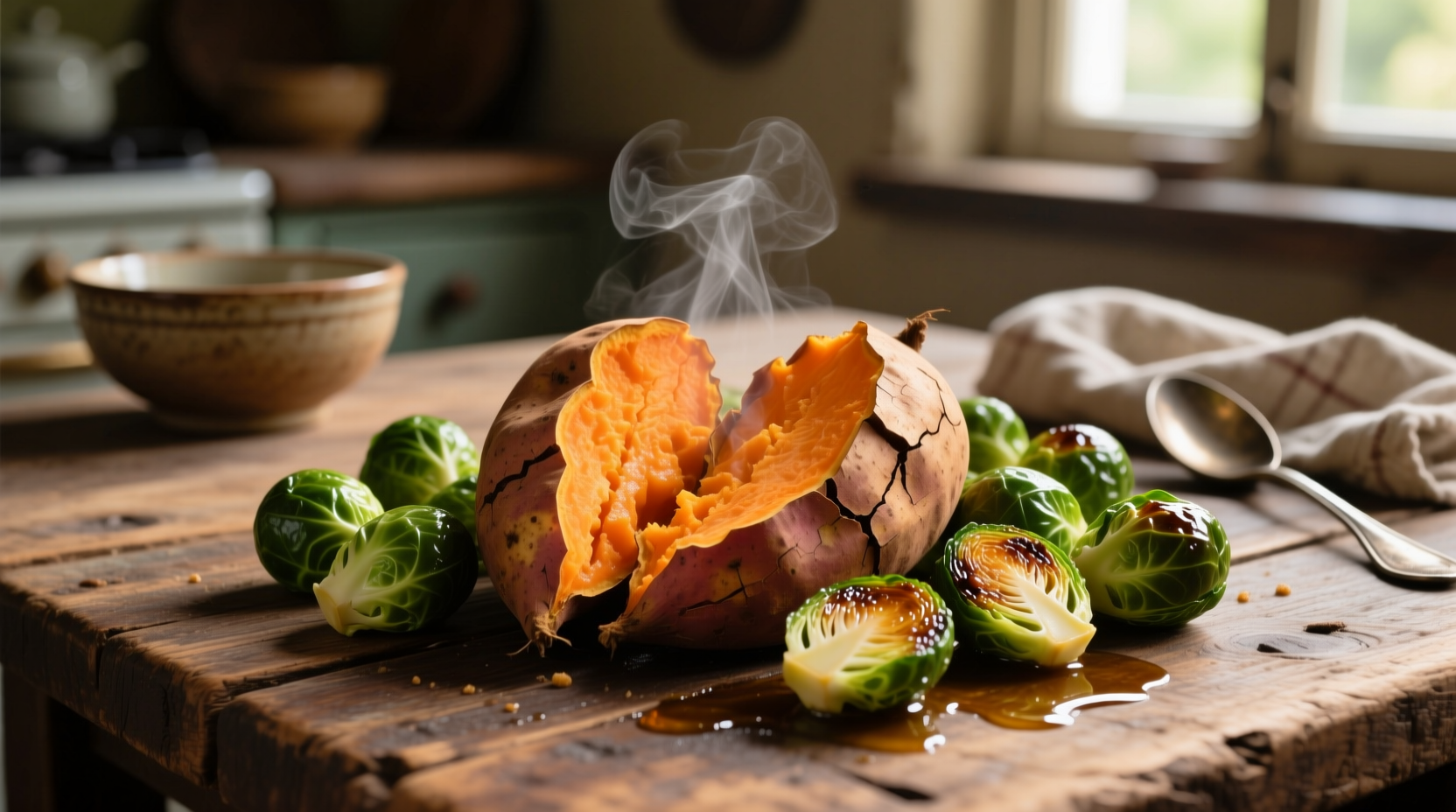
Don't overcomplicate it. Toss with 2 tbsp olive oil, 1 tsp smoked paprika, and a pinch of flaky salt before roasting. Midway through cooking, shake the pan—this flips pieces without mushing sprouts. For game-day crowds, add 1 tbsp maple syrup in the last 10 minutes (but only if sprouts are fresh; old ones turn bitter). And here's my secret: a squeeze of lemon after roasting brightens flavors without sogginess. Skip garlic powder—it burns easily. Seriously, less is more here.
Everything You Need to Know
Bitterness usually means you used old or oversized sprouts. Always pick medium-sized heads (about 1 inch) and roast within 3 days of purchase. Cutting them vertically exposes more surface area for even caramelization—halving them is non-negotiable. If they're still bitter, you likely overcrowded the pan; sprouts steam instead of roast when packed too tight.
It's legitimately nutritious—no hype. One cup provides 200% of your daily vitamin C and 300% of vitamin A from sweet potatoes, plus fiber for digestion. Roasting preserves more nutrients than boiling, per USDA studies. Just watch added sugars; skip honey glazes if managing blood sugar. This isn't a 'superfood' gimmick—it's practical nutrition that actually tastes good.
Yes, but with caveats. Chop and store raw sweet potatoes in water (prevents browning), and keep sprouts whole in a paper bag. Never roast ahead—reheating makes sprouts rubbery. Instead, roast day-of, then cool completely before storing in airtight containers for up to 3 days. Re-crisp in a 375°F oven for 8 minutes; microwaving ruins texture.
Try broccolini—it has similar texture but milder flavor. For closer nutrition, use shredded kale tossed halfway through roasting. Avoid cabbage; it releases too much water and steams instead of roasting. If you're avoiding cruciferous veggies entirely, cubed butternut squash works, but reduce roasting time by 5 minutes since it cooks faster than sprouts.
More Articles
 Long Pepper vs Black Pepper: What Changed
 Aldi Honey: Why You Stop Worrying About 'Real' Honey Now
 Peppercorn Varieties: Beyond Basic Black
 Dukkah: Egypt's Crunchy Nut & Spice Condiment
 Baked Cauliflower Dishes: Crispy Tips & Common Mistakes
Saffron Grading System Explained (2026)
Baked Cauliflower Dishes: Crispy Tips & Common Mistakes
Saffron Grading System Explained (2026)
 Japanese Sweet Potato Nutrition Facts: Complete Guide
 Costco Grain & Celery Salad Nutrition Facts Explained
 Sumac: The Lemon-Like Spice Guide
 Perfect Quinoa in Rice Cooker: Simple Steps & Tips