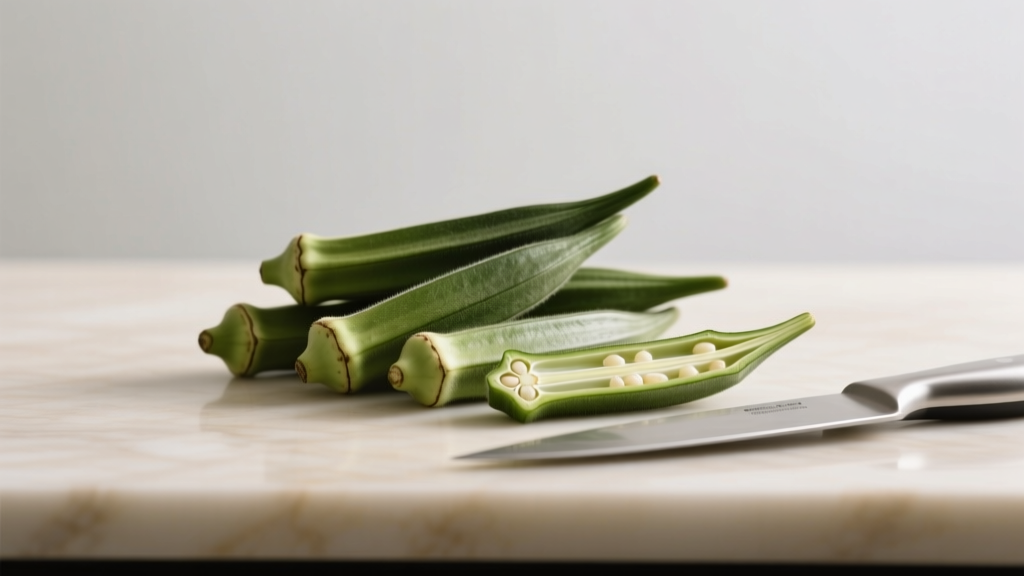
How to Cook Okra Without Slime: Practical Methods
Why Okra Gets Slimy (And How to Actually Fix It)
You know that slimy texture people hate? It’s mucilage—a natural thickener that protects the plant. But here’s the thing: moisture and low heat make it worse. After years of testing, I’ve found drying okra thoroughly before cooking cuts slime by half. Seriously, pat it dry like you’re prepping for a photoshoot. And never wash it hours ahead—that’s a rookie mistake.
Best Cooking Methods Compared: No Guesswork
| Method | Time | Slime Level | Best For |
|---|---|---|---|
| Frying | 8-10 mins | Low | Quick weeknight meals |
| Roasting | 20-25 mins | Very Low | Dry, crispy results |
| Stewing | 30+ mins | High (but tasty!) | Gumbos or tomato-based dishes |
Your Step-by-Step Cooking Playbook
Let’s keep it real—no fancy jargon. First, pick firm, bright green pods under 4 inches. Anything bigger? Toss it; they’re slime factories. Now, here’s how to nail each method:
Frying: The Fast Fix
Heat 2 tbsp oil in a cast-iron skillet until shimmering—seriously hot. Toss sliced okra with 1 tsp cornstarch (trust me, it’s magic). Cook 3-4 mins per side until charred. Done. Pro tip: Add a splash of vinegar halfway through. Why? Acid tightens the mucilage. 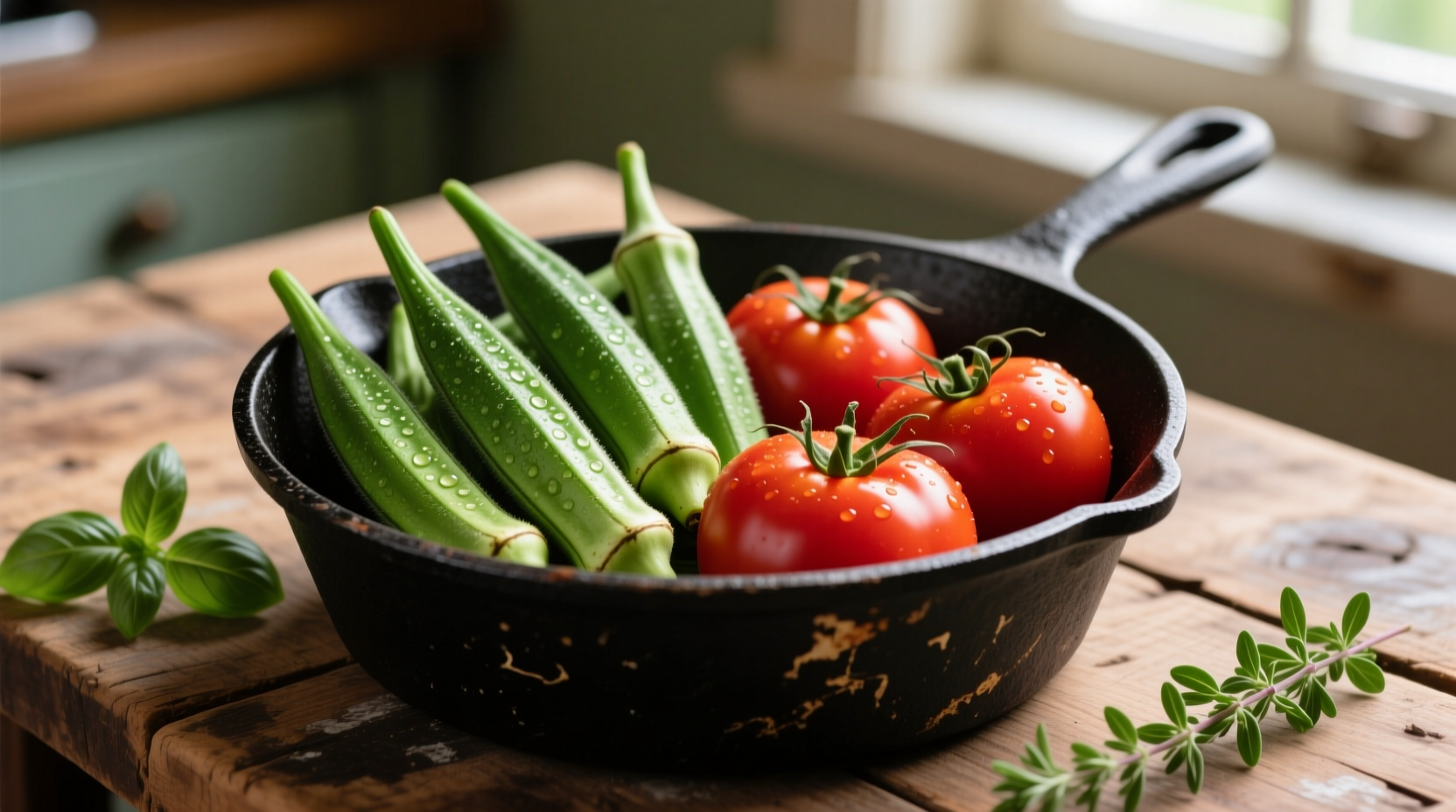
Roasting: Hands-Off Perfection
Preheat oven to 425°F. Toss whole pods with oil, salt, and garlic powder. Spread on a baking sheet—no crowding. Roast 20-25 mins, shaking once. You’ll get caramelized edges with zero slime. Honestly, this is my go-to for lazy Sundays.
Stewing: Embrace the Slime (Strategically)
If you’re making gumbo or tomato stew, slime isn’t the enemy—it’s flavor glue. Just add okra late in cooking (last 10 mins) to minimize sliminess. Pair it with acidic tomatoes or lemon juice. Check out this classic combo: 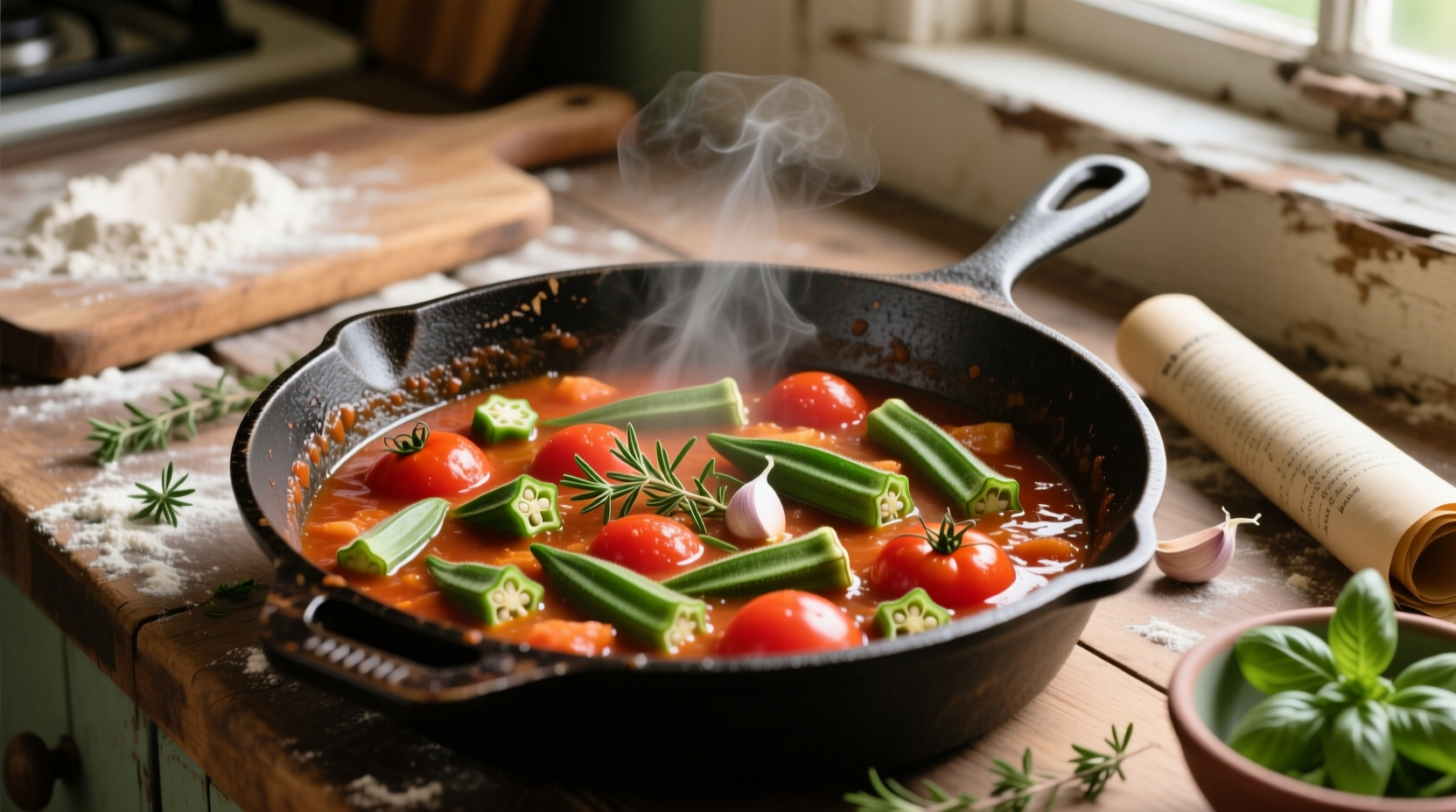
When to Use (Or Skip) Each Method
Okay, let’s get practical. Frying? Perfect when you’re short on time but want crunch. Avoid it if you’re batch-cooking for a crowd—it’s messy. Roasting shines for meal prep; those crispy pods reheat like a dream. But skip it if you need tender okra (like in stews). Stewing? Only use it when slime adds body, like in Creole dishes. Never stew okra alone—it’ll turn gummy. Honestly, I’ve burned batches learning this the hard way.
3 Mistakes That Guarantee Slimy Okra
- Overwashing: Rinsing hours ahead soaks pods. Dry right before cooking.
- Low heat: Simmering instead of searing. High heat = less slime.
- Overcrowding the pan: Steam = slime city. Give pods space!
Everything You Need to Know
Moisture is the culprit. You likely didn’t dry pods thoroughly or used low heat. Always pat okra dry right before cooking, and crank the heat—frying or roasting at high temps seals in texture. Overcrowding the pan also steams it, boosting slime.
Absolutely. Okra’s packed with fiber, vitamin C, and folate—great for digestion and immunity. Just watch portions if you’re on blood thinners (it’s high in vitamin K). For most folks, ½ cup cooked daily is safe and nutritious.
Keep it dry! Store unwashed pods in a paper bag in the crisper drawer—never sealed plastic. They’ll last 3-4 days. Pro move: Trim stems only when cooking to prevent moisture loss. Slimy pods? Toss ’em; they’re past prime.
Yep, but it’s slimier raw. Slice thin for salads or pickles to tame the texture. Young pods under 3 inches work best—they’re tender with mild flavor. Just don’t expect the same crunch as cucumbers!
More Articles
 Caraway vs Cumin: Know the Difference
 Vegetable Soup with Tomato Soup: Real Recipe & Tips
 Garlic Rosemary Bread: Simple Recipe & Pro Tips
 Microwaving Potatoes: Safe Steps and Common Mistakes
 Black Pepper vs White Pepper: When to Substitute (2026)
What Is Cardamom? A Quick Guide (2026)
Black Pepper vs White Pepper: When to Substitute (2026)
What Is Cardamom? A Quick Guide (2026)
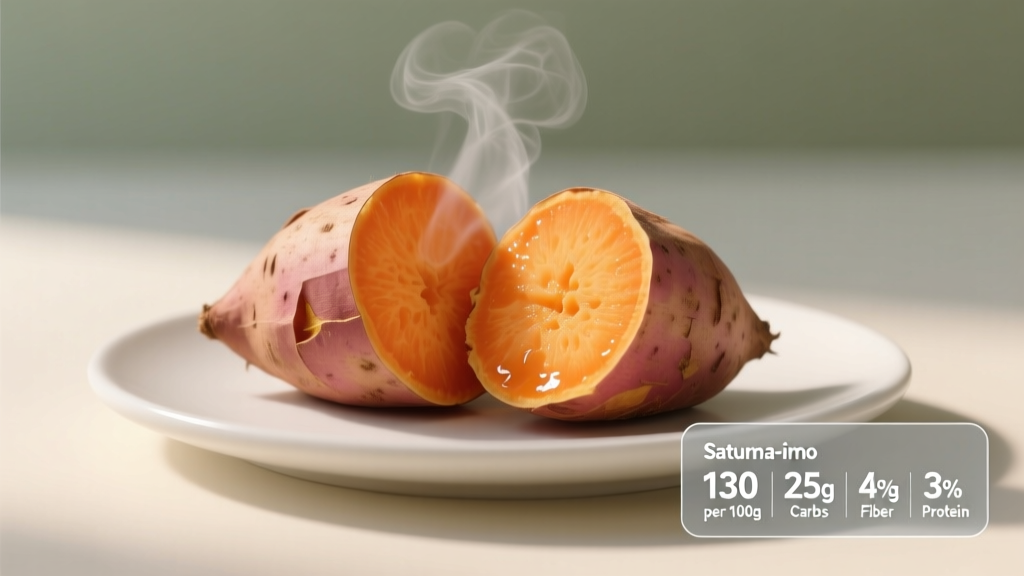 Japanese Sweet Potato Calories & Nutrition (2026)
 Juniper Berries: The Gin Spice in Your Kitchen
 How to Bake Cauliflower in Oven: Crispy Guide
 Grains of Paradise: The Pepper Alternative