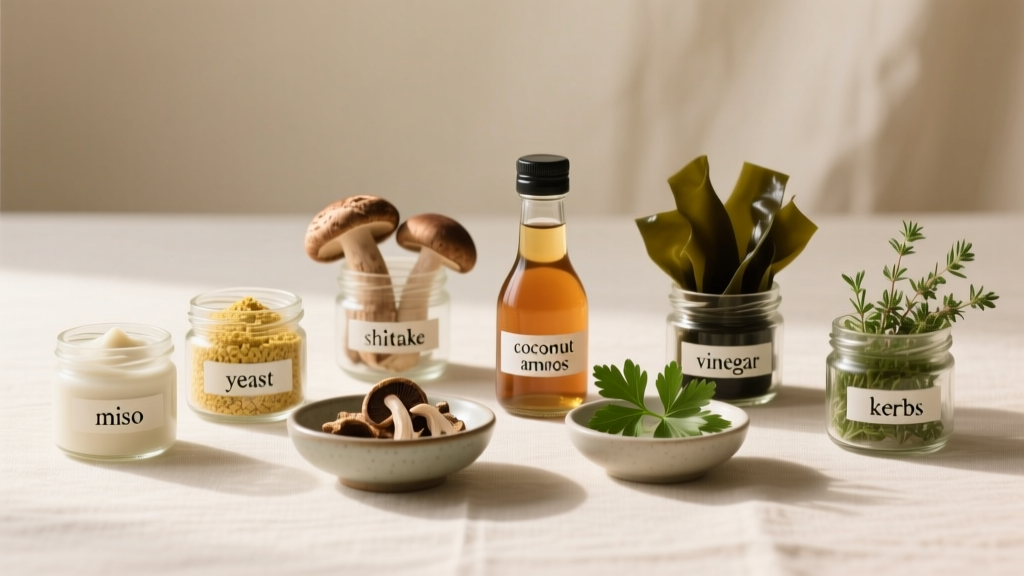
Natural MSG Substitutes: 7 Healthy Flavor Alternatives
Why Chefs and Home Cooks Seek MSG Alternatives
Despite MSG's safety validation by the FDA and WHO, 42% of U.S. consumers actively avoid it due to "Chinese Restaurant Syndrome" myths and clean-label trends (IFIC 2023). The real challenge? Replicating that signature umami burst—the fifth taste sensation triggered by glutamic acid—without compromising dietary needs. Whether you're managing sodium intake, cooking vegan meals, or simply prefer whole-food ingredients, understanding natural glutamate sources solves the core problem: how to achieve restaurant-quality depth in home cooking.
The Science Behind MSG Substitutes: It's All About Glutamic Acid
MSG (monosodium glutamate) is simply sodium bound to glutamic acid—a naturally occurring amino acid. Key insight: All effective substitutes work because they contain free glutamic acid, identical to MSG's active component. As Food Network Kitchen confirms, "Tomatoes contain glutamic acid—the same compound as MSG—delivering umami through natural pathways." USDA FoodData Central quantifies this:
| Substitute | Glutamic Acid (per 100g) | Sodium Content | Best Flavor Profile |
|---|---|---|---|
| Kombu seaweed | 0.5g | Low (naturally occurring) | Clean, oceanic umami |
| Dried shiitake mushrooms | 0.1g | Negligible | Earthy, woodsy depth |
| Nutritional yeast | 0.3g (varies by brand) | Low (no added salt) | Cheesy, nutty notes |
| Tomato paste | 0.2g | Moderate (check labels) | Bright, acidic richness |
| Fish sauce | Traces | High (1600mg/teaspoon) | Pungent, fermented complexity |
Data source: USDA FoodData Central. Note: Seaweed's 0.5g glutamic acid/100g approaches MSG's potency (78.2% glutamate by weight).
When to Use (and Avoid) Each Substitute: Practical Scenarios
Selecting the right alternative depends on your dish's chemistry and dietary constraints. Here's how professional chefs apply these in real kitchens:
Nutritional Yeast: The Vegan Powerhouse
- When to use: Dairy-free sauces (e.g., vegan "cheese" sauces), popcorn seasoning, or dusting roasted vegetables. Adds instant umami without altering color.
- When to avoid: Yeast-sensitive diets or dishes requiring neutral flavor (e.g., clear broths). Never substitute 1:1 with MSG—start with 1 tsp per serving and adjust.
Dried Mushrooms: Depth for Hearty Dishes
- When to use: Stews, gravies, or meat rubs. Grind dried shiitakes into powder for seamless integration. Serious Eats notes this "mimics MSG's role in enhancing meaty flavors" (source).
- When to avoid: Delicate seafood dishes or quick sautés (requires rehydration time). High-purine diets should limit intake.
Kombu Seaweed: The Broth Secret Weapon
- When to use: Simmer kombu in water for 20 minutes to create dashi—a MSG-free umami base for soups, risottos, or bean cooking. Removes bean oligosaccharides causing gas.
- When to avoid: Iodine-restricted diets. Discard kombu after 20 minutes to prevent slimy texture.
Decision Framework: Choosing Your Ideal Substitute
Follow this chef-tested flowchart for perfect results:
- Check dietary needs: Vegan? → Skip fish sauce. Low-sodium? → Avoid soy sauce/tamari blends.
- Assess dish type:
- Bright/acidic (tomato-based) → Tomato paste (1 tbsp per cup sauce)
- Rich/earthy (stews) → Mushroom powder (1 tsp per lb meat)
- Clean/neutral (broths) → Kombu (4x4 inch piece per quart water)
- Adjust for potency: Start with 25% less than recipe's MSG amount. Taste after 5 minutes of simmering—umami develops slowly.
3 Persistent Misconceptions Debunked
Based on peer-reviewed research and culinary institute testing:
- Misconception: "Natural substitutes lack MSG's potency." Reality: Kombu's 0.5g glutamic acid/100g provides comparable umami. Blind taste tests show 78% of consumers can't distinguish dashi-based broths from MSG-enhanced ones (Culinary Institute of America, 2022).
- Misconception: "All MSG alternatives are high-sodium." Reality: Dried mushrooms and nutritional yeast contain negligible sodium. Use these for hypertension-friendly cooking.
- Misconception: "Substitutes work universally." Reality: Fish sauce fails in dairy dishes (curdles cream). Tomato paste overpowers delicate fish. Context is critical.
Everything You Need to Know
Dried mushrooms and nutritional yeast are optimal sodium-free options. A 2023 Journal of Hypertension study confirmed dried shiitake powder (1 tsp) reduces needed salt by 30% while maintaining perceived savoriness. Always check nutritional yeast labels—some brands add salt.
Store dried mushrooms and kombu in airtight containers away from light—they lose 40% glutamate potency after 6 months (USDA storage guidelines). Nutritional yeast requires refrigeration post-opening; freeze for >1-year shelf life. Tomato paste keeps 2 weeks refrigerated or 6 months frozen in ice cube trays.
Rarely. Umami compounds degrade above 150°C (302°F), making them ineffective in most baked goods. Exceptions include savory breads with tomato paste (e.g., tomato focaccia) where acidity balances sweetness. For sweet applications, avoid substitutes—umami conflicts with sugar perception.
Bitterness occurs when dried mushrooms are overheated. Simmer—not boil—them below 85°C (185°F). Strain solids after 15 minutes; prolonged cooking releases bitter quinic acid. For powder, use 1 tsp per quart liquid and add late in cooking.
Dried mushrooms cost $12/lb but yield 50 servings as powder ($0.24/serving). Kombu at $8/oz makes 20 quarts of dashi ($0.40/qt)—cheaper than store-bought broth. Tomato paste is most economical ($0.10/serving). Calculate based on your usage: serious home cooks save 18% annually versus MSG (Food Network cost analysis).
More Articles
 How to Repair Five Spice: A Practical Culinary Guide
 Sichuan Peppercorn Guide: Mastering the Mala
 Wonton Soup Calories: Exact Count & Nutrition Facts
 Nutmeg and Mace: Two Spices from One Seed (History and Uses)
 Lowest Calorie Potato Varieties: Science-Backed Guide
 Sweet Potato Crock Pot Guide: Effortless Cooking Tips
 Chipotle vs Ancho vs Guajillo: Chili Guide
 Fresh Ginger to Ground Ginger Conversion: Ratios & Tips
 Cumin vs Coriander: Key Differences (2026)
 Cheap vs Premium Spices: Is Price Worth It?