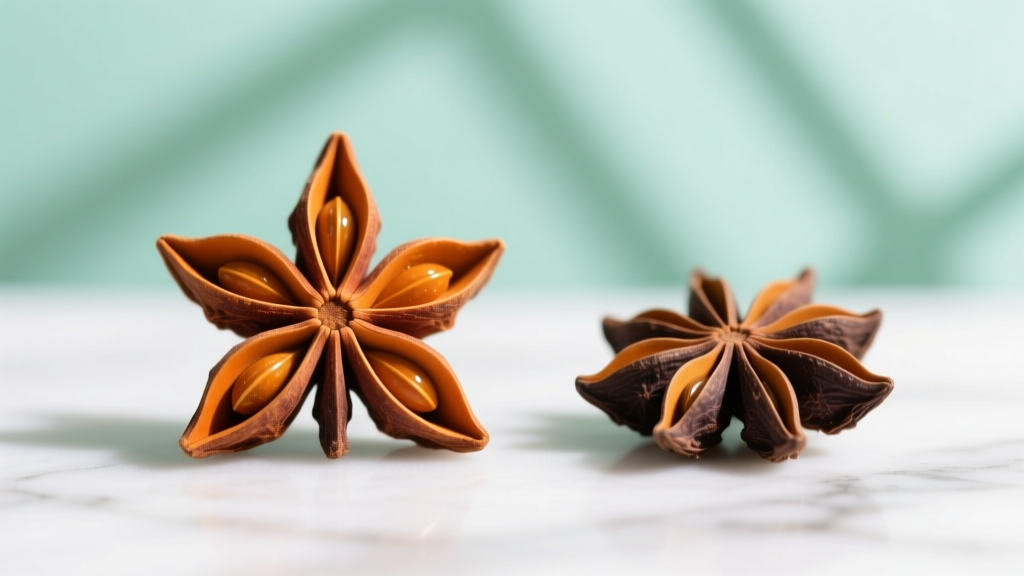
Star Anise vs Anise Seed: Key Differences (2026)
Are Star Anise and Anise Seed the Same Thing?
No — despite the similar names and overlapping flavors, star anise and anise seed come from completely different plants. Star anise (Illicium verum) is a star-shaped fruit from an evergreen tree native to China and Vietnam. Anise seed (Pimpinella anisum) comes from a flowering plant in the Apiaceae family, native to the eastern Mediterranean and Southwest Asia.
Flavor Comparison
Both spices share the compound anethole, which gives them that characteristic licorice-like flavor. But there are important differences:
- Star anise — Stronger, more intense licorice flavor with warm, spicy undertones. Slightly bitter finish. The flavor is more concentrated — one star anise pod equals about 1/2 teaspoon of anise seeds.
- Anise seed — Sweeter, more delicate licorice flavor. Less complex, with a clean, almost minty freshness. Preferred in baking where you want subtle licorice notes without overpowering other ingredients.
Culinary Uses
Star anise excels in:
- Chinese five-spice powder (it is the dominant ingredient)
- Braising liquids for meat (pho, red braised pork belly)
- Mulled wine and spiced cider
- Indian garam masala and biryani
Anise seed excels in:
- Italian biscotti and pizzelle cookies
- Greek ouzo and Turkish raki (spirits)
- French pain d'epices (spice bread)
- Middle Eastern breads and pastries
Can You Substitute One for the Other?
Yes, but with adjustments:
- Star anise to Anise seed: Use 1.5x the amount of anise seed to match star anise intensity. For 1 whole star anise pod, use 3/4 teaspoon crushed anise seeds.
- Anise seed to Star anise: Use about half the amount. One star pod replaces about 1/2 to 3/4 teaspoon of anise seed. Remove the pod before serving.
Safety Warning: Japanese Star Anise
This is critical — never confuse Chinese star anise (Illicium verum) with Japanese star anise (Illicium anisatum). Japanese star anise is highly toxic and contains anisatin, a potent neurotoxin. It has been found as a contaminant in some commercial star anise products, particularly in teas given to infants. Always buy from reputable sources and avoid giving star anise tea to babies.
Storage Tips
- Whole star anise: Keeps 2+ years in an airtight container away from light
- Anise seeds: Best within 1 year; grind just before use for maximum flavor
More Articles
 Green vs Black Cardamom: Uses Explained
 Cinnamon on a Budget: Smart Sourcing Tips
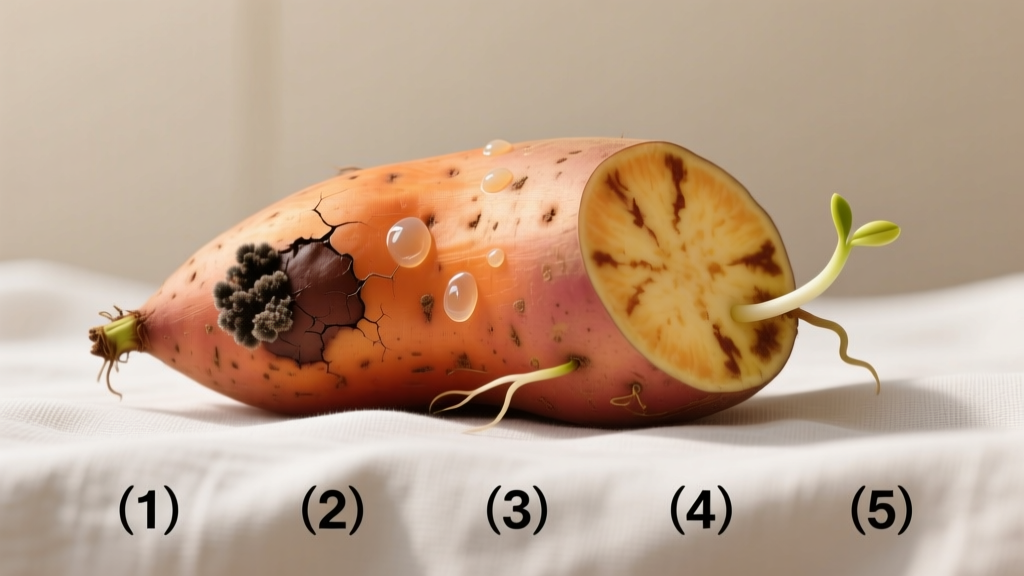 How to Know if Sweet Potato is Bad: 5 Clear Signs
 Can You Use Arborio Rice for Paella? The Truth Revealed
 Spice Precision: Measure and Match Flavors
 Is Ginger Acidic? pH Level and Digestive Effects Explained
 Simple Roasted Sweet Potato Recipe Ready in 30 Minutes
 Granulated Onion vs Onion Powder: Flavor Face-Off
 Allspice vs Five Spice: Which to Use When
 Creamy Cauliflower Cheese Soup Recipe: Simple & Healthy