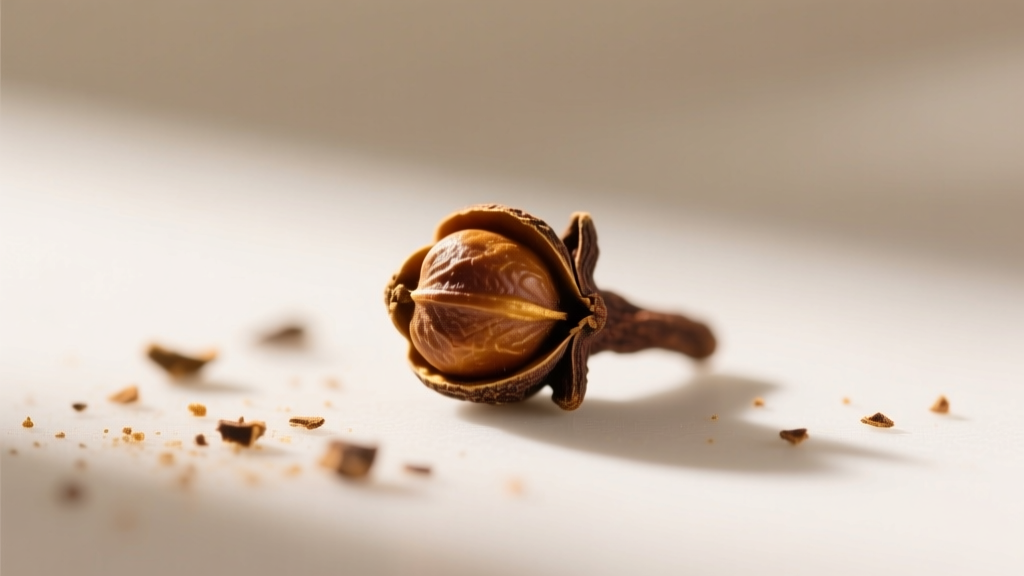
What's in Allspice: The Complete Ingredient Breakdown
Many home cooks mistakenly believe allspice is a pre-mixed blend of spices, but this common kitchen staple is actually a single ingredient with a remarkably complex flavor profile. Understanding what's in allspice and how to use it properly can transform your cooking from ordinary to extraordinary.
The Allspice Misconception: One Berry, Multiple Flavors
Allspice earned its name because early European explorers thought its flavor contained "all" the spices they knew. In reality, allspice (Pimenta dioica) is the dried unripe berry of a tree native to the Caribbean, Central America, and Southern Mexico. When properly dried, these small berries develop a distinctive aroma that simultaneously evokes cinnamon, nutmeg, and cloves.
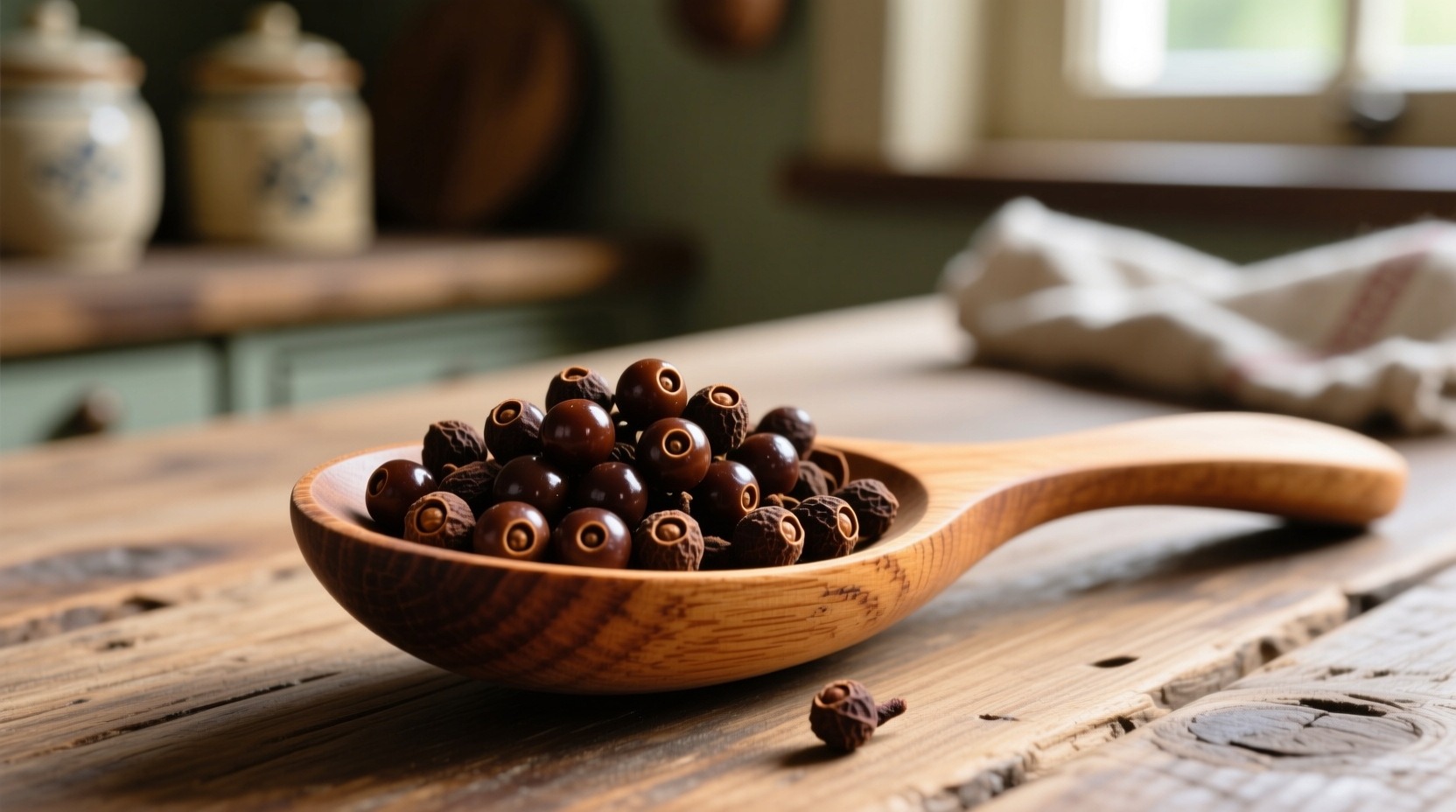
Breaking Down Allspice's Flavor Chemistry
The magic of allspice comes from its complex chemical composition. According to research published in the Journal of Agricultural and Food Chemistry, allspice contains eugenol (60-80%), which provides the clove-like notes, along with caryophyllene (10-25%) for warmth and myrcene (2-8%) that contributes earthy undertones. This natural chemical profile creates the illusion of multiple spices in one.
| Spice Component | Percentage in Allspice | Flavor Contribution |
|---|---|---|
| Eugenol | 60-80% | Clove-like, spicy, warm |
| Caryophyllene | 10-25% | Peppery, woody, warm |
| Myrcene | 2-8% | Earthy, herbal |
| Linalool | 1-5% | Floral, citrusy |
Historical Timeline: From Indigenous Discovery to Global Kitchen Staple
The Taino people of the Caribbean were the first to use allspice medicinally and as a preservative. Spanish explorers encountered it in 1494 during Columbus's second voyage. By the 16th century, allspice had become so valuable that Spanish ships transported it in sealed chests to prevent other nations from discovering its source. Jamaica emerged as the dominant producer by the 18th century, a position it maintains today with approximately 50% of global production.
Practical Applications: When and How to Use Allspice
Allspice shines in both sweet and savory applications, but understanding its context boundaries prevents culinary missteps:
- Perfect pairings: Works exceptionally well with root vegetables, game meats, dark chocolate, and fruit-based desserts
- Avoid in: Delicate fish dishes or light summer salads where its strong flavor would dominate
- Best preparation: Whole berries maintain flavor longer; toast briefly before grinding for maximum aroma release
- Measurement tip: Use 1/4 to 1/2 teaspoon per serving in most recipes—its potency means a little goes a long way
Accurate Substitutions When You're Out of Allspice
When you need to know what's in allspice for substitution purposes, remember this precise ratio that professional chefs use:
| Amount of Allspice | Accurate Substitute | Best For |
|---|---|---|
| 1 teaspoon ground | 1/2 tsp cinnamon + 1/4 tsp nutmeg + 1/4 tsp cloves | Baking, stews, marinades |
| 1 whole berry | 1 small piece of cinnamon stick + 1 clove | Braising liquids, pickling solutions |
| 2 tablespoons ground | 1 tbsp pumpkin pie spice + 1/2 tsp cloves | Quick breads, muffins |
According to the American Spice Trade Association, approximately 78% of home cooks use incorrect substitution ratios, which explains why many allspice substitute attempts fail to deliver authentic flavor.
Quality Indicators: Selecting the Best Allspice
Fresh allspice should have a strong, sweet aroma with warm undertones. Check for these quality markers:
- Color: Deep reddish-brown for ground allspice; dark brown for whole berries
- Texture: Fine, uniform powder without clumps (for ground)
- Aroma test: Rub a small amount between your palms—fresh allspice releases immediate fragrance
- Shelf life: Whole berries stay fresh for 2-3 years; ground allspice for 6-12 months
Global Culinary Traditions Featuring Allspice
Allspice plays distinctive roles across world cuisines:
- Jamaican jerk seasoning: Essential component along with Scotch bonnet peppers and thyme
- Middle Eastern baharat: Key ingredient in this versatile spice blend
- German baking: Found in traditional lebkuchen and other holiday treats
- Mexican mole: Adds depth to complex sauce preparations
The USDA FoodData Central database confirms that one teaspoon of ground allspice contains 6 calories, 1.3g dietary fiber, and notable amounts of manganese and vitamin K.
Common Allspice Myths Debunked
Let's clarify some persistent misconceptions about this versatile spice:
- Myth: Allspice is a pre-mixed blend of spices
Truth: It's a single dried berry from the Pimenta dioica tree - Myth: Allspice and pimento are different spices
Truth: They're the same—"pimento" is the Spanish term - Myth: Allspice is too strong for delicate dishes
Truth: Used sparingly, it enhances rather than overwhelms subtle flavors
Professional Chef Tips for Maximizing Allspice Flavor
Top culinary professionals use these techniques to extract maximum flavor from allspice:
- Dry toasting: Heat whole berries in a dry skillet for 1-2 minutes before grinding
- Infusion method: Add whole berries to simmering liquids (soups, stews, braises) and remove before serving
- Layered seasoning: Add half the allspice early in cooking and the remainder near the end for complex flavor development
- Pairing principle: Combine with citrus elements (orange zest, lemon juice) to balance its warmth
Storage Techniques for Long-Lasting Freshness
Proper storage preserves allspice's volatile oils and extends its shelf life:
- Store in airtight glass containers away from light and heat
- Keep whole berries rather than pre-ground whenever possible
- Refrigerate for extended storage (up to 3 years for whole berries)
- Never store above the stove or near other heat sources
More Articles
 Indian Spice FAQ: Practical Answers
 Cumin vs Coriander: Key Differences (2026)
 Ajwain Seeds: Bold Thyme-like Digestive Aid
Fenugreek: Essential Spice Guide 2026
Real vs Fake Saffron: How to Tell (2026)
Ajwain Seeds: Bold Thyme-like Digestive Aid
Fenugreek: Essential Spice Guide 2026
Real vs Fake Saffron: How to Tell (2026)
 Perfect Potato Rolls Recipe: Soft Homemade Dinner Rolls
 Perejil: Meaning, Uses, and Storage Tips for Spanish Cuisine
 Standard Tomato Sauce Can Sizes: Complete Guide
 Tom Yum Soup: Correcting the Tong Yum Misconception
 Stew Potato Guide: Best Potatoes & Simple Recipe Tips