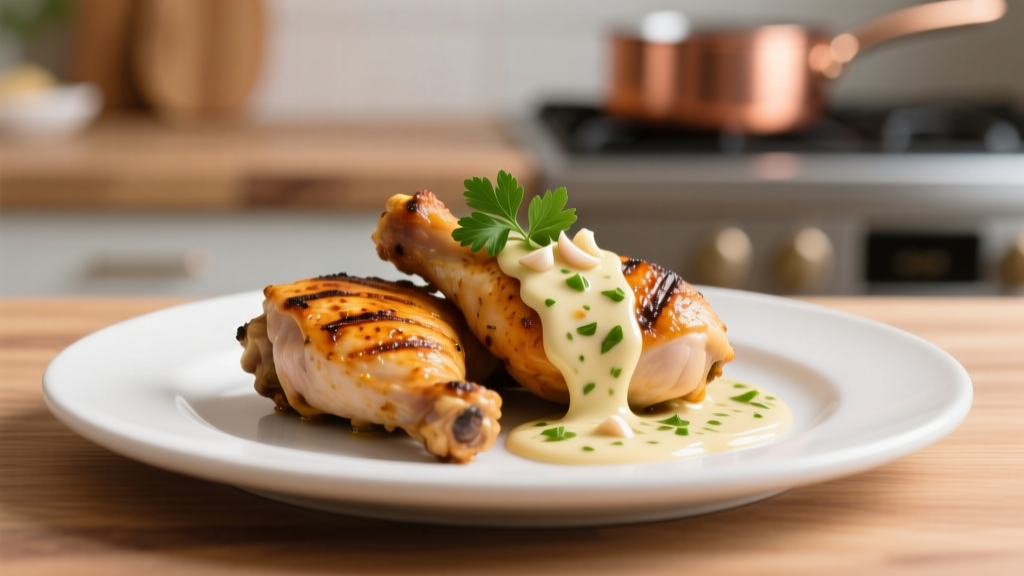
Garlic Sauce for Chicken: Simple Recipe & Pro Tips
Why This Sauce Keeps Showing Up on My Counter
Look, I've tested hundreds of chicken sauces over 20 years, and garlic sauce sticks around for a reason. It's not just about the punchy flavor—it solves real kitchen headaches. You know that dry, bland chicken disaster? Garlic sauce locks in moisture while adding complexity without overpowering. But here's the kicker: most home cooks mess it up by rushing the garlic step. Seriously, I've seen so many folks crank the heat, burn the garlic, and wonder why their sauce tastes like ash. Let's fix that.
What Actually Makes It Work (No Fluff)
Forget fancy ingredients. The magic happens with three things: fresh garlic, fat, and acid. Fresh garlic (not the jarred stuff) gives that bright, aromatic kick. Fat—butter for richness or olive oil for lightness—carries the flavor. Acid like lemon juice or vinegar cuts through the richness so it doesn't feel heavy. Pro move: mince the garlic yourself. Pre-minced versions have stabilizers that mute the flavor and make it bitter faster. Trust me, 30 seconds with a knife pays off.
Your No-Stress Recipe in 5 Minutes
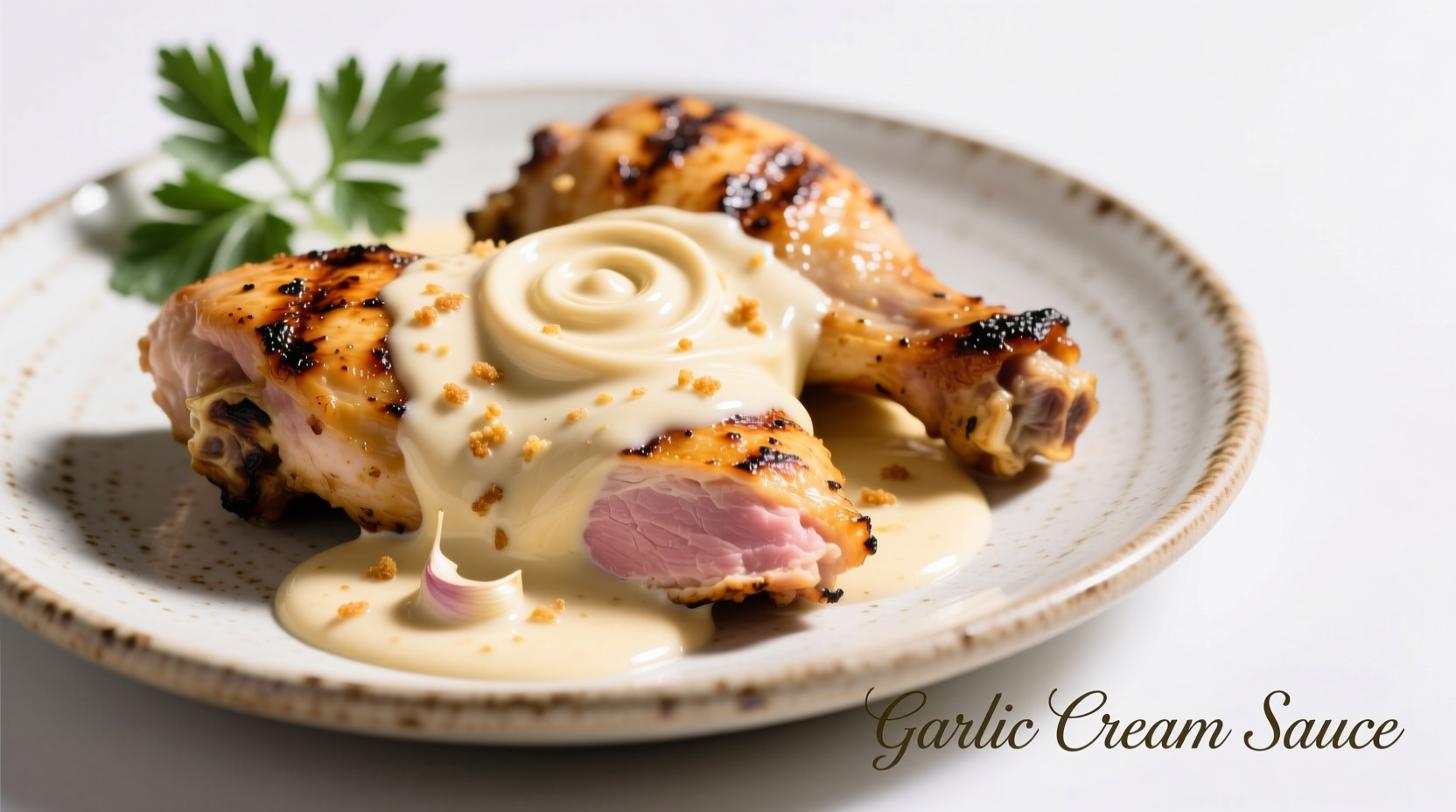
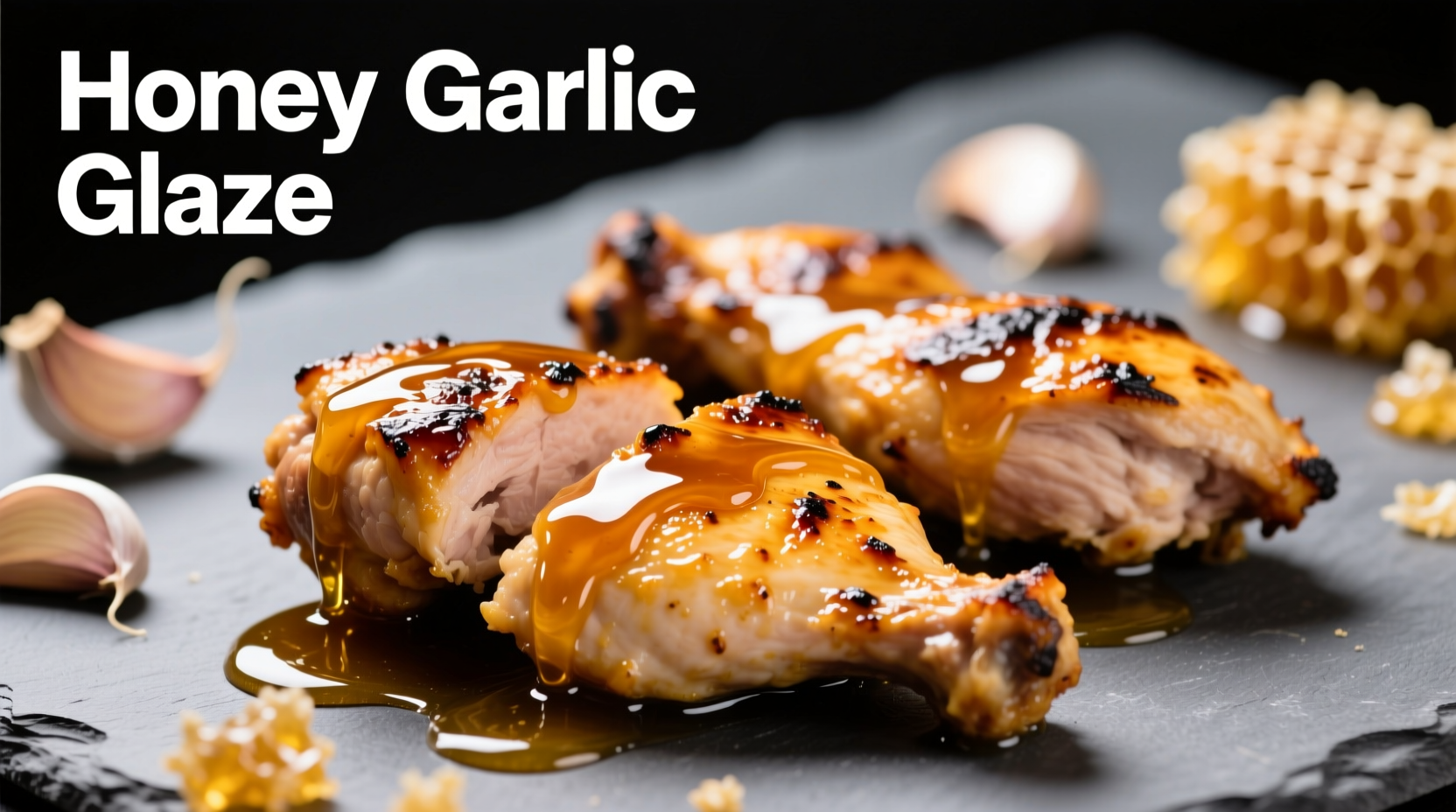
Here's my go-to method after testing 50+ variations. Mince 4–5 garlic cloves finely. Heat 2 tbsp butter or olive oil in a pan over low heat—this is non-negotiable. Add garlic and stir constantly for 60–90 seconds until fragrant but pale gold. Remove from heat (yes, really—residual heat finishes it). Stir in 1 tbsp lemon juice, salt, and black pepper. Pour over cooked chicken. Done. If you want creamy garlic sauce, whisk in 2 tbsp heavy cream off heat. For honey garlic sauce, add 1 tbsp honey—but only after the garlic's cooked to avoid burning.
| Scenario | Use Garlic Sauce? | Why / Why Not |
|---|---|---|
| Grilled chicken breasts | ✅ Yes | Moisturizes lean meat; apply in last 2 minutes to prevent flare-ups |
| Slow-cooked pulled chicken | ❌ Avoid | Garlic breaks down over hours, turning bitter; use powder instead |
| Chicken for meal prep | ✅ Yes (store separately) | Keeps chicken from drying; sauce lasts 4 days refrigerated |
| Kid-friendly dinners | ✅ With tweak | Use 2 cloves max + extra lemon; raw garlic overwhelms young palates |
When to Skip It (Hard-Won Lessons)
Honestly? Not every chicken dish needs this. I learned the hard way that slow-cooked recipes like pulled chicken turn garlic sauce bitter—the long cook time destroys the compounds. Save it for quick-cook methods: pan-searing, grilling, or baking. Also, if you're using pre-marinated chicken (like teriyaki), skip adding garlic sauce—it clashes. And never, ever pour it into a screaming-hot pan; that's how you get burnt garlic bitterness. Wait until the chicken's nearly done, then reduce heat.
Picking Garlic That Won't Fail You
Garlic quality makes or breaks this. Here's how to spot the good stuff: firm, tight bulbs with no soft spots or green sprouts. Avoid any with mold between cloves—it's common in cheap packs. Peel one clove; it should snap cleanly, not bend. Smell it: fresh garlic has a sharp, clean scent. If it smells sour or musty, skip it. Pro tip: store whole bulbs in a cool, dark spot (not the fridge!). Once minced, use within 24 hours—after that, it turns bitter fast. I always buy from farmers' markets; supermarket garlic often sits too long.
My Top 3 Fixes for Common Screw-Ups
- Bitter sauce? You cooked garlic too hot/too long. Solution: start over—gently cook new garlic, then mix in the bitter batch sparingly.
- Too thin? Simmer 2 minutes to reduce, or whisk in 1 tsp cornstarch slurry.
- Not garlicky enough? Stir in 1 raw minced clove after cooking—heat destroys raw garlic's punch.
Everything You Need to Know
Garlic powder works in a pinch but lacks brightness. Use ¼ tsp powder per clove of fresh garlic, and add it after cooking—heat makes powder bitter. Fresh garlic’s enzymes create complex flavors powder can’t match, so it’s my last-resort swap.
Refrigerate in an airtight container for up to 4 days. The garlic continues reacting, so it’ll mellow after day 1—great for subtle flavor. Freeze portions for 2 months; thaw overnight. Never leave it out over 2 hours; garlic-in-oil mixes risk botulism if stored warm.
Bitterness means the garlic burned. It only takes 10 seconds over medium heat to turn bitter—cook it over low heat and stir constantly. Pre-minced garlic has additives that accelerate burning, so fresh is non-negotiable. If it happens, start over; you can’t fix burnt garlic.
Yes, in moderation. Garlic has proven cardiovascular benefits, but the sauce’s fat content (butter/oil) adds calories. For daily use, swap half the butter for broth or use olive oil. Limit to 2 tbsp per serving—more than that overwhelms digestion for some people. Never use it with blood thinners without checking your doctor.
Cook garlic off direct high heat. Sizzle aromatics like onions first, then reduce heat to low before adding garlic. Stir constantly for 60 seconds max, then pull the pan off the burner—the residual heat finishes cooking it gently. I always keep a splash of broth or wine nearby to deglaze if it starts browning.
More Articles
 Fenugreek Seeds and Leaves: A Complete Guide
 Is Lentil a Bean? Clearing Up the Confusion
Grains of Paradise: The Rare Pepper
Is Lentil a Bean? Clearing Up the Confusion
Grains of Paradise: The Rare Pepper
 Ginger Storage: Keep Fresh for Months (2026)
 Za'atar Spice Blend: Recipe, Uses, and Cultural Significance
 Crispy Roast Potatoes Recipe: Foolproof Method Inside
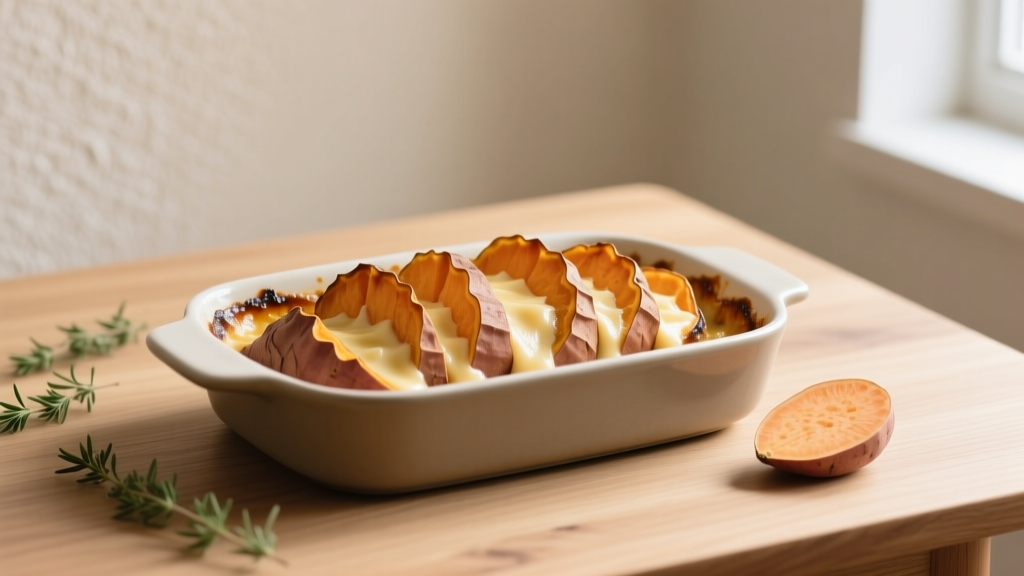 Sweet Potato Scalloped Potatoes: Recipe Guide & Tips
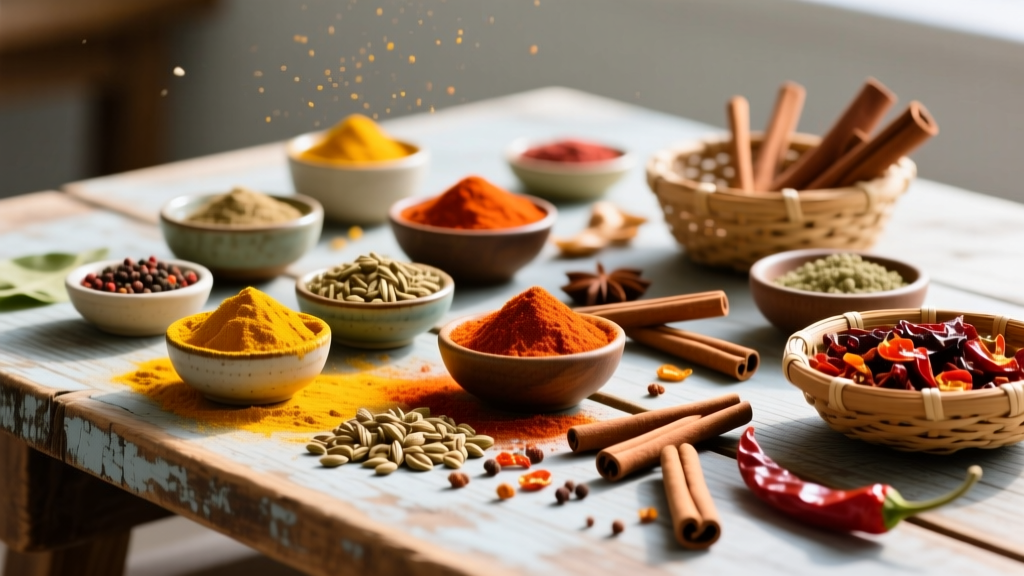 Asafoetida (Hing): Bold Flavor, Tiny Pinch
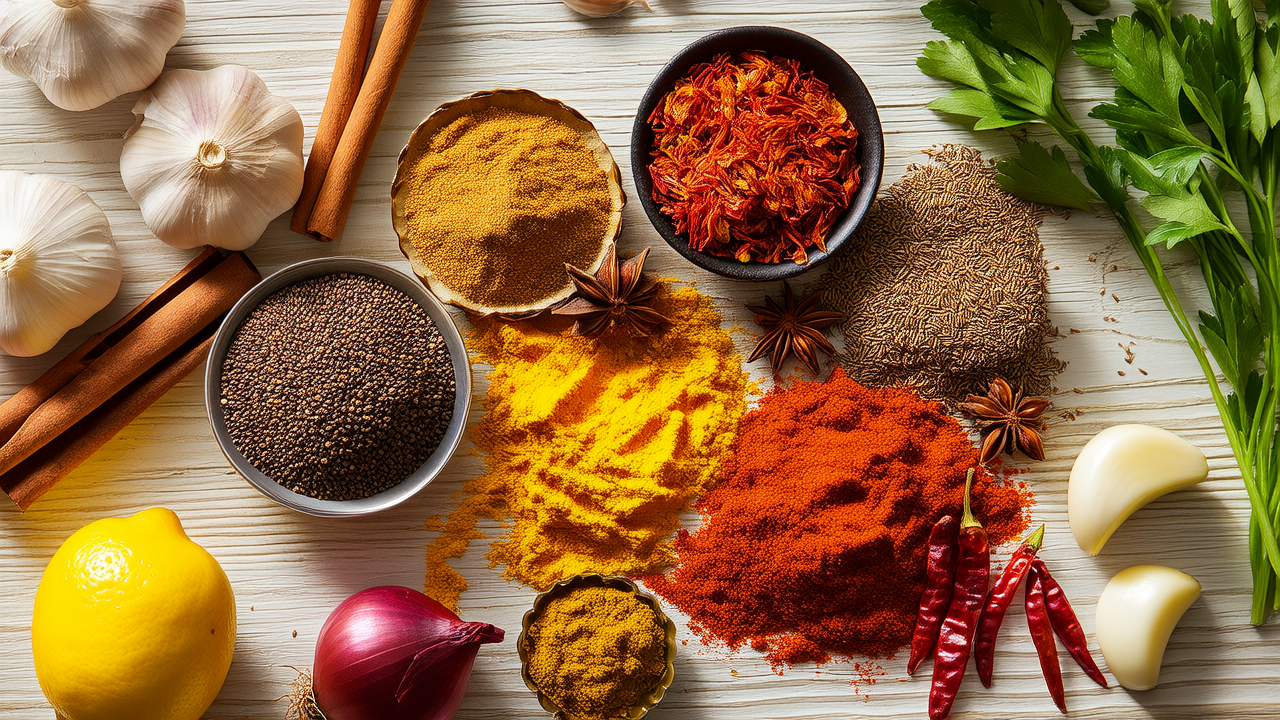 Sumac: The Tangy Middle Eastern Spice Guide
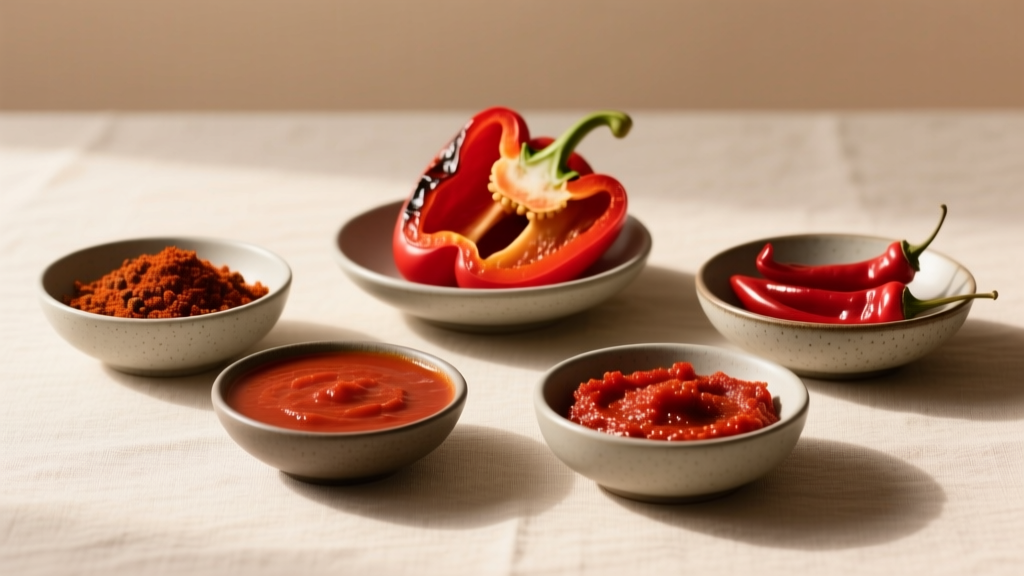 Turkish Red Pepper Paste: 7 Substitutes