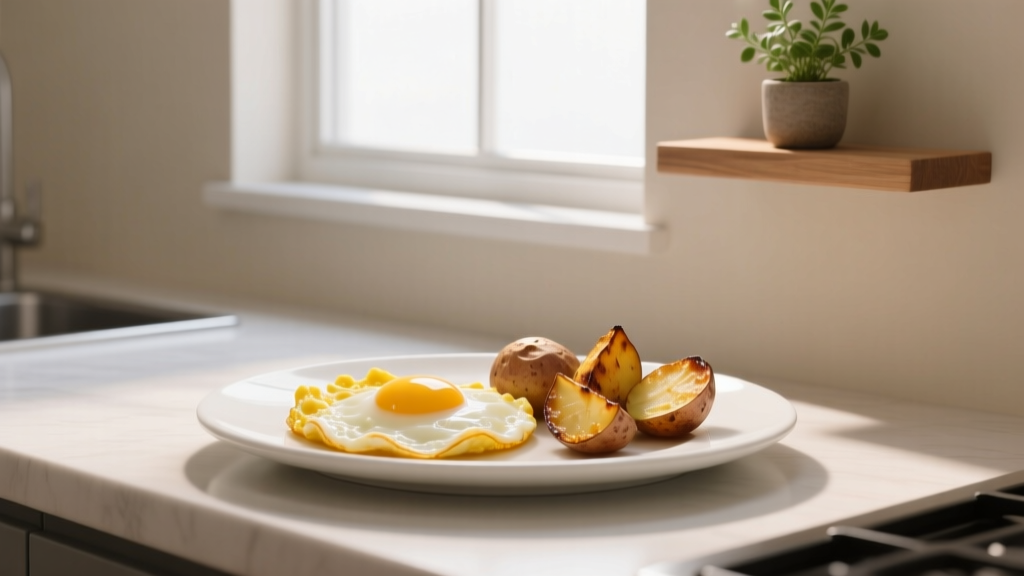
Simple Egg and Potato Recipes for Quick Meals
Why You’re Probably Stuck in a Breakfast Rut
Let’s be real: mornings are chaotic. You’re scrambling for something faster than cereal but less fussy than pancakes. Egg and potato combos? Total game-changer. They’ve been kitchen heroes since the 1940s—think wartime rationing when families stretched humble ingredients. Honestly, I’ve tested these weekly for my own crew, and the magic’s in how forgiving they are. Burn the potatoes? No sweat. Add extra eggs. Forgot cheese? Still tasty. That’s the beauty: zero fancy skills needed.
Your Go-To Recipes (Without the Fluff)
Forget complicated steps. Start with the classic skillet hash: cube russet potatoes, pan-fry until golden, then scramble in eggs. Done in 20 minutes flat. Or try a sheet-pan frittata—toss diced potatoes and eggs in olive oil, bake at 375°F for 25 minutes. Minimal cleanup, max flavor. For lazy Sundays, a breakfast casserole layers cooked potatoes, eggs, and veggies overnight; bake while you sip coffee. Seriously, these aren’t gourmet—they’re real-deal food for real-deal people.

Which Recipe Fits Your Chaos Level?
Not all egg-potato dishes work for every moment. I’ve seen folks force casseroles on rushed weekdays—big mistake. Here’s the scoop based on 20 years of meal-testing:
| Recipe Type | Best For | Avoid If... | Time Saver |
|---|---|---|---|
| Skillet hash | Weekday mornings (ready in 15 min) | You hate stove monitoring | Use pre-diced frozen potatoes |
| Frittata | Brunch guests or meal prep | Short on oven time | Add leftovers like spinach or bacon |
| Casserole | Sleep-deprived weekends | On a low-carb diet | Assemble night before |
When to Skip These (And Why)
Look, I love these recipes—but they’re not magic bullets. Skip casseroles if you’re carb-counting; potatoes pack 37g carbs per cup. And never use green potatoes—they’ve got solanine, which causes headaches (yep, learned that the hard way after a camping trip!). Also, avoid reheating leftovers more than once; eggs turn rubbery. On the flip side? These shine for post-workout meals—eggs’ protein + potatoes’ carbs refuel muscles fast. Trust me, as a dad of three, I’ve timed this: serve within 2 hours for best texture.
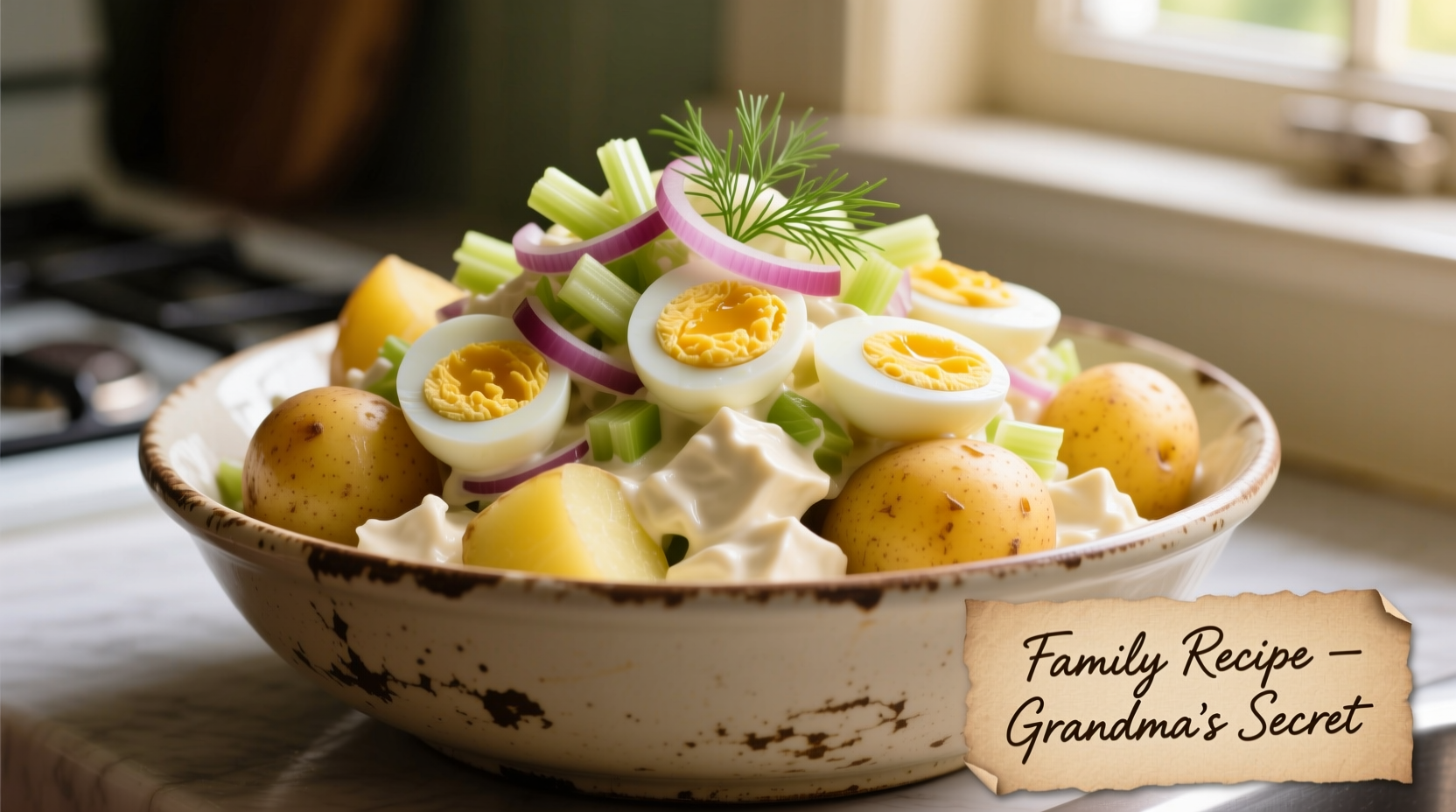
5 Mistakes That Ruin Your Dish
You’ve probably made these (I did!). First, boiling potatoes whole—they absorb too much water, making eggs soggy. Always cube ’em first. Second, high-heat frying burns exteriors before insides cook. Medium heat is your friend. Third, skipping salt on potatoes pre-cook—they’ll taste bland no matter what. Fourth, adding cold eggs to hot pans causes scrambling; let eggs sit out 10 minutes. Lastly, overloading cheese masks flavors. A light sprinkle > gloppy mess. Oh, and storage? Keep leftovers in airtight containers max 2 days—after that, salmonella risk spikes.
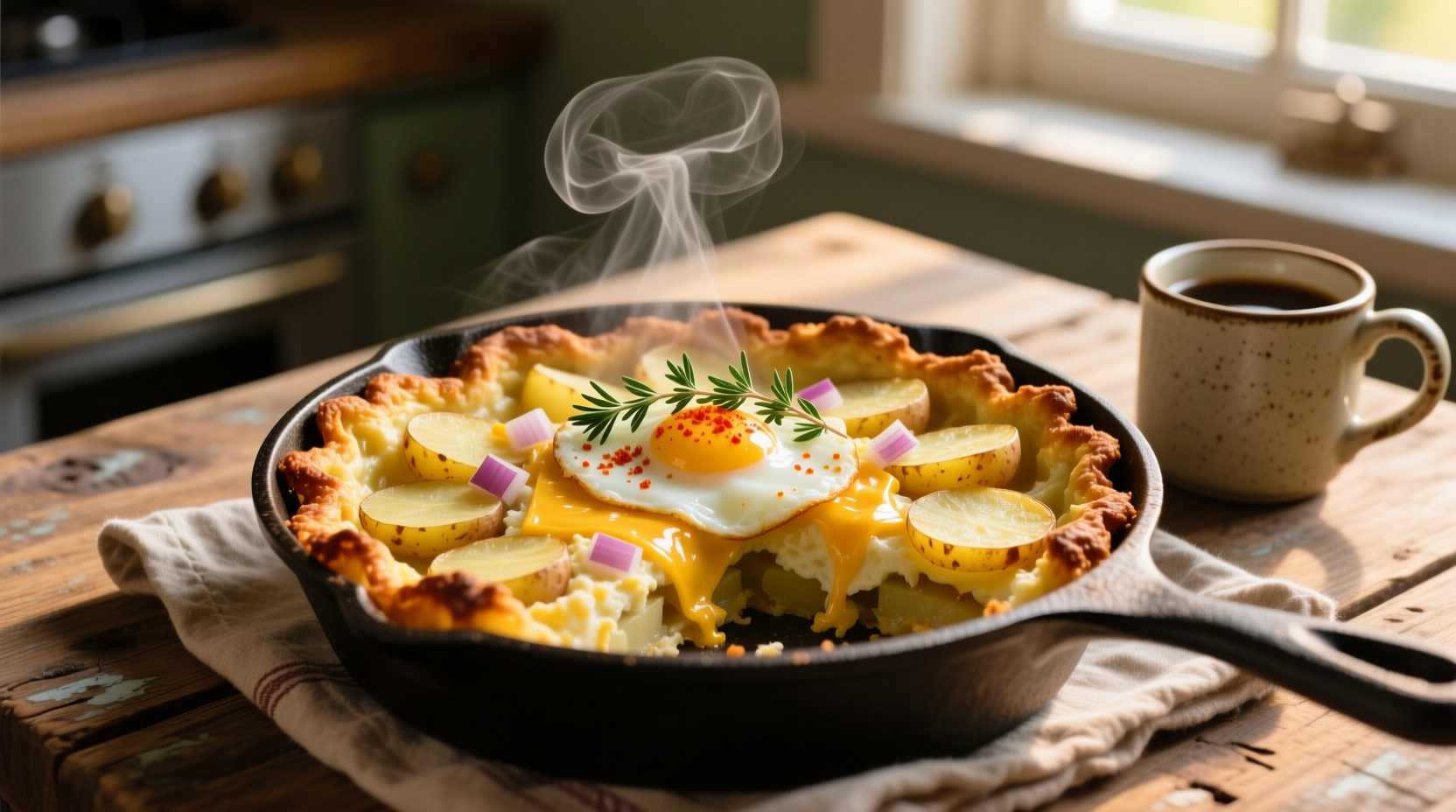
Everything You Need to Know
Toss cubed potatoes in 1 tsp cornstarch before frying—it soaks up moisture. Or parboil them, then spread on a baking sheet to dry 5 minutes. I do this every time; no more soggy frittatas.
They can be—if you skip butter and cheese. One cup has 300-400 calories: eggs provide protein to curb hunger, while potatoes offer fiber. But ditch the hash browns with extra oil; opt for baked versions. Registered dietitians note portion control is key—fill half your plate with veggies.
Absolutely—cool completely, then wrap tightly in foil before freezing. Thaw overnight in the fridge, not at room temperature, to prevent bacterial growth. Reheat at 350°F covered with parchment. Texture stays solid for 2 months; after that, potatoes get grainy.
Russets for hash browns (fluffy inside), Yukon Golds for casseroles (creamy texture), and red potatoes for salads (hold shape). Avoid sweet potatoes—they clash with egg flavors. Pro move: buy potatoes firm with no sprouts; soft spots mean starch loss.
Max 2 days in the fridge at 40°F or below. Never leave out >2 hours—eggs spoil fast. When reheating, hit 165°F internally. If it smells sulfuric or looks slimy? Toss it. Food safety isn’t worth the risk, folks.
More Articles
 Restore Spice Potency: A Practical Repair Guide
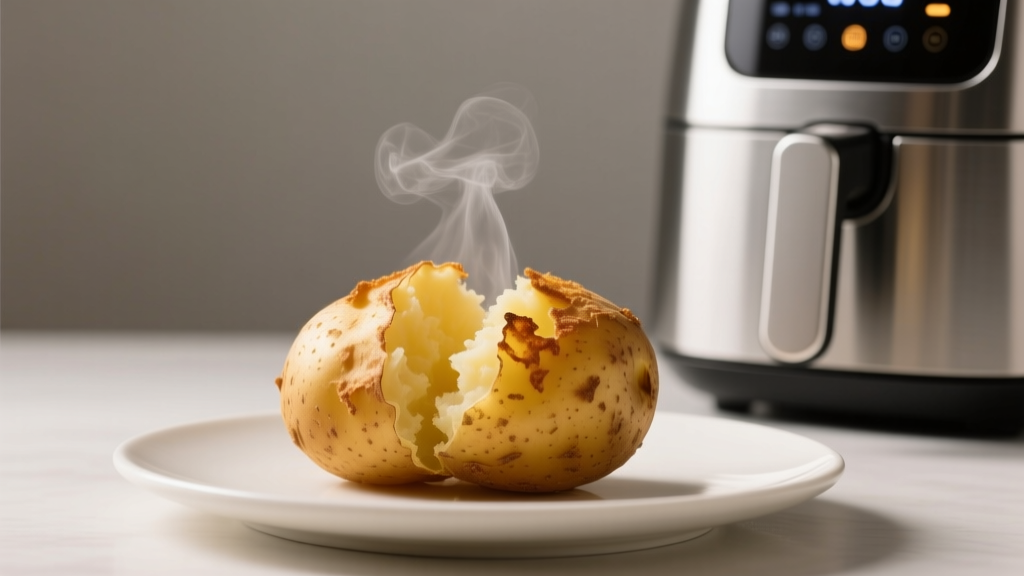 Air Fryer Baked Potatoes: Faster, Better Texture (2026)
 Kalonji Seeds in Telugu: 7 Spicy Secrets (2026)
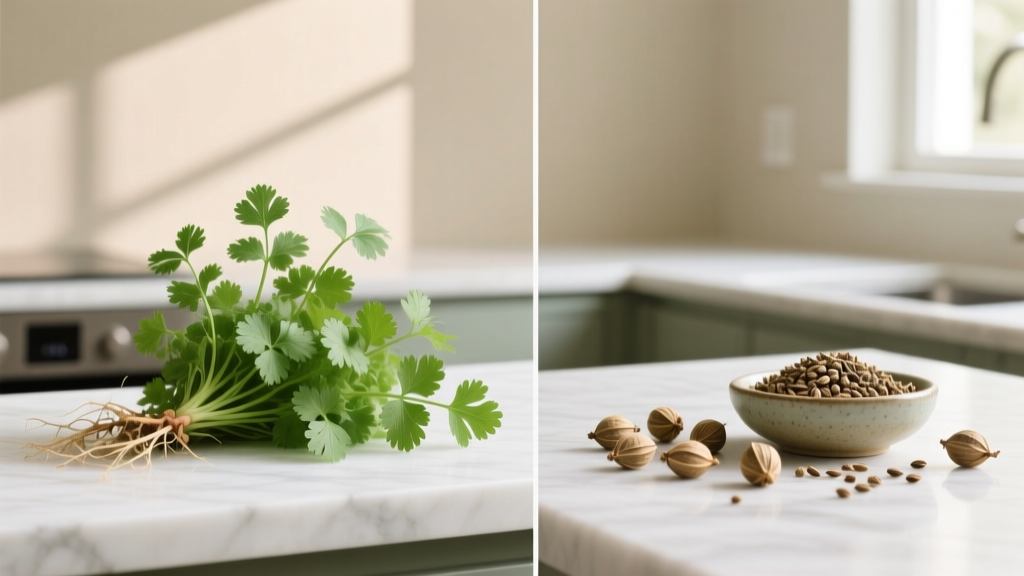 Cilantro Coriander
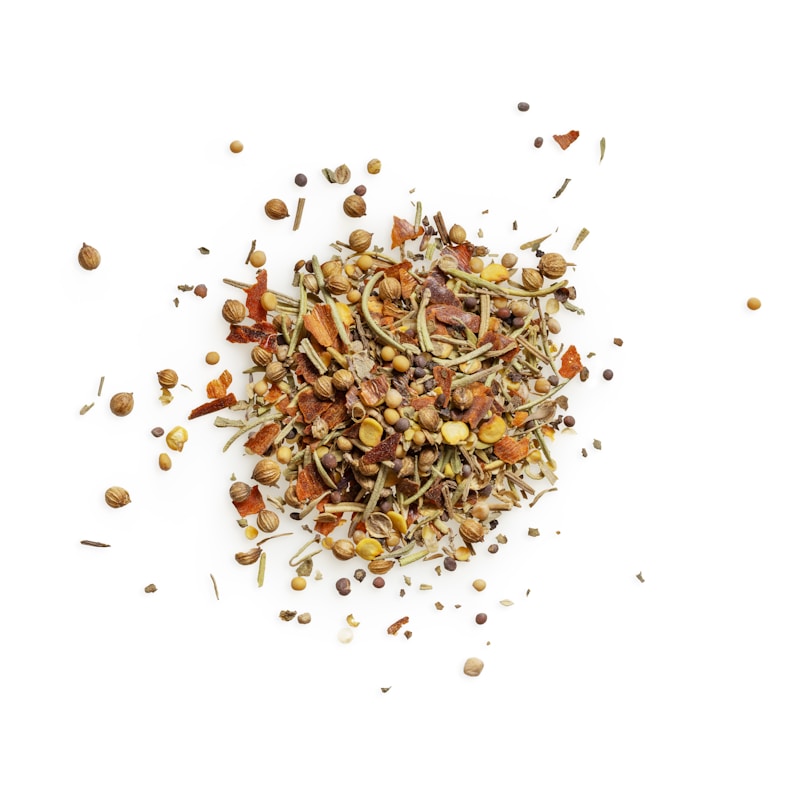 Turmeric vs Curry Powder: What Is the Actual Difference?
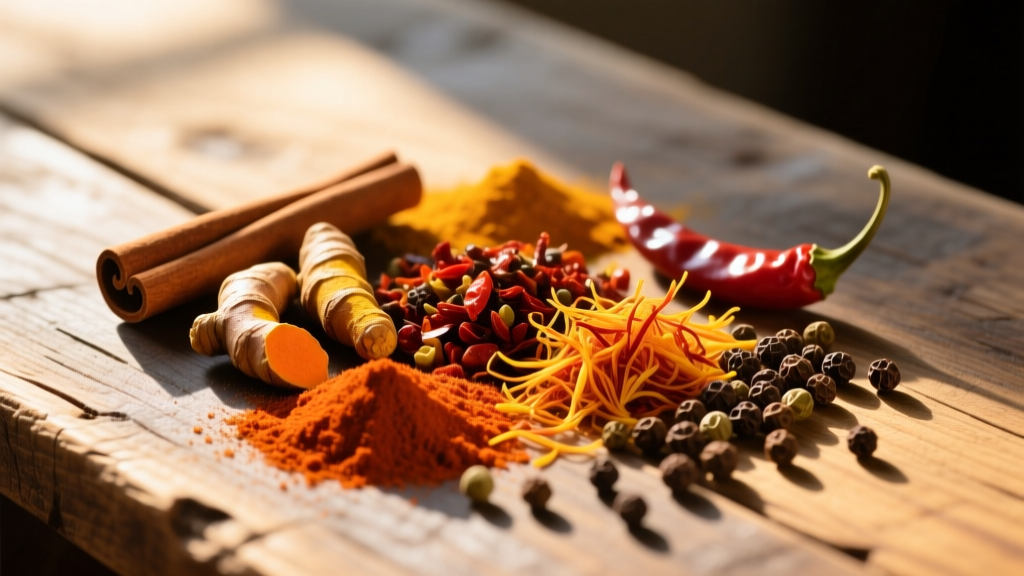 Pink Peppercorn: Flavor, Uses & Cooking Tips
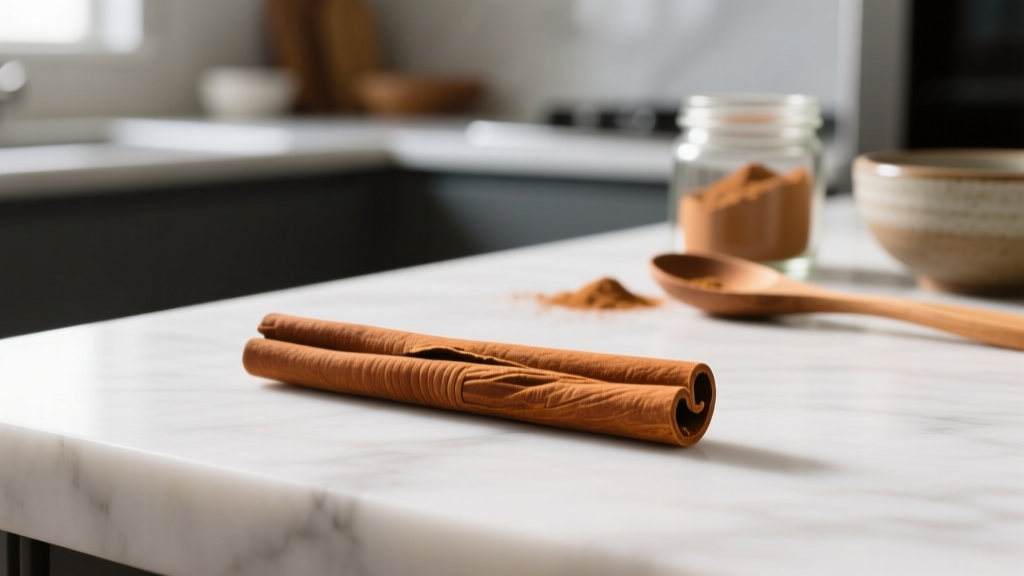 Can You Eat Cinnamon Sticks? Safety Guide
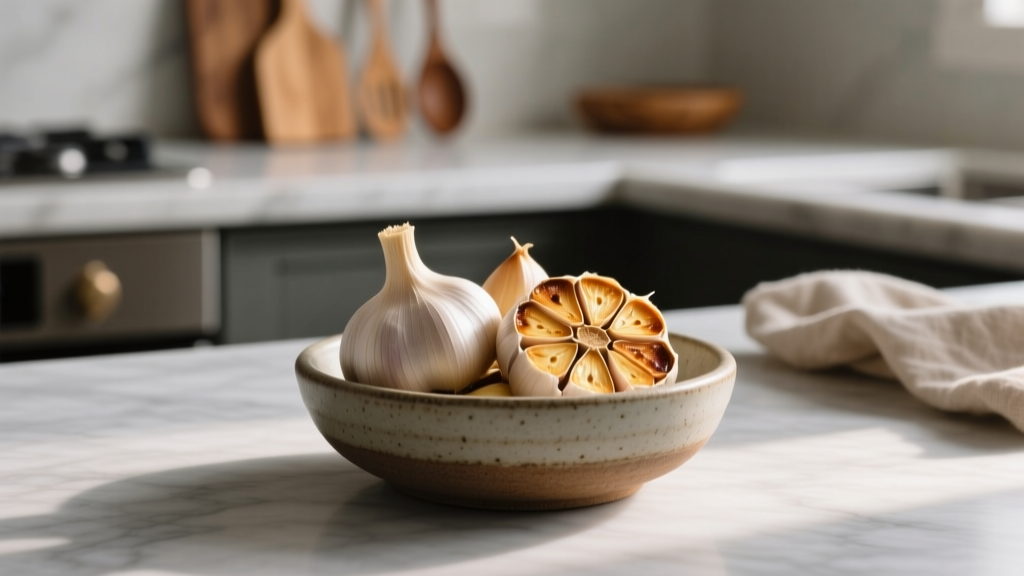 Simply Organic Roasted Garlic: Real Uses & Expert Tips
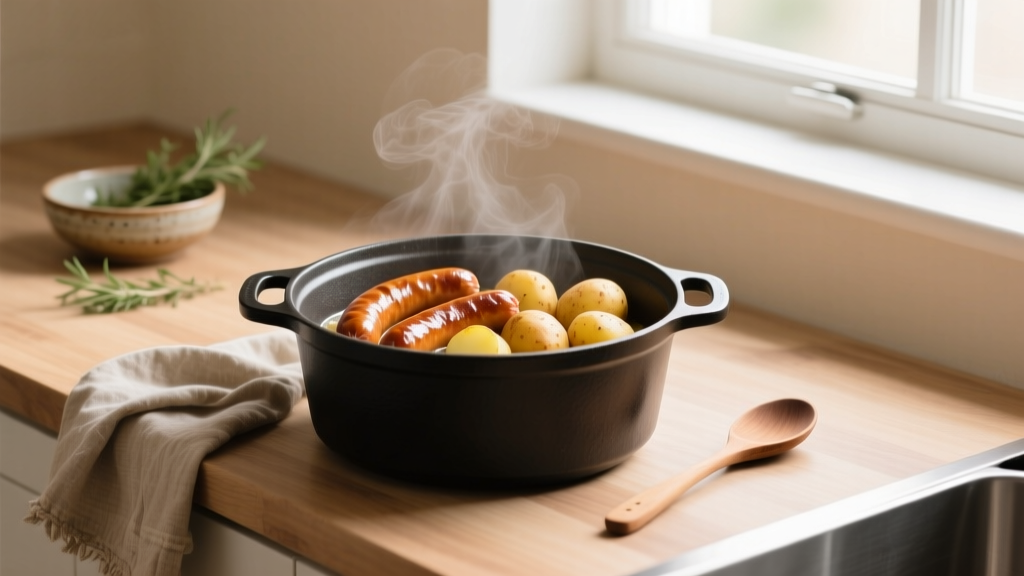 Sausage Potato Slow Cooker: Simple One-Pot Dinner Guide
 Sweet Potato Crock Pot Guide: Effortless Cooking Tips