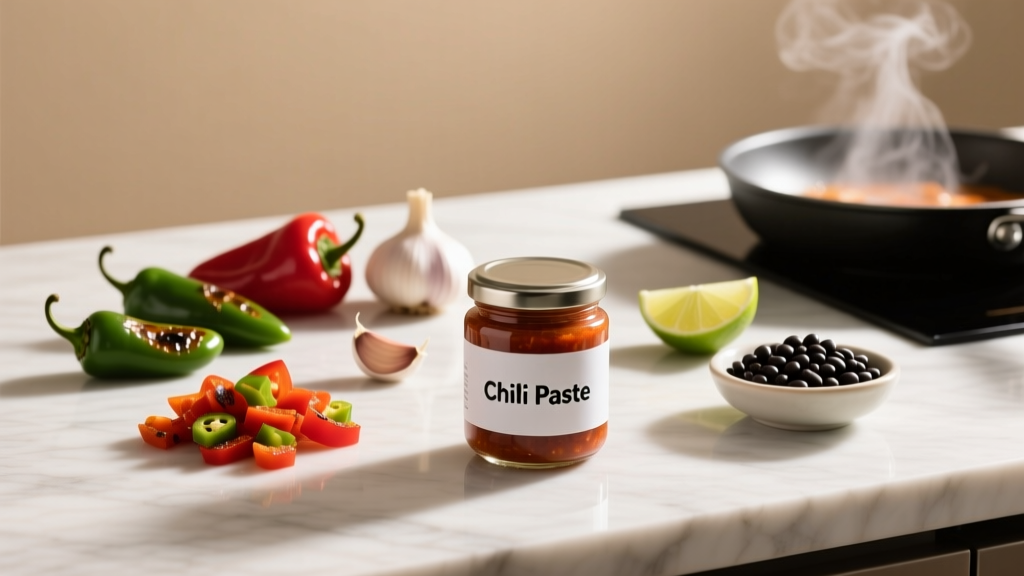
Best Substitutes for Chili Paste: Practical Alternatives
Chili Paste Substitutes Aren’t About Heat—They’re About Texture Collapse
Most people fixate on Scoville units or brand names when choosing a chili paste substitute—assuming that matching ‘heat’ guarantees functional equivalence. This misfires in daily use: a family stir-fry turns greasy and separated; a slow-simmered stew loses its cling to meat; a quick marinade pools oil instead of coating. These aren’t flavor failures—they’re physical breakdowns. The paste’s emulsified body—oil, chilies, fermented solids, and starch—is what suspends heat *and* binds moisture. When replaced with loose flakes, vinegar-based sauces, or fresh chilies alone, that suspension vanishes. What looks like a ‘spice swap’ is actually a structural downgrade—and it shows up fastest in dishes where texture matters more than burn: braises, glazes, dipping bases, and anything cooked beyond 90 seconds.
This structural role becomes irrelevant only when the paste is used cold, unheated, and as a surface accent—not a cooking agent. In that narrow case (e.g., dolloping onto finished noodles or folding into uncooked dressings), heat tolerance, emulsion stability, and viscosity cease to matter. You’re no longer asking the substitute to perform thermally or physically—you’re just layering flavor. That’s why many home cooks report ‘it worked fine’ for garnish but ‘everything split’ when they tried to sauté it. The boundary isn’t about ingredient type—it’s about thermal exposure and mechanical integration. If the substitute never touches heat *and* never mixes into liquid or fat during prep, the paste’s architecture doesn’t enter the equation.
Two common distractions dominate home substitution attempts—and both waste time without improving outcome. First: obsessing over regional authenticity (‘Is gochujang *really* a substitute for doubanjiang?’). In practice, neither behaves like the other in a wok—but both fail identically if swapped into a simmering sauce without adjusting liquid ratio or cooking time. Second: testing ‘heat parity’ using raw taste tests. A spoonful of sambal oelek tastes hotter than sriracha, yet both thin out and separate under identical pan conditions. Neither test predicts how either behaves mid-cook—so comparing them raw is functionally meaningless. What matters isn’t how they taste solo, but how they behave when suspended in soy, oil, or broth at 160°C.
The real constraint isn’t heat level, origin, or even salt content—it’s fridge shelf life *after opening*. Most chili pastes last 6–12 months refrigerated because their low water activity and fermented acidity inhibit spoilage. Many substitutes—especially fresh-chili blends, yogurt-based chutneys, or homemade garlic-chili oils—degrade visibly within 7–10 days. That forces trade-offs: using a ‘closer’ substitute means throwing half away before next use, while a less precise but stable option (like tomato paste + cayenne) stays viable across meals. Budget and food waste—not flavor fidelity—become the decisive factors in homes without weekly cooking routines or shared meal planning.
In a rushed weeknight stir-fry: use tomato paste + smoked paprika + cayenne. It won’t mimic Sichuan doubanjiang’s funk, but it won’t weep oil or curdle in hot wok oil. For a weekend batch of Korean-style braised ribs: gochujang *is* the substitute—even if you’re replacing Thai nam prik pao—because its starch and fermentation bind long simmers better than any fresh alternative. For a vegan dipping sauce served cold: finely ground chipotle in adobo works *only* if strained and thinned with rice vinegar—otherwise its oil separates on chilled tofu. Each call depends not on ‘accuracy,’ but on whether the substitute survives the dish’s thermal and mechanical demands.
Here’s the quieter truth: if you’ve ever added a chili substitute and then watched your sauce thin, split, or slide off food, the problem wasn’t wrong heat—it was missing viscosity. Stop asking ‘how spicy is this?’ and start asking ‘what does it do when it hits heat and fat?’ That single question bypasses 80% of substitution confusion. Viscosity isn’t negotiable in cooked applications—it’s the silent requirement no label mentions, no recipe states, and no influencer demonstrates. Learn to feel it: a true paste leaves a faint film on a spoon; a poor substitute runs clean.
| What people fixate on | What it affects | When it matters | When it doesn't |
|---|---|---|---|
| Scoville rating or perceived ‘heat level’ | Initial mouth burn, not structural behavior | When serving raw, cold, or as final garnish | During sautéing, simmering, or reduction |
| Regional name or ‘authentic’ branding | Flavor nuance, not emulsion stability | In cold condiments or uncooked marinades | In any dish cooked >2 minutes with oil or broth |
| Salt content | Overall seasoning balance | When substituting in low-sodium diets or sensitive palates | When the base dish already contains soy, fish sauce, or fermented beans |
| Fermentation presence | Umami depth and tang, not binding power | In slow-cooked stews or aged braises | In quick pan sauces or flash-fried dishes |
Quick verdicts for home cooks
- If you’re stir-frying vegetables for 90 seconds, skip fermented pastes—use tomato paste + cayenne for cling, not complexity.
- When marinating chicken overnight, avoid fresh-chili oils—they’ll separate and leave uneven heat, not deeper flavor.
- For a last-minute dipping sauce served cold, strained chipotle in adobo beats store-bought sriracha every time for body and smoke.
- If your household includes kids or spice-averse members, don’t dilute the paste—swap in roasted red pepper paste instead of adding water.
- When reheating leftovers with sauce, avoid gochujang substitutes made from fresh chilies—they’ll thin further on second heat.
- If your fridge space is tight and you cook infrequently, choose shelf-stable options like harissa in sealed jars over fresh-made alternatives.
Frequently asked questions
Why do people think matching Scoville units ensures a working substitute?
Because heat is measurable and visible—while emulsion failure isn’t. A 50,000-unit chili paste and a 50,000-unit powder taste similarly sharp raw, but only the paste holds together when heated with oil.
Is it actually necessary to adjust liquid ratios when swapping chili paste?
Yes—if the substitute lacks viscosity. Tomato paste adds thickness; vinegar-based sauces add water. Ignoring that shift causes splitting, not just dilution.
What happens if you ignore texture and focus only on flavor notes?
You get correct-tasting sauce that won’t coat food, separates in the bowl, and fails to build fond in the pan—making deglazing impossible.
More Articles
 Match Spices to Cooking Methods for Best Flavor
 Allspice vs Mixed Spice: Key Differences
 Five Spice Powder: Ingredients and Uses
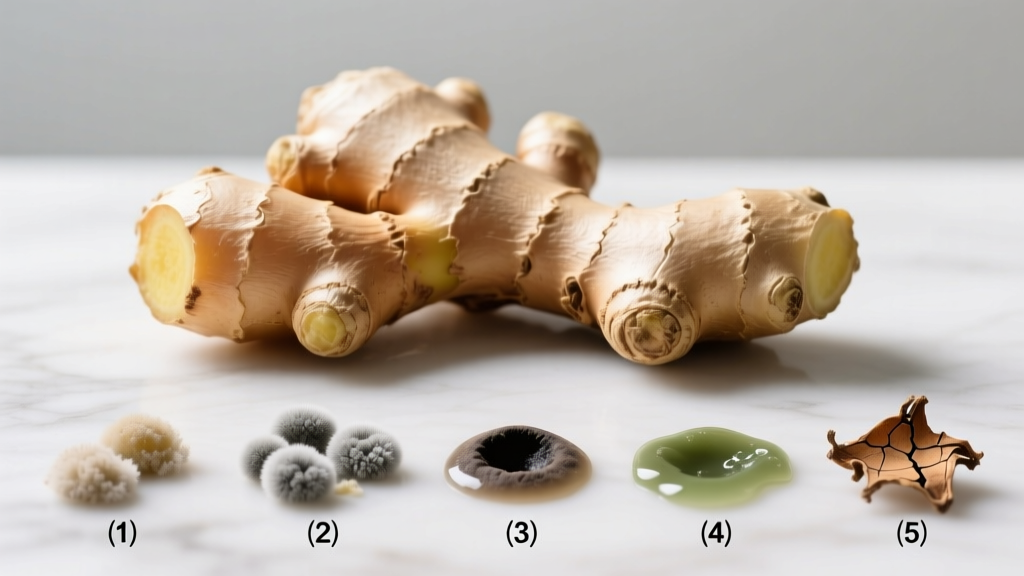 How to Tell If Ginger Root Is Bad: 5 Clear Signs of Spoilage
 Black Pepper Varieties: A Tasting Guide
Fenugreek: Seeds vs Leaves Differences
Black Pepper Varieties: A Tasting Guide
Fenugreek: Seeds vs Leaves Differences
 7 Spice Substitution Mistakes (and Fixes)
 Ginger vs. Authentic: Decoding Spice Identity, Sourcing, and Culinary Integrity
 Teaspoons in a Tablespoon: Spice Conversion Chart
 Pull Apart Cheesy Garlic Bread Recipe: Simple Sharing Style