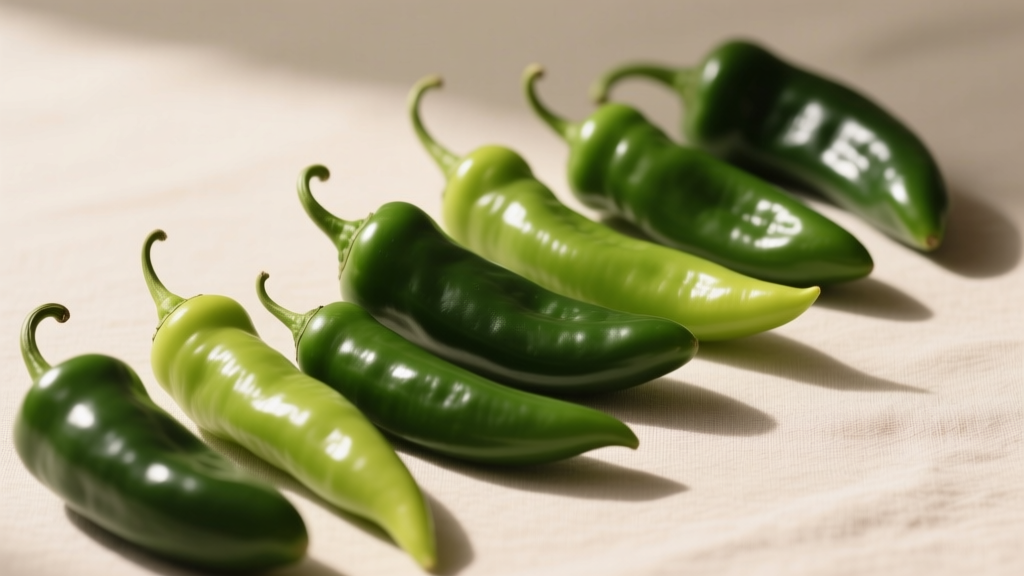
Long Green Peppers: Types, Uses & Culinary Guide
Why You're Likely Misunderstanding Long Green Peppers
Most home cooks assume "green pepper" means the common bell pepper or a spicy variety like jalapeño. This confusion leads to failed recipes—expecting mild sweetness but getting intense heat, or vice versa. The reality? Long green peppers are a distinct category of mild, slender cultivars harvested before ripening. They form the backbone of dishes from New Mexican enchiladas to Italian peperonata, yet their unique role remains poorly explained online.
Setting the Record Straight: What Long Green Peppers Actually Are
"Long green pepper" isn't a single plant but a group of cultivars sharing key traits: elongated shape (4–10 inches), thin walls, and mild heat (0–1,000 Scoville units). Unlike bell peppers (blocky, zero heat), they're harvested young for crisp texture and subtle grassy notes. Critical varieties include:
| Variety | Heat Level (SHU) | Flavor Profile | Primary Use |
|---|---|---|---|
| Anaheim | 500–2,500 | Earthy, tangy | Roasting, stuffing |
| Cubanelle | 0–1,000 | Sweet, floral | Stir-fries, frying |
| Italian Frying | 0–500 | Grassy, crisp | Raw salads, grilling |
Source: Gardening Know How cultivation data. Note: Heat levels assume unripe harvest; ripening increases spiciness.
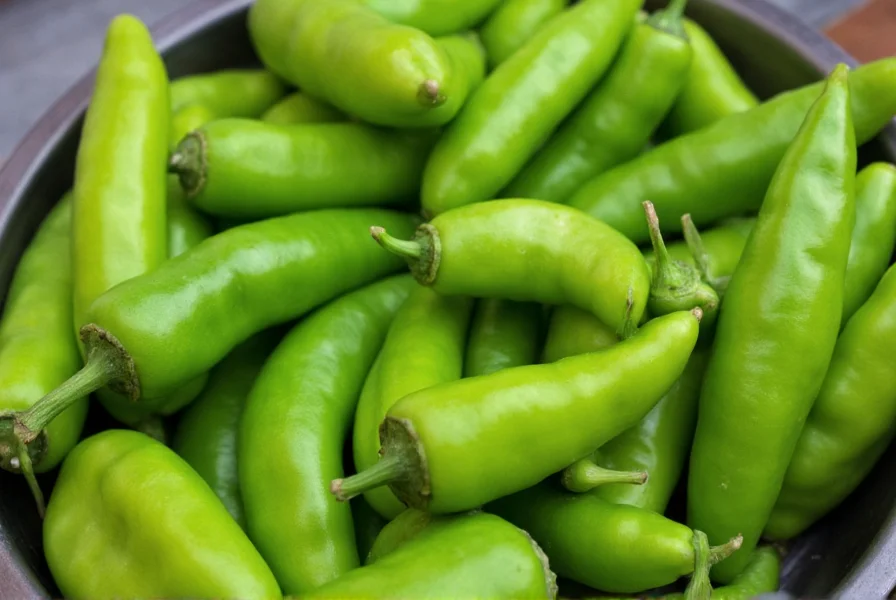
Unlocking Culinary Potential: Where They Shine (and Fail)
These peppers excel in applications where subtle flavor matters—not heat. Chefs consistently prefer them over bells for layered dishes due to faster cooking times and nuanced taste. But misuse causes dish-ruining errors:
| Scenario | Use Long Green Pepper? | Why |
|---|---|---|
| Stuffed peppers | ✅ Yes | Thinner walls cook evenly; Anaheim holds shape better than bells |
| Salsa verde | ❌ Avoid | Lacks the tart heat of tomatillos or serranos; becomes mushy |
| Stir-fries | ✅ Yes | Cooks in 3–4 minutes vs. 8+ for bells; absorbs sauces better |
| Hot sauce base | ❌ Avoid | Insufficient capsaicin; use jalapeños or habaneros instead |
Nutritional Powerhouse Backed by Science
Despite their mild taste, long green peppers deliver exceptional health benefits. Per USDA FoodData Central, 100g raw contains:
- Vitamin C: 95mg (105% DV) – critical for immunity and skin health
- Fiber: 2.1g – aids digestion and satiety
- Vitamin B6: 0.3mg (18% DV) – supports metabolism
Research confirms these nutrients reduce inflammation and chronic disease risk. As Healthline notes, their carotenoids (lutein, zeaxanthin) protect eye health—unlike hotter peppers where capsaicin dominates benefits.
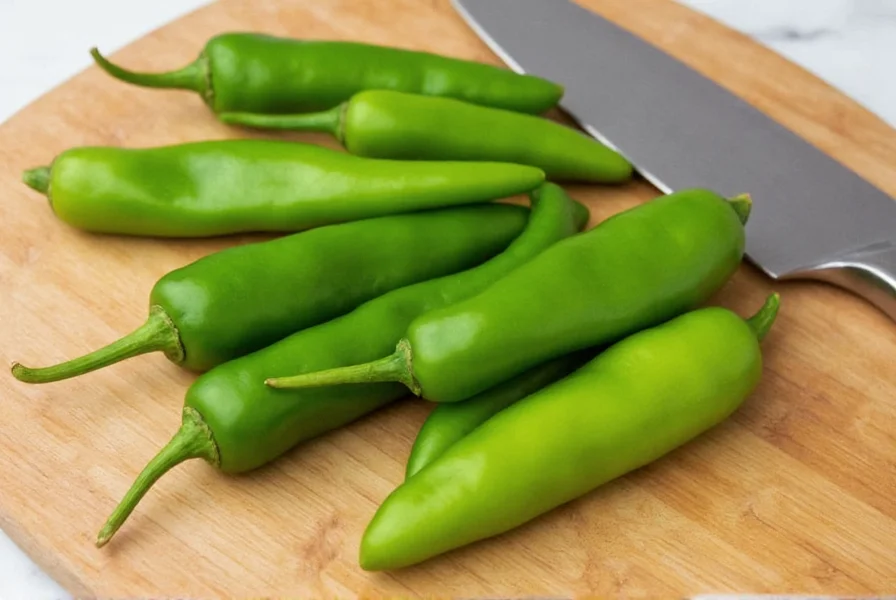
Your Action Plan: Selecting, Storing, and Cooking
Quality check: Seek firm, glossy skins with deep green color. Avoid wrinkles or soft spots—signs of age. Unlike bells, they shouldn't feel spongy. Home gardeners: Harvest at 70–80 days when uniformly green per Gardening Know How.
Storage: Refrigerate in crisper drawer for 7–10 days. Never freeze raw—they turn rubbery. For longer storage, roast and preserve in oil (max 3 weeks).
Cooking tip: Blanch first for stuffed dishes to retain texture. Their thin walls mean 2 minutes in boiling water suffices—versus 4+ for bells.
Top 3 Misconceptions That Wreck Your Dishes
- "All green peppers are spicy" – False. Long varieties like Cubanelle are milder than bell peppers. Heat confusion stems from regional naming (e.g., "green chili" in Southwest US often means Anaheim).
- "Substitute with bell peppers 1:1" – Disastrous. Bells require longer cooking, dilute flavors, and lack the vegetal complexity. Use 25% less bell pepper if substituting.
- "Ripening at home boosts nutrition" – Partially true but risky. While vitamin C increases as they turn red, unripe storage causes rapid moisture loss. Refrigerate immediately after harvest.
Everything You Need to Know
No. Bell peppers are blocky with thick walls and zero heat. Long green peppers (e.g., Anaheim, Cubanelle) are slender, thinner-walled, and may have mild heat (0–2,500 SHU). They cook faster and offer grassier flavor—ideal for dishes where bells would dominate.
Yes. With only 20 calories per 100g and 2.1g fiber (per USDA data), they promote fullness. Their vitamin C also enhances iron absorption from plant-based foods—key for metabolically efficient diets.
Refrigerate unwashed in a crisper drawer for 7–10 days. Never store near ethylene-producing fruits (apples, bananas)—they accelerate softening. For gardeners, harvest when firm and uniformly green; delayed picking reduces vitamin retention per Gardening Know How.
Using thick-walled bell peppers instead of long varieties. Anaheims or Cubanelles cook evenly in 25–30 minutes. If substituting, blanch first: boil 2 minutes to set structure. Overfilling also causes sogginess—leave ½-inch headspace for expansion.
Generally yes. Mild long green peppers (Cubanelle, Italian frying) lack the capsaicin that triggers reflux in hot peppers. However, raw consumption may irritate some—roast or sauté to reduce acidity. Avoid if sensitive to nightshades, as Healthline notes they contain trace alkaloids.
More Articles
 Indian Cauliflower Potato: Simple Aloo Gobi Guide
 Best Accent Seasoning Substitutes: 7 Natural Alternatives
 5 Practical Recipes Using Tomato Soup (With Pro Tips)
 Cumin vs Coriander: Key Differences
 Oven Roast Cauliflower: Simple Steps for Crispy Results
 Nigella Seeds (Black Cumin): Flavor and Uses
 Fajita Seasoning vs Taco Seasoning: Key Differences
 Sweet Potato Chocolate Cake: Moist & Healthy Recipe
 How Black Pepper Is Made: From Vine to Grinder
 Potato Casseroles: Foolproof Recipes for Perfect Results