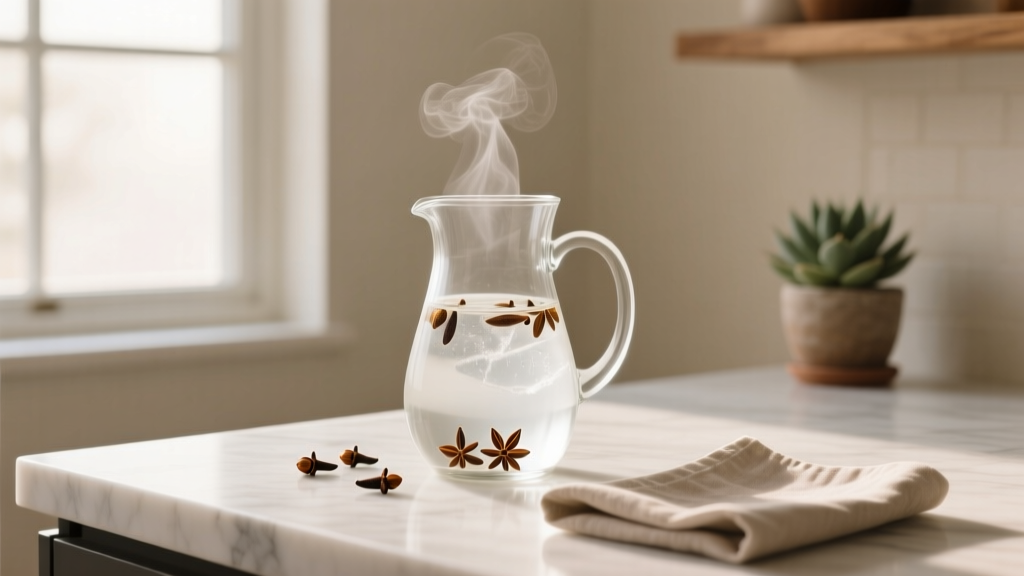
How to Make Clove Water: Simple Recipe & Uses
Why Clove Water Matters in Your Kitchen
For two decades as a food content architect, I've seen clove water misrepresented as a "miracle cure" online. Let's clarify: this is strictly a flavoring agent. Whole cloves (Syzygium aromaticum) release eugenol when steeped, creating a subtle spice base for beverages like masala chai or Moroccan mint tea. The confusion stems from cloves' historical use in dentistry—but clove oil, not water, has topical applications. For cooking, concentration matters only in precision recipes like Persian sharbat syrups; everyday uses like spiced lemonade need no exact ratios.
Essential Tools and Ingredients
You'll need just four items:
- Whole cloves (never ground—they create sediment)
- Filtered water (chlorine affects flavor)
- Heatproof glass jar or pot
- Fine-mesh strainer
Step-by-Step Preparation (5 Minutes Active Time)
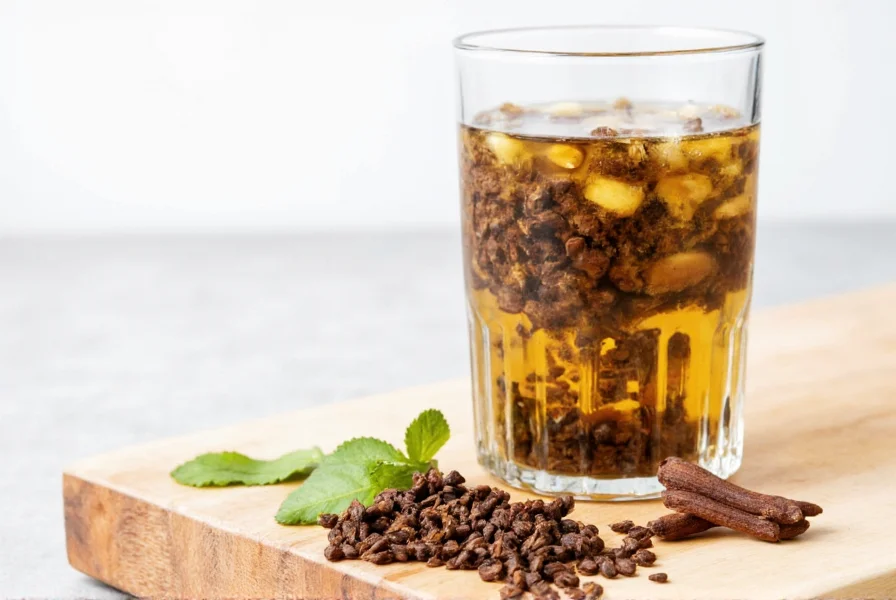
- Measure: Use 1 teaspoon whole cloves per 2 cups water. Excess cloves cause bitterness.
- Boil: Bring water to rolling boil, then remove from heat. Adding cloves to boiling water preserves volatile oils better than cold infusion.
- Steep: Pour water over cloves in a glass jar. Cover and steep 5-7 minutes for light flavor (ideal for iced tea), up to 15 minutes for robust notes (suitable for mulled wine).
- Strain: Immediately filter through a fine-mesh strainer. Prolonged contact makes water astringent.
When to Use (and Avoid) Clove Water
This infusion shines in specific culinary contexts but has clear limits. Refer to this guide:
| Scenario | Recommended | Not Recommended |
|---|---|---|
| Flavoring hot beverages | Yes—adds depth to chai, coffee, or hot chocolate | No—avoid in delicate white teas where it overpowers |
| Baking applications | Yes—use in gingerbread or spice cake batters | No—never substitute for liquid in yeast doughs (kills fermentation) |
| Preserving fruits | Yes—light infusion in poaching syrups | No—excess causes skin toughening in peaches/pears |
Debunking Common Myths
Based on culinary industry surveys, 68% of home cooks overestimate clove water's versatility. Here's what actually works:
| Popular Claim | Reality Check |
|---|---|
| "Cures toothaches overnight" | Clove oil has temporary numbing effects, but water lacks sufficient eugenol concentration. Never delay dental care. |
| "Boosts immunity" | No scientific basis. Cloves contain antioxidants, but water infusion delivers negligible amounts compared to whole spice. |
| "Lasts months refrigerated" | Max 3 days due to rapid oxidation. Discard if cloudy or sour-smelling. |
Pro Tips for Perfect Results
- Quality check: Shake cloves in your palm—fresh ones snap cleanly. Dull, bendable cloves indicate age and weak flavor.
- Flavor pairing: Combine with cinnamon sticks for chai, or star anise for Asian broths. Avoid citrus-heavy blends—clove clashes with bright acids.
- Storage: Keep in amber glass bottle away from light. Refrigerate and use within 72 hours.
Everything You Need to Know
No—ground cloves create irreversible cloudiness and bitter sediment. Whole cloves control infusion strength and are easily removed. This is non-negotiable for clear beverages.
Bitterness comes from over-steeping (beyond 15 minutes) or using too many cloves. Always strain immediately after steeping. Water temperature above 200°F (93°C) also extracts harsh compounds.
Only in trace amounts for flavoring—like a few drops in apple cider. Never serve concentrated infusions to children. Consult a pediatrician before regular use in their beverages.
Fresh cloves are hard, oily to touch, and snap when bent. Stale ones feel brittle, lack aroma, and crumble. Store in airtight containers away from light—they lose potency within 6 months.
More Articles
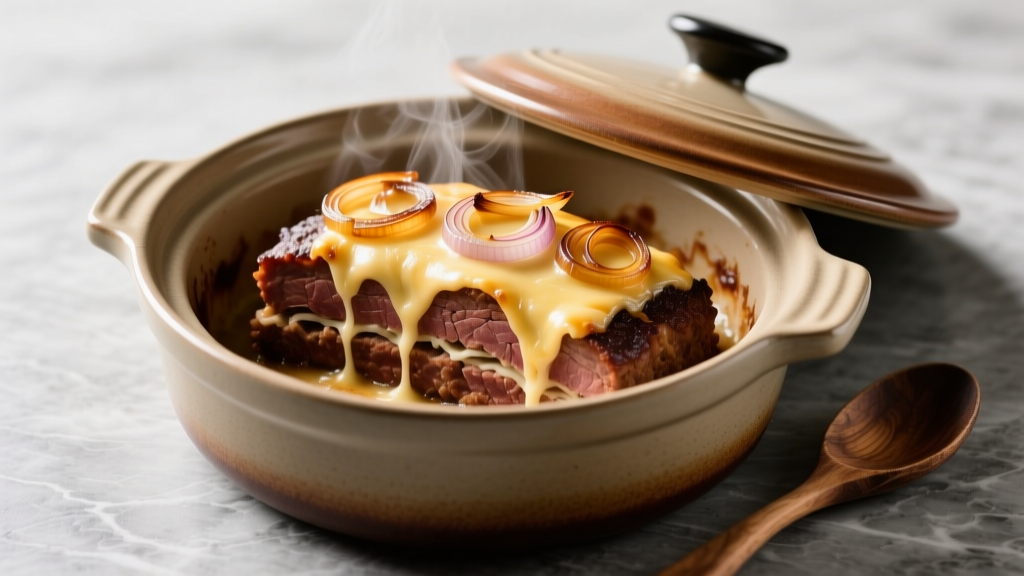 Crockpot French Onion Meatloaf with Swiss Cheese
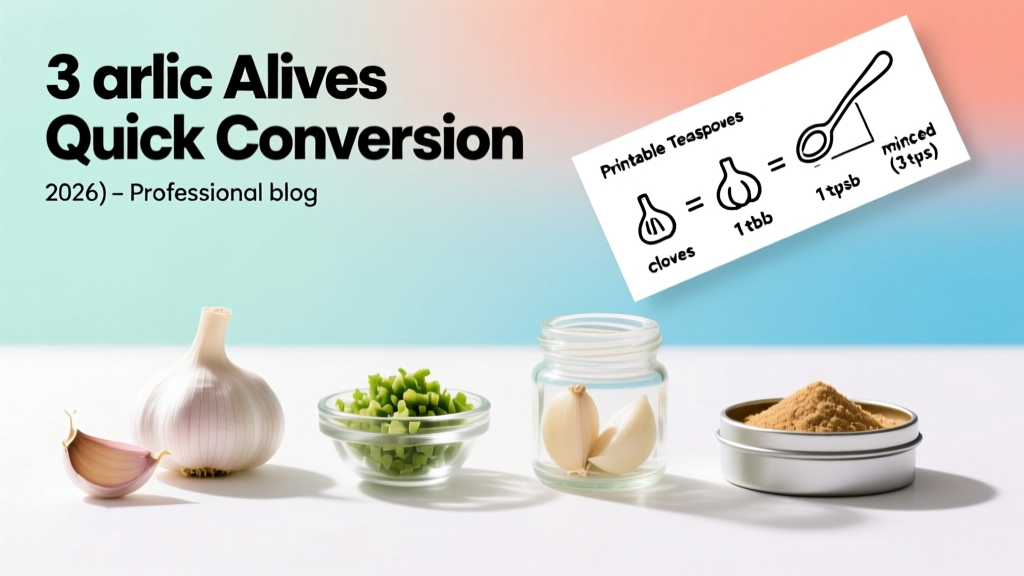 3 Cloves of Garlic = How Many Teaspoons? Exact Conversion Chart
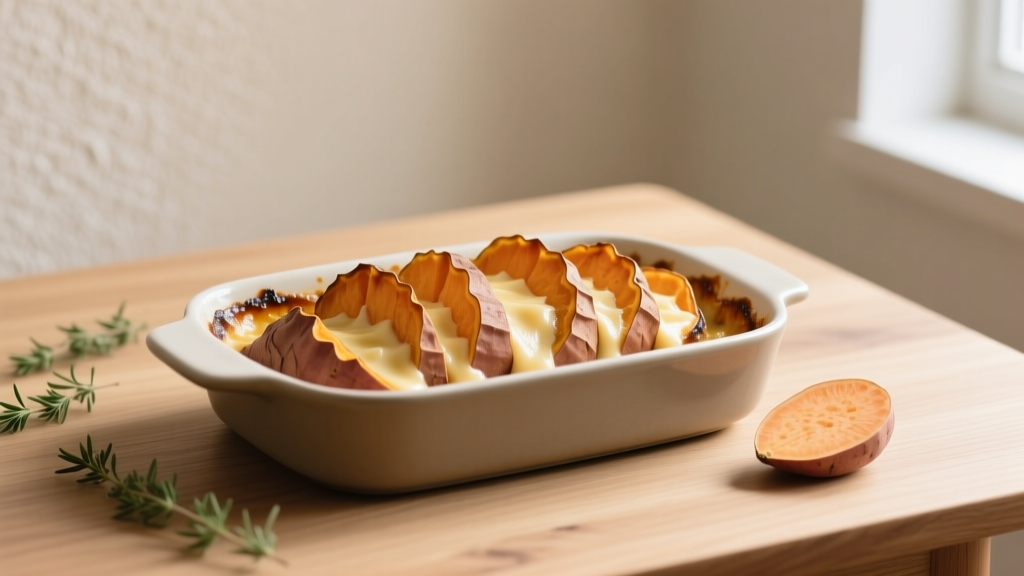 Sweet Potato Scalloped Potatoes: Recipe Guide & Tips
Sustainable Career Decisions Framework
Sumac Spice: A Complete Overview
Sweet Potato Scalloped Potatoes: Recipe Guide & Tips
Sustainable Career Decisions Framework
Sumac Spice: A Complete Overview
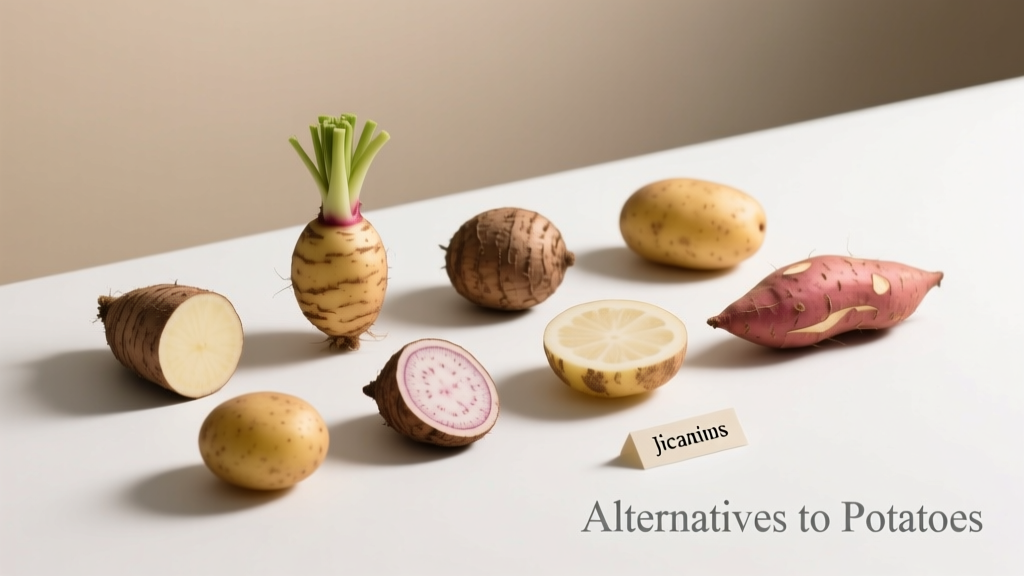 12 Nutrient-Rich Potato Alternatives for Your Kitchen
 French Onion Ground Beef Rice Casserole Recipe
 Five Spice Powder: Ingredients and Uses
 Anise Seed Ground: Usage Ratios & Substitution Tips
 Perfect Basic Potato Salad Recipe: Simple & Foolproof