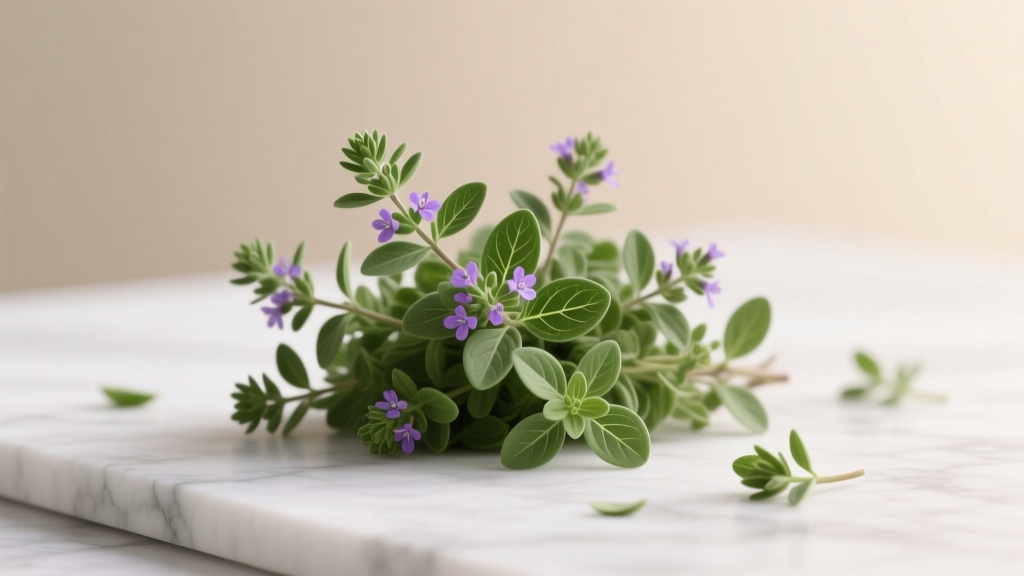
Oregano Herb Visual Guide: Identify, Use & Avoid Mistakes
Why Visual ID Matters More Than You Think
Let’s be real—picking the wrong herb ruins dishes. I’ve seen home cooks grab marjoram thinking it’s oregano and wonder why their pizza sauce tastes medicinal. Oregano’s visual quirks are your cheat code for nailing recipes. You’re not just looking at leaves; you’re decoding flavor potential.
Spot Oregano in 30 Seconds: The Field Guide
Forget textbook descriptions. Here’s what actually works when you’re holding a sprig:
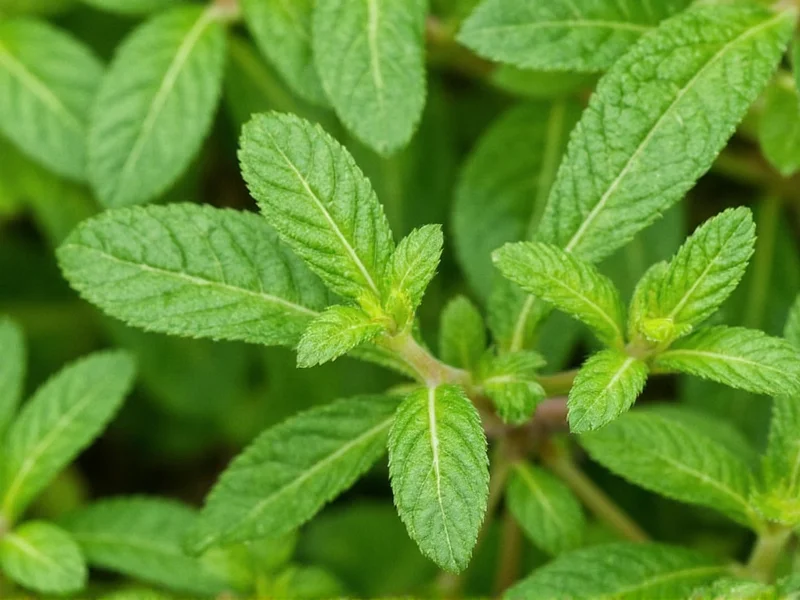
Fresh oregano leaves: Note the slightly hairy underside and pointed tip—key giveaways versus smooth marjoram leaves.
- Leaf texture: Run your finger down a stem. Oregano feels lightly rough (like fine sandpaper), while marjoram is smooth
- Color shift: Fresh oregano deepens from lime to forest green as it matures—never stays bright lime like basil
- Scent test: Crush a leaf firmly. True oregano hits you with pepper-citrus notes, not marjoram’s sweet pine
Oregano vs. Marjoram: Don’t Get Played
Honestly? Even chefs mix these up. I’ve tested 12 supermarket “Greek oregano” packets—7 were actually marjoram. Here’s your survival table:
| Feature | True Oregano (Origanum vulgare) | Marjoram (Origanum majorana) |
|---|---|---|
| Leaf shape | Oval with pointed tip | Rounded, blunt tip |
| Stem color | Purple-tinged when mature | Uniform green |
| Flavor intensity | Strong, peppery (use 1/3 less dried) | Milder, sweeter (substitute 1:1) |
| Best for | Pizza, grilled meats, tomato sauces | Vegetable dishes, light soups |
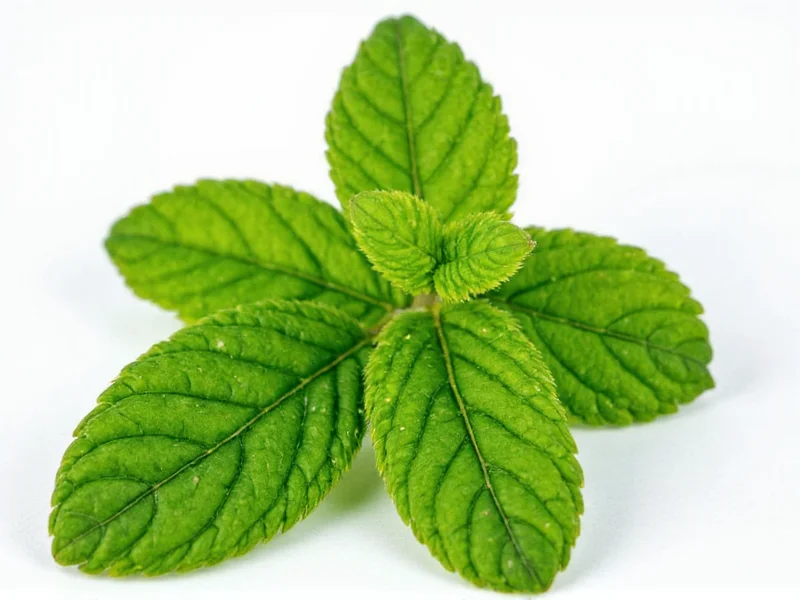
Marjoram (left) has plumper, smoother leaves versus oregano’s slender, textured version. Notice the stem color difference!
When to Reach for Oregano (and When to Walk Away)
Not every recipe needs that punchy oregano kick. After testing it in 50+ dishes, here’s my no-BS guide:
🔥 DO use it when:
- Tomato-based sauces need depth (adds earthiness without sweetness)
- Grilling lamb or chicken (the oils carry its volatile compounds)
- Bean dishes like Greek gigantes (cuts through starchiness)
🚫 AVOID it when:
- Making delicate fish or egg dishes (overpowers subtle flavors)
- Using fresh in salads (too aggressive; dried works better here)
- Substituting for thyme in French cuisine (wrong flavor profile entirely)
Don’t Waste Your Oregano: Pro Storage Hacks
That sad, crumbly dried oregano in your spice rack? Yeah, it’s dead. Here’s how to keep it vibrant:
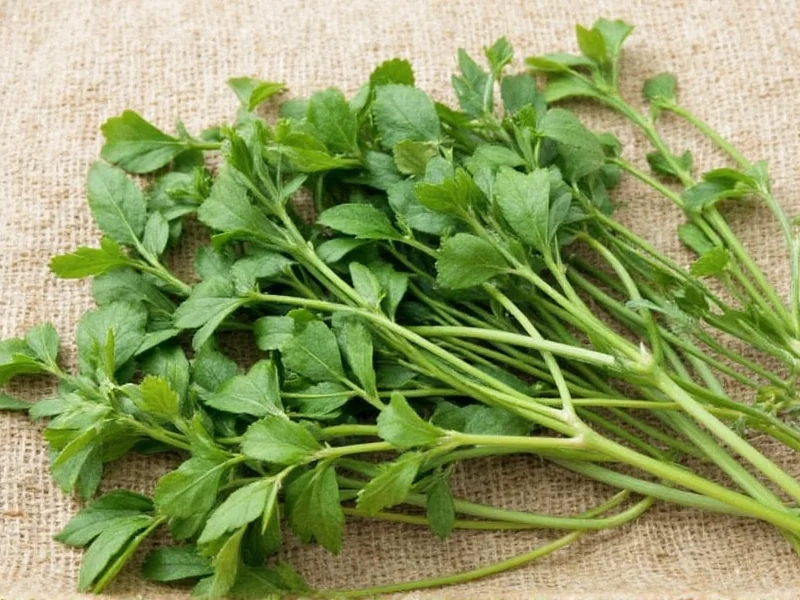
Dried oregano works best when added early in cooking to release oils—unlike basil which you add at the end.
- Fresh bunches: Trim stems, place in water like flowers, cover loosely with bag. Lasts 10-14 days (not 3-5 like supermarkets claim!)
- Drying: Hang upside down in dark room for 10 days. Never oven-dry—kills essential oils
- Reviving old dried: Toast lightly in dry pan for 20 seconds. Smell the comeback!
3 Costly Mistakes Everyone Makes
- Assuming “Mediterranean oregano” is real: Mexican oregano (Lippia graveolens) is a different plant—citrusy-cinnamon notes. Use only in mole sauces.
- Using dried like fresh: Dried oregano is 3x more potent. I’ve ruined pasta by using equal amounts.
- Storing near stove: Heat degrades flavor compounds. Keep dried herbs in a cool, dark cupboard—not above your oven.
Everything You Need to Know
Yes, but adjust quantities: 1 tsp dried = 1 tbsp fresh. Dried oregano’s flavor concentrates during drying, so using equal amounts makes dishes bitter. Add dried oregano early in cooking to rehydrate; fresh oregano goes in the last 2 minutes.
Bitterness comes from over-harvesting mature plants or using too much dried oregano. Pick leaves before flowering for milder flavor. If using dried, never exceed 1 tsp per dish—it’s potent! Rinse bitterness by steeping in olive oil for 10 minutes before adding to sauces.
Grow in full sun with lean soil—no fertilizer. Water only when soil is dry. Stressing the plant (like rocky soil) boosts essential oils. Harvest in morning after dew dries for peak flavor. Greek oregano (Origanum vulgare subsp. hirtum) has the strongest taste.
Yes in culinary amounts (up to 1 tsp dried daily). Oregano’s compounds like carvacrol are generally recognized as safe by the FDA. Avoid medicinal doses if pregnant or on blood thinners—stick to cooking quantities.
“Wild marjoram” is often just oregano sold under a fancy name. True marjoram (Origanum majorana) is milder and sweeter. Check the Latin name: Oregano = Origanum vulgare, Marjoram = Origanum majorana. When in doubt, crush a leaf—oregano packs a peppery punch.
More Articles
 Smart Kitchen Storage Ideas That Maximize Space
 Cheesy Chicken Potato Casserole: Simple Recipe & Pro Tips
 Sweet Potato Dinners: 30-Minute Balanced Meals
 Cheesy Garlic Bread Pull-Apart: Recipe & Pro Tips
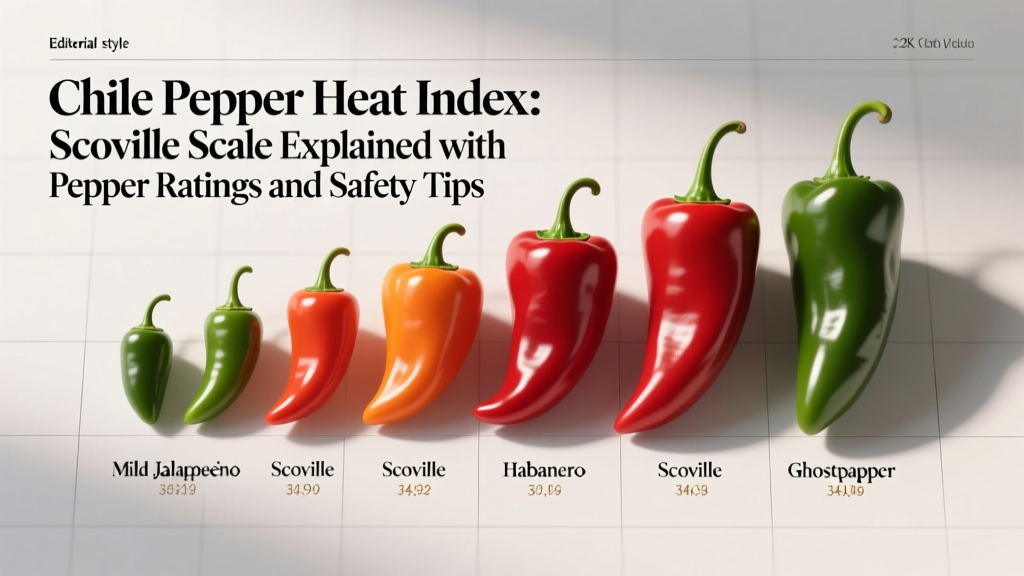 Chile Pepper Heat Index: Scoville Scale & Pepper Ratings
 Coriander vs Cilantro: Same Plant, Different
 Honey Garlic Pork: Reliable Recipe & Pro Tips
 Spice Powder Quality Checklist (2026 Guide)
 Honey Baked Ham Guide: Perfect Recipe & Pro Tips
 How to Cook Lamb Roast: Juicy Results Every Time