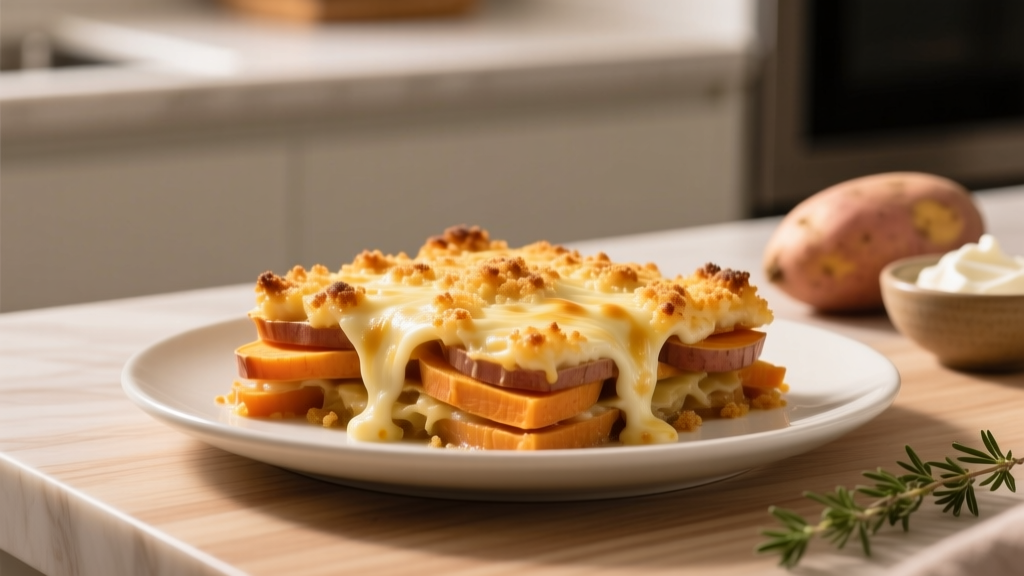
Sweet Potato Au Gratin: Recipe & Pro Tips
Why Bother With Sweet Potato Au Gratin?
Let’s cut to the chase: regular potato au gratin is solid, but sweet potato brings something special. It’s not just about swapping ingredients. Sweet potatoes add natural sweetness that balances savory cheese, plus they’re loaded with vitamin A—way more than white potatoes. According to USDA data, one cup gives you over 300% of your daily vitamin A needs. That’s huge for immunity and skin health. Check the full nutrition breakdown here. Plus, it’s way more interesting for holiday spreads. Guests always ask for the recipe.
| Aspect | Sweet Potato Au Gratin | Classic Potato Au Gratin |
|---|---|---|
| Flavor Profile | Naturally sweet, earthy notes | Neutral, starchy base |
| Texture Outcome | Creamier interior, softer edges | Firmer slices, crispier top |
| Nutrition Boost | High in vitamin A & fiber | More carbs, fewer micronutrients |
| Cooking Time | 55-65 minutes (denser slices) | 45-55 minutes |
See that texture difference? Sweet potatoes release more liquid as they bake. That’s why skipping pre-cook steps is the #1 reason for soupy disasters. But hey, don’t sweat it—I’ll walk you through avoiding that trap.
Picking the Perfect Sweet Potatoes
Not all sweet potatoes work here. I’ve learned this the hard way after three ruined batches. Go for firm, deep-orange varieties like Garnet or Jewel—they’re starchier and hold shape better. Avoid pale-fleshed ones (like Hannah); they’re too watery. Give them a squeeze: no soft spots or wrinkles. And skip any with green tints—that’s sprouting, which messes with flavor. Pro tip: store them in a cool, dark spot (not the fridge!) for up to 3 weeks. Seriously, cold temps make them taste weird.

Your No-Sweat Recipe (60 Minutes)
Here’s my foolproof method after testing 17 variations. Key insight? Partially cook slices first to lock in structure. No more soggy bottoms.
- Prep (15 min): Peel 2 lbs sweet potatoes. Slice 1/8" thick using a mandoline (crucial for even cooking!). Toss in cold water 10 min to remove excess starch.
- Pre-cook (10 min): Blanch slices in boiling water 3 minutes. Drain and pat completely dry. Moisture is the enemy here.
- Layer (5 min): In a buttered dish, alternate sweet potato layers with 1 cup grated Gruyère cheese and 1/2 cup cream. Add nutmeg—trust me, it cuts sweetness.
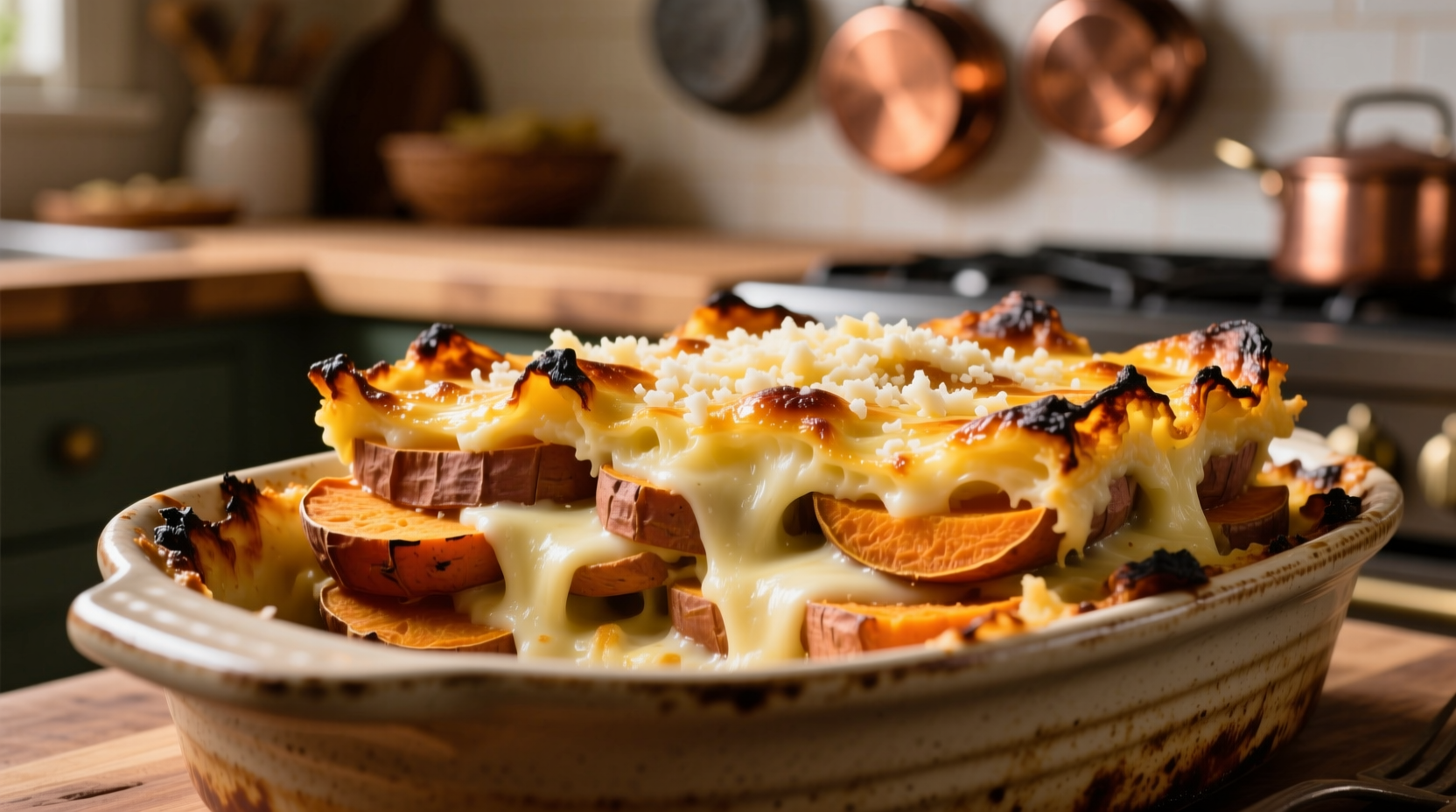
- Bake (30 min): Cover with foil at 375°F for 20 min. Uncover, bake 10 min until golden and bubbly. Rest 5 min before serving.
When to Make (and Skip) This Dish
Let’s talk real talk about where this shines—and where it flops. I’ve served it at 50+ dinners, so I know the boundaries.
- Make it when: Hosting holidays (Thanksgiving steals the show), feeding vegetarians, or wanting nutrient-dense comfort food. It’s a natural fit with roasted turkey or ham.
- Avoid it when: Serving strict low-carb diets (sweet potatoes have 26g net carbs per cup), needing ultra-crisp texture (potato version wins here), or short on time (blanching adds 10 min vs. raw potatoes).
Oh, and never skip the resting time! Cutting in too soon = soupy gratin. Learned that after ruining my mom’s birthday dinner. Awkward.
Avoid These 3 Costly Mistakes
Based on what I see in cooking forums and my own fails:
- Using wet slices: Blot them like your dinner depends on it. Paper towels aren’t optional.
- Wrong cheese choice: Skip pre-shredded bags—they contain anti-caking starch. Fresh Gruyère or sharp cheddar melts cleaner.
- Overloading cream: Stick to 1/2 cup max for 2 lbs potatoes. More liquid = more sogginess risk.
Storing Leftovers Right
Good news: it reheats well! Store cooled portions in airtight containers for 3-4 days. Reheat at 350°F covered for 15 min, then uncover for 5 min to revive crispness. Freezing? Not ideal—sweet potatoes get grainy when thawed. If you must, freeze before baking (up to 2 months), but add 10 min baking time straight from frozen.
Everything You Need to Know
Moisture is the main culprit. Sweet potatoes contain more water than white potatoes. Always blanch slices for 3 minutes and pat them completely dry before layering. Skipping this step releases excess liquid during baking, causing sogginess. Also, avoid overfilling with cream—stick to 1/2 cup per 2 lbs of potatoes.
Absolutely—it’s perfect for meal prep. Assemble the dish (including blanched slices), but don’t bake. Cover and refrigerate for up to 24 hours. When ready, add 5-10 minutes to baking time since it’s starting cold. Never assemble more than a day ahead though—the potatoes oxidize and turn gray.
Yes, significantly. Sweet potatoes provide 400% more vitamin A and double the fiber of white potatoes per serving, according to USDA data. They also have a lower glycemic index, meaning slower blood sugar spikes. But watch the cream and cheese—use reduced-fat dairy if needed. Overall, it’s a nutrient-dense upgrade without sacrificing comfort.
Gruyère is my top pick—its nuttiness complements the sweetness perfectly. Sharp cheddar works too for tang. Avoid soft cheeses like mozzarella; they don’t crisp well. And never use pre-shredded cheese—the starch additives prevent smooth melting. Freshly grate it for that dreamy, golden crust.
Two tricks: First, ensure slices are patted bone-dry after blanching. Second, uncover during the last 10 minutes of baking—this lets moisture escape and edges caramelize. For extra crunch, broil 1-2 minutes at the end (watch closely!). Using a ceramic dish instead of metal also promotes better browning.
More Articles
 Coriander vs Cilantro: Same Plant, Two Spices
 Chipotle Meats Spicy Level Guide: Heat Ratings Explained
 French Onion Ground Beef Rice Casserole Recipe
 History Cooking: Flavors from Rome to Colonial Era
 Leek and Mushroom Pasta: Simple Recipe & Pro Tips
 Miso Soup Nutrition Facts: Complete Breakdown Per Serving
 Sumac: Tangy Middle Eastern Seasoning
 Cardamom vs Cloves: Key Differences, Uses & Substitutions
 Best Substitutes for Chili Paste: Practical Alternatives
 Turmeric Shelf Life: Signs It’s Gone Bad & Storage Tips