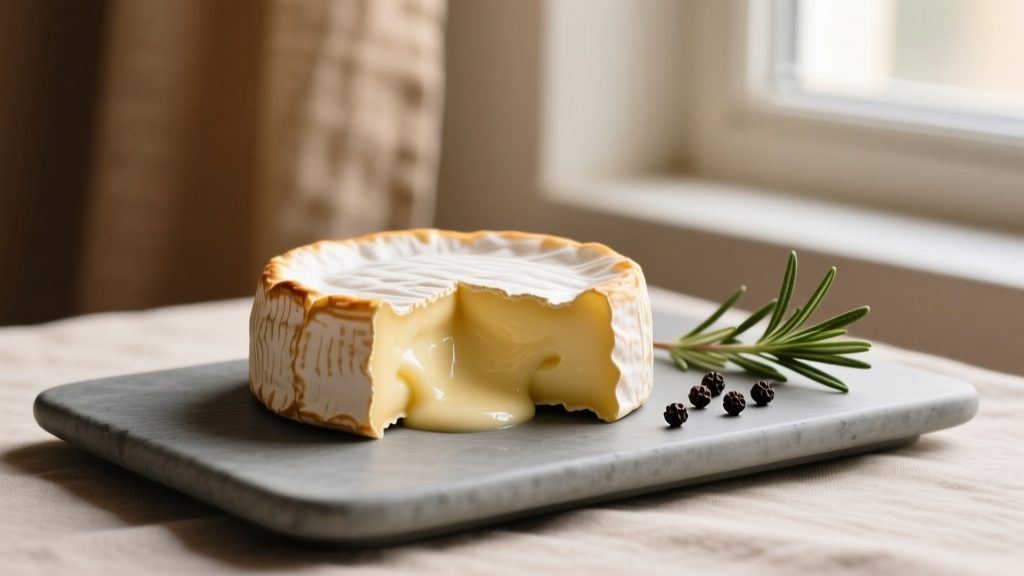
How to Cook Brie: Simple Baked Method Guide
Why Baking Beats Other Methods (Most of the Time)
Look, I've ruined more brie than I care to admit—melty disasters that looked like abstract art. Honestly, baking just works. Unlike frying (which risks uneven heat) or microwaving (hello, rubbery texture), the oven gives gentle, even warmth. It lets that creamy interior turn luscious without collapsing. And honestly? It’s dead simple for last-minute entertaining. You’re not trying to reinvent the wheel here—you just want that oozy center with a crisp crust. Baking nails it 95% of the time.
Your Foolproof Baked Brie Roadmap
Okay, let’s cut to the chase. You’ve got 20 minutes and need this to impress. First, grab a whole wheel—8 oz is perfect for 4-6 people. Skip pre-sliced stuff; it’s already too exposed. Now, here’s the no-fail sequence:
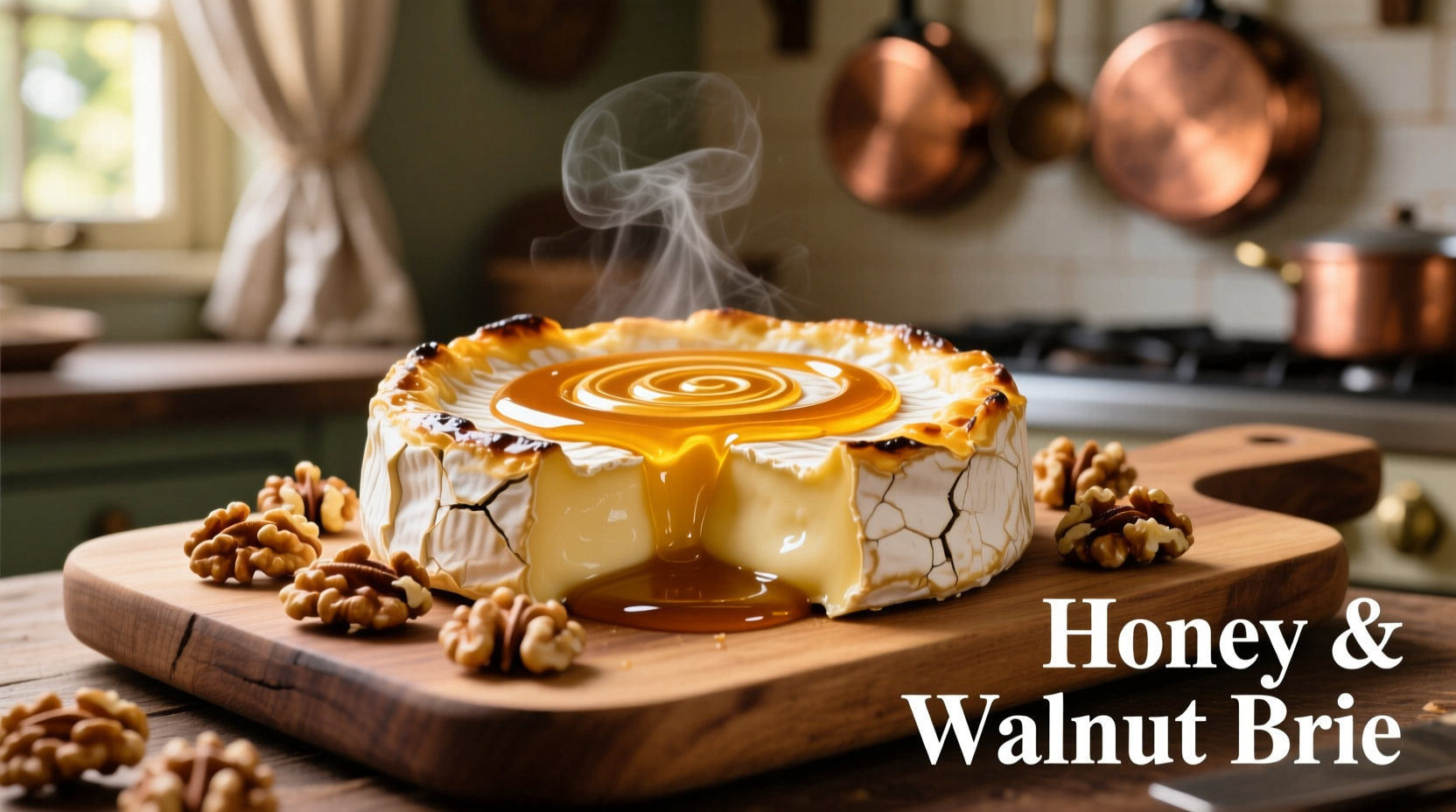
- Prep the brie: Slice a criss-cross pattern into the top rind (¼-inch deep). This isn’t just for looks—it vents steam so it doesn’t burst.
- Add flair: Drizzle 1-2 tbsp honey or maple syrup over it. Toss on toasted walnuts or pecans. Pro move: a pinch of flaky salt cuts the sweetness.
- Bake smart: Place on a parchment-lined baking sheet. 350°F for 15-20 minutes. Peek at 15—when the edges puff slightly and a knife slides in warm (not hot), it’s done.
- Serve hot: Transfer to a small dish immediately. Pair with baguette slices, apple wedges, or plain crackers. Trust me, cold accompaniments balance the heat.
| Cooking Method | Best For | Biggest Risk | Time Required |
|---|---|---|---|
| Baking | Parties, beginners, creamy texture | Overbaking = melted puddle | 15-20 min |
| Frying | Crispy exterior lovers | Burning rind; uneven melt | 3-5 min per side |
| Grilling | Summer BBQs, smoky flavor | Sticking to grates; rapid melt | 4-6 min |
| Raw | Room-temp cheese boards | No flavor transformation | 0 min |
When to Bake (and When to Bail)
Real talk: baking isn’t magic for every situation. Use it when you need crowd-pleasing ease—think holiday parties or lazy Sundays. But avoid it if your brie’s past its prime date; aged wheels turn grainy when heated. Also, skip baking for salads or sandwiches where you want firm slices. Frying’s better there. And seriously, never bake frozen brie—it’ll leak whey and turn watery. Thaw it overnight in the fridge first. Oh, and if your wheel’s under 4 oz? Halve the bake time. Tiny portions melt faster than you think.
Don’t Repeat My Brie Blunders
I learned these the hard way so you don’t have to. First, skipping the rind score? Total rookie move. Pressure builds, and boom—molten cheese volcano. Second, overloading toppings. Heavy sauces (looking at you, jam) weigh it down and cause leaks. Stick to light drizzles. Third, serving it lukewarm. Brie cools fast, so have plates ready. Room-temp brie = sad, congealed mess. Finally, using low-fat brie. It lacks the fat to stay creamy when baked—always grab the full-fat version. You’ll thank me later.
Spotting Quality Brie at the Store
Not all brie is created equal. Here’s how to avoid duds: press gently near the edge—it should yield slightly like a ripe avocado, not feel rock-hard or mushy. The rind? Bloomy white and velvety, not yellow or slimy. Smell it—earthy and mushroomy is good; ammonia stink means it’s overripe. And ignore “double” or “triple cream” labels—they’re marketing fluff. Real French brie de Meaux (with AOC logo) beats generic stuff any day. Skip pre-cut wedges; they dry out fast. Whole wheels stay fresher longer.
Everything You Need to Know
Technically yes, but you shouldn’t. The rind holds structure during baking. Removing it causes rapid melting and uneven texture. If you dislike the taste, lightly score it instead—it softens when baked but keeps the shape intact. Never peel it off entirely; that’s how disasters happen.
Gently press the center—it should feel warm and slightly springy, like a stress ball. Insert a thin knife; if it slides in with mild resistance (not cold hard or hot liquid), it’s perfect. Visual cue: edges puff slightly away from the rind. Overdone brie leaks oil and loses its dome shape. Set a timer for 15 minutes; check early!
Not really—it’s a one-time wonder. Reheating makes it grainy and separates fats. Leftovers? Scoop the soft bits onto crackers within 2 hours of baking. For storage, wrap unused raw brie tightly in parchment (not plastic) and refrigerate up to 5 days. Never freeze baked brie; texture turns rubbery.
Classic overbake. Brie melts fast above 180°F—most ovens run hotter than set. Always use an oven thermometer. Also, scoring the rind too shallowly traps steam, causing explosions. Or you used low-quality brie; cheap versions have higher moisture. Stick to 15 minutes max at 350°F and score deeply enough to see the cheese beneath.
Balance is key. Pair with neutral carriers: crusty baguette slices, water crackers, or apple/pear wedges. Acidic sides cut richness—try pickled onions or fig jam. Avoid salty chips; they clash. For drinks, dry cider or unoaked Chardonnay complements the creaminess. Pro tip: serve honey on the side so guests control sweetness.
More Articles
 Pan-Seared Salmon: Simple Steps for Perfect Results
 Simple Homemade Tomato Basil Soup Recipe in 30 Minutes
 Allspice vs Mixed Spice: Key Differences
 4 Basic Types of Spices: A Beginner's Classification Guide
 Anise vs Star Anise: Key Differences
 Potato Dumplings Recipe: Traditional & Foolproof (2026)
 Powder vs. Facts: Why Ground Spices Lose Potency—and What the Data Really Shows
 Fresh Herbs: 7 Common Mistakes That Sabotage Flavor, Shelf Life, and Nutrition
 Chickpea Curry with Potato: Authentic Recipe & Pro Tips
 Fajita Seasoning vs Taco Seasoning: Key Differences