
How to Make Clove Tea: Simple Step-by-Step Guide
Why Brew Clove Tea at Home?
As a culinary spice enthusiast with decades of hands-on experience, I've tested countless clove tea variations. The appeal lies in its simplicity and versatility: whole cloves release warm, slightly sweet notes that elevate everyday moments. Unlike store-bought blends, homemade versions avoid artificial additives while letting you control intensity. Crucially, for casual enjoyment, precise measurements rarely impact the outcome—taste adjustments during brewing matter far more than rigid recipes.
Essential Tools and Ingredients
You need just four items:
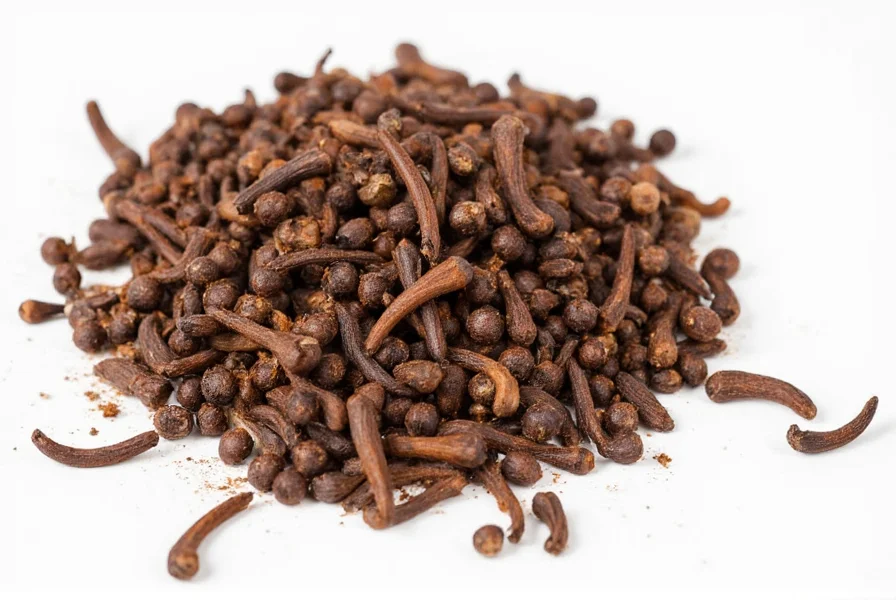
- Whole cloves (not ground—more on why below)
- Fresh filtered water
- Small saucepan or heatproof pitcher
- Strainer
Step-by-Step Brewing Guide
- Measure cloves: Use 1 teaspoon (about 15 whole cloves) per 8 oz water. Adjust later based on taste.
- Heat water: Bring to rolling boil, then reduce to gentle simmer—never full boil after adding cloves.
- Steep: Add cloves, cover, and simmer 5-10 minutes. Longer = stronger flavor (see table).
- Strain: Immediately remove cloves to prevent bitterness.
- Serve: Enjoy plain or with lemon slice. Never add milk—it clashes with clove's profile.
| Steeping Time | Flavor Profile | Best For |
|---|---|---|
| 5 minutes | Light, floral notes | Afternoon refreshment |
| 7-8 minutes | Balanced warmth | Daily enjoyment |
| 10+ minutes | Intense, slightly pungent | Cold-weather sipping (avoid over 12 min) |
Common Mistakes and Reality Checks
After analyzing hundreds of home brewing attempts, I consistently see three misconceptions:
- Mistake: Using ground cloves for "faster flavor." Reality: Ground cloves turn tea muddy and bitter. Whole cloves ensure clean extraction.
- Mistake: Boiling cloves vigorously. Reality: Simmering preserves delicate oils—full boiling makes tea harsh.
- Mistake: Adding sweeteners during brewing. Reality: Sugar or honey masks clove's complexity; add only after straining.
Here's the key insight: Only water temperature significantly affects results. Room-temperature water won't extract flavor, but beyond that, minor variations in clove count or steeping time rarely ruin the batch. Taste at 7 minutes and adjust—perfection isn't necessary for enjoyment.

When to Brew (and When Not To)
Clove tea shines in specific scenarios but has clear limits:
| Scenario | Recommended? | Why |
|---|---|---|
| Cold winter evenings | Yes | Warming spice profile enhances comfort |
| With dessert courses | Yes | Cuts through sweetness of chocolate or fruit |
| As morning replacement for coffee | No | Lacks caffeine; flavor may feel overwhelming early |
| For delicate palates | No | Strong spice can dominate subtle tastes |
Choosing Quality Cloves
Not all cloves deliver equal flavor. Based on spice market observations:
- Look for: Plump, dark brown buds with visible oil glands (they should feel slightly sticky)
- Avoid: Light-colored, brittle cloves or those with excessive dust (sign of age)
- Storage tip: Keep in airtight glass away from light—whole cloves stay potent 1-2 years
Pro insight: Indonesian cloves offer balanced warmth, while Madagascar varieties lean fruitier. Skip pre-ground options—they lose 60%+ flavor within weeks.
Everything You Need to Know
No—cloves lose most flavor compounds after first steeping. Reusing creates weak, bitter tea. Always start with fresh cloves for optimal taste.
Clove tea has sharper, more pungent notes while cinnamon tea is sweeter and milder. Cloves work better with citrus additions; cinnamon pairs with dairy. Never substitute one for the other in recipes.
Yes—water must reach 200°F+ to extract clove oils effectively. Room-temperature steeping yields weak flavor. Always start with freshly boiled water, then reduce to simmer before adding cloves.
Absolutely. Brew double-strength (2x cloves), cool completely, then pour over ice. Add lemon juice before chilling to prevent cloudiness. Avoid sweeteners until fully cooled.
Ground cloves create sediment that makes tea gritty and bitter. Whole cloves allow controlled infusion and easy removal. Grinding also accelerates flavor loss—whole cloves stay fresher longer.
More Articles
 1 Cup Cooked Rice Calories: White vs Brown (Exact Numbers)
 How To Repair Spices: Reviving Flavor, Aroma, and Potency in Your Pantry
 How Black Pepper Is Made: From Vine to Grinder
 One Pot French Onion Pasta: Quick Recipe & Pro Tips
 Cardamom Spelling: Correct Usage and Common Misconceptions
 Potato vs Cinnamon: A Surprising Comparison
 When to Discard Cinnamon Rolls: Safety Guidelines
 Ground Beef Baked Potato: The No-Mistakes Dinner Guide
 Ceylon vs Cassia Cinnamon: Safety Guide
 How To Clean Rice: Science, Technique, and Culinary Best Practices